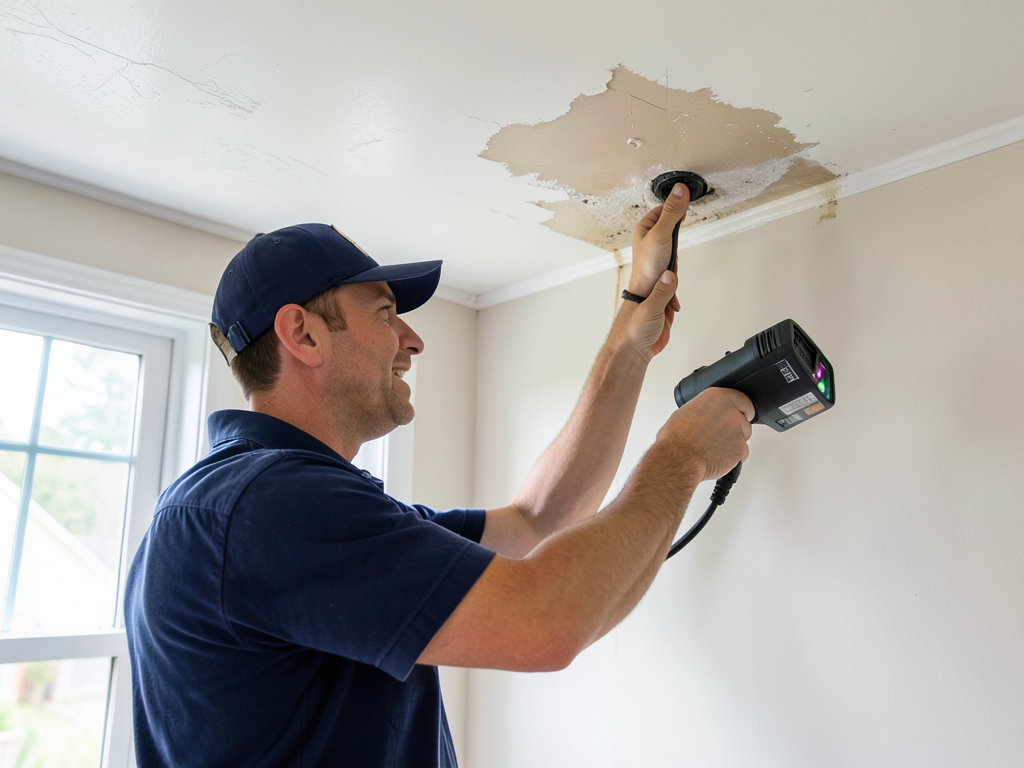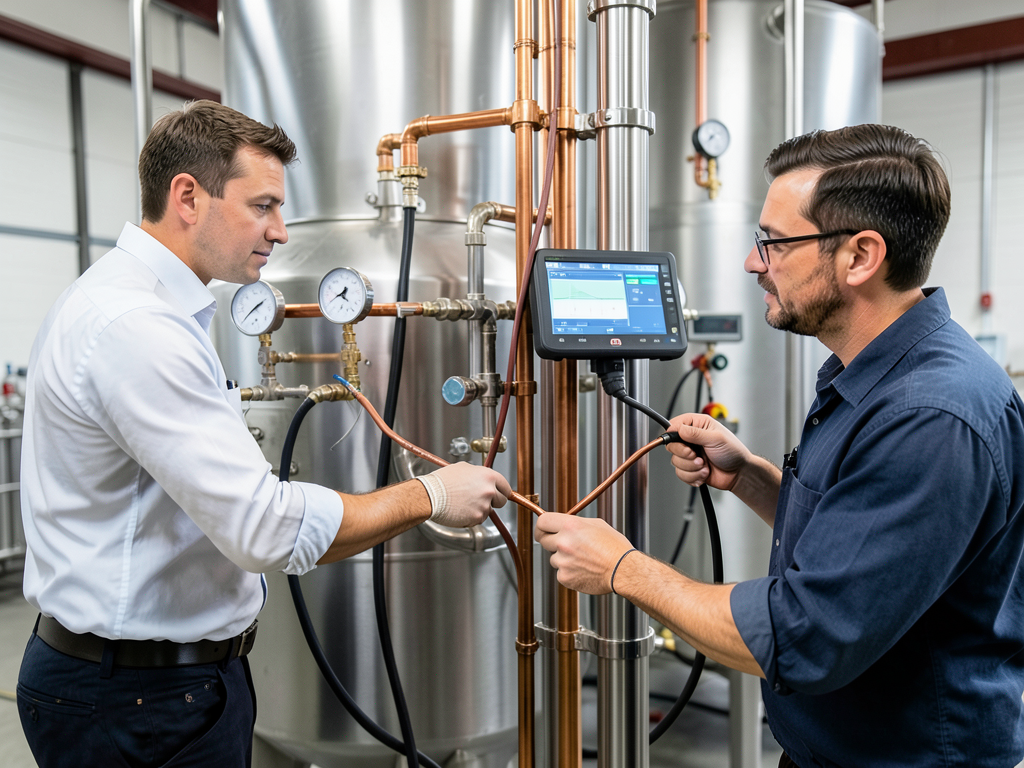







Cincinnati sits in a river valley with average relative humidity above 70 percent for eight months of the year. This ambient moisture slows evaporation rates significantly compared to drier climates. When you have flooded carpet and underpad in a Cincinnati basement or first floor, that moisture cannot simply evaporate into already-saturated air. It requires mechanical dehumidification to create a vapor pressure gradient that pulls moisture from materials. Without commercial dehumidifiers that process hundreds of pints per day, your soaked carpeting and underlay will remain damp for weeks, creating ideal conditions for mold colonization. Our equipment selections account for Cincinnati's high humidity baseline, ensuring adequate dehumidification capacity regardless of outdoor conditions.
We have worked with insurance adjusters from every major carrier operating in Greater Cincinnati, including those handling claims for flood-prone areas near the Ohio River and Mill Creek. These adjusters know our documentation standards meet industry requirements and our moisture readings are accurate and defensible. When you need permits for structural repairs related to water damage, we coordinate with Cincinnati's Building and Inspections department and know which scope items require approval before work begins. This local knowledge streamlines your restoration timeline and prevents delays that leave your home vulnerable to secondary damage. You need a contractor who understands both the technical requirements of water damage restoration and the local regulatory environment where that work happens.