




Menu

Attic Water Damage Cleanup in Cincinnati – Expert Restoration Before Mold Takes Hold

We respond within hours to extract water, dry structural components, and prevent secondary damage from Cincinnati's humid conditions. Comprehensive attic water damage cleanup protects your insulation, ceiling joists, and prevents contamination from spreading to living spaces below.

Slider Image 1
Slider Image 2
Slider Image 3
Slider Image 4
Slider Image 5
Slider Image 7
Slider Image 8
Slider Image 9
Slider Image 10
Slider Image 11

Why Attic Water Damage in Cincinnati Requires Immediate Action

Cincinnati's climate creates a dangerous environment for attic water damage. The combination of high summer humidity and temperature swings between seasons means water in your attic does not just sit there. It accelerates mold growth, rots structural timber, and destroys blown-in insulation within 48 hours.

Most attic water damage starts from three sources. Roof leaks from missing shingles or failed flashing allow rain to penetrate directly into the attic cavity. HVAC condensate lines that run through attics can clog or disconnect, dumping gallons of water onto insulation and drywall. Ice dams during Cincinnati's freeze-thaw cycles push water under shingles and into the attic structure.

The problem with attic water damage is you rarely see it until the ceiling below starts sagging or you spot water stains. By that point, the damage has spread. Wet insulation loses all R-value and becomes a breeding ground for mold spores. Ceiling joists absorb moisture, lose structural integrity, and can warp. If the water contains sewage or animal waste from a roof penetration, you now have a biohazard sitting above your family.

Attic water damage restoration requires fast intervention. The longer water sits in confined spaces with poor ventilation, the more expensive the attic water damage repair becomes. We see homeowners in Oakley and Hyde Park who waited too long and now face full attic reconstruction instead of targeted attic leak cleanup. Cincinnati homes built before 1980 often have inadequate attic ventilation, which compounds moisture problems and accelerates secondary damage from any water intrusion event.

Why Attic Water Damage in Cincinnati Requires Immediate Action
How Professional Attic Water Removal Services Stop the Damage Cycle

How Professional Attic Water Removal Services Stop the Damage Cycle

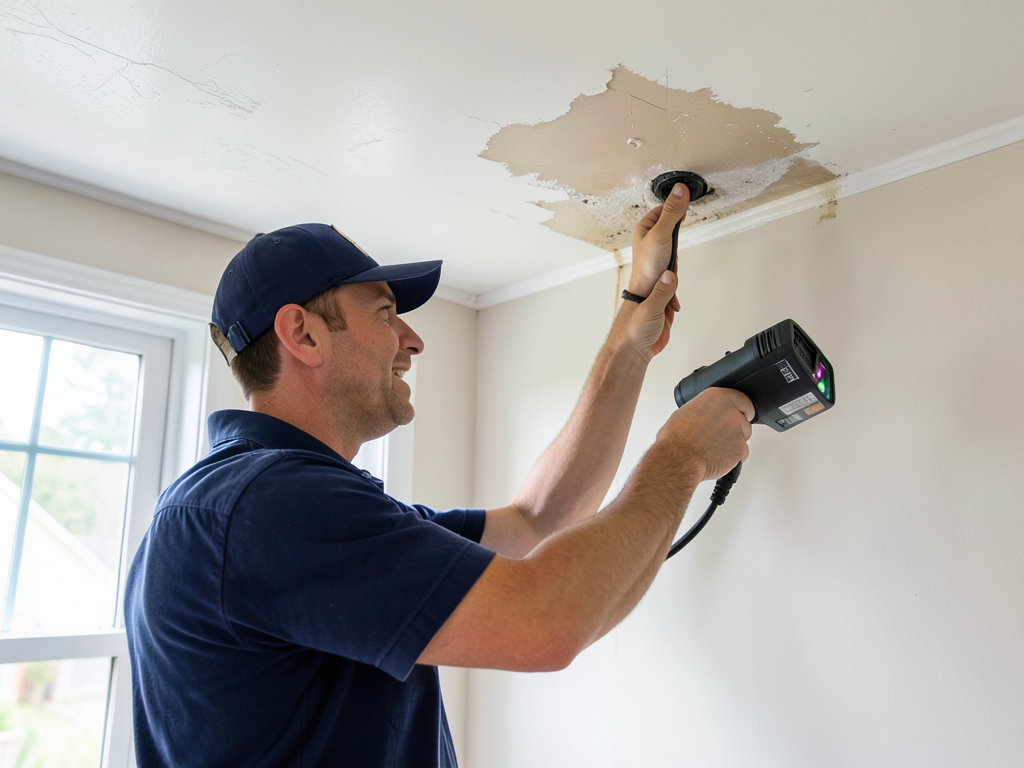
Attic flood restoration is not about throwing a fan in the attic and hoping for the best. Water migrates through insulation, soaks into wood framing, and pools in low spots you cannot see from the attic access hatch. We use thermal imaging cameras to identify hidden moisture pockets in rafters, sheathing, and around chimney chases. This technology shows exactly where water has traveled and what materials need extraction or removal.

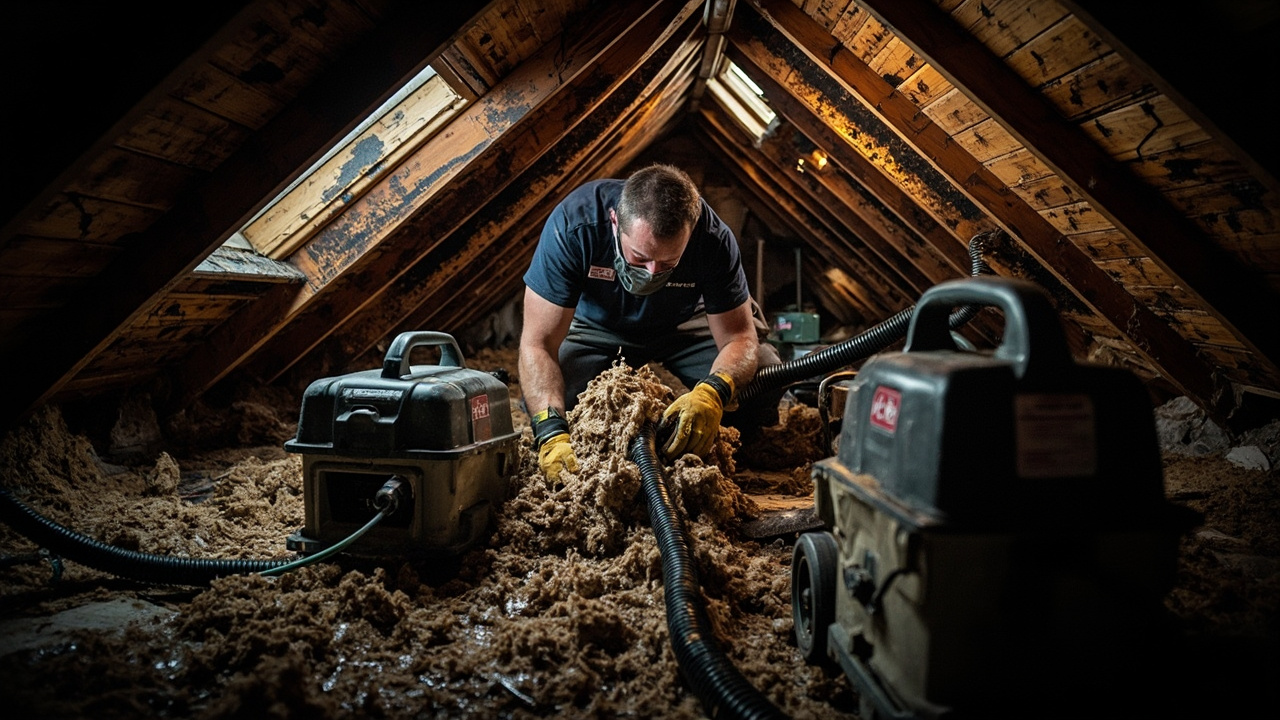
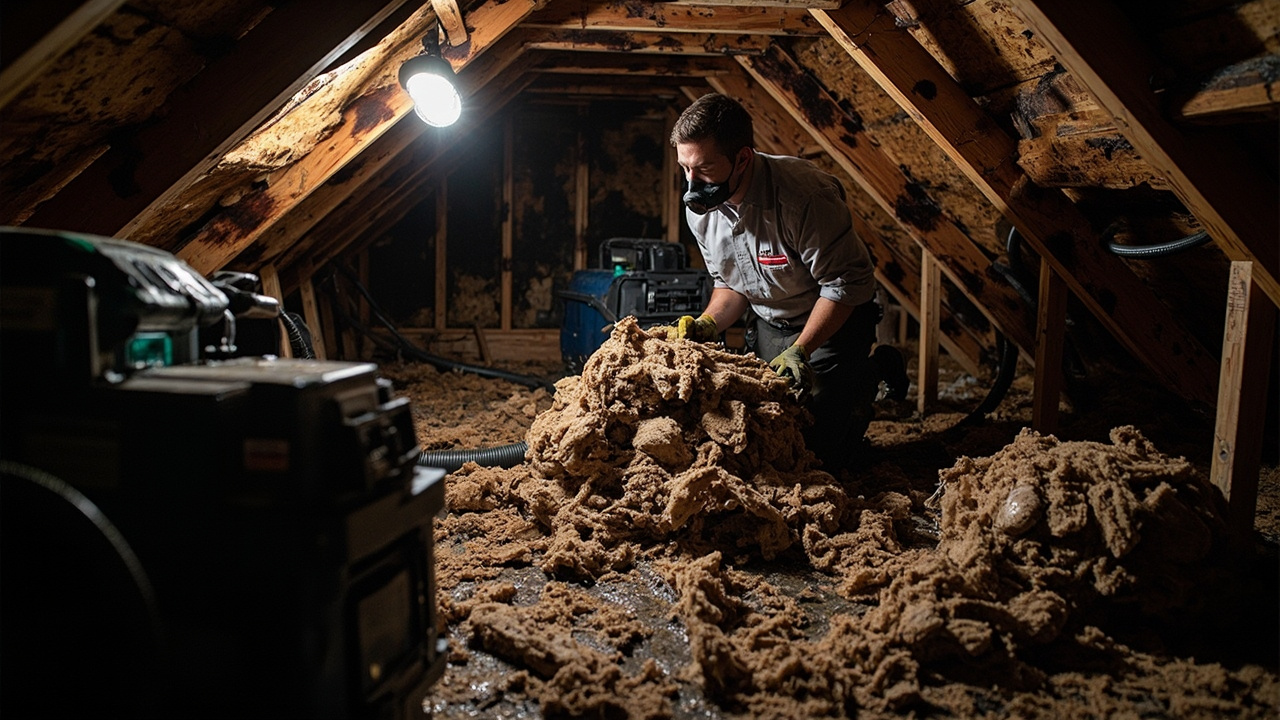
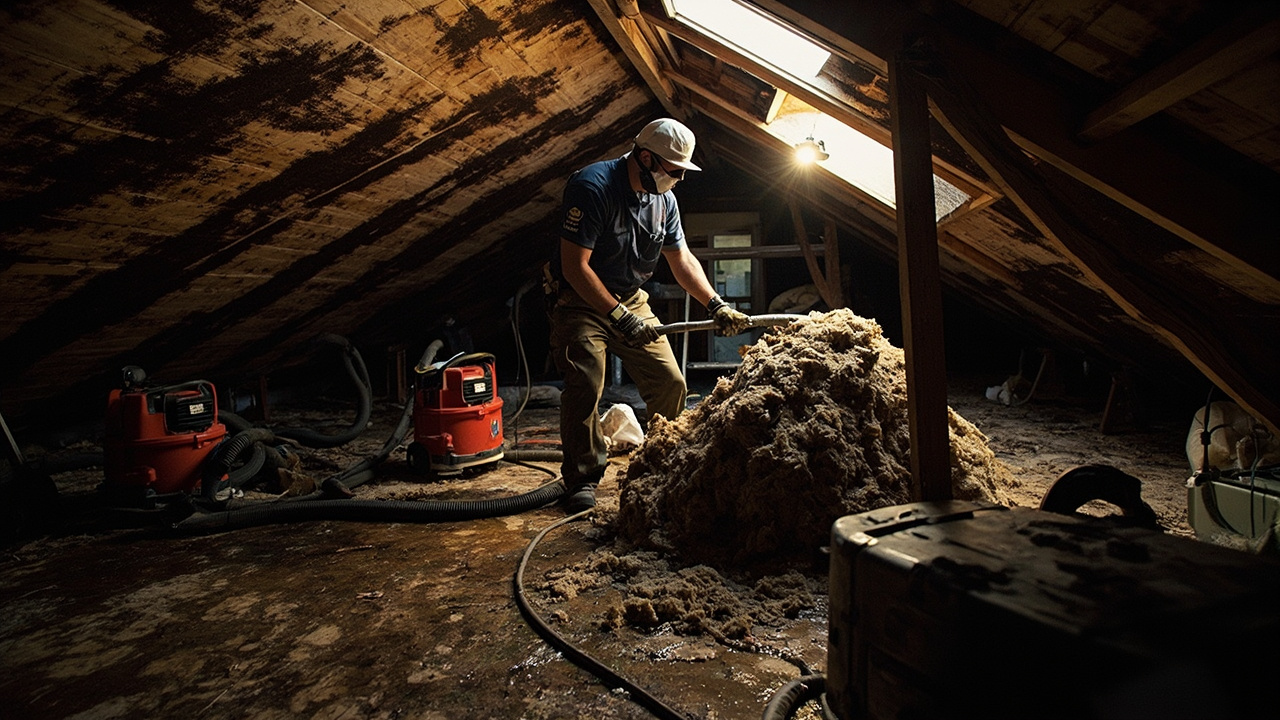
Our attic water removal services start with source control. If the leak is active, we tarp the roof or perform emergency flashing repairs to stop new water from entering. Then we remove soaked insulation. Wet cellulose or fiberglass insulation cannot be saved. It holds moisture against wood framing and creates the perfect environment for mold amplification. We bag and remove all compromised insulation to expose the structure underneath.

Next comes extraction and drying. We deploy truck-mounted extractors to pull standing water from attic floors and low-slope roof sections. Then we position commercial air movers and low-grain refrigerant dehumidifiers to create negative pressure and force moisture out of structural components. We monitor wood moisture content with pin-type meters, targeting readings below 15 percent before we stop drying equipment.

Ace Water Damage Restoration Cincinnati uses containment barriers when necessary to prevent cross-contamination. If your attic water damage involves Category 2 or Category 3 water, we seal the attic from living spaces below and establish negative air pressure with HEPA-filtered air scrubbers. This protects your family while we perform attic water damage cleanup. We also coordinate with roofers and HVAC contractors to address the root cause, so you do not face repeat flooding after we finish the restoration work.

What Happens During Your Attic Water Damage Cleanup

Attic Water Damage Cleanup in Cincinnati – Expert Restoration Before Mold Takes Hold
01

Emergency Assessment and Containment

We arrive on-site within hours to assess the extent of water intrusion and active leak sources. Our technicians use moisture meters and thermal imaging to map affected areas, document damage for insurance claims, and establish containment barriers if contamination risk exists. We stop the water source immediately, whether that means emergency tarping, shutting off supply lines, or coordinating with roofers for temporary flashing repairs.
02

Water Extraction and Material Removal

We extract standing water using truck-mounted vacuums and remove all wet insulation that cannot be salvaged. Soaked cellulose, fiberglass, or spray foam insulation gets bagged and hauled off-site. We inspect ceiling joists, rafters, and sheathing for structural integrity and mark any components that require replacement. This phase clears the attic so drying equipment can access all affected surfaces and structural members.
03

Structural Drying and Verification

We deploy commercial dehumidifiers and air movers to dry wood framing, sheathing, and any remaining building materials. Drying typically takes three to five days depending on the volume of water and attic ventilation. We monitor moisture levels daily and document progress with moisture meter readings. Once structural components reach safe moisture content below 15 percent, we remove equipment and provide a completion report showing your attic is ready for re-insulation and final repairs.

Why Cincinnati Homeowners Choose Local Attic Water Damage Experts

Cincinnati homes present unique challenges that out-of-town restoration companies do not understand. Many neighborhoods like Mount Adams and Clifton have century-old homes with original framing, minimal attic access, and ventilation systems that do not meet modern building codes. These homes require restoration technicians who know how to work in tight spaces without damaging historic plaster or compromising structural elements that cannot be replaced.

We also understand Cincinnati's insurance landscape. Local adjusters know our work and trust our documentation. When we submit a scope of loss for attic water damage repair, it includes detailed moisture readings, photo documentation of all affected materials, and clear explanations of why certain components need replacement versus drying-in-place. This level of documentation speeds up claims processing and reduces the chance of coverage disputes.

Ace Water Damage Restoration Cincinnati maintains relationships with local roofers, HVAC contractors, and building inspectors. When your attic water damage involves a failed roof penetration or disconnected condensate line, we coordinate directly with the trades who need to fix the root cause. You get one point of contact instead of managing three separate contractors. We also know which materials are available locally and can source replacement insulation, sheathing, or framing lumber without waiting for special orders.

Our technicians live in the Cincinnati metro and respond from nearby locations. When you call us for emergency attic flood restoration, we are not dispatching a crew from Columbus or Lexington. We arrive faster, we know the quickest routes to your neighborhood, and we understand the local building department requirements if your damage requires permits for structural repairs. You also get follow-up service from the same crew that handled your initial attic water damage cleanup, which means continuity and accountability throughout the entire restoration process.

What to Expect During Your Attic Water Damage Restoration

Response Time and Availability

We dispatch crews within two hours of your call, 24 hours a day, seven days a week. Attic water damage does not wait for business hours, and neither do we. Our trucks carry extraction equipment, moisture meters, containment materials, and drying equipment so we can start work immediately upon arrival. You do not wait days for an estimate while water continues damaging your home. We assess, document, and begin mitigation during the first visit. For active leaks during storms, we provide emergency tarping or temporary weatherproofing to stop additional water intrusion while we develop a full restoration plan.

Initial Inspection and Scope Development

Our inspection includes thermal imaging to identify hidden moisture in roof sheathing, rafters, and insulation. We check for active leaks, measure moisture content in all structural components, and assess contamination risk based on water source. You receive a written scope that details every affected material, the proposed drying strategy, and estimated timeline. We also photograph all damage for your insurance claim and explain what your policy typically covers. If your attic water damage involves Category 2 or Category 3 water, we outline containment and disposal procedures required by IICRC standards before starting work.

Final Drying Standards and Verification

We do not consider attic water damage cleanup complete until moisture readings confirm structural components have returned to normal equilibrium levels. For wood framing, that means moisture content below 15 percent. For concrete or masonry, we target readings consistent with unaffected areas of your home. You receive daily progress updates during the drying phase and a final moisture map showing readings across all previously affected areas. This documentation proves your attic is safe for re-insulation and protects you if mold issues develop later due to incomplete drying by another contractor.

Post-Restoration Monitoring and Prevention

After completing attic water damage repair, we provide recommendations to prevent future incidents. This includes improving attic ventilation, installing condensate overflow switches on HVAC systems, or upgrading roof flashing around chimneys and plumbing vents. We also offer optional follow-up inspections 30 days after restoration to verify moisture levels remain stable and no new issues have developed. If you experience another water event within six months, we prioritize your service call and review our original work to determine if the new damage is related or a separate incident requiring additional mitigation.

Frequently Asked Questions

You Have Questions,
We Have Answers

How to fix water damage in an attic? +

Stop the water source first. Turn off the main water valve if a pipe burst, or tarp the roof if shingles blew off. Remove standing water with a wet vacuum or pumps. Pull out soaked insulation, drywall, and damaged materials immediately to prevent mold. Set up industrial fans and dehumidifiers to dry structural wood within 48 hours. Cincinnati's high humidity slows drying, so professional equipment matters. Inspect rafters and sheathing for rot or sagging. Treat mold with antimicrobial solutions. Replace insulation only after wood moisture levels drop below 15 percent. Do not skip structural inspection before rebuilding.

How much does it cost to clean up water damage? +

Water damage cleanup costs range widely based on severity, square footage, and water category. Minor attic leaks affecting small areas cost less than sewage backups or storm flooding. Extraction, drying, demolition, antimicrobial treatment, and disposal drive the price. Cincinnati homes with older plumbing or aging roofs face higher restoration costs due to hidden damage in framing. Insurance often covers sudden incidents like burst pipes but excludes neglect or gradual leaks. Get three estimates and ask for detailed line-item breakdowns. Avoid flat-rate quotes without a site inspection. Speed matters more than cost when mold starts growing.

What is the 7 and 7 rule for a finished attic? +

The 7 and 7 rule requires finished attics to have at least seven feet of ceiling height across a minimum of seven feet of width. This applies to habitable space under Cincinnati building codes. Sloped ceilings mean only the center portion counts toward livable square footage. You also need proper egress, ventilation, insulation, and stairway access to meet code. Finished attics without these features fail inspections and create safety hazards. Water damage complicates finished attics because insulation and drywall hide leaks longer. If your attic does not meet the 7 and 7 rule, it remains storage space, not living space.

How much does it cost to have an attic cleaned out? +

Attic cleanout costs depend on debris volume, accessibility, and disposal fees. Removing old insulation, stored items, and rodent waste costs less than extracting water-soaked materials. Cincinnati attics with mold contamination or asbestos insulation require licensed abatement, which increases costs. Tight access hatches or walk-up attics affect labor time. Companies charge by the truckload or cubic yard for disposal. Water-damaged cleanouts cost more because of antimicrobial treatment, protective equipment, and moisture testing. Get a written estimate after an onsite inspection. Do not hire anyone who quotes without seeing the attic first.

How much does it cost to repair water damage in the attic? +

Attic water damage repair costs vary based on structural impact, material replacement, and mold remediation needs. Replacing soaked insulation and drywall costs less than sistering damaged rafters or replacing roof sheathing. Cincinnati homes with older framing or balloon construction face higher costs because water travels farther through wall cavities. Insurance adjusters inspect before approving repairs, so document everything with photos. Repairs include drying, demolition, mold treatment, framing repair, insulation replacement, and finishing. Avoid contractors who skip moisture testing or rush reconstruction. Wet wood hidden behind new drywall will rot and grow mold within months.

Will homeowners insurance cover water damage from a roof leak? +

Homeowners insurance usually covers sudden roof leak damage from wind, hail, or fallen trees. Gradual leaks from worn shingles or poor maintenance get denied. Cincinnati policies vary, so read your declarations page for wind and hail coverage limits. Insurance covers water damage to ceilings, walls, and belongings but often excludes the roof repair itself unless storm damage caused it. Document the leak source with photos immediately. File claims within the notice period, usually 24 to 72 hours. Adjusters look for maintenance neglect, so keep roof inspection records and repair receipts.

Will insurance pay out for water damage? +

Insurance pays for water damage from covered perils like burst pipes, appliance malfunctions, or storm-related roof leaks. Flood damage from groundwater or sewer backups requires separate policies. Cincinnati basements and attics face different coverage rules. Standard policies exclude gradual damage, mold beyond initial cleanup, and neglect. Adjusters inspect to determine if the damage was sudden or preventable. File claims fast and document everything with photos and videos. Keep receipts for emergency mitigation like tarps or water extraction. Policies cap mold remediation at $5,000 to $10,000, so act within 48 hours to prevent spread.

Does homeowners insurance cover water remediation? +

Homeowners insurance covers water remediation for sudden, accidental damage from covered perils. Burst pipes, appliance leaks, and storm damage qualify. Policies pay for extraction, drying, and initial mold cleanup but exclude long-term mold from neglect. Cincinnati properties with older plumbing or roof systems face higher denial rates because adjusters scrutinize maintenance history. Flood damage requires separate flood insurance through FEMA. Sewer backups need endorsement riders. Read your policy's water damage exclusions carefully. Insurance pays actual cash value or replacement cost depending on your coverage. File claims immediately and mitigate further damage to avoid denial.

Can you fix water damage yourself? +

You can handle minor attic water damage if you act fast and know the risks. Small leaks from nail pops or condensation respond to DIY drying with fans and dehumidifiers. Remove wet insulation immediately and monitor moisture levels with a pin meter. Stop when you see mold, structural sagging, or smell sewage. Cincinnati's humidity makes complete drying difficult without commercial equipment. Insurance requires professional documentation for claims, so DIY work may cost you coverage. Hidden moisture in framing causes rot and mold months later. Most homeowners underestimate the scope and create bigger problems.

What happens if you finish an attic without a permit? +

Finishing an attic without a permit creates serious problems in Cincinnati. You face fines from the city, failed home inspections during sales, and denied insurance claims after fire or water damage. Unpermitted work often violates building codes for egress, ventilation, electrical, and structural load. Buyers walk away or demand price reductions when unpermitted space shows up in appraisals. Insurance adjusters deny claims involving unpermitted construction, leaving you personally liable. The city can force you to tear out unpermitted work and restore the attic to original condition. Always pull permits before converting attic space to living area.

How Cincinnati's Humidity and Freeze-Thaw Cycles Complicate Attic Water Damage

Cincinnati sits in a humid continental climate zone where summer dew points regularly exceed 65 degrees and winter temperatures swing above and below freezing multiple times per month. This creates two distinct threats for attic water damage. During summer, any water intrusion combines with high ambient humidity to accelerate mold growth and wood rot. Attics without proper ventilation trap moisture and create surface conditions where mold colonizes within 48 hours. During winter, ice dams form along roof edges when heat escaping through inadequate insulation melts snow on the roof surface. That meltwater refreezes at the eaves and forces water under shingles, directly into attic spaces. Many homes in Northside and Price Hill built before 1970 lack proper attic insulation and ventilation, making them especially vulnerable to both summer condensation issues and winter ice dam damage.

Local building codes in Cincinnati and Hamilton County require specific ventilation ratios and insulation R-values that impact how we approach attic water damage restoration. When we remove wet insulation, we coordinate with homeowners to upgrade to code-compliant materials during the rebuild phase. This often means increasing from R-19 to R-38 insulation and adding ridge vents or powered attic ventilators to meet current standards. We also understand how local insurance adjusters evaluate claims and what documentation they require to approve full replacement versus partial repairs. Our familiarity with Cincinnati-area adjusters and contractors means faster approvals and fewer disputes during the claims process, which gets your home back to normal without extended delays or out-of-pocket expenses you should not have to pay.

Water Damage Restoration Services in The Cincinnati Area

We are proud to serve the entire Cincinnati area, providing expert water damage restoration services wherever and whenever they are needed. We understand the unique challenges our local community faces and are committed to being there for our neighbors. View our service area on the map to see how we can assist you, or simply give us a call for immediate dispatch to your location.

Address:
Ace Water Damage Restoration Cincinnati, 1507 Dana Ave, Cincinnati, OH, 45207

Additional Services We Offer

Our news updates

Latest Articles & News from The Blogs

Finding the Source of a Slab Leak in Your Mack Home Slab leaks in Mack OH homes are more than…

Finding the Source of a Slab Leak in Your Mack Home

Finding the Source of a Slab Leak in Your Mack Home Slab leaks in Mack OH homes are more than…

What to Do When Your Water Heater Bursts in Madisonville

Emergency Water Heater Burst Cleanup in Madisonville, Cincinnati \n\n A water heater burst in Madisonville creates immediate flooding that can…

Salvaging Important Paper Documents and Photos After an Amberley Village Flood

Salvaging Important Paper Documents and Photos After an Amberley Village Flood When floodwaters rush through Amberley Village basements, the damage…

Contact Us

Every hour you wait increases the damage and the cost of repairs. Call Ace Water Damage Restoration Cincinnati now at (513) 717-2522 for emergency attic water damage cleanup. We dispatch crews within two hours and work directly with your insurance company to streamline the claims process.