




Menu

How Long Does Drying Take in Cincinnati? | Expert Timelines for Every Water Damage Scenario

Get accurate water restoration drying timelines for your Cincinnati property, from basement floods to burst pipes. We break down what actually affects structural drying duration so you know what to expect, when to worry, and how to speed up recovery without cutting corners.

Slider Image 1
Slider Image 2
Slider Image 3
Slider Image 4
Slider Image 5
Slider Image 7
Slider Image 8
Slider Image 9
Slider Image 10
Slider Image 11

Why Cincinnati Properties Take Longer to Dry Than You Think

You mop up the visible water, run a fan for two days, and assume the problem is solved. Then three weeks later, you smell mildew or notice warping baseboards. This happens constantly in Cincinnati homes because our climate actively works against you.

The Ohio River Valley traps humidity, especially from May through September when outdoor moisture levels hover between 70 and 85 percent. Your walls and floors absorb that ambient humidity even as they try to release water from the original damage. What should take three days in Arizona might take seven days here. The water restoration drying timeline stretches because evaporation slows to a crawl when the surrounding air is already saturated.

Older Cincinnati homes built before 1950 add another layer of complexity. Plaster walls, hardwood subfloors, and balloon framing create hidden cavities where water pools undetected. These voids extend structural drying duration because you cannot dry what you cannot see or reach. A basement flood in a Hyde Park Victorian requires a completely different approach than a slab-on-grade ranch in West Chester.

Water damage drying time also depends on the source. Clean water from a broken supply line might dry in 48 to 72 hours under ideal conditions. Gray water from a dishwasher overflow needs antimicrobial treatment that adds a day. Black water from a sewer backup requires removal of porous materials before drying even starts. Each scenario follows a different clock, and guessing wrong leads to hidden mold growth that becomes your real problem three months later.

Why Cincinnati Properties Take Longer to Dry Than You Think
The Science Behind Accurate Structural Drying Duration

The Science Behind Accurate Structural Drying Duration

Drying is not about time. It is about hitting specific moisture content thresholds that prevent microbial growth and material degradation. We measure this with penetrating moisture meters and thermal imaging cameras, not guesswork or calendars.

Your drywall should read below 15 percent moisture content before we call it dry. Hardwood flooring needs to drop below 12 percent. Concrete slabs in basements must hit under 4 percent on a calcium chloride test before you can replace carpet. These are not arbitrary numbers. They represent the upper limits where materials remain dimensionally stable and inhospitable to mold spores.

Air movement, dehumidification capacity, and temperature control determine how fast we reach those targets. We calculate the grain depression difference between your indoor air and outdoor air, then deploy the right mix of axial fans, low-grain refrigerant dehumidifiers, or desiccant units. In Cincinnati's humid climate, a standard portable dehumidifier from a hardware store removes maybe 30 pints per day. Our commercial desiccant units pull 200 pints per day at the same temperature and can operate effectively even in cold basements where refrigerant models stall out.

We also control airflow patterns using containment barriers. If your living room flooded but your kitchen stayed dry, we isolate the wet zone to prevent humid air from migrating into unaffected areas. This containment accelerates the drying process length in the damaged space while protecting the rest of your home from secondary moisture intrusion.

Temperature manipulation speeds evaporation. We raise indoor temps to 80 to 85 degrees when possible because warm air holds more moisture. As that air picks up water vapor, our dehumidifiers strip it out and exhaust it outside or into a drain. This cycle repeats thousands of times until your materials hit target moisture levels.

What Happens During Your Drying Project

How Long Does Drying Take in Cincinnati? | Expert Timelines for Every Water Damage Scenario
01

Initial Moisture Mapping

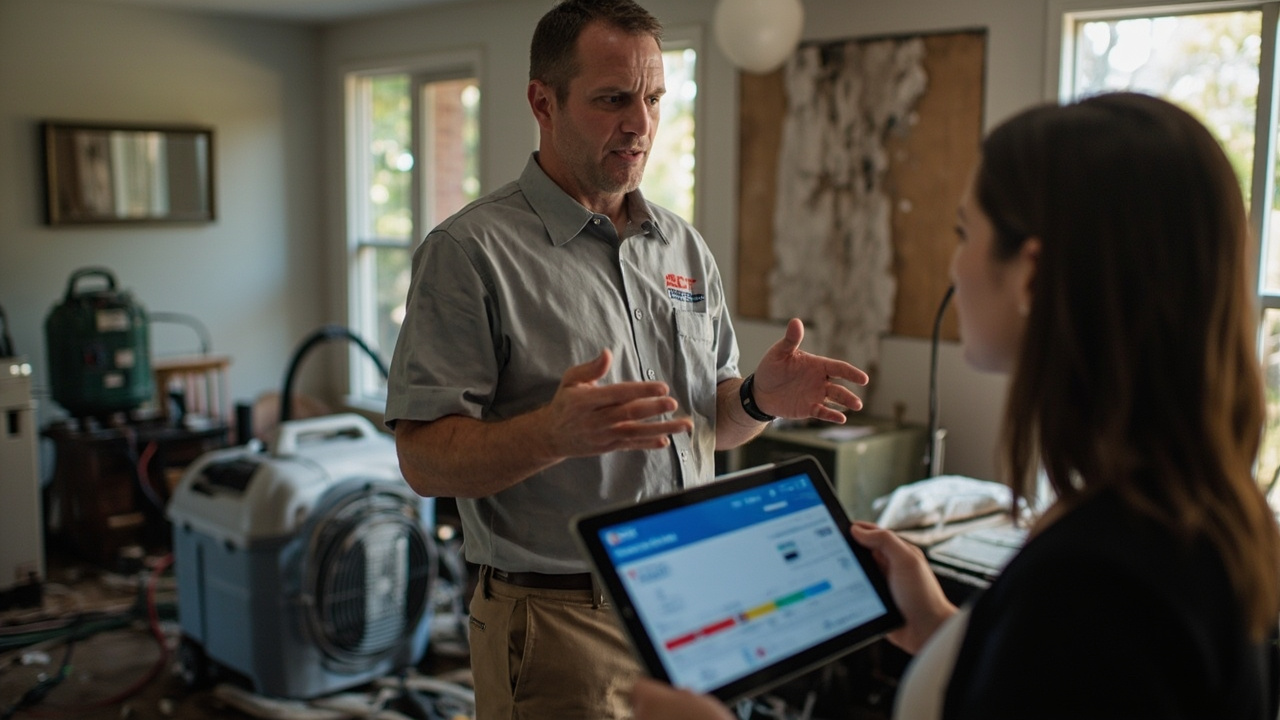
We document baseline moisture readings in every affected material using calibrated meters and infrared cameras. This creates a moisture map that shows exactly where water traveled, how deep it penetrated, and which materials need monitoring. We photograph and log every reading so you have documentation for insurance claims. This baseline also lets us track daily progress and adjust equipment placement as drying advances through different building materials at different rates.
02

Equipment Deployment and Monitoring

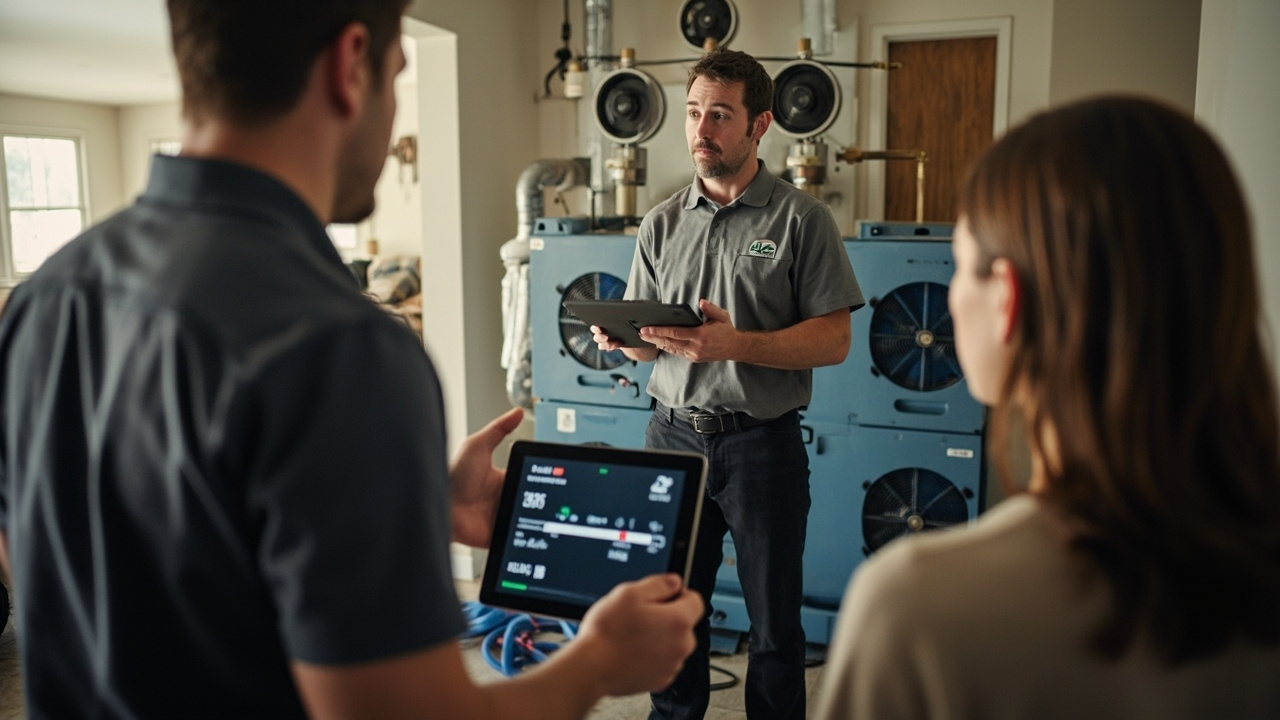
We position air movers to create continuous airflow across wet surfaces without blowing directly on vulnerable materials like plaster. Dehumidifiers get placed based on psychrometric calculations that account for room volume, outdoor conditions, and saturation levels. We return daily to take fresh moisture readings, empty condensate, and reposition equipment as wet zones shrink. If readings plateau or rise, we investigate hidden water sources or adjust our drying strategy immediately rather than waiting for problems to worsen.
03

Final Verification and Clearance

Drying is complete when three consecutive daily readings show all materials below target moisture content thresholds. We document final readings with photos and written reports. You get a certificate of drying completion that insurance companies accept and that protects you if a contractor later tries to blame pre-existing moisture for new problems. We walk you through the readings so you understand exactly what was achieved and why your property is safe to rebuild or reoccupy.

Why Cincinnati Homeowners Trust Local Expertise for Drying Projects

National franchises follow corporate protocols designed for average climates. Cincinnati is not average. Our spring storms dump three inches of rain in two hours. Our summer humidity makes basements sweat even without leaks. Our winter freeze-thaw cycles burst pipes in crawl spaces that stayed dry for decades.

Ace Water Damage Restoration Cincinnati has spent years learning how this region's climate interacts with local construction methods. We know that homes in Clifton and Mount Adams often have limestone foundation walls that wick moisture differently than poured concrete. We know that properties near the Little Miami River or Mill Creek face higher groundwater tables that complicate basement drying. We know which neighborhoods have combined sewer systems that backflow during heavy rain, and we adjust contamination protocols accordingly.

This local knowledge shortens your water damage drying time because we do not waste days experimenting with generic approaches. We have dried hundreds of Cape Cods in Oakley, ranch homes in Anderson Township, and brick colonials in Indian Hill. We know what works here.

We also understand local building codes and inspector expectations. Hamilton County requires specific moisture thresholds before you can close walls after a remediation project. We document everything to those standards from day one so your project does not stall during final inspection. Out-of-town crews learn these requirements on your dime. We already know them.

Our equipment inventory is sized for Cincinnati conditions. We stock cold-weather desiccant dehumidifiers for winter pipe bursts and high-capacity refrigerant units for summer storm flooding. We maintain backup generators because we know Duke Energy's grid goes down during severe weather exactly when you need power most. This preparation keeps your drying process length on schedule regardless of what nature throws at us during your project.

What to Expect During the Drying Process

Realistic Timelines for Different Scenarios

Minor water damage from a small supply line leak typically dries in two to four days if we start within 24 hours of the incident. Moderate damage like a washing machine overflow affecting multiple rooms takes four to seven days depending on flooring types and wall construction. Severe flooding from sewer backups or river water intrusion requires seven to fourteen days after we remove unsalvageable materials. These ranges assume optimal conditions. Cincinnati's humidity can add 20 to 30 percent to standard drying times, which is why daily monitoring matters more than following a predetermined schedule.

How We Assess Your Specific Situation

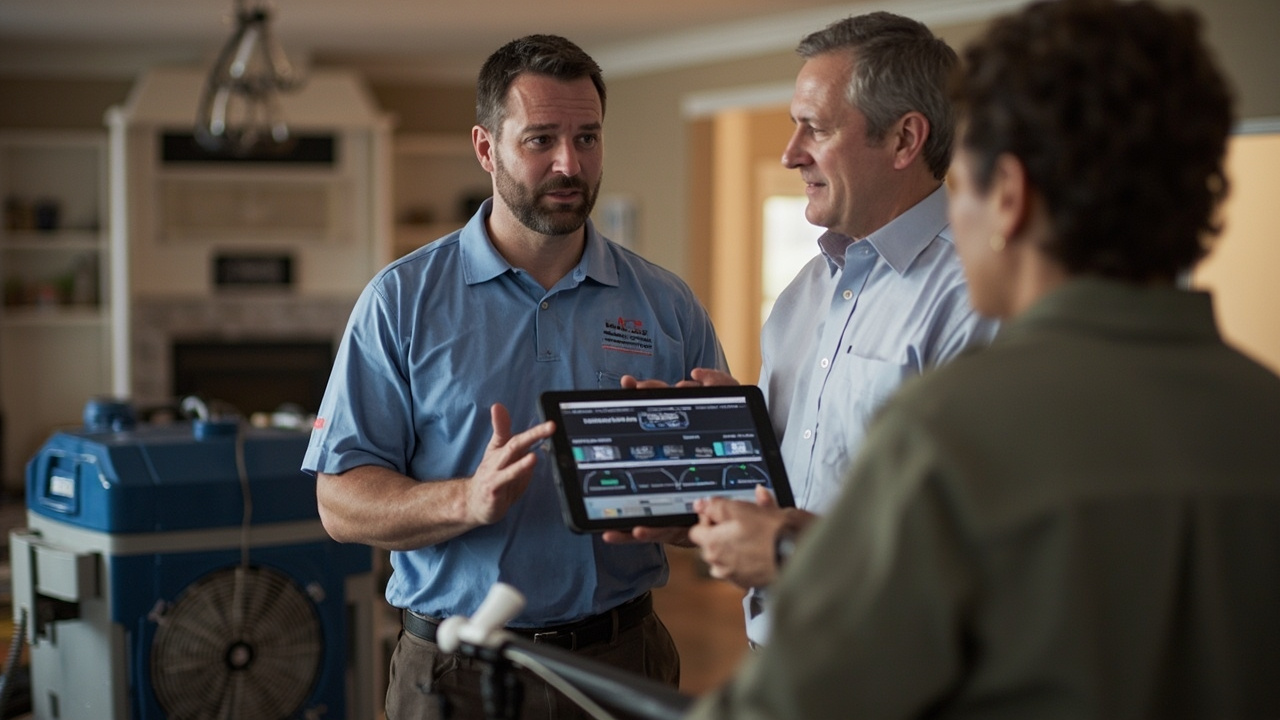
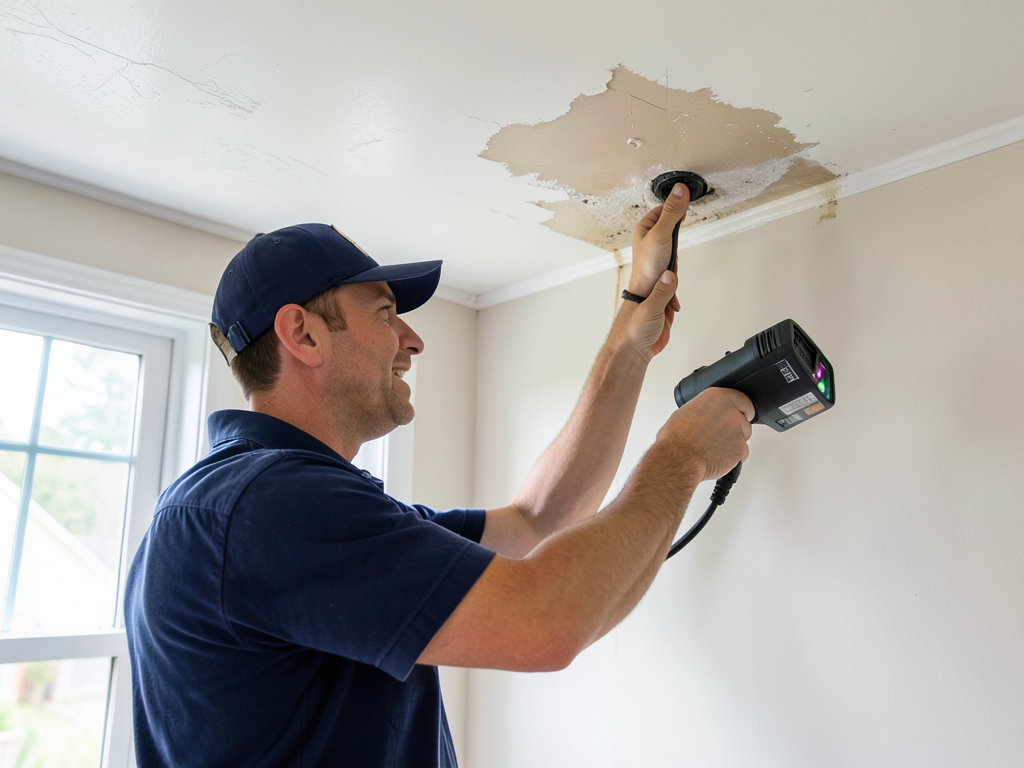
We arrive with moisture meters, thermal cameras, and hygrometers to measure exactly what happened in your property. You get a written assessment that identifies affected materials, contamination levels, and projected drying duration based on current conditions. We explain which factors are working in your favor and which ones will extend the timeline. If your home has vapor barriers, excellent ventilation, or modern HVAC systems, drying accelerates. If you have solid plaster walls, poor airflow, or ongoing humidity issues, we adjust expectations and equipment before starting work.

The Final Result You Can Trust

When we finish, your property will measure drier than it was before the water damage occurred. We do not just return materials to their pre-loss state. We often improve conditions by eliminating hidden moisture that was slowly degrading your home for years. You receive documented proof that every affected material meets industry standards for moisture content. This documentation matters if you sell your home later or if your insurance company questions the scope of work. Your property is verifiably dry according to IICRC S500 standards, not just dry enough to pass a visual inspection.

Post-Drying Monitoring and Support

We recommend a follow-up moisture check two weeks after equipment removal to confirm that readings remain stable. This catches rare situations where hidden water sources continue feeding moisture into dried areas. If you are rebuilding, we coordinate with your contractor to verify that moisture levels stay within acceptable ranges throughout construction. We also provide guidance on preventing future moisture problems specific to your property's vulnerabilities. This might include recommendations for improved ventilation, dehumidification systems, or drainage corrections that address the root causes rather than just treating symptoms.

Frequently Asked Questions

You Have Questions,
We Have Answers

How long does normal drying take? +

Drying time after water damage in Cincinnati depends on the affected materials and humidity levels. Hardwood floors take 3-5 days, while drywall and insulation require 5-7 days minimum. Basements with concrete often need 7-10 days due to Cincinnati's high humidity. Professional equipment speeds this up significantly. Air movers, dehumidifiers, and moisture meters ensure complete drying. Without proper equipment, moisture lingers and mold starts growing within 24-48 hours. Cincinnati's humid summers make natural drying nearly impossible. Professional restoration monitors moisture levels daily and adjusts equipment until readings hit safe thresholds below 15 percent.

Is 40 minutes enough for a dryer? +

After water extraction in Cincinnati properties, 40 minutes of drying equipment is never enough. Water migrates deep into wall cavities, subflooring, and insulation where you cannot see it. Surface drying happens quickly, but structural materials hold moisture for days. Professional dehumidifiers and air movers run continuously for 72 hours minimum in most cases. Cincinnati's humidity slows evaporation rates significantly compared to drier climates. Stopping equipment early traps moisture inside materials. This creates perfect conditions for mold growth and wood rot. Moisture meters verify when materials reach safe levels, not arbitrary timeframes.

Is it normal for a dryer to take 3 hours? +

If drying equipment runs for 3 hours after water damage in Cincinnati, you have barely started. Structural drying takes days, not hours. The first 3 hours removes standing water and surface moisture only. Deep moisture in drywall, insulation, and framing stays trapped without extended drying time. Cincinnati properties with finished basements often require 5-7 days of continuous equipment operation. Air movers and dehumidifiers work together to pull moisture from materials and remove it from the air. Humidity levels, temperature, and material density all affect total drying time. Professional monitoring ensures completion.

Is 30 minutes enough to dry clothes? +

Thirty minutes of air movement after water damage in Cincinnati accomplishes almost nothing. Water penetrates deep into building materials within minutes of exposure. Carpet padding absorbs gallons of water that take 3-4 days to extract fully. Drywall wicks moisture up from floors and holds it for 5-7 days. Cincinnati's average 70 percent humidity prevents rapid evaporation without mechanical dehumidification. Professional equipment must run continuously for days to achieve dry standards. Moisture readings below 15 percent indicate safe levels. Stopping equipment after 30 minutes guarantees mold growth and structural damage within 48 hours.

Can overloading a dryer cause damage? +

Overloading drying equipment or affected areas slows moisture removal dramatically in Cincinnati properties. Too many air movers in small spaces create turbulence without effective evaporation. Dehumidifiers sized incorrectly for space volume cannot process moisture fast enough. Packing wet contents together prevents airflow and traps moisture. Proper drying requires strategic equipment placement with clear airflow paths. Each air mover covers roughly 200 square feet effectively. Dehumidifier capacity must match cubic footage and moisture load. Cincinnati's humidity adds extra burden on equipment. Professional restoration calculates proper equipment density using psychrometric principles. Incorrect setup extends drying time and increases mold risk significantly.

Is it cheaper to air dry or use a dryer? +

Air drying after water damage in Cincinnati costs you far more than professional mechanical drying. Natural evaporation takes weeks in humid conditions, allowing mold to colonize materials within 48 hours. Mold remediation costs thousands more than proper drying equipment. Secondary damage to hardwood floors, cabinets, and framing compounds daily without dehumidification. Insurance may deny claims if you delay proper mitigation. Professional drying costs less upfront and prevents expensive repairs later. Cincinnati's humidity makes air drying ineffective from May through September. Equipment rental without expertise wastes money on improper setup. Professional restoration includes monitoring, adjustment, and verification for complete drying.

How to speed up a dryer? +

Speed up water damage drying in Cincinnati by calling professionals immediately with industrial equipment. Residential fans and box store dehumidifiers lack the power to dry structural materials effectively. Professional air movers move 2,000-3,000 cubic feet per minute compared to 100-200 for household fans. Commercial dehumidifiers remove 10-20 gallons daily versus 2-3 gallons for consumer units. Removing wet contents clears airflow paths. Opening wall cavities exposes hidden moisture. Raising indoor temperature to 75-80 degrees accelerates evaporation if safe. Cincinnati properties need equipment placed strategically based on moisture mapping and airflow science, not guesswork.

How long is too long in a dryer? +

Water damage drying in Cincinnati should continue until moisture meters confirm safe levels, not arbitrary hours. Most residential jobs take 3-7 days of continuous equipment operation. Complex situations with saturated insulation or concrete require 10-14 days. Stopping equipment too early traps residual moisture that causes mold and rot. Professional technicians take daily moisture readings in multiple locations. Drying ends when readings stabilize below 15 percent for wood materials and industry standards for other materials. Cincinnati's humidity means longer drying times during summer months. Patience prevents expensive callbacks for mold remediation or structural repairs from incomplete drying.

Does putting a towel in the dryer help? +

Throwing a dry towel in a clothes dryer helps absorb moisture temporarily. This principle does not apply to structural drying after water damage in Cincinnati. You cannot towel-dry saturated drywall or subflooring effectively. Water migrates deep into cavities where towels cannot reach. Professional air movers create evaporation at material surfaces while dehumidifiers capture moisture from the air. This continuous cycle removes water trapped inside walls and floors. Cincinnati properties need mechanical drying because ambient humidity prevents natural evaporation. Towels, fans, and open windows cannot generate the controlled conditions required for thorough structural drying and mold prevention.

Why are my clothes still wet after 2 hours in the dryer? +

If materials stay wet after 2 hours of drying in Cincinnati, you have not removed standing water first or equipment is insufficient. Water extraction must happen before drying begins. Professional truck-mounted extractors remove gallons of water from carpets and padding that air movers cannot handle alone. Hidden water in wall cavities or under flooring requires detection equipment. Cincinnati's humidity slows surface evaporation significantly. Undersized or improperly placed equipment cannot process moisture load effectively. Blocked airflow from furniture or closed doors prevents drying. Professional restoration uses moisture mapping, proper extraction, and calculated equipment placement for complete drying.

How Cincinnati's Ohio River Valley Humidity Extends Water Damage Drying Time

Cincinnati sits in a geographic bowl where the Ohio River and Little Miami River converge. This valley topography traps humid air masses, especially during summer months when dew points regularly hit 70 degrees or higher. When outdoor humidity reaches 80 percent, the air in your home cannot absorb much moisture from wet materials because it is already saturated. Evaporation slows dramatically. Your structural drying duration extends because physics will not let water vapor move from your wet drywall into already humid air. This is why the same flood that dries in four days in Denver takes seven days here. The water restoration drying timeline must account for environmental conditions that you cannot control but that absolutely affect outcomes.

Ace Water Damage Restoration Cincinnati understands these regional challenges because we work in this climate every single day. We do not import drying strategies from drier climates and hope they work. We calibrate our approach based on real-time humidity readings, outdoor conditions, and decades of experience drying Ohio River Valley properties. We know which neighborhoods flood during heavy rain, which construction types hold moisture longest, and which seasons require different equipment mixes. This local expertise means we set accurate expectations from day one, deploy the right tools immediately, and complete your project without the trial-and-error delays that plague contractors unfamiliar with Cincinnati's specific environmental challenges.
Water Damage Restoration Services in The Cincinnati Area

We are proud to serve the entire Cincinnati area, providing expert water damage restoration services wherever and whenever they are needed. We understand the unique challenges our local community faces and are committed to being there for our neighbors. View our service area on the map to see how we can assist you, or simply give us a call for immediate dispatch to your location.

Address:
Ace Water Damage Restoration Cincinnati, 1507 Dana Ave, Cincinnati, OH, 45207

Additional Services We Offer

Our news updates

Latest Articles & News from The Blogs

Finding the Source of a Slab Leak in Your Mack Home Slab leaks in Mack OH homes are more than…

Finding the Source of a Slab Leak in Your Mack Home

Finding the Source of a Slab Leak in Your Mack Home Slab leaks in Mack OH homes are more than…

What to Do When Your Water Heater Bursts in Madisonville

Emergency Water Heater Burst Cleanup in Madisonville, Cincinnati \n\n A water heater burst in Madisonville creates immediate flooding that can…

Salvaging Important Paper Documents and Photos After an Amberley Village Flood

Salvaging Important Paper Documents and Photos After an Amberley Village Flood When floodwaters rush through Amberley Village basements, the damage…

Contact Us

Stop guessing when your home will be safe again. Call Ace Water Damage Restoration Cincinnati at (513) 717-2522 for a professional moisture assessment. We provide written timelines based on actual conditions in your property, not generic estimates. Available 24/7 for emergencies throughout greater Cincinnati.