




Menu

Efflorescence on Concrete in Cincinnati – Expert Diagnosis and Permanent Moisture Control Solutions

Ace Water Damage Restoration Cincinnati identifies the source of white powder on concrete, stops ongoing moisture intrusion, and prevents recurring crystalline deposits with targeted remediation strategies.

Slider Image 1
Slider Image 2
Slider Image 3
Slider Image 4
Slider Image 5
Slider Image 7
Slider Image 8
Slider Image 9
Slider Image 10
Slider Image 11

Why White Powder Keeps Appearing on Your Cincinnati Concrete

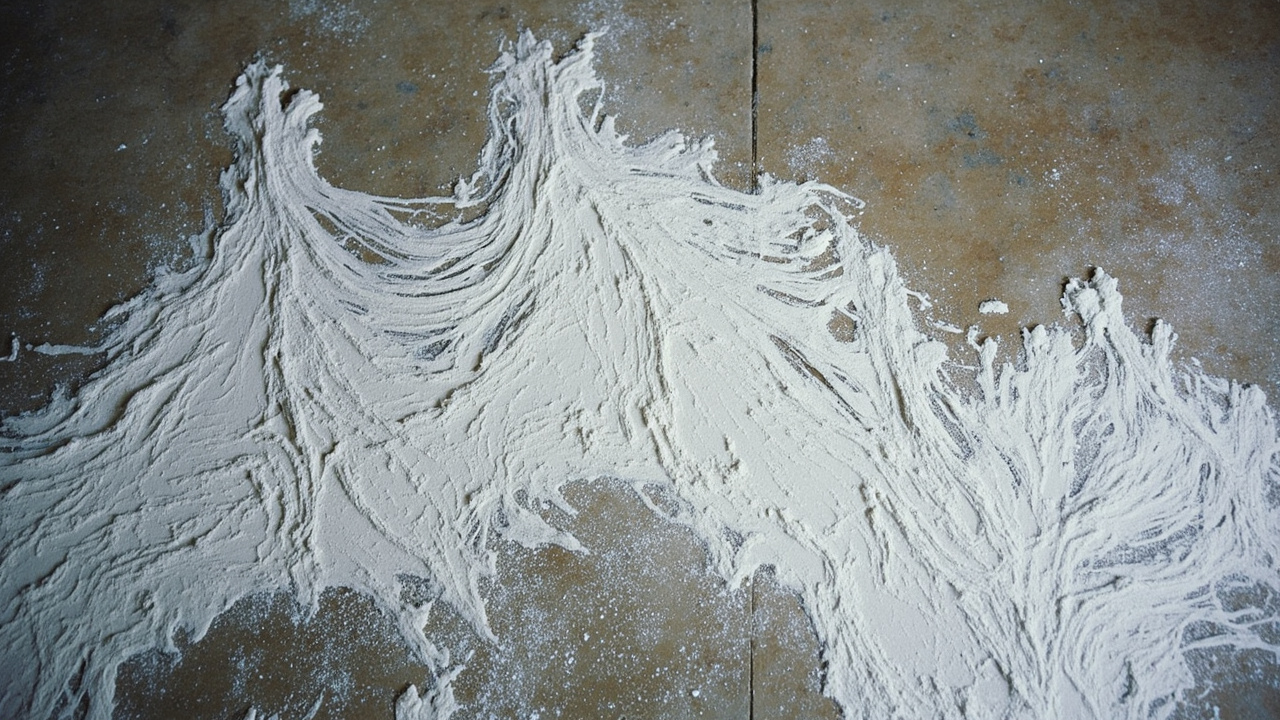
You notice white residue on concrete in your basement or garage. You scrub it off. Two weeks later, it returns. This cycle frustrates property owners across Cincinnati because the white powder on concrete is not dirt. It is efflorescence, a sign of active moisture movement through your concrete.

Cincinnati sits in a humid continental climate zone where relative humidity regularly exceeds 70 percent from May through September. Add in our clay-heavy soil composition, and you create perfect conditions for hydrostatic pressure to push groundwater through foundation walls and slab floors. When water migrates through concrete, it dissolves calcium hydroxide and other mineral salts embedded in the cement paste. As the water evaporates at the surface, those dissolved minerals crystallize into the white, chalky deposits you see.

Most homeowners mistake efflorescence for mold or mineral buildup from hard water. While Cincinnati municipal water does contain calcium and magnesium, the crystalline deposits on concrete forming on your walls or floors originate from within the concrete itself. The white powder is the symptom. The actual problem is moisture intrusion, and unless you address the water source, the concrete salt deposits will return indefinitely.

Efflorescence also signals potential structural risk. Prolonged moisture exposure degrades concrete, corrodes rebar, and creates conditions for mold growth in adjacent framing. Properties in flood-prone areas near the Ohio River or Mill Creek face elevated risk, especially older structures built before modern waterproofing standards.

Why White Powder Keeps Appearing on Your Cincinnati Concrete
How We Stop the Moisture Behind Efflorescence

How We Stop the Moisture Behind Efflorescence

Ace Water Damage Restoration Cincinnati does not clean efflorescence and call it solved. We trace the moisture pathway, identify the intrusion point, and eliminate the water source. Our approach combines diagnostic precision with structural water management.

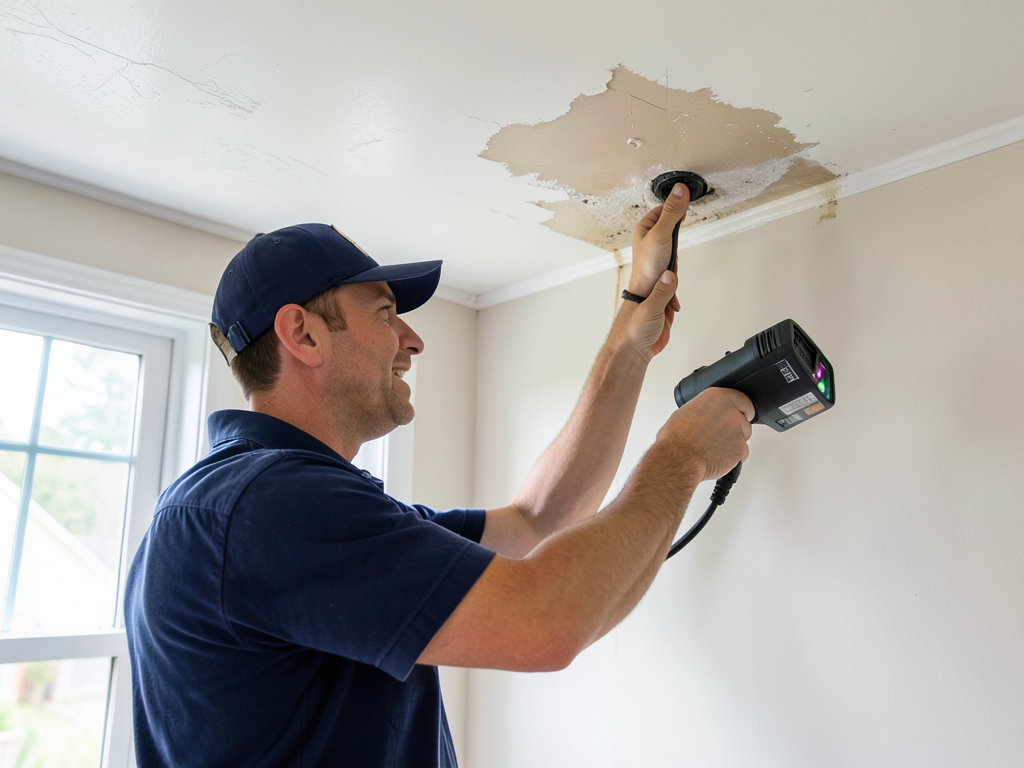
We start with moisture mapping using non-invasive sensors and infrared thermal imaging to detect hidden water movement behind walls and beneath slabs. These tools reveal elevated moisture content that explains why mineral salts on concrete keep reappearing in specific zones. We then inspect exterior grading, downspout discharge points, foundation cracks, and perimeter drainage systems to determine whether surface water, groundwater, or capillary action is driving the intrusion.

Once we pinpoint the source, we deploy targeted interventions. Exterior solutions include regrading soil slopes to direct runoff away from foundations, extending downspouts beyond the drip line, and installing or repairing footing drains. Interior solutions involve applying crystalline waterproofing compounds that penetrate concrete pores and form insoluble barriers, sealing active cracks with polyurethane or epoxy injection, and installing vapor barriers on walls and floors to block capillary moisture.

For properties with chronic hydrostatic pressure, we recommend sump pump systems or interior perimeter drainage channels that intercept groundwater before it reaches the slab. In cases where efflorescence coincides with high indoor humidity, we integrate dehumidification systems to maintain relative humidity below 60 percent, reducing condensation on cool concrete surfaces.

We document baseline moisture readings and provide post-remediation verification to confirm the efflorescence will not return. This data-driven methodology separates cosmetic fixes from permanent water control.

What Happens During an Efflorescence Assessment

Efflorescence on Concrete in Cincinnati – Expert Diagnosis and Permanent Moisture Control Solutions
01

Moisture Source Identification

We inspect your property inside and out to locate where water enters the concrete. Using infrared cameras and moisture meters, we trace hidden water pathways through walls, slabs, and joints. We evaluate exterior grading, gutter function, and foundation drainage to determine whether surface runoff, groundwater seepage, or interior condensation drives the efflorescence. This diagnostic phase reveals the root cause, not just the visible symptom.
02

Remediation Strategy Development

Based on moisture data and structural conditions, we design a remediation plan tailored to your property. This may include crack sealing, exterior drainage improvements, crystalline waterproofing application, or installation of vapor barriers. We prioritize solutions that address the specific water source identified during inspection. You receive a detailed scope outlining materials, methods, and expected outcomes before any work begins.
03

Implementation and Verification

We execute the remediation plan, whether that involves exterior excavation, interior membrane installation, or crack injection. After completion, we take follow-up moisture readings to confirm water intrusion has stopped. We document the reduction in moisture levels and provide you with before-and-after data. This verification ensures the efflorescence source has been eliminated and gives you confidence the white powder will not return.

Why Cincinnati Property Owners Choose Local Efflorescence Experts

Efflorescence in Cincinnati is not the same problem as efflorescence in Phoenix or Denver. Our local geology, climate, and construction history create specific challenges that require local expertise.

Cincinnati sits on Ordovician shale and limestone bedrock overlaid with glacial till and clay soils. This clay composition has low permeability, meaning water does not drain quickly through the soil. Instead, it accumulates around foundations and generates hydrostatic pressure that forces moisture through concrete pores. Properties built before 1980 often lack adequate footing drains or exterior waterproofing membranes, making them especially vulnerable to efflorescence and related moisture damage.

Our proximity to the Ohio River and Mill Creek also influences groundwater tables. Properties in East End, Lower Price Hill, and Riverside neighborhoods face seasonal water table fluctuations that increase hydrostatic pressure during spring and late fall. We understand these micro-climates and adjust our remediation strategies accordingly.

Ace Water Damage Restoration Cincinnati has worked on hundreds of properties across Hamilton County. We know which foundation contractors in the area perform quality work, which building inspectors enforce specific waterproofing codes, and which neighborhoods have recurring drainage problems due to outdated municipal storm sewer systems. This local knowledge translates into faster diagnosis, accurate solutions, and realistic expectations.

We also recognize Cincinnati's mix of housing stock. Whether you own a century-old brick home in Over-the-Rhine, a mid-century ranch in Finneytown, or a newer build in Anderson Township, we tailor our approach to the construction type, foundation design, and age-specific vulnerabilities. National franchises lack this granular understanding and often apply generic solutions that fail in our local conditions.

What to Expect When You Contact Us

Rapid Response and Scheduling

We schedule inspections within 24 to 48 hours of your call. Efflorescence indicates active moisture intrusion, and delays allow that water to continue degrading your concrete and increasing the risk of secondary damage like mold growth or wood rot. Our technicians arrive on time with the diagnostic equipment needed to assess your property during the first visit. We respect your schedule and provide clear communication about arrival windows and inspection duration. Most initial assessments take 60 to 90 minutes, depending on property size and the extent of visible efflorescence.

Comprehensive Moisture Inspection

During the inspection, we perform a room-by-room moisture survey using calibrated meters that measure moisture content in concrete, drywall, and framing. We use infrared thermal imaging to detect temperature differentials that indicate hidden water intrusion behind finished walls or beneath flooring. We inspect exterior conditions including grading slopes, downspout placement, window well drainage, and foundation cracks. We photograph affected areas and document moisture readings so you have a clear record of the problem. This data drives our remediation recommendations and provides a baseline for post-repair verification.

Permanent Moisture Control

Our goal is to eliminate efflorescence permanently, not temporarily mask it. After remediation, you should not see white powder reappear on the same surfaces. We achieve this by addressing the water source, not the mineral deposit itself. Whether that requires exterior drainage work, crack sealing, or interior waterproofing membranes, we use materials rated for below-grade moisture exposure and compatible with Cincinnati soil conditions. We provide written documentation of the work performed and explain how the solution prevents future water intrusion. You get a clear understanding of what was done and why it works.

Post-Remediation Monitoring Guidance

After remediation, we provide guidance on how to monitor your property for signs of recurring moisture. This includes checking for new efflorescence, using a simple handheld moisture meter on concrete surfaces, and inspecting exterior drainage systems after heavy rain. We also recommend scheduling a follow-up inspection 90 days post-remediation to verify moisture levels remain within acceptable ranges. If efflorescence reappears within the first year after remediation, we investigate at no charge to determine if the original water source was fully addressed or if a new intrusion point has developed. This commitment ensures you get lasting results.

Frequently Asked Questions

You Have Questions,
We Have Answers

Is efflorescence on concrete a problem? +

Efflorescence itself does not damage concrete. It is a cosmetic issue caused by water-soluble salts migrating to the surface. However, the white crusty deposits signal an underlying moisture problem. In Cincinnati, where freeze-thaw cycles and high humidity are common, repeated water intrusion weakens concrete over time. The salts come from the concrete, soil, or groundwater. If you see efflorescence on basement walls or garage floors, the real problem is moisture moving through your concrete. Fix the water source first. Ignoring it leads to cracking, spalling, or structural damage.

How do you fix efflorescence on concrete? +

You fix efflorescence by addressing the moisture source and cleaning the surface. Start by identifying where water enters the concrete. Common culprits in Cincinnati include poor grading, failed gutters, or high water tables in low-lying neighborhoods. Redirect water away from the foundation. Once dry, scrub the efflorescence with a stiff brush and water. For stubborn deposits, use a diluted vinegar solution or a masonry cleaner. Rinse thoroughly. Do not seal the concrete until the moisture problem is fixed. Sealing traps water inside and makes things worse.

Should efflorescence be removed? +

Yes, remove efflorescence for two reasons. First, it looks bad. Second, heavy deposits can interfere with paint, sealers, or coatings. If you plan to finish your basement or apply a waterproofing membrane, clean the surface first. Efflorescence also indicates active moisture movement. Removing it does not fix the problem, but it lets you monitor if new deposits appear. In Cincinnati basements, recurring efflorescence after cleaning means you still have a water intrusion issue. Track it. If it keeps coming back, you need professional drainage correction or foundation waterproofing.

Can you seal concrete over efflorescence? +

No. Sealing concrete over efflorescence traps moisture inside and accelerates damage. The white deposits mean water is still moving through the slab or wall. If you seal before fixing the moisture source, pressure builds behind the sealer. This causes peeling, blistering, or spalling. In Cincinnati, where clay soils retain water and push against foundations, sealing too early is a common mistake. Remove the efflorescence first. Identify and fix the water source. Let the concrete dry completely. Only then can you apply a sealer. Test for dryness with a moisture meter.

How do professionals remove efflorescence? +

Professionals remove efflorescence with mechanical cleaning and chemical treatments. We start by dry brushing the surface with stiff bristles to remove loose salt crystals. For embedded deposits, we use a pH-neutral masonry cleaner or a mild acid solution. We apply the cleaner, scrub with a nylon brush, and rinse thoroughly. Pressure washing works for exterior concrete in Cincinnati driveways or patios. After cleaning, we inspect for cracks, spalling, or other moisture damage. We also trace the water source using moisture meters and thermal imaging. Cleaning is just step one. Fixing the water problem is the real work.

Should I worry about efflorescence? +

Worry about the moisture, not the efflorescence. The white crust is harmless, but it signals water moving through your concrete. In Cincinnati, where basements sit below the water table and clay soils expand, chronic moisture leads to foundation cracks, mold, and structural instability. If you see efflorescence once after a heavy rain, monitor it. If it returns every spring or spreads across basement walls, you have a drainage problem. Do not ignore it. Water damage compounds over time. Address grading, gutters, and interior drainage before the issue escalates.

Does efflorescence indicate water damage? +

Yes. Efflorescence is a direct indicator of water intrusion. The salts only reach the surface when moisture moves through the concrete and evaporates. In Cincinnati homes, efflorescence on basement walls often signals poor exterior drainage, hydrostatic pressure from saturated clay soils, or failed perimeter drains. It can also mean your concrete is wicking groundwater. Efflorescence does not tell you how serious the damage is, but it confirms water is active. If you see it paired with damp spots, musty odors, or cracking, you likely have foundation leaks that need professional waterproofing.

How do I stop efflorescence from returning? +

Stop efflorescence by eliminating the moisture source. Start outside. Regrade your yard so water slopes away from the foundation. Clean gutters and extend downspouts at least six feet from the house. In Cincinnati, where clay soils hold water, poor grading is the number one cause. Inside, run a dehumidifier to reduce basement humidity. Seal cracks in the foundation. For severe cases, install a perimeter drain or interior French drain system. Once the concrete stays dry, efflorescence stops forming. If it returns after fixes, the water source is still active. Investigate further.

What is the best efflorescence remover? +

The best remover depends on the severity. For light efflorescence, water and a stiff brush work. For moderate deposits, use white vinegar diluted 1:1 with water. Scrub and rinse. For heavy buildup on driveways or patios in Cincinnati, use a commercial masonry cleaner with diluted muriatic acid. Follow label instructions and wear gloves and goggles. Apply the cleaner, scrub with a nylon brush, and rinse thoroughly. Avoid harsh acids on interior basement walls unless you neutralize and ventilate properly. Always test a small area first to avoid etching the concrete.

Does Drylok stop efflorescence? +

Drylok does not stop efflorescence. It is a masonry waterproofer designed to block water from penetrating concrete walls. If you apply Drylok over active efflorescence, moisture trapped behind the coating will cause it to peel or blister. Drylok works best when the concrete is clean, dry, and free of salts. In Cincinnati basements, use Drylok after you fix exterior drainage and remove all efflorescence. It can reduce minor seepage, but it will not stop hydrostatic pressure or chronic leaks. Fix the water source first. Paint is not a drainage solution.

How Cincinnati's Clay Soil Drives Efflorescence on Basement Walls

Cincinnati sits on dense glacial clay deposited during the Wisconsin glaciation period. This clay has extremely low permeability, meaning water does not drain through it quickly. When rain falls or snow melts, water accumulates in the clay layer surrounding your foundation. This creates hydrostatic pressure that forces water through concrete pores, cracks, and cold joints. As that water evaporates on the interior side, it leaves behind the white mineral salts that form efflorescence. Properties in areas with heavy clay soils, such as Clifton, Northside, and Mount Airy, experience higher rates of basement efflorescence compared to neighborhoods with sandier, better-draining soils.

Local building codes have evolved significantly over the past 40 years, but many Cincinnati homes predate modern waterproofing requirements. If your home was built before 1980, it likely lacks exterior foundation waterproofing membranes or proper footing drains. Ace Water Damage Restoration Cincinnati understands the construction methods used during different eras of local development and can quickly identify which waterproofing deficiencies your property likely has. We work regularly with local building inspectors and follow Hamilton County building code requirements when permits are necessary for foundation work. This local compliance knowledge ensures your remediation meets code and protects your property value.

Water Damage Restoration Services in The Cincinnati Area

We are proud to serve the entire Cincinnati area, providing expert water damage restoration services wherever and whenever they are needed. We understand the unique challenges our local community faces and are committed to being there for our neighbors. View our service area on the map to see how we can assist you, or simply give us a call for immediate dispatch to your location.

Address:
Ace Water Damage Restoration Cincinnati, 1507 Dana Ave, Cincinnati, OH, 45207

Additional Services We Offer

Our news updates

Latest Articles & News from The Blogs

Finding the Source of a Slab Leak in Your Mack Home Slab leaks in Mack OH homes are more than…

Finding the Source of a Slab Leak in Your Mack Home

Finding the Source of a Slab Leak in Your Mack Home Slab leaks in Mack OH homes are more than…

What to Do When Your Water Heater Bursts in Madisonville

Emergency Water Heater Burst Cleanup in Madisonville, Cincinnati \n\n A water heater burst in Madisonville creates immediate flooding that can…

Salvaging Important Paper Documents and Photos After an Amberley Village Flood

Salvaging Important Paper Documents and Photos After an Amberley Village Flood When floodwaters rush through Amberley Village basements, the damage…

Contact Us

Call Ace Water Damage Restoration Cincinnati at (513) 717-2522 for an efflorescence inspection and moisture assessment. We identify the water source, eliminate the intrusion, and prevent the white powder from coming back. Available for residential and commercial properties throughout Hamilton County.