




Norwood sits in the Mill Creek watershed where clay-heavy soils drain poorly and seasonal storms hit hard. When heavy rains saturate the ground, basement seepage becomes inevitable in older homes throughout Pleasant Ridge and Quatman. The city's aging infrastructure means pipe failures happen without warning, especially during freeze-thaw cycles that crack supply lines in crawl spaces.
Most Norwood properties were built between 1920 and 1960 with pier and beam foundations that create hidden moisture pockets. Water migrates through floor joists and wall cavities where you can't see it accumulating. Within 24 hours, moisture content rises enough to trigger mold colonization. Within 48 hours, structural wood begins swelling and warping. Within 72 hours, you're facing a remediation project instead of a cleanup job.
The Mill Creek flood plain affects properties near Williams Avenue and sections of Montgomery Road. Even properties outside the floodplain face water intrusion from overwhelmed storm sewers during the heavy spring rains that dump 4-5 inches in a single day. Your sump pump works overtime, and when it fails, your basement fills fast. Norwood's relatively flat topography means water has nowhere to go but into the lowest available space, which is usually your foundation.
We've extracted water from hundreds of Norwood basements, dried out flooded commercial spaces along Montgomery Road, and restored properties after sewage backups and pipe failures. Our reputation in this community comes from showing up when we say we will and finishing the job completely, not partially.
Most restoration companies subcontract their work. We don't. Our technicians are direct employees who train on our equipment, follow our protocols, and answer to our quality standards. When you call us, you get our crew, not a referral to someone we've never supervised. This matters when water is actively spreading through your property and you need people who know exactly what to do without waiting for instructions.
We carry truck-mounted extraction units that pull thousands of gallons per hour, not small shop-vacs that take all day to make progress. Our thermal imaging cameras map moisture behind walls and under floors so we dry everything, not just the visible puddles. We deploy commercial dehumidifiers and air movers that create the airflow patterns needed for complete structural drying, and we document moisture readings daily until your property hits acceptable levels.
Insurance companies know us. We've worked with every major carrier on Norwood claims, and we understand their documentation requirements. We photograph everything, measure moisture content at multiple stages, and provide the detailed estimates adjusters need to approve your claim without endless back-and-forth. You're not fighting your insurance company alone.

We commit to wheels rolling within one hour of your call, day or night. Water spreads at roughly one inch per hour across flat surfaces. Every hour you wait means more square footage affected, more materials ruined, and higher restoration costs. Our rapid response stops progression immediately and limits your total damage exposure.

We bill your insurance carrier directly so you're not fronting thousands of dollars while waiting for reimbursement. We handle the adjuster meetings, provide documentation in the format they require, and negotiate scope disagreements on your behalf. You sign one authorization form and we take over the entire claims coordination process from there.
Surface drying is not structural drying. We measure moisture content in framing lumber, subfloors, drywall, and insulation using calibrated meters. We don't pull equipment until readings reach 15% moisture content or below, which is the industry standard for preventing mold growth and wood rot. We document everything so your insurance claim holds up.
We know which Norwood streets flood during heavy rains, which neighborhoods have clay soil drainage problems, and which era homes have crawl space vulnerabilities. This local knowledge means we arrive prepared with the right equipment and realistic timelines. We're not learning your property's challenges on your dime.
Water damage isn't one problem with one solution. A burst supply line creates different challenges than a sewage backup. Storm flooding requires different protocols than a slow roof leak. We provide the full spectrum of water damage services because most properties need multiple interventions to reach complete restoration.
Our emergency response team handles immediate water removal and damage mitigation. Our structural drying specialists manage the multi-day drying process that prevents secondary damage. Our reconstruction crews rebuild what water destroyed. You get one company managing your entire project from emergency call to final walkthrough, not a parade of subcontractors with conflicting schedules and no accountability to each other.
We categorize water damage by contamination level because remediation protocols change dramatically based on what's in the water. Clean water from supply lines gets handled differently than gray water from washing machines, and both are handled differently than black water from sewage backups. Using the wrong protocol creates health hazards and failed inspections. We follow IICRC S500 standards for every category of water intrusion.
When water covers your floors, our truck-mounted extraction units pull thousands of gallons per hour to stop spreading immediately. We extract standing water, pull saturated padding and unsalvageable materials, and deploy emergency tarps or board-ups if your property is exposed to weather. This first response determines whether you're facing a cleanup project or a reconstruction project. Speed matters more in the first four hours than anything else you'll do.
After extraction, moisture remains trapped in subfloors, wall cavities, insulation, and framing lumber. We deploy commercial dehumidifiers and air movers in configurations that create proper airflow patterns for complete drying. We measure moisture content daily using calibrated meters and adjust equipment placement as readings change. Structural drying takes 3-7 days depending on materials affected and moisture levels. We don't remove equipment until your property reaches safe moisture thresholds documented in writing.
Sewage backups require complete removal of contaminated materials and EPA-registered disinfection of all affected surfaces. We remove unsalvageable materials including drywall, insulation, carpeting, and padding that contacted black water. We apply antimicrobial treatments to structural surfaces and verify sanitization before reconstruction begins. Sewage cleanup follows strict health and safety protocols because contaminated water carries pathogens that cause serious illness. We suit up in protective equipment and contain work areas to prevent cross-contamination.
Norwood's housing stock and geography create predictable water damage patterns we see year after year. The clay soils retain water instead of draining it away from foundations. The older homes lack modern waterproofing systems. The storm sewers overflow during heavy spring rains. Understanding what causes water intrusion in this community helps you recognize warning signs before minor seepage becomes major flooding.
Most calls we receive follow heavy rainfall that saturates the ground and overwhelms drainage systems. Sump pumps fail during the worst possible moment when they're running continuously trying to keep up with inflow. Basement floor drains back up when the municipal system can't handle volume. Foundation cracks that stayed dry for years suddenly weep water when hydrostatic pressure builds up outside your walls. These problems compound on each other, turning a small amount of seepage into standing water within hours.
Your sump pump protects your basement until it doesn't. Pumps fail from age, power outages during storms, or float switch malfunctions. When it stops working during heavy rain, water rises fast in the sump pit and overflows onto your basement floor. Most Norwood basements lack secondary backup systems, which means one equipment failure causes complete flooding. We extract water, dry the space, and coordinate replacement pump installation.
Winter temperature swings cause supply line failures in crawl spaces and exterior walls. Water expands when it freezes, cracking pipes from the inside. When temperatures rise, those cracks become full ruptures that spray hundreds of gallons before you realize what happened. Older homes with original galvanized plumbing face the highest risk. We respond immediately to stop flow, extract water, and dry structural cavities before mold colonization begins.
Heavy rains saturate clay soils around your foundation, creating hydrostatic pressure that forces water through any available opening. Hairline cracks you never noticed suddenly weep water during storms. Mortar joints deteriorate and allow seepage. Window wells fill up and leak through basement windows. This intrusion often goes unnoticed until you smell mildew or see water stains on basement walls. We extract moisture, dry affected areas, and document damage patterns for permanent repairs.
When storm sewers reach capacity during heavy rainfall, pressure backs up into your home's drain lines. Floor drains in basements reverse flow and discharge sewage into your space. This creates a Category 3 black water emergency requiring immediate professional remediation. You cannot clean this yourself safely. We remove all contaminated materials, sanitize structural surfaces with EPA-registered disinfectants, and document the remediation process for insurance and health department requirements.
Water damage creates chaos. You're standing in your flooded basement or watching water spread across your floors, and you need someone to take control of the situation immediately. When you call us, we answer with questions designed to deploy the right resources to your property. How much water? What's the source? Is it still flowing? Your answers determine which equipment we load and how many technicians we dispatch.
We commit to 60-minute response times because the first hour determines your total damage exposure. Our crews arrive with truck-mounted extraction units, moisture meters, thermal imaging cameras, and enough equipment to handle most residential water damage scenarios without returning to the shop for additional gear. We assess damage severity, stop water at the source if possible, begin extraction immediately, and explain what happens next while we work.
You'll know the scope, timeline, and costs within the first hour of our arrival. We don't create estimates days later after water has spread and damage has worsened. We price the job based on current conditions and document everything with photos and moisture readings. If we discover additional damage during demolition or drying, we communicate those findings immediately with updated pricing before proceeding.
Our dispatch process starts the moment you call. We gather information about your water damage situation, commit to an arrival time, and alert the responding crew while you're still on the phone. Technicians arrive equipped for immediate water extraction and emergency mitigation. Within 30 minutes of arrival, you'll understand what caused the damage, what materials are affected, how long drying will take, and what the process looks like from start to finish.
Structural drying takes multiple days, and you deserve to know what's happening with your property. We measure moisture content daily and document progress with dated readings and photos. You get text or email updates showing current moisture levels compared to target thresholds. When readings reach acceptable levels, we schedule equipment removal and explain what happens next if reconstruction is needed. No surprises, no ghosting, no wondering what's going on.
Insurance companies require specific documentation to approve water damage claims. We provide detailed photo documentation, moisture content logs, equipment deployment records, and itemized estimates in the format adjusters expect. We attend adjuster meetings if needed and explain our scope of work in terms they understand. Our documentation package gives your claim the best chance of full approval without disputes or underpayment.
Water damage restoration follows a specific sequence that cannot be shortcut without causing problems. Each phase depends on the previous phase being completed correctly. We've refined this process over hundreds of Norwood projects to maximize efficiency while maintaining quality standards that prevent callbacks and failed inspections.
You call our emergency line any time, day or night. We answer immediately with questions that help us understand your situation and deploy appropriate resources. How much water? Where is it coming from? Is the source stopped? We commit to an arrival window, typically within 60 minutes, and dispatch crews while you're on the phone. Our technicians arrive with extraction equipment, moisture detection tools, and safety gear ready for immediate action.
We begin extracting standing water immediately using truck-mounted pumps that remove thousands of gallons per hour. After extraction, we remove unsalvageable materials like soaked padding and damaged drywall. We deploy dehumidifiers and air movers in patterns that create proper airflow for structural drying. Daily moisture readings track progress until your property reaches safe thresholds below 15% moisture content. This phase takes 3-7 days depending on materials affected and initial saturation levels.
Once your property is completely dry and documented, reconstruction begins. We replace removed drywall, install new flooring, repaint affected areas, and restore your property to pre-loss condition. Our crews handle everything from minor repairs to complete basement rebuilds. You get one project manager coordinating all trades, one timeline, and one point of accountability. Final walkthrough happens when you're satisfied everything is complete and looks right.
Professional water damage restoration follows strict industry standards developed by the Institute of Inspection Cleaning and Restoration Certification. The IICRC S500 Standard for Water Damage Restoration guides our protocols for every project. These standards exist because improper drying causes mold growth, structural damage, and health hazards that emerge weeks or months after the initial water event.
Water damage gets categorized by contamination level. Category 1 clean water comes from supply lines and poses minimal health risk. Category 2 gray water contains some contamination from washing machines or dishwashers. Category 3 black water includes sewage or flood water and carries serious pathogens requiring complete sanitization. Each category requires different handling protocols, different protective equipment, and different disposal procedures. Using Category 1 protocols on Category 3 water creates dangerous living conditions.
We measure moisture content in all affected materials using penetrating and non-penetrating moisture meters. Wood framing should read below 15% moisture content. Concrete should read below 4% on a calcium carbide test. Drywall should show no elevated readings compared to unaffected areas. These thresholds prevent mold colonization and structural deterioration. We don't guess when materials are dry. We measure, document, and verify with calibrated equipment traceable to NIST standards.
Air movement and dehumidification work together to remove moisture from structural materials. Dehumidifiers extract water vapor from the air. Air movers create circulation that pulls moisture from materials into the air where dehumidifiers can capture it. We calculate air changes per hour based on room volume and place equipment to create complete coverage without dead air spaces. Improper airflow patterns leave wet pockets that become mold colonies.
Every water damage project we complete follows IICRC S500 standards for water damage restoration. We document moisture readings at initial assessment, during drying, and at completion. We categorize water by contamination level and apply appropriate protocols. We maintain daily logs showing equipment placement, moisture content changes, and atmospheric conditions. This documentation protects you during insurance claims and proves proper remediation occurred.
Category 1 clean water requires standard extraction and drying. Category 2 gray water requires removal of porous materials that contacted water and sanitization of structural surfaces. Category 3 black water requires complete removal of all contaminated materials and EPA-registered disinfection before reconstruction. Using the wrong protocol for your water category creates health hazards and failed inspections. We identify categories correctly and follow appropriate safety measures.
Structural drying typically takes 3-7 days depending on materials affected, initial moisture content, temperature, and humidity. We target 15% moisture content or below in wood materials and 4% or below in concrete. Faster drying isn't always better since aggressive drying can crack hardwood floors or damage plaster. We balance speed with material preservation, adjusting equipment as readings change. Equipment stays in place until verified dry, not on arbitrary timelines.
Water damage claims require detailed documentation that proves loss occurred, quantifies damage extent, and justifies restoration costs. We photograph all affected areas before and after work. We maintain daily moisture logs with dated readings. We create detailed estimates using Xactimate software that insurance adjusters recognize and accept. We attend adjuster inspections and explain our scope of work in terms they understand. Complete documentation prevents claim disputes and underpayment.
This video explains professional water damage restoration procedures for Norwood, Ohio properties. Topics include emergency water extraction, structural drying protocols, moisture content measurement, IICRC S500 standards, water damage categories, insurance documentation requirements, and common water intrusion causes in Norwood homes including basement flooding, burst pipes, foundation seepage, and sewage backups. Viewers learn what to expect during the restoration process and why immediate professional response prevents secondary damage.
Norwood sits completely surrounded by Cincinnati, creating a distinct community with its own character and infrastructure challenges. We serve every neighborhood in this tight-knit city, from the residential streets around Williams Avenue to the commercial corridor along Montgomery Road. Our crews know the local geography, understand which areas flood during heavy rains, and recognize the construction patterns common to different eras of Norwood development.
The Quatman neighborhood on Norwood's west side faces unique drainage challenges due to its proximity to Mill Creek and relatively flat topography. When spring storms dump several inches in a short period, water accumulates faster than storm sewers can handle it. Properties near Allison and Forest Avenue experience basement seepage when the water table rises during extended wet periods. We've dried dozens of basements in this area and understand the patterns.
The Pleasant Ridge border area features many homes built in the 1920s and 1930s with pier and beam foundations that create crawl spaces vulnerable to moisture accumulation. These properties often show water damage in floor systems and rim joists when supply lines burst or when ground water wicks up through inadequate vapor barriers. We access these tight crawl spaces with appropriate equipment and lighting to ensure complete drying of structural lumber.
The central Norwood area around Hopkins Park includes many post-war homes built quickly with minimal foundation waterproofing. Clay soils in this section retain moisture and create hydrostatic pressure against foundation walls during wet seasons. Hairline cracks that stayed dormant for decades suddenly weep water when conditions align. We respond to these properties with foundation-specific drying equipment and document the moisture intrusion patterns for permanent waterproofing solutions.
Commercial properties along Montgomery Road and the surrounding retail district face water damage from roof leaks, HVAC condensate line failures, and plumbing malfunctions that can shut down business operations. We work after hours when needed to minimize disruption and deploy enough equipment to accelerate drying timelines for commercial clients who cannot afford extended closures. Speed matters even more for businesses than residences.
We also serve the surrounding Cincinnati neighborhoods that border Norwood, including Evanston, Oakley, Hyde Park, and Bond Hill. Our central location allows rapid response throughout the greater Cincinnati area while maintaining deep knowledge of Norwood's specific challenges and infrastructure. Whether you're dealing with a burst pipe in a century-old home near the Norwood border or storm damage in a newer property near Interstate 71, we bring the right equipment and experience to handle your specific situation.
Water damage restoration costs in Norwood vary based on the source, affected area, and damage severity. A small leak affecting one room might run a few hundred dollars, while extensive flooding across multiple floors can reach several thousand. Category 3 water (sewage) costs more due to hazardous material handling. Structural drying, antimicrobial treatment, and reconstruction all impact the final price. Most Norwood homes face humidity challenges year-round, which can complicate drying timelines. Get a detailed inspection first. Your insurance adjuster will assess coverage, but emergency mitigation starts immediately to prevent secondary damage and mold growth.
Yes. Water damage worsens rapidly. What starts as a ceiling stain or wet carpet quickly spreads through drywall, insulation, and subflooring. Norwood's humid climate accelerates mold growth, often within 48 hours. Ignoring water damage leads to structural rot, electrical hazards, and health risks from mold spores. Professional restoration stops the spread, salvages belongings, and documents damage for insurance claims. Delaying mitigation turns a manageable issue into a total rebuild. The cost of waiting always exceeds the cost of immediate action. You protect your investment, your health, and your family by addressing water intrusion fast.
Floor repair costs depend on material type and water exposure duration. Hardwood flooring might need sanding and refinishing if caught early, or full replacement if warped beyond repair. Laminate rarely survives water exposure. Tile floors may seem fine, but subflooring underneath often needs replacement. Carpet padding always requires removal after flooding. In Norwood's older homes, original hardwood can sometimes be salvaged with proper drying and treatment. Subfloor damage adds significant cost. A professional moisture assessment determines whether you need surface work or complete floor system replacement before mold takes hold.
Water damage restoration costs in Norwood vary based on the source, affected area, and damage severity. A small leak affecting one room might run a few hundred dollars, while extensive flooding across multiple floors can reach several thousand. Category 3 water (sewage) costs more due to hazardous material handling. Structural drying, antimicrobial treatment, and reconstruction all impact the final price. Most Norwood homes face humidity challenges year-round, which can complicate drying timelines. Get a detailed inspection first. Your insurance adjuster will assess coverage, but emergency mitigation starts immediately to prevent secondary damage and mold growth.
Yes. Water damage worsens rapidly. What starts as a ceiling stain or wet carpet quickly spreads through drywall, insulation, and subflooring. Norwood's humid climate accelerates mold growth, often within 48 hours. Ignoring water damage leads to structural rot, electrical hazards, and health risks from mold spores. Professional restoration stops the spread, salvages belongings, and documents damage for insurance claims. Delaying mitigation turns a manageable issue into a total rebuild. The cost of waiting always exceeds the cost of immediate action. You protect your investment, your health, and your family by addressing water intrusion fast.
Floor repair costs depend on material type and water exposure duration. Hardwood flooring might need sanding and refinishing if caught early, or full replacement if warped beyond repair. Laminate rarely survives water exposure. Tile floors may seem fine, but subflooring underneath often needs replacement. Carpet padding always requires removal after flooding. In Norwood's older homes, original hardwood can sometimes be salvaged with proper drying and treatment. Subfloor damage adds significant cost. A professional moisture assessment determines whether you need surface work or complete floor system replacement before mold takes hold.
Response times vary by company and availability. Most restoration companies in Norwood aim for same-day emergency response when you call. The actual drying process typically takes three to five days for standard water damage, depending on materials affected and humidity levels. Extensive flooding or Category 3 water takes longer. Equipment runs continuously, and technicians monitor moisture readings daily. Reconstruction after drying adds more time. The key is starting mitigation within hours of discovery. Every hour of standing water increases damage exponentially, especially in Norwood's climate where ambient humidity slows natural evaporation.
Most homeowner policies cover sudden and accidental water damage, like burst pipes or appliance failures. Insurance typically pays for water extraction, drying, and restoration. Flood damage requires separate flood insurance. Gradual leaks or maintenance issues are usually excluded. The key is proving the damage was sudden and reporting it immediately. Your Norwood restoration company should document everything and work directly with your adjuster. They handle moisture readings, photo evidence, and scope documentation. Review your policy's water damage exclusions. Emergency mitigation costs are almost always covered when the underlying cause is a covered peril.
Water infiltrates everywhere. It travels through walls, insulation, and subflooring where you cannot see it. Professional restoration requires industrial dehumidifiers, air movers, moisture meters, and antimicrobial treatments. Technicians monitor daily moisture readings across multiple days. Hidden moisture causes mold, structural rot, and electrical damage if missed. In Norwood's humid environment, incomplete drying guarantees future problems. Labor, equipment rental, disposal of unsalvageable materials, and reconstruction all add up. Cutting corners leads to callback costs that dwarf the original restoration expense. Proper water damage restoration prevents catastrophic secondary damage and protects property values.
The average water damage insurance claim ranges from $3,000 to $10,000 nationally, but Norwood claims vary widely based on damage extent. A washing machine overflow might generate a $4,000 claim, while a burst pipe flooding multiple rooms can exceed $15,000. Category 3 water or extensive structural damage pushes claims higher. Your deductible applies first. Claims involving mold remediation or full kitchen/bathroom reconstruction trend toward the higher end. Insurers pay based on documented damage and necessary repairs. Quick response reduces claim amounts because you stop damage progression before it spreads through walls and floors.
Mold spores begin colonizing within 24 to 48 hours in the right conditions. Norwood's humidity accelerates growth, especially during summer months. Porous materials like drywall, insulation, and carpet padding grow mold fastest. You might not see visible mold for several days, but microscopic growth starts immediately. Temperature between 60 and 80 degrees, moisture, and organic material create perfect conditions. This is why emergency water extraction matters. Professional drying within the first 24 hours prevents mold establishment. Once mold spreads behind walls or under flooring, remediation costs skyrocket and health risks increase substantially.
Address mold immediately, even with budget constraints. Small affected areas under 10 square feet can sometimes be cleaned with proper safety equipment and EPA-approved antimicrobial solutions. For larger infestations, contact your insurance company first. Many policies cover mold if it resulted from a covered water event. Some Norwood restoration companies offer payment plans. Local community development programs occasionally assist homeowners with health hazards. Never ignore mold. Exposure causes respiratory problems, especially in children and elderly residents. If professional remediation is truly impossible, relocate occupants and seal off affected areas until you secure funding.
Home insurance typically covers floor water damage from sudden events like burst pipes or appliance malfunctions. Coverage includes extraction, drying, floor removal, and replacement with comparable materials. Flood damage requires separate flood insurance. Gradual damage from undetected leaks or poor maintenance is excluded. Your policy pays for necessary repairs minus your deductible. Document everything immediately with photos and moisture readings. In Norwood's older homes with original hardwood, insurers may cover refinishing if the wood is salvageable. Review your policy's water damage section and report claims within required timeframes to ensure coverage.
Response times vary by company and availability. Most restoration companies in Norwood aim for same-day emergency response when you call. The actual drying process typically takes three to five days for standard water damage, depending on materials affected and humidity levels. Extensive flooding or Category 3 water takes longer. Equipment runs continuously, and technicians monitor moisture readings daily. Reconstruction after drying adds more time. The key is starting mitigation within hours of discovery. Every hour of standing water increases damage exponentially, especially in Norwood's climate where ambient humidity slows natural evaporation.
Most homeowner policies cover sudden and accidental water damage, like burst pipes or appliance failures. Insurance typically pays for water extraction, drying, and restoration. Flood damage requires separate flood insurance. Gradual leaks or maintenance issues are usually excluded. The key is proving the damage was sudden and reporting it immediately. Your Norwood restoration company should document everything and work directly with your adjuster. They handle moisture readings, photo evidence, and scope documentation. Review your policy's water damage exclusions. Emergency mitigation costs are almost always covered when the underlying cause is a covered peril.
Water infiltrates everywhere. It travels through walls, insulation, and subflooring where you cannot see it. Professional restoration requires industrial dehumidifiers, air movers, moisture meters, and antimicrobial treatments. Technicians monitor daily moisture readings across multiple days. Hidden moisture causes mold, structural rot, and electrical damage if missed. In Norwood's humid environment, incomplete drying guarantees future problems. Labor, equipment rental, disposal of unsalvageable materials, and reconstruction all add up. Cutting corners leads to callback costs that dwarf the original restoration expense. Proper water damage restoration prevents catastrophic secondary damage and protects property values.
The average water damage insurance claim ranges from $3,000 to $10,000 nationally, but Norwood claims vary widely based on damage extent. A washing machine overflow might generate a $4,000 claim, while a burst pipe flooding multiple rooms can exceed $15,000. Category 3 water or extensive structural damage pushes claims higher. Your deductible applies first. Claims involving mold remediation or full kitchen/bathroom reconstruction trend toward the higher end. Insurers pay based on documented damage and necessary repairs. Quick response reduces claim amounts because you stop damage progression before it spreads through walls and floors.
Mold spores begin colonizing within 24 to 48 hours in the right conditions. Norwood's humidity accelerates growth, especially during summer months. Porous materials like drywall, insulation, and carpet padding grow mold fastest. You might not see visible mold for several days, but microscopic growth starts immediately. Temperature between 60 and 80 degrees, moisture, and organic material create perfect conditions. This is why emergency water extraction matters. Professional drying within the first 24 hours prevents mold establishment. Once mold spreads behind walls or under flooring, remediation costs skyrocket and health risks increase substantially.
Address mold immediately, even with budget constraints. Small affected areas under 10 square feet can sometimes be cleaned with proper safety equipment and EPA-approved antimicrobial solutions. For larger infestations, contact your insurance company first. Many policies cover mold if it resulted from a covered water event. Some Norwood restoration companies offer payment plans. Local community development programs occasionally assist homeowners with health hazards. Never ignore mold. Exposure causes respiratory problems, especially in children and elderly residents. If professional remediation is truly impossible, relocate occupants and seal off affected areas until you secure funding.
Home insurance typically covers floor water damage from sudden events like burst pipes or appliance malfunctions. Coverage includes extraction, drying, floor removal, and replacement with comparable materials. Flood damage requires separate flood insurance. Gradual damage from undetected leaks or poor maintenance is excluded. Your policy pays for necessary repairs minus your deductible. Document everything immediately with photos and moisture readings. In Norwood's older homes with original hardwood, insurers may cover refinishing if the wood is salvageable. Review your policy's water damage section and report claims within required timeframes to ensure coverage.
We are proud to serve the entire Cincinnati area, providing expert water damage restoration services wherever and whenever they are needed. We understand the unique challenges our local community faces and are committed to being there for our neighbors. View our service area on the map to see how we can assist you, or simply give us a call for immediate dispatch to your location.
Address:
Norwood, OH, 45237
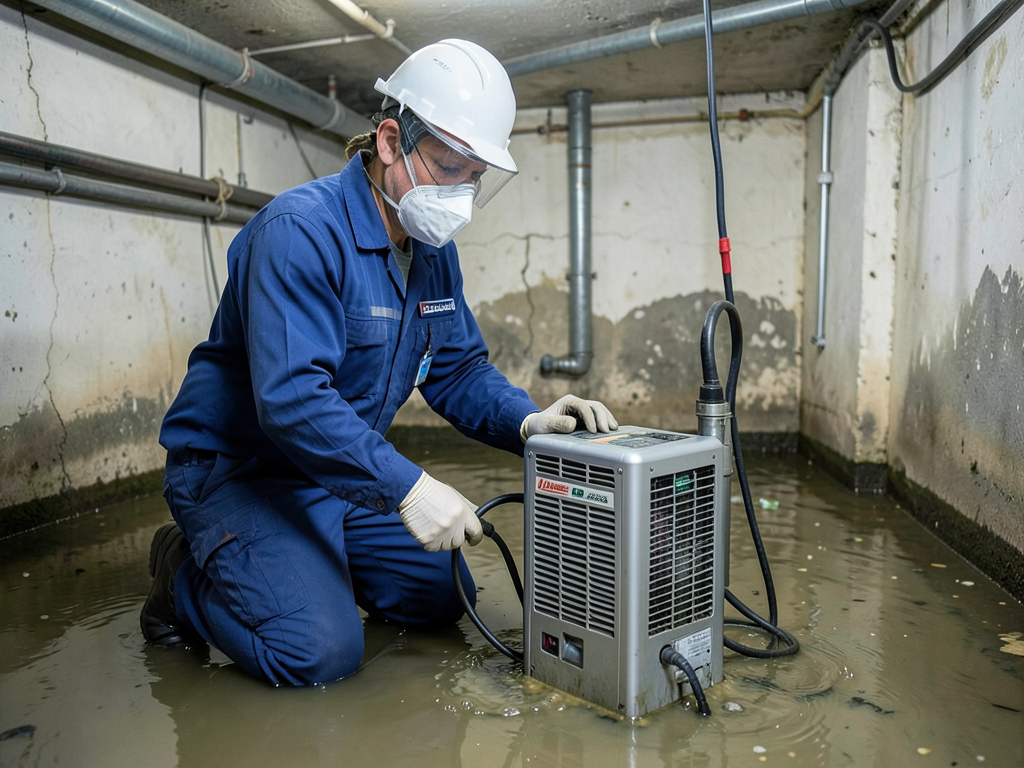
How Invasive Tree Roots Can Cause Your Older Woodlawn Sewer Line to Backup Tree roots can infiltrate your sewer line without warning causing sewage to back up into your basement or yard. In Woodlawn where…
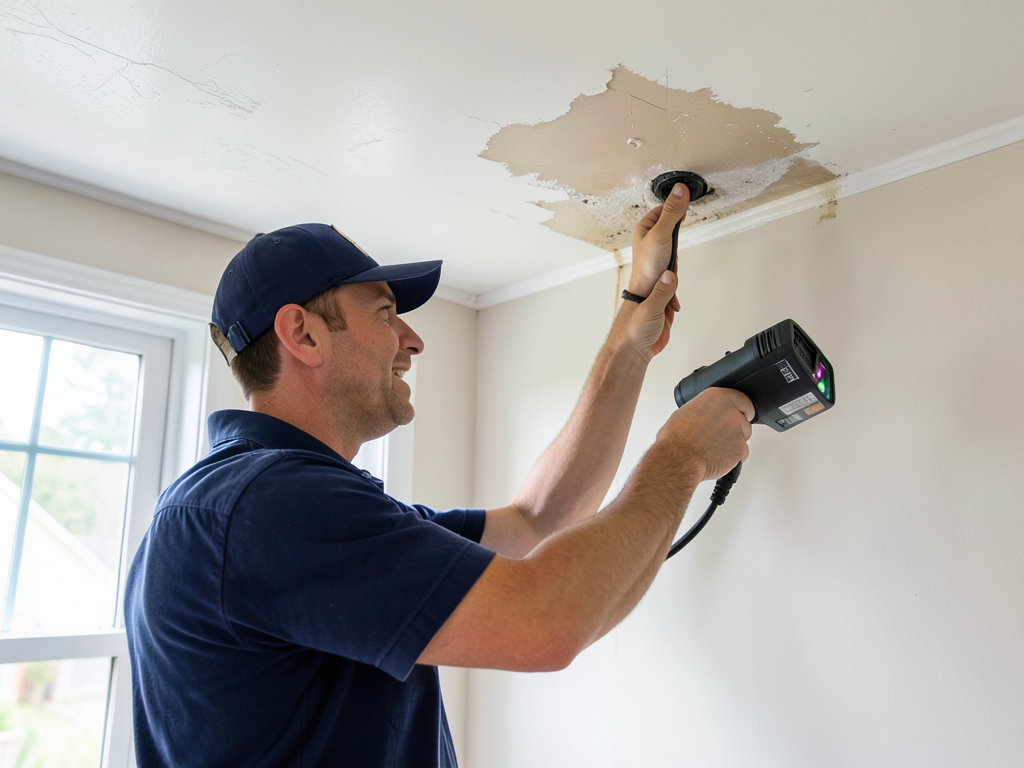
Why the Paint on Your Ceiling is Bubbling or Peeling and How to Fix It…
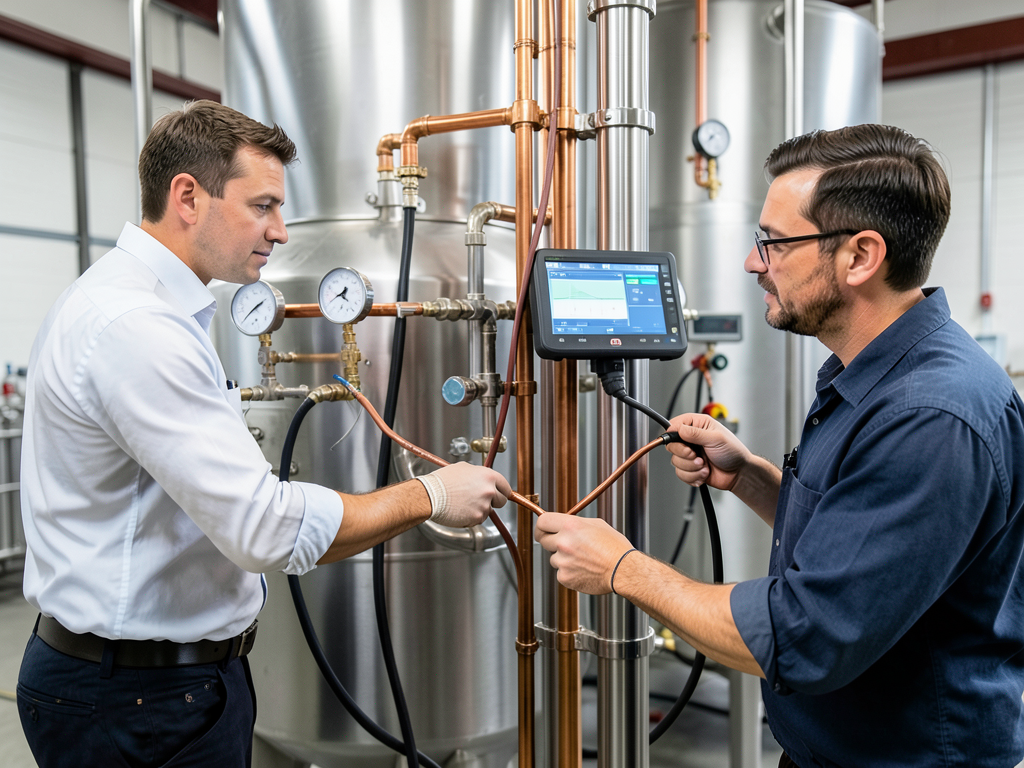
Water Damage Prevention Tips for Craft Breweries and Distilleries in Over-the-Rhine Craft breweries and distilleries…
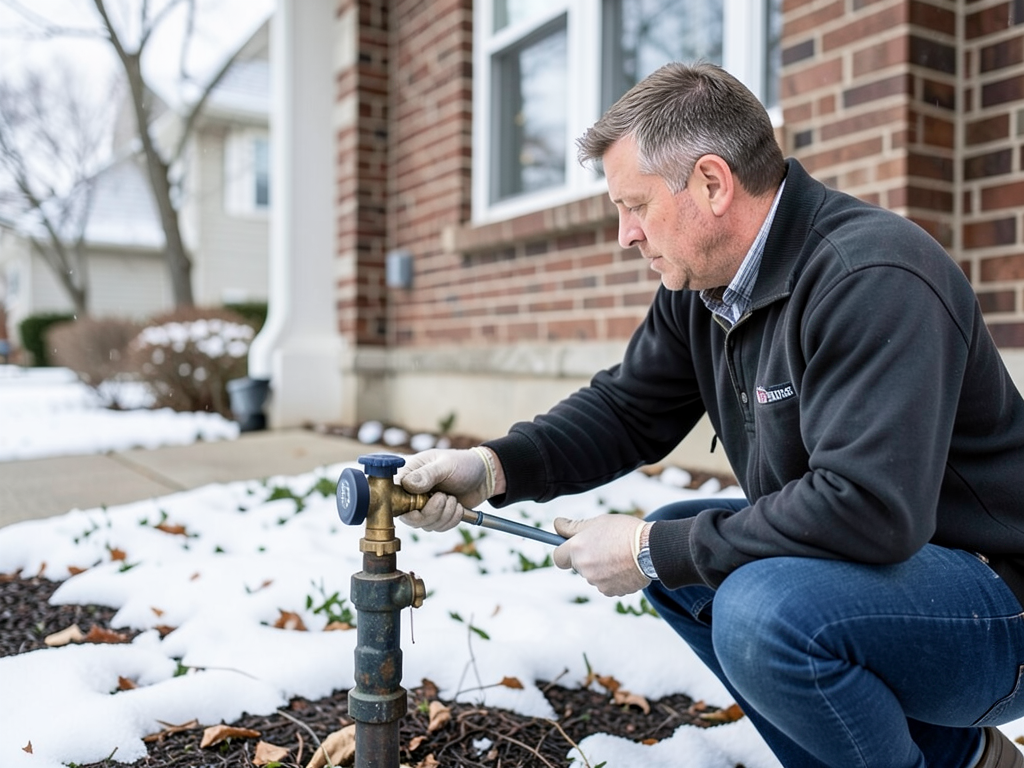
Protecting Your Outdoor Spigots from the Brutal Cincinnati Freeze-Thaw Cycle The first hard freeze in…
Water spreads fast and causes more damage every hour you wait. Our emergency crews dispatch within 60 minutes to Norwood properties day or night. Call (513) 717-2522 now for immediate water extraction and professional restoration. We handle insurance coordination, complete structural drying, and full reconstruction from one water damage event to final completion.