




Menu

Burst Pipe Water Damage in Cincinnati – 24/7 Emergency Response to Stop Flooding Fast

When a ruptured pipe floods your property, every minute counts. Ace Water Damage Restoration Cincinnati deploys certified technicians to your location within 60 minutes to stop water intrusion, extract standing water, and prevent structural damage before it escalates.

Slider Image 1
Slider Image 2
Slider Image 3
Slider Image 4
Slider Image 5
Slider Image 7
Slider Image 8
Slider Image 9
Slider Image 10
Slider Image 11

Why Burst Pipes Cause Catastrophic Damage in Cincinnati Properties

Cincinnati's freeze-thaw cycles put extreme stress on your plumbing. When temperatures drop below 20 degrees in January and February, water inside pipes expands. Older homes in neighborhoods like Over-the-Rhine and Clifton, many built before 1950, have galvanized steel pipes that corrode from the inside. Add in the city's fluctuating water pressure from the Greater Cincinnati Water Works system, and you have the perfect conditions for catastrophic pipe failure.

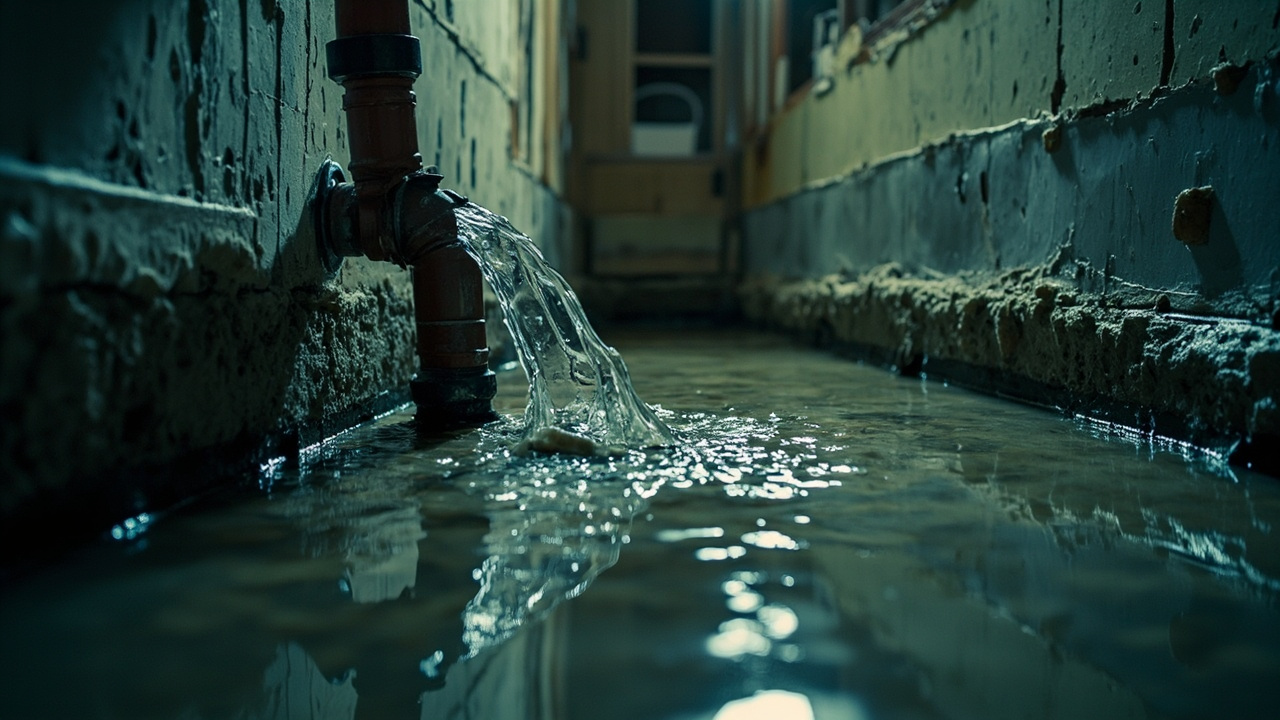
A single burst pipe releases 400 gallons of water per hour. That is enough to saturate drywall, warp hardwood floors, and compromise ceiling joists in under two hours. Water damage from burst pipe incidents does not stop at visible flooding. It migrates through wall cavities, under baseboards, and into subfloors where it fuels mold growth within 24 to 48 hours.

Broken pipe water damage is worse in basements common to Cincinnati's hillside geography. Water pools in low spots, seeps into foundation cracks, and creates hydrostatic pressure against basement walls. If you smell mustiness or see staining on walls after a plumbing failure, you are already dealing with secondary damage.

Ruptured pipe water damage requires immediate extraction and structural drying. Waiting even six hours allows water to penetrate insulation, dissolve adhesives in flooring, and saturate wooden framing members. The longer water sits, the more expensive the restoration becomes. Burst pipe flooding is not a DIY project. You need industrial extraction equipment, thermal imaging cameras to find hidden moisture, and commercial dehumidifiers to prevent mold colonization.

Why Burst Pipes Cause Catastrophic Damage in Cincinnati Properties
Our Proven System for Burst Pipe Water Cleanup and Structural Drying

Our Proven System for Burst Pipe Water Cleanup and Structural Drying

Ace Water Damage Restoration Cincinnati does not show up with a shop vac and a fan. We deploy truck-mounted extraction units capable of removing 50 gallons per minute. Our technicians use thermal imaging to map moisture migration through walls and ceilings. You cannot see water trapped in wall cavities with your eyes. We use FLIR infrared cameras to identify every saturated area before we start demolition.

After extraction, we measure ambient moisture levels with thermo-hygrometers. The goal is to bring relative humidity below 50 percent and surface moisture content below 15 percent. We place low-grain refrigerant dehumidifiers that remove 180 pints of water per day. Air movers create rapid evaporation by directing airflow across wet surfaces at 2,500 cubic feet per minute.

We do not guess when your property is dry. We take daily moisture readings with pin-type and pinless moisture meters. Drywall should read below 15 percent moisture content. Hardwood flooring should be below 12 percent. Concrete slabs need to reach equilibrium with ambient conditions, which we verify using calcium chloride tests per ASTM F1869 standards.

If your burst pipe damaged finished spaces, we coordinate with your insurance adjuster before removing materials. We photograph all affected areas, document pre-loss conditions, and provide detailed moisture maps. Our estimates include line-item breakdowns for extraction, drying equipment, antimicrobial application, and controlled demolition. We handle contents pack-out if furniture or electronics are at risk.

You get a drying log that tracks daily humidity levels, temperature, and moisture readings. This documentation is critical for insurance claims and proves we followed IICRC S500 Water Damage Restoration standards.

What Happens During Emergency Burst Pipe Water Restoration

Burst Pipe Water Damage in Cincinnati – 24/7 Emergency Response to Stop Flooding Fast
01

Emergency Water Extraction

We arrive with truck-mounted extractors and portable submersible pumps to remove standing water. Our technicians inspect the source, shut off water supply if needed, and prioritize extraction from carpets, padding, and hard surfaces. We use weighted extraction wands to pull water from carpet fibers and vacuum-assisted tools for hard flooring. Speed here prevents subfloor saturation and reduces demolition costs.
02

Structural Drying Setup

After extraction, we position air movers and dehumidifiers based on psychrometric calculations. We measure grain depression, which is the difference between moisture in the air and moisture the air can hold. This tells us how many dehumidifiers and air movers we need. We create controlled airflow patterns to accelerate evaporation from walls, floors, and contents. Drying typically takes three to five days depending on materials affected.
03

Verification and Remediation

We take final moisture readings to confirm all materials are dry. If mold growth is present, we contain the area with polyethylene barriers and apply EPA-registered antimicrobials. We remove unsalvageable materials like saturated drywall or insulation. You receive a certificate of completion with final moisture readings, equipment logs, and photos. We coordinate with your contractor or handle reconstruction in-house if you prefer a single point of contact.

Why Cincinnati Property Owners Trust Local Burst Pipe Specialists

National franchises send subcontractors who do not know Cincinnati's building stock. We have restored water damage in century-old brick homes in Mount Adams, mid-century ranches in Western Hills, and modern condos in The Banks. We understand how water behaves in different construction types.

Cincinnati's mix of crawl spaces, full basements, and slab-on-grade foundations requires different drying strategies. Crawl spaces need vapor barriers and ventilation. Basements need sump pump coordination and foundation crack monitoring. Slab homes require specialty drying mats to pull moisture from concrete. We adjust our approach based on your property's construction.

We work directly with insurers like State Farm, Nationwide, and Cincinnati Insurance Company. Our estimators write Xactimate estimates that match adjuster software, which eliminates disputes over coverage. We document every step with time-stamped photos and detailed moisture logs. If your claim gets denied, you have the evidence you need to appeal.

You will not wait three days for a call back. When you contact Ace Water Damage Restoration Cincinnati, you speak with a local dispatcher who knows Cincinnati geography. We have crews staged across Hamilton County, Butler County, and Clermont County. Response time matters because water damage accelerates exponentially. A two-hour delay can double restoration costs.

We also understand Cincinnati's rental market. If you are a landlord dealing with burst pipe flooding in a tenant-occupied unit, we coordinate temporary housing and provide documentation for legal compliance. We have worked with property managers throughout Clifton Heights, Northside, and Walnut Hills. You get transparent communication and a realistic timeline so you can manage tenant expectations.

What to Expect When You Call for Burst Pipe Water Damage Services

Immediate Dispatch and Arrival Time

We answer emergency calls 24 hours a day, including weekends and holidays. After you describe the situation, we dispatch a crew to your location within 60 minutes. Our technicians call en route to confirm access and ask preliminary questions about the water source. If your property is secure, we can begin extraction immediately. If the pipe is still leaking, we identify the shut-off valve or contact a licensed plumber to stop the water flow before starting restoration work.

Comprehensive Damage Assessment

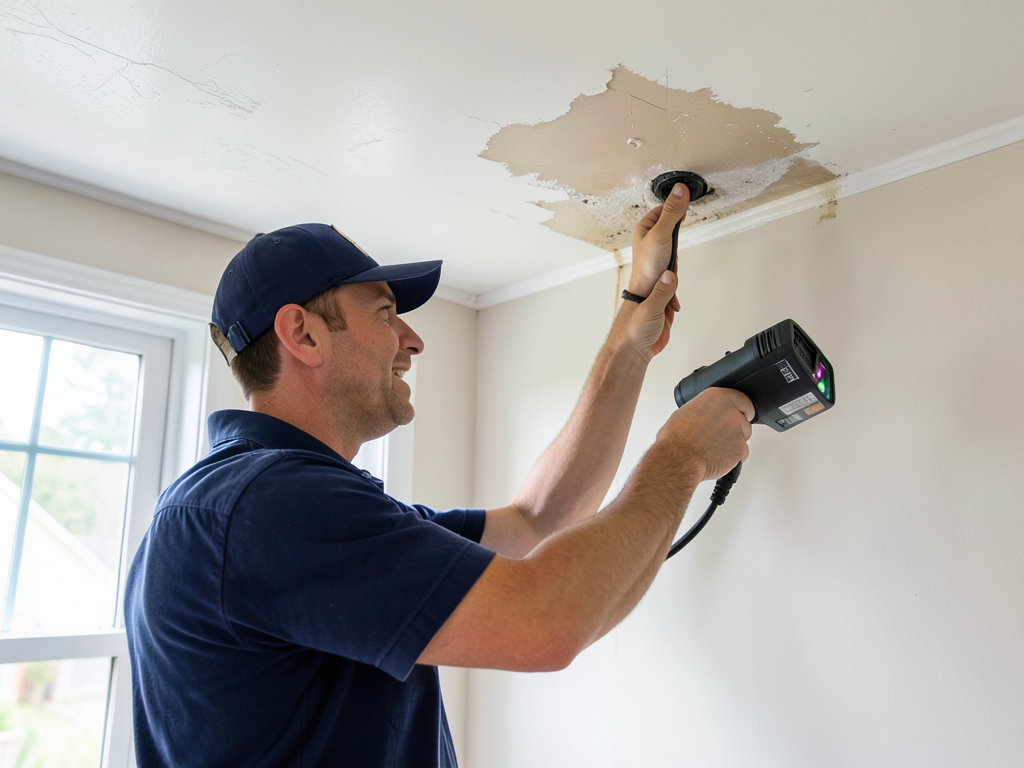
Our lead technician inspects all affected areas with moisture detection equipment. We check walls, ceilings, and floors for hidden saturation. We classify the water damage as Category 1, 2, or 3 based on contamination level. Clean water from supply lines is Category 1. Water that sat for hours or contacted building materials may be Category 2. We test moisture levels in structural materials and document findings with thermal images. You receive a written scope of work before we start drying equipment.

Complete Drying and Restoration

You get a property restored to pre-loss condition. We do not leave equipment running and disappear. Our technicians visit daily to adjust equipment, take moisture readings, and ensure drying is progressing. Once materials are dry, we remove damaged components and prepare the space for reconstruction. If you choose our rebuild services, we handle everything from drywall replacement to paint and flooring. You deal with one company from emergency extraction through final walkthrough.

Post-Restoration Monitoring and Prevention

After we complete drying and reconstruction, we provide recommendations to prevent future burst pipe incidents. This includes identifying vulnerable pipes, suggesting insulation upgrades, and advising on temperature monitoring systems. We offer follow-up moisture checks at 30 and 60 days to verify no secondary moisture issues have developed. If mold appears within 90 days due to incomplete drying, we return at no charge to address it. You also receive a detailed restoration report for your property records.

Frequently Asked Questions

You Have Questions,
We Have Answers

Will insurance cover water damage from burst pipe? +

Most homeowners insurance policies cover sudden and accidental water damage from burst pipes. Coverage typically includes structural repairs, damaged belongings, and temporary relocation costs. However, policies often exclude damage from neglect or lack of maintenance. If you left your Cincinnati home unheated during winter and pipes froze, your claim may be denied. Review your policy for specific exclusions related to freezing temperatures. Document everything with photos, shut off the water immediately, and contact your insurance company within 24 hours. A professional water damage assessment helps support your claim and speeds up the process.

How many hours below freezing to freeze pipes? +

Pipes can freeze when temperatures drop below 20 degrees Fahrenheit for at least six consecutive hours. However, Cincinnati homes with pipes in unheated crawl spaces, attics, or exterior walls face risk even at 32 degrees. Wind chill, insulation quality, and pipe location matter more than outdoor temperature alone. Older Cincinnati homes with poor insulation are especially vulnerable during overnight cold snaps. Pipes rarely freeze instantly. The freeze-thaw cycle common in Ohio winters weakens pipes over time, making them prone to bursting when temperatures fluctuate rapidly between freezing and thawing.

Who is responsible for burst water pipes? +

Responsibility depends on the pipe location and property type. Homeowners own pipes inside their property line, including interior walls and crawl spaces. The city of Cincinnati owns main water lines in streets and easements. In rental properties, landlords typically handle pipe repairs unless tenant negligence caused the burst. Condo associations usually cover pipes within shared walls, while unit owners handle interior fixtures. If a burst occurs due to construction defects or contractor error, the builder may be liable. Review your deed, HOA documents, or lease to clarify responsibility before a freeze event happens.

What to do immediately after a pipe bursts? +

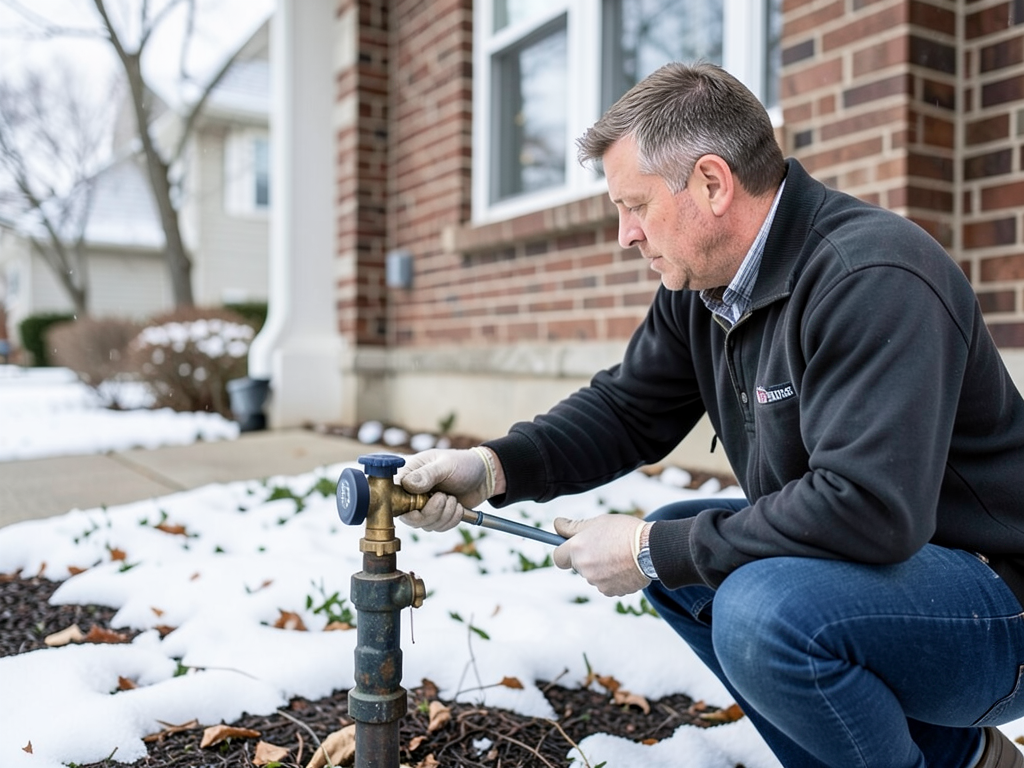
Shut off your main water supply immediately to stop flooding. The shutoff valve is typically near your water meter or where the main line enters your home. Turn off electricity to affected areas if water contacts outlets or appliances. Move furniture and valuables to dry areas. Use towels or a wet vacuum to remove standing water quickly. Open cabinet doors under sinks to promote air circulation. Call a licensed plumber to repair the pipe and contact a water damage restoration company within the first hour. Document all damage with photos for insurance. Do not delay. Water spreads fast through drywall and subflooring.

What is the average insurance payout for water damage? +

Insurance payouts vary widely based on damage extent, coverage limits, and deductibles. Minor burst pipe claims average $5,000 to $10,000, while extensive flooding with structural damage can exceed $50,000. Your payout depends on your policy's dwelling coverage, personal property limits, and whether you have replacement cost or actual cash value coverage. Cincinnati homes with finished basements often see higher claims due to drywall, flooring, and HVAC damage. Insurance companies deduct depreciation for older materials. Always request detailed estimates from licensed contractors to support your claim and ensure full compensation for repairs.

Why would insurance deny a water damage claim? +

Insurance denies water damage claims for several reasons. Neglect is the top cause. If you failed to maintain your Cincinnati home, left it unheated during winter, or ignored visible pipe corrosion, your claim will likely be rejected. Gradual damage from slow leaks or long-term seepage is excluded. Most policies cover sudden bursts, not chronic problems. Filing after the policy effective date for pre-existing damage triggers denial. Lack of documentation, missed reporting deadlines, or policy lapses also lead to rejection. Always read your policy exclusions and maintain records of home maintenance to protect your coverage.

At what temperature should I drip my faucets? +

Set your thermostat to at least 55 degrees Fahrenheit when away from your Cincinnati home during winter. Let faucets drip when temperatures drop below 20 degrees, especially those on exterior walls or in unheated spaces. A slow, steady drip keeps water moving and reduces pressure buildup that causes pipes to burst. Open cabinet doors under sinks to allow warm air circulation around pipes. Focus on cold water faucets, as hot water pipes are less prone to freezing. Dripping faucets waste minimal water compared to the cost of repairing a burst pipe and water damage throughout your home.

What are signs of pipe damage after freezing? +

Watch for reduced water pressure, discolored or rusty water, and strange metallic odors from faucets. You may hear banging or clanking sounds when turning taps on or off. Visible frost or bulging on exposed pipes signals freezing damage. Damp spots on walls, ceilings, or floors indicate hidden leaks from cracked pipes. Unexplained increases in your water bill suggest a slow leak. Cincinnati homes often have pipes in crawl spaces where damage goes unnoticed until it worsens. Inspect your home thoroughly after a freeze event. Call a plumber immediately if you notice any warning signs to prevent a catastrophic burst.

What type of pipes burst most easily? +

Copper pipes burst more easily than PEX or CPVC because copper is rigid and expands less under pressure. Older homes in Cincinnati often have copper supply lines that become brittle over time. Galvanized steel pipes corrode internally, narrowing the diameter and increasing pressure during freezing. PEX flexible tubing expands slightly when water freezes, reducing burst risk. Pipes in uninsulated exterior walls, crawl spaces, and attics freeze first regardless of material. Small diameter pipes freeze faster than larger ones. If your Cincinnati home was built before 1990, inspect your pipe material and add insulation to vulnerable sections before winter.

How much does a plumber cost to fix a burst pipe? +

Plumbers in Cincinnati typically charge $150 to $450 for emergency burst pipe repairs, depending on the pipe location, material, and time of day. After-hours or weekend calls cost more. Repairing a simple copper pipe joint may cost $200, while replacing frozen pipes inside walls can exceed $1,000 due to drywall removal and reconstruction. These figures cover plumbing only, not water damage restoration. Drying, mold remediation, and structural repairs add thousands more. Request itemized estimates from licensed plumbers before authorizing work. Many homeowners insurance policies cover reasonable repair costs, but you pay the deductible upfront.

How Cincinnati's Historic Plumbing Systems Increase Burst Pipe Risk

Cincinnati's housing stock includes thousands of homes built between 1890 and 1950. These properties have galvanized steel pipes that corrode from the inside, reducing water flow and creating weak points. When winter temperatures drop to 15 degrees, which happens multiple times each season, these compromised pipes fail. The city's hilly terrain also creates pressure fluctuations in water mains. Homes at higher elevations in Mount Lookout or Price Hill experience sudden pressure spikes that stress aging joints and fittings. Ruptured pipe water damage in older Cincinnati homes often affects multiple floors because water travels through wall chases and floor joist bays built without fire blocking.

Restoring water damage in Cincinnati requires knowledge of local construction methods. Balloon-frame homes common in older neighborhoods allow water to travel from attic to basement with no horizontal barriers. Homes built on hillsides have crawl spaces with inadequate drainage that trap water after pipe failures. Ace Water Damage Restoration Cincinnati has worked with historic preservation boards in neighborhoods like Northside and knows how to dry plaster walls without causing additional cracking. We understand Cincinnati's mix of poured concrete, block foundations, and stone basements, each requiring different moisture control strategies. Local expertise means faster drying, less demolition, and better outcomes for your property.
Water Damage Restoration Services in The Cincinnati Area

We are proud to serve the entire Cincinnati area, providing expert water damage restoration services wherever and whenever they are needed. We understand the unique challenges our local community faces and are committed to being there for our neighbors. View our service area on the map to see how we can assist you, or simply give us a call for immediate dispatch to your location.

Address:
Ace Water Damage Restoration Cincinnati, 1507 Dana Ave, Cincinnati, OH, 45207

Additional Services We Offer

Our news updates

Latest Articles & News from The Blogs

Finding the Source of a Slab Leak in Your Mack Home Slab leaks in Mack OH homes are more than…

Finding the Source of a Slab Leak in Your Mack Home

Finding the Source of a Slab Leak in Your Mack Home Slab leaks in Mack OH homes are more than…

What to Do When Your Water Heater Bursts in Madisonville

Emergency Water Heater Burst Cleanup in Madisonville, Cincinnati \n\n A water heater burst in Madisonville creates immediate flooding that can…

Salvaging Important Paper Documents and Photos After an Amberley Village Flood

Salvaging Important Paper Documents and Photos After an Amberley Village Flood When floodwaters rush through Amberley Village basements, the damage…

Contact Us

Water spreads fast. Every hour you wait increases damage and cost. Call Ace Water Damage Restoration Cincinnati at (513) 717-2522 right now. Our emergency crews are standing by 24/7 to stop flooding, extract water, and start drying your property before mold takes hold.