
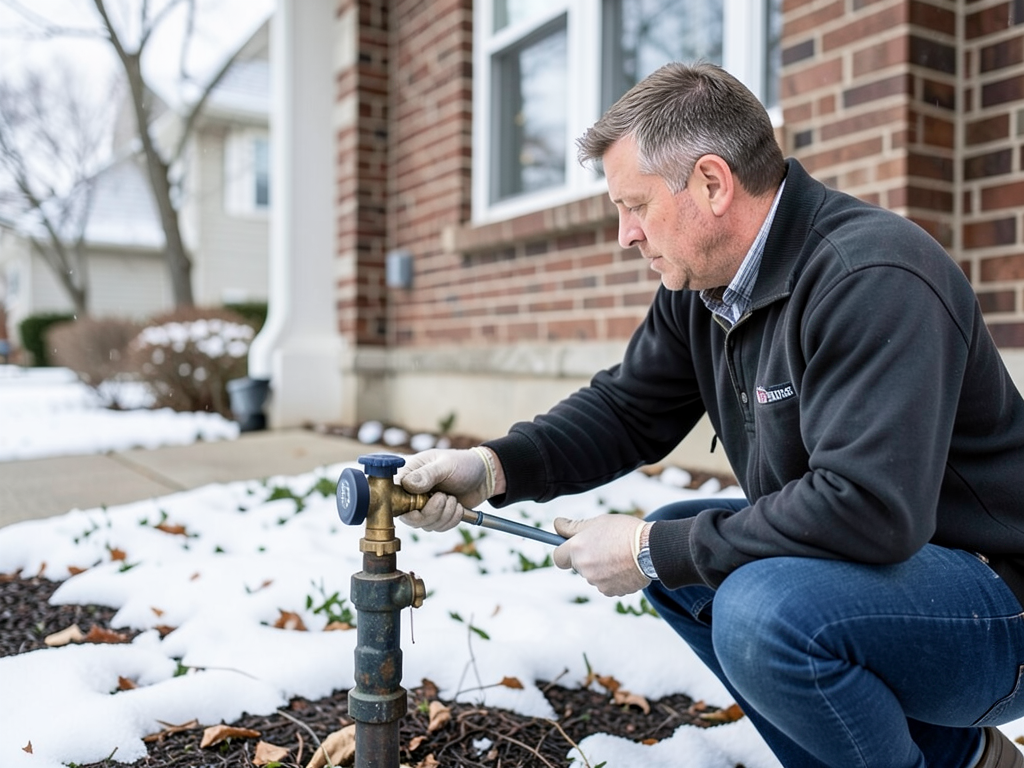
Protecting Your Outdoor Spigots from the Brutal Cincinnati Freeze-Thaw Cycle
The first hard freeze in Cincinnati typically hits by early November and can last through late March. During this time, temperatures fluctuate wildly between freezing nights and thawing days. This freeze-thaw cycle creates the perfect conditions for outdoor faucet disasters. When water trapped inside a spigot freezes it expands with tremendous force. That pressure can crack pipes split fittings and cause thousands of dollars in water damage before you even know there’s a problem.
Cincinnati homes face unique challenges because many were built before modern frost-proof technology became standard. Older neighborhoods like Hyde Park and Mount Lookout often have standard sillcocks that sit vulnerable to freezing temperatures. The good news is that with proper preparation you can protect your outdoor faucets and avoid emergency plumbing calls when the mercury drops.
Understanding Cincinnati’s Freeze-Thaw Challenge
Cincinnati sits in the Ohio River Valley where cold air masses from Canada meet warm air from the Gulf of Mexico. This creates extreme temperature swings that are particularly hard on plumbing. The National Weather Service reports that Cincinnati experiences an average of 120 freeze-thaw cycles per winter. Each cycle stresses your pipes and increases the risk of failure. National Weather Service.
The freeze-thaw problem is worse in areas with poor drainage like parts of Westwood and Price Hill where water can pool around foundations. Clay soils common throughout Hamilton County expand when wet and contract when frozen. This movement can shift pipes and create gaps where cold air penetrates. Frozen Pipe Burst Cleanup.
Step-by-Step Prevention Checklist
Follow these steps before the first freeze to protect your outdoor faucets:
- Disconnect All Garden Hoses
Remove hoses from every outdoor spigot even those labeled frost-free. Water trapped inside hoses freezes and expands back into the faucet. This simple step prevents 90% of freeze damage.
- Locate Interior Shut-off Valves
Find the small valves inside your home that control outdoor water lines. These are usually in basements near exterior walls or in crawl spaces. Turn them clockwise to shut off water flow to outdoor spigots. What to Do When Your Indian Hill Basement Floods Unexpectedly.
- Drain Remaining Water
Once the interior valve is closed open the outdoor faucet to drain any remaining water. Leave it open slightly throughout winter. This allows any water that enters to drip out rather than freeze and expand.
- Install Insulated Faucet Covers
Place styrofoam or insulated fabric covers over each outdoor spigot. These create an air barrier that keeps cold temperatures away from the valve. Secure them tightly with the provided straps or ties.
Identifying Your Faucet Type: Standard vs. Frost-Free Sillcocks
Standard sillcocks have the valve directly behind the handle on the exterior wall. When temperatures drop below 28°F the water inside can freeze and cause the pipe to burst. Frost-free sillcocks move the actual valve back inside the heated wall typically 10 to 12 inches. This design keeps the vulnerable parts in a warmer location. Fixing Burst Pipes and Ceiling Leaks in Your Clifton Apartment Building.
Even frost-free faucets can fail if you leave a hose attached. The trapped water cannot drain and freezes anyway. Look for a slight downward angle on frost-free models. This allows water to drain when the faucet is off. Standard models sit perpendicular to the wall.
Many Cincinnati homes built before 1980 have standard sillcocks. If you’re unsure about your faucet type check where the water supply line enters your basement. If it comes through the rim joist near an exterior wall you likely have standard plumbing that needs winterization.
Advanced Protection: Insulation and Heat Tape
For extreme cold or unheated spaces consider additional protection. Foam pipe insulation sleeves add an extra layer of protection around exposed pipes. Cut the insulation to length and secure it with duct tape. Focus on pipes in crawl spaces attics and garages where temperatures drop the lowest.
UL-listed heat tape provides active protection for pipes in extremely cold areas. Wrap the tape according to manufacturer instructions and plug it into a GFCI outlet. Never use open-flame devices like propane torches to thaw frozen pipes. This creates fire hazards and can damage pipes further.
Pay special attention to pipes near foundation vents. These areas often have the coldest temperatures because of constant air exchange. Close foundation vents in winter to reduce cold air infiltration. This simple step can raise crawl space temperatures by 5 to 10 degrees.
What to Do If Your Faucet is Already Frozen
Sometimes despite your best efforts a faucet freezes. You will know because water won’t flow when you turn the handle or you hear cracking sounds. Here is what to do:
- Keep the faucet handle in the open position
- Apply gentle heat using a hairdryer on low setting
- Work from the faucet toward the frozen area
- Never use open flames or high heat
- Check for bulges or cracks as it thaws
If you see water seeping from the wall or notice a bulge in the pipe the freeze has already caused damage. Turn off the main water supply immediately. The pipe likely has a hairline crack that will leak profusely once thawed.
The Ohio Building Code requires that all new outdoor faucets meet frost-free standards. However many older homes still have standard sillcocks. If you experience repeated freezing problems consider upgrading to frost-free models. This one-time investment can save thousands in potential water damage. Ohio Building Code.
Secondary Prevention: Monitoring and Maintenance
Check your outdoor faucets monthly during winter. Look for signs of moisture around the foundation frost or ice buildup. These indicate potential problems. Early detection can prevent major damage.
Test your interior shut-off valves annually. Turn them off and on to ensure they operate smoothly. Replace any valve that sticks or leaks. A failed shut-off valve during an emergency can turn a small problem into a major flood.
Consider installing water leak detectors near outdoor faucet connections. These devices sound an alarm when they detect moisture. Some smart models send alerts to your phone allowing you to respond even when you are away from home.
When to Call a Cincinnati Water Damage Expert
Sometimes prevention fails and you need professional help. Call immediately if you notice:
- Water stains on ceilings or walls near outdoor faucets
- Musty odors that persist after drying
- Visible mold growth on walls or baseboards
- Peeling paint or wallpaper near exterior walls
- Sudden increases in water bills
A small leak behind a wall can cause extensive damage before it becomes visible. Water can travel along studs and pipes spreading damage to areas far from the original leak. Professional moisture detection equipment can find hidden problems before they cause major structural damage.
The restoration process typically includes water extraction structural drying and mold prevention. Professionals use industrial-grade equipment to remove moisture and prevent secondary damage. They also handle insurance claims making the process smoother for homeowners.
Don’t wait until spring to address winter water damage. By then mold has often started growing and structural damage has worsened. Quick action limits repair costs and protects your home’s value.
Local Resources and Professional Help
Several Cincinnati hardware stores stock winterization supplies. Home Depot locations in Oakley and Colerain carry insulated faucet covers heat tape and pipe insulation. Local plumbing supply houses like Meyer Plumbing Supply in Bond Hill offer professional-grade materials. Retail Store Water Cleanup.
If you need emergency help remember that water damage restoration requires specific expertise. The IICRC S500 standard governs professional water damage restoration. Certified technicians follow these guidelines to ensure proper drying and prevent mold growth.
Cincinnati’s freeze-thaw cycles affect homes differently based on age construction and location. Homes in areas like Mariemont with older plumbing may need more extensive winterization. Newer developments in West Chester often have modern frost-free systems but still need basic protection.
The cost of prevention is minimal compared to emergency repairs. A few dollars for insulation and an hour of your time can prevent thousands in water damage. Make outdoor faucet winterization part of your annual home maintenance routine.
Call (513) 717-2522 today to schedule your inspection. Our certified technicians can assess your home’s vulnerability and recommend specific protection measures for your situation.
Frequently Asked Questions
When should I winterize my outdoor faucets?
Begin winterization when nighttime temperatures consistently drop below 32°F. In Cincinnati this typically occurs in early November. Don’t wait until the first hard freeze as temperatures can drop suddenly.
Can I use regular insulation instead of faucet covers?
While regular insulation helps it is not as effective as purpose-made faucet covers. These covers create an air barrier and fit snugly around the faucet. Regular insulation can fall off or allow cold air to penetrate.
How do I know if my frost-free faucet has failed?
Signs include water leaking from the faucet when turned off reduced water pressure or visible cracks in the exterior housing. Sometimes the failure is internal and only becomes apparent when you use the faucet in spring. Reliable Sump Pump Failure Repair and Cleanup in Anderson Township.
Will shutting off the interior valve completely eliminate freezing risk?
It significantly reduces the risk but does not eliminate it entirely. Some water remains in the line and can freeze. That is why draining the line and using insulated covers provides the best protection.
What is the average cost to repair burst outdoor faucet damage?
Repair costs vary widely based on damage extent. A simple pipe replacement might cost $200 to $500. However if water has damaged walls floors or caused mold growth costs can exceed $5000. Prevention costs far less than repairs.
{
“@context”: “https://schema.org”,
“@type”: “BlogPosting”,
“headline”: “Protecting Your Outdoor Spigots from the Brutal Cincinnati Freeze-Thaw Cycle”,
“description”: “Learn how to protect outdoor spigots from Cincinnati’s harsh freeze-thaw cycles with expert tips on frost-proof faucets, insulation, and emergency prevention.”,
“wordCount”: 1596,
“datePublished”: “2026-06-08T11:42:00.000Z”,
“dateModified”: “2026-06-08T11:42:00.000Z”,
“inLanguage”: “en-US”,
“mainEntityOfPage”: {
“@type”: “WebPage”,
“@id”: “https://acewaterdamagerestorationcincinnati.com”
},
“publisher”: {
“@type”: “LocalBusiness”,
“name”: “Ace Water Damage Restoration Cincinnati”,
“url”: “https://acewaterdamagerestorationcincinnati.com”
},
“author”: {
“@type”: “Organization”,
“name”: “Ace Water Damage Restoration Cincinnati”,
“url”: “https://acewaterdamagerestorationcincinnati.com”
},
“image”: {
“@type”: “ImageObject”,
“url”: “https://acewaterdamagerestorationcincinnati.com/wp-content/uploads/2026/03/protecting-your-outdoor-spigots-from-the-brutal-ci-1.png”
}
}
{
“@context”: “https://schema.org”,
“@type”: “LocalBusiness”,
“name”: “Ace Water Damage Restoration Cincinnati”,
“url”: “https://acewaterdamagerestorationcincinnati.com”,
“address”: {
“@type”: “PostalAddress”,
“addressLocality”: “Cincinnati”
},
“areaServed”: {
“@type”: “City”,
“name”: “Cincinnati”
}
}
{
“@context”: “https://schema.org”,
“@type”: “FAQPage”,
“mainEntity”: [
{
“@type”: “Question”,
“name”: “When should I winterize my outdoor faucets?”,
“acceptedAnswer”: {
“@type”: “Answer”,
“text”: “Begin winterization when nighttime temperatures consistently drop below 32°F. In Cincinnati this typically occurs in early November. Don’t wait until the first hard freeze as temperatures can drop suddenly.”
}
},
{
“@type”: “Question”,
“name”: “Can I use regular insulation instead of faucet covers?”,
“acceptedAnswer”: {
“@type”: “Answer”,
“text”: “While regular insulation helps it is not as effective as purpose-made faucet covers. These covers create an air barrier and fit snugly around the faucet. Regular insulation can fall off or allow cold air to penetrate.”
}
},
{
“@type”: “Question”,
“name”: “How do I know if my frost-free faucet has failed?”,
“acceptedAnswer”: {
“@type”: “Answer”,
“text”: “Signs include water leaking from the faucet when turned off reduced water pressure or visible cracks in the exterior housing. Sometimes the failure is internal and only becomes apparent when you use the faucet in spring. Reliable Sump Pump Failure Repair and Cleanup in Anderson Township.”
}
},
{
“@type”: “Question”,
“name”: “What is the average cost to repair burst outdoor faucet damage?”,
“acceptedAnswer”: {
“@type”: “Answer”,
“text”: “Repair costs vary widely based on damage extent. A simple pipe replacement might cost $200 to $500. However if water has damaged walls floors or caused mold growth costs can exceed $5000. Prevention costs far less than repairs.”
}
}
]
}
{
“@context”: “https://schema.org”,
“@type”: “HowTo”,
“name”: “How to Winterize Outdoor Faucets”,
“step”: [
{
“@type”: “HowToStep”,
“position”: 1,
“name”: “Disconnect All Garden Hoses”,
“text”: “Remove hoses from every outdoor spigot even those labeled frost-free. Water trapped inside hoses freezes and expands back into the faucet. This simple step prevents 90% of freeze damage.”
},
{
“@type”: “HowToStep”,
“position”: 2,
“name”: “Locate Interior Shut-off Valves”,
“text”: “Find the small valves inside your home that control outdoor water lines. These are usually in basements near exterior walls or in crawl spaces. Turn them clockwise to shut off water flow to outdoor spigots. What to Do When Your Indian Hill Basement Floods Unexpectedly.”
},
{
“@type”: “HowToStep”,
“position”: 3,
“name”: “Drain Remaining Water”,
“text”: “Once the interior valve is closed open the outdoor faucet to drain any remaining water. Leave it open slightly throughout winter. This allows any water that enters to drip out rather than freeze and expand.”
},
{
“@type”: “HowToStep”,
“position”: 4,
“name”: “Install Insulated Faucet Covers”,
“text”: “Place styrofoam or insulated fabric covers over each outdoor spigot. These create an air barrier that keeps cold temperatures away from the valve. Secure them tightly with the provided straps or ties.”
}
],
“image”: “https://acewaterdamagerestorationcincinnati.com/wp-content/uploads/2026/03/protecting-your-outdoor-spigots-from-the-brutal-ci-1.png”
}
{
“@context”: “https://schema.org”,
“@type”: “BreadcrumbList”,
“itemListElement”: [
{
“@type”: “ListItem”,
“position”: 1,
“name”: “Home”,
“item”: “https://acewaterdamagerestorationcincinnati.com”
},
{
“@type”: “ListItem”,
“position”: 2,
“name”: “Blog”,
“item”: “https://acewaterdamagerestorationcincinnati.com/blog”
},
{
“@type”: “ListItem”,
“position”: 3,
“name”: “Protecting Your Outdoor Spigots from the Brutal Cincinnati Freeze-Thaw Cycle”
}
]
}
{
“@context”: “https://schema.org”,
“@type”: “Service”,
“serviceType”: “Water Damage Restoration”,
“provider”: {
“@type”: “LocalBusiness”,
“name”: “Ace Water Damage Restoration Cincinnati”,
“url”: “https://acewaterdamagerestorationcincinnati.com”
},
“areaServed”: {
“@type”: “City”,
“name”: “Cincinnati”
},
“description”: “Learn how to protect outdoor spigots from Cincinnati’s harsh freeze-thaw cycles with expert tips on frost-proof faucets, insulation, and emergency prevention.”
}