




Forest Park sits in Hamilton County where the Mill Creek watershed creates persistent flooding threats during heavy rain events. Properties near Winton Road and along the Route 4 corridor face runoff challenges from impermeable surfaces and aging storm systems built in the 1960s. Basements in the neighborhoods around Forest Park Plaza frequently see seepage through foundation walls during spring thaw cycles when frozen ground prevents drainage.
The area's clay-heavy soil compounds these issues. Water cannot permeate quickly, creating hydrostatic pressure against foundation walls and forcing moisture into crawl spaces and lower levels. Homes near Sharon Woods and the Crescentville area experience this pressure seasonally, leading to chronic dampness and mold growth if not addressed immediately.
Older properties throughout Forest Park contain galvanized pipes prone to corrosion and burst events. When temperatures drop below freezing, exposed pipes in attics and exterior walls crack, releasing hundreds of gallons before homeowners discover the damage. Commercial buildings along Winton and near Interstate 275 face similar risks with outdated plumbing infrastructure and flat roofs that pond water during heavy rainfall.
Without rapid water removal and structural drying, Forest Park properties develop mold within 48 hours. The humidity levels common to Southwest Ohio accelerate microbial growth, turning a water emergency into a health hazard that requires expensive remediation beyond basic cleanup.
Ace Water Damage Restoration Cincinnati has responded to water emergencies throughout Forest Park for years, building relationships with local insurance adjusters, property managers, and homeowners who need help when disaster strikes. We understand how water moves through the specific construction types common to this area, from mid-century ranch homes to newer construction near the Crescentville district. That knowledge means faster diagnosis and more complete drying.
Our technicians live and work in Hamilton County. When you call at 2 AM because a pipe burst or your sump pump failed during a storm, we arrive from nearby, not from across the metro. Response time determines how much damage occurs. Every hour water sits allows deeper penetration into subflooring, drywall, and insulation. We cut that window short.
We carry truck-mounted extraction units and industrial dehumidifiers designed for Ohio's humidity levels. Standard equipment fails in our climate because moisture does not evaporate efficiently without commercial-grade airflow and dehumidification. We also maintain thermal imaging cameras to detect hidden moisture in wall cavities and beneath flooring, preventing mold growth you cannot see until it becomes a bigger problem.
Insurance companies recognize our documentation standards. We photograph damage, measure moisture levels with calibrated meters, and provide detailed scope reports that adjusters approve without disputes. That means your claim moves forward while we restore your property. You are not caught between a restoration company and an insurance provider arguing over coverage. We handle the paperwork while managing the mitigation work, coordinating directly with carriers to get you back to normal.

We deploy from Hamilton County, reaching Forest Park properties in under an hour during emergencies. Our trucks carry extraction equipment, air movers, and dehumidifiers so work begins immediately upon arrival. No waiting for equipment rentals or second trips while water spreads through your building.

We document every step for your insurance claim with photos, moisture readings, and detailed reports that adjusters approve without delays. You get one point of contact who manages both the restoration work and the claim documentation, eliminating confusion and speeding up your settlement.
Our thermal imaging cameras detect moisture hidden inside walls, under flooring, and in ceiling cavities where mold grows unnoticed. We dry structures to measured standards, not guesswork, using calibrated meters to verify moisture levels before closing out the job and preventing future problems.
We know how water behaves in Forest Park's clay soil and which neighborhoods face chronic drainage issues. That local experience means accurate assessment of your damage and realistic timelines for drying your specific property type, whether you own a 1960s ranch or newer construction.
Ace Water Damage Restoration Cincinnati handles every aspect of water emergencies from initial extraction through final repairs. Water damage rarely affects just one area. A burst pipe in your bathroom floods the adjacent bedroom and seeps into the level below. A roof leak saturates insulation and drips into interior walls. We address the visible damage and the hidden moisture that causes long-term problems.
Our services divide into three categories based on urgency and scope. Emergency water removal stops active flooding and prevents further damage. Structural drying eliminates moisture from building materials to prevent mold and deterioration. Complete restoration rebuilds damaged areas so your property returns to pre-loss condition. Many Forest Park properties need all three phases, starting with immediate mitigation and progressing through reconstruction.
We use truck-mounted extraction units that remove hundreds of gallons per minute, far faster than portable shop vacuums or small pumps. Industrial dehumidifiers and air movers then dry the structure to measured standards, verified with moisture meters. Our reconstruction crews rebuild walls, replace flooring, and repaint so you see no evidence damage occurred. This integrated approach means one company manages your entire claim from emergency call to final walkthrough.
When water floods your Forest Park property, immediate extraction limits damage and reduces restoration costs. Our crews arrive with truck-mounted pumps and portable extraction units to remove standing water from basements, crawl spaces, and living areas. We then pull saturated carpeting, remove damaged materials, and begin airflow to stop moisture spread. This emergency response prevents water from wicking into walls and subflooring where it causes hidden damage and mold growth.
After extraction, moisture remains trapped in drywall, insulation, framing, and concrete. Our industrial dehumidifiers and air movers create controlled drying conditions that pull moisture from building materials before mold develops. We monitor progress with moisture meters and thermal imaging, adjusting equipment placement until all materials reach dry standards. This process typically takes three to five days depending on materials affected and humidity levels in your Forest Park property.
Once your structure is dry, our reconstruction team rebuilds damaged areas. We replace drywall, install new flooring, repaint walls, and restore trim work so rooms look exactly as they did before water damage occurred. This complete service means you work with one company from emergency through final repairs, simplifying insurance claims and eliminating coordination headaches between multiple contractors during an already stressful situation.
Forest Park property owners face specific water damage risks tied to local geography and aging infrastructure. The Mill Creek watershed affects drainage patterns throughout the area, creating flooding during heavy rain events that overwhelm storm systems designed decades ago. Properties near major roads see runoff that pools against foundations and seeps into basements. Spring freeze-thaw cycles create additional pressure as frozen ground prevents normal drainage and forces water against foundation walls.
Older homes contain plumbing installed in the 1960s and 1970s, now reaching the end of its service life. Galvanized pipes corrode from inside, developing pinhole leaks that spray water into wall cavities before homeowners notice damage. Water heaters past their warranty period fail without warning, releasing 40 to 50 gallons into finished basements. Sump pumps fail during the storms when you need them most, allowing groundwater to flood lower levels.
These issues compound during extreme weather. Heavy rainfall saturates soil around foundations while simultaneously overwhelming gutters and downspouts. Ice dams form on roofs during winter, forcing meltwater under shingles and into attic spaces. Without immediate response, these water intrusions create conditions for mold growth within 48 hours, turning a plumbing problem into a health hazard.
Clay soil throughout Forest Park creates hydrostatic pressure against foundation walls during wet periods. Water cannot drain through dense clay, building pressure that forces moisture through cracks and porous concrete. Finished basements suffer carpet damage, drywall deterioration, and mold growth when this chronic seepage goes unaddressed.
Older Forest Park homes have copper and galvanized pipes running through exterior walls where insulation is minimal. When temperatures drop suddenly, these pipes freeze and crack, releasing water that floods rooms and saturates insulation. The damage often remains hidden until mold appears or ceilings collapse weeks later.
Power outages during severe weather knock out sump pumps when groundwater levels peak. Basements flood rapidly once pumps stop working, saturating finished spaces and damaging furnaces, water heaters, and stored belongings. Battery backup systems fail if not maintained, leaving properties vulnerable during the storms that create the greatest flooding risk.
Ice dams form along Forest Park roof edges during freeze-thaw cycles, trapping meltwater that backs under shingles and into attic spaces. Insulation absorbs this water, losing effectiveness while creating conditions for mold growth. Ceilings develop stains and eventually fail if the leak continues undetected through multiple freeze cycles.
From your first call, we focus on stopping damage and starting recovery. Our dispatch team asks specific questions about your water source, affected areas, and immediate safety concerns. This information determines which equipment we load and which crew responds. You receive an estimated arrival time, typically under an hour for Forest Park properties, and a direct phone number for your crew chief.
When we arrive, you get a clear assessment of damage, immediate action steps, and a realistic timeline for drying and restoration. We explain what insurance typically covers and document everything for your claim. Our crews place equipment to start drying while discussing your priorities and concerns. You remain informed throughout the process with daily updates, moisture readings, and progress photos.
We respect your property and your stress level. Water damage creates chaos. We provide structure and clarity about what happens next, how long each phase takes, and what you need to do to help your insurance claim move forward. No surprises, no delays while waiting for equipment or authorization. We start work immediately and maintain momentum until your property is dry and restored.
Your call triggers immediate dispatch of the nearest available crew with appropriate equipment loaded. We arrive within an hour for Forest Park emergencies, assess all affected areas including hidden moisture, and begin extraction immediately. You receive a written scope of damage with photos before we leave the initial visit, giving you documentation for your insurance claim from day one.
We visit your property daily during the drying process to check equipment, take moisture readings, and adjust airflow as needed. You receive text updates with current moisture levels and expected completion dates. We answer questions about the insurance process, coordinate directly with your adjuster, and provide documentation they request without delays that slow your claim approval.
We do not remove equipment until moisture meters confirm your structure meets dry standards. You receive final documentation showing moisture readings in all affected areas, proving the job is complete. During final walkthrough, we verify you are satisfied with all work before closing out your project. Any concerns get addressed immediately, not after we leave.
Water damage restoration follows a specific sequence to prevent further damage and return your property to normal. We extract standing water first, dry the structure second, and repair damage third. Skipping steps or rushing the process leads to hidden moisture, mold growth, and failed materials months later.
We remove standing water with truck-mounted pumps and portable extractors, pulling moisture from carpets, padding, and porous materials. Saturated contents get moved to dry areas. We remove unsalvageable materials like soaked drywall and insulation that trap moisture. Air movers start immediately to prevent water from spreading into unaffected areas while we work. This phase takes four to eight hours depending on water volume.
Industrial dehumidifiers and air movers run continuously to pull moisture from building materials. We monitor progress with moisture meters and thermal imaging, documenting readings daily. Equipment gets repositioned to target remaining damp areas as drying progresses. This phase typically takes three to five days but varies based on materials affected, outside humidity levels, and extent of saturation. We do not stop until meters show dry readings.
Once structures are verified dry, our reconstruction team repairs and rebuilds damaged areas. We install new drywall, replace flooring, repaint walls, and restore trim to match existing finishes. The goal is making water damage invisible. You walk through completed work before we close the project, ensuring you are satisfied with all repairs and finishes. Your property returns to pre-loss condition.
Professional water damage restoration follows standards established by the Institute of Inspection, Cleaning and Restoration Certification, known as IICRC S500. These protocols define how to properly dry structures, when materials can be saved versus requiring replacement, and what moisture levels indicate complete drying. Insurance companies expect restoration contractors to follow these standards because they are based on building science and prevent future problems.
Water is categorized by contamination level. Category 1 is clean water from supply lines or rain. Category 2 contains some contamination from appliances or toilet overflow. Category 3 is grossly contaminated sewage or floodwater. Each category requires different handling procedures, safety equipment, and disposal methods. Forest Park properties often face Category 2 or 3 water from sump pump backups or sewer line issues during heavy rain events when municipal systems overflow.
Materials are classified by how easily they absorb and release moisture. Class 1 affects materials with low absorption like concrete or tile. Class 2 involves carpet and drywall. Class 3 means water came from overhead, saturating insulation and ceilings. Class 4 requires specialty drying for hardwood, plaster, or stone that holds moisture tenaciously. Proper classification determines equipment needs and realistic drying timelines.
We use moisture meters to establish baseline readings and track drying progress. Wood framing should read below 15 percent moisture content. Drywall and plaster should measure below 1 percent on a scale. Concrete requires calcium chloride tests or penetrating probes because surface readings mislead. These measurements provide objective proof of drying, protecting you from mold issues months later and satisfying insurance requirements for claim closure.
Ohio building codes require permits for reconstruction work exceeding certain thresholds. Hamilton County enforces these requirements. We pull necessary permits and coordinate inspections so your repairs meet code. This protects your property value and prevents issues if you sell. Insurance adjusters verify permit compliance before releasing final payments.
We follow IICRC S500 standards for water damage restoration, which define proper procedures for extraction, drying, and reconstruction. These protocols are recognized by insurance companies and ensure your property is restored correctly using proven building science rather than guesswork that leads to mold and structural problems months after we leave.
Water damage restoration costs depend on water category, affected materials, and property access. Clean water in a basement costs less to remediate than sewage in finished living spaces. Hardwood floors and plaster require specialty drying that takes longer than drywall and carpet. Most insurance policies cover sudden water damage, but chronic seepage from poor maintenance may face coverage disputes.
Structural drying takes three to seven days depending on materials affected and humidity levels. Concrete and hardwood require longer than carpet and drywall. Ohio humidity slows evaporation compared to dry climates. We monitor moisture daily with calibrated meters and do not remove equipment until readings confirm complete drying that prevents mold growth and material failure.
Reconstruction work in Hamilton County requires permits when replacing significant drywall, altering structures, or performing electrical and plumbing repairs. We handle permit applications and coordinate inspections with county officials. This ensures your repairs meet code requirements, protects your property value, and prevents insurance claim complications during the payment process.
This video demonstrates the complete water damage restoration process used by Ace Water Damage Restoration Cincinnati for Forest Park properties. Coverage includes emergency water extraction techniques, structural drying protocols using industrial dehumidifiers, moisture measurement standards, and reconstruction procedures. Viewers learn how professionals stop flooding damage, prevent mold growth, coordinate insurance claims, and restore properties to pre-loss condition following burst pipes, basement floods, and roof leaks common to Hamilton County homes.
Ace Water Damage Restoration Cincinnati serves all Forest Park neighborhoods, from properties near Sharon Woods on the northern edge to homes along Winton Road through the central corridor. We respond to water emergencies in the Crescentville area where newer construction faces storm drainage challenges, and throughout the older residential sections near Forest Park Plaza where aging infrastructure creates plumbing risks.
Properties along the Route 4 corridor and near Interstate 275 experience unique water damage patterns due to commercial development and impermeable surfaces that increase runoff during heavy rain. Businesses in these areas need rapid response to minimize operational downtime and inventory loss. We understand how water moves through both residential and commercial structures common to Forest Park.
The neighborhoods surrounding Winton Woods Harbor and north toward Sharon Woods face seasonal flooding risks tied to Mill Creek watershed conditions. Spring snowmelt and summer thunderstorms overwhelm drainage systems designed before current development density existed. We have dried basements throughout these areas multiple times and recognize patterns of chronic seepage versus sudden flooding events.
Hamilton County properties extending from Forest Park toward Greenhills and Springdale fall within our rapid response area. We maintain equipment and crews positioned to reach these communities within an hour during emergencies. Local knowledge matters when assessing damage because we understand which areas have clay soil, which neighborhoods contain older plumbing, and where ice dams typically form on roof configurations common to each development era.
Our service area extends throughout the greater Cincinnati metro, but Forest Park represents a concentration of our work because of the community's housing stock age and geographic flooding vulnerabilities. We have relationships with local insurance adjusters who work this area regularly, property management companies that oversee multiple Forest Park rentals, and homeowners who call us first when water damage strikes because they trust our response time and restoration quality.
Water damage restoration timelines in Forest Park depend on the severity of damage. Minor incidents take 3-5 days to complete. Extensive flooding or structural damage needs 1-2 weeks. The process includes water extraction, drying, cleaning, and repairs. Restoration teams use moisture meters to track progress. Humidity levels must reach safe ranges before work finishes. Your Forest Park home's size and affected materials impact the timeline. Hardwood floors need longer drying than carpet. Professionals provide estimates after inspecting your property. Quick action speeds up the entire process.
Water damage restoration expenses in Forest Park vary based on several factors. The extent of water damage determines your final bill. Small leaks affecting one room differ from whole-house flooding. The water source matters. Clean water from pipes needs less treatment than contaminated water. Required services include extraction, drying, antimicrobial treatment, and reconstruction. Your insurance policy typically covers sudden incidents like burst pipes. Forest Park restoration companies provide free inspections and estimates. They document damage for insurance claims. Get multiple quotes to compare services and pricing.
Most homeowners insurance policies in Forest Park cover sudden water damage incidents. Burst pipes, appliance malfunctions, and roof leaks from storms qualify for coverage. Flood damage requires separate flood insurance. Gradual damage from neglected maintenance gets denied. Review your policy to understand your deductible and coverage limits. Take photos of damage immediately. Contact your insurance company within 24 hours. Forest Park restoration companies help document losses. They work directly with adjusters to streamline claims. Keep all receipts and communication records throughout the restoration process.
Water damage restoration timelines in Forest Park depend on the severity of damage. Minor incidents take 3-5 days to complete. Extensive flooding or structural damage needs 1-2 weeks. The process includes water extraction, drying, cleaning, and repairs. Restoration teams use moisture meters to track progress. Humidity levels must reach safe ranges before work finishes. Your Forest Park home's size and affected materials impact the timeline. Hardwood floors need longer drying than carpet. Professionals provide estimates after inspecting your property. Quick action speeds up the entire process.
Water damage restoration expenses in Forest Park vary based on several factors. The extent of water damage determines your final bill. Small leaks affecting one room differ from whole-house flooding. The water source matters. Clean water from pipes needs less treatment than contaminated water. Required services include extraction, drying, antimicrobial treatment, and reconstruction. Your insurance policy typically covers sudden incidents like burst pipes. Forest Park restoration companies provide free inspections and estimates. They document damage for insurance claims. Get multiple quotes to compare services and pricing.
Most homeowners insurance policies in Forest Park cover sudden water damage incidents. Burst pipes, appliance malfunctions, and roof leaks from storms qualify for coverage. Flood damage requires separate flood insurance. Gradual damage from neglected maintenance gets denied. Review your policy to understand your deductible and coverage limits. Take photos of damage immediately. Contact your insurance company within 24 hours. Forest Park restoration companies help document losses. They work directly with adjusters to streamline claims. Keep all receipts and communication records throughout the restoration process.
You need professional restoration in Forest Park when water damage exceeds simple cleanup. Call professionals for standing water deeper than one inch. Visible ceiling stains or sagging indicate hidden damage. Musty odors signal moisture problems behind walls. Water from sewage or flooding contains harmful bacteria. Wet insulation and drywall grow mold within 24-48 hours. Electrical hazards appear when water reaches outlets or appliances. Buckled floors and warped walls need expert assessment. DIY cleanup risks incomplete drying and structural problems. Professionals have industrial equipment and training for thorough restoration.
Forest Park water damage restoration follows a structured approach. First, technicians inspect your property and assess damage severity. They identify the water source and stop active leaks. Next comes water extraction using pumps and vacuums. Industrial dehumidifiers and air movers dry affected areas for 3-7 days. Teams monitor moisture levels daily. They remove unsalvageable materials like soaked drywall. Antimicrobial treatments prevent mold growth. Cleaning and sanitizing follow. Finally, reconstruction repairs damaged structures. Technicians restore your home to pre-damage condition. Documentation happens throughout for insurance purposes.
Staying home during Forest Park water damage restoration depends on damage extent and location. Minor water damage in one room allows you to remain. Extensive damage affecting multiple areas requires temporary relocation. Safety concerns include electrical hazards and structural instability. Loud equipment runs continuously during drying. Dehumidifiers and air movers create noise day and night. Strong odors from antimicrobial treatments affect air quality. Your restoration team assesses safety conditions. They recommend leaving if contaminated water or mold exists. Hotels or temporary housing become necessary for major projects.
Contact a Forest Park water damage restoration company immediately after discovering water damage. Every minute matters. Water spreads through porous materials within hours. Mold begins growing in 24-48 hours under wet conditions. Structural damage worsens as materials stay saturated. Quick response limits destruction and reduces restoration time. Many Forest Park companies offer 24/7 emergency services. They arrive within hours of your call. Delayed action increases health risks and repair expenses. Even small leaks need prompt attention. Call before attempting cleanup yourself to avoid making problems worse.
Forest Park homes face water damage from several common sources. Burst pipes during winter freezes top the list. Aging water heaters leak or rupture without warning. Washing machine hoses fail after years of use. Roof leaks develop from storm damage or worn shingles. Clogged gutters cause water to enter walls and foundations. Basement flooding occurs during heavy rainfall. Sump pump failures allow groundwater infiltration. HVAC condensation lines back up and overflow. Toilet overflows and leaking fixtures create bathroom damage. Regular maintenance and inspections prevent many of these issues.
Forest Park restoration companies use proven methods to stop mold growth. They extract standing water within hours of arrival. Industrial dehumidifiers reduce humidity below 50 percent. Air movers increase circulation and speed evaporation. Moisture meters track dampness in walls and floors. Teams remove wet materials like carpet padding and insulation. Antimicrobial treatments kill existing spores on surfaces. HEPA filtration systems capture airborne contaminants. Proper ventilation prevents moisture buildup. Temperature control creates unfavorable conditions for mold. Thorough drying eliminates the moisture mold needs to grow.
Yes, Forest Park water damage restoration companies regularly work with insurance adjusters. They document damage with photos and detailed reports. Restoration teams provide itemized estimates for adjuster review. They explain necessary services and equipment to insurance representatives. Many companies bill insurance directly after approval. They attend on-site meetings with adjusters to discuss scope of work. Experienced teams understand insurance requirements and paperwork. They help you navigate the claims process. This partnership speeds up approval and payment. Direct communication between your restoration company and insurer simplifies the restoration process.
You need professional restoration in Forest Park when water damage exceeds simple cleanup. Call professionals for standing water deeper than one inch. Visible ceiling stains or sagging indicate hidden damage. Musty odors signal moisture problems behind walls. Water from sewage or flooding contains harmful bacteria. Wet insulation and drywall grow mold within 24-48 hours. Electrical hazards appear when water reaches outlets or appliances. Buckled floors and warped walls need expert assessment. DIY cleanup risks incomplete drying and structural problems. Professionals have industrial equipment and training for thorough restoration.
Forest Park water damage restoration follows a structured approach. First, technicians inspect your property and assess damage severity. They identify the water source and stop active leaks. Next comes water extraction using pumps and vacuums. Industrial dehumidifiers and air movers dry affected areas for 3-7 days. Teams monitor moisture levels daily. They remove unsalvageable materials like soaked drywall. Antimicrobial treatments prevent mold growth. Cleaning and sanitizing follow. Finally, reconstruction repairs damaged structures. Technicians restore your home to pre-damage condition. Documentation happens throughout for insurance purposes.
Staying home during Forest Park water damage restoration depends on damage extent and location. Minor water damage in one room allows you to remain. Extensive damage affecting multiple areas requires temporary relocation. Safety concerns include electrical hazards and structural instability. Loud equipment runs continuously during drying. Dehumidifiers and air movers create noise day and night. Strong odors from antimicrobial treatments affect air quality. Your restoration team assesses safety conditions. They recommend leaving if contaminated water or mold exists. Hotels or temporary housing become necessary for major projects.
Contact a Forest Park water damage restoration company immediately after discovering water damage. Every minute matters. Water spreads through porous materials within hours. Mold begins growing in 24-48 hours under wet conditions. Structural damage worsens as materials stay saturated. Quick response limits destruction and reduces restoration time. Many Forest Park companies offer 24/7 emergency services. They arrive within hours of your call. Delayed action increases health risks and repair expenses. Even small leaks need prompt attention. Call before attempting cleanup yourself to avoid making problems worse.
Forest Park homes face water damage from several common sources. Burst pipes during winter freezes top the list. Aging water heaters leak or rupture without warning. Washing machine hoses fail after years of use. Roof leaks develop from storm damage or worn shingles. Clogged gutters cause water to enter walls and foundations. Basement flooding occurs during heavy rainfall. Sump pump failures allow groundwater infiltration. HVAC condensation lines back up and overflow. Toilet overflows and leaking fixtures create bathroom damage. Regular maintenance and inspections prevent many of these issues.
Forest Park restoration companies use proven methods to stop mold growth. They extract standing water within hours of arrival. Industrial dehumidifiers reduce humidity below 50 percent. Air movers increase circulation and speed evaporation. Moisture meters track dampness in walls and floors. Teams remove wet materials like carpet padding and insulation. Antimicrobial treatments kill existing spores on surfaces. HEPA filtration systems capture airborne contaminants. Proper ventilation prevents moisture buildup. Temperature control creates unfavorable conditions for mold. Thorough drying eliminates the moisture mold needs to grow.
Yes, Forest Park water damage restoration companies regularly work with insurance adjusters. They document damage with photos and detailed reports. Restoration teams provide itemized estimates for adjuster review. They explain necessary services and equipment to insurance representatives. Many companies bill insurance directly after approval. They attend on-site meetings with adjusters to discuss scope of work. Experienced teams understand insurance requirements and paperwork. They help you navigate the claims process. This partnership speeds up approval and payment. Direct communication between your restoration company and insurer simplifies the restoration process.
We are proud to serve the entire Cincinnati area, providing expert water damage restoration services wherever and whenever they are needed. We understand the unique challenges our local community faces and are committed to being there for our neighbors. View our service area on the map to see how we can assist you, or simply give us a call for immediate dispatch to your location.
Address:
Forest Park, OH, 45240
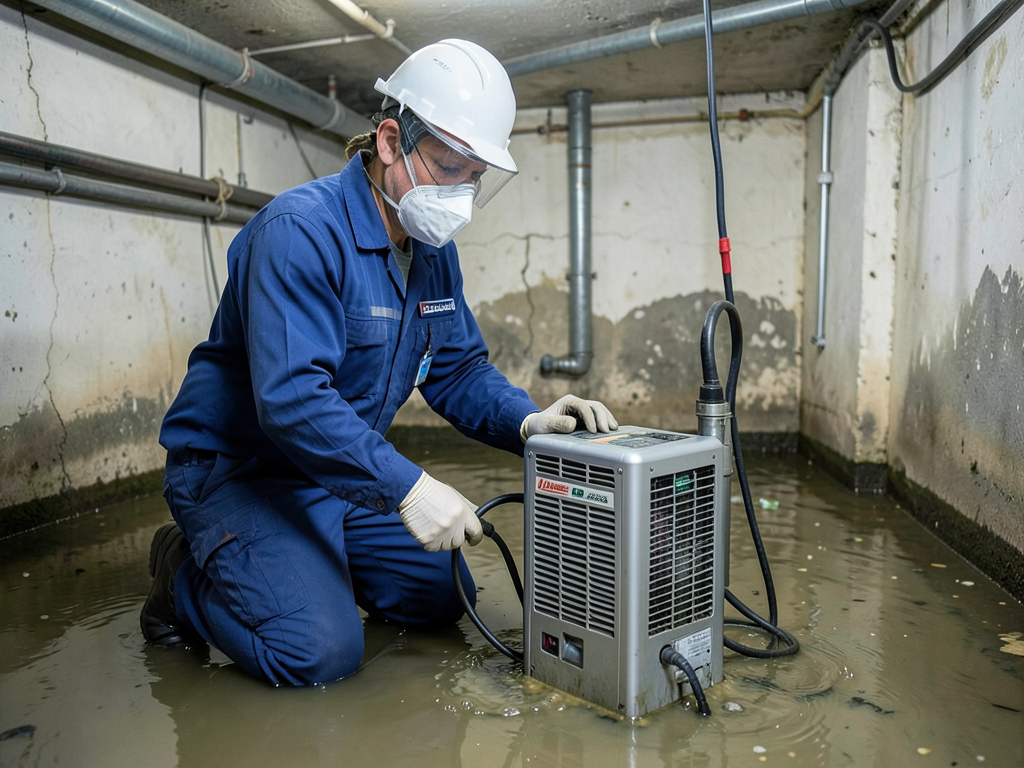
How Invasive Tree Roots Can Cause Your Older Woodlawn Sewer Line to Backup Tree roots can infiltrate your sewer line without warning causing sewage to back up into your basement or yard. In Woodlawn where…
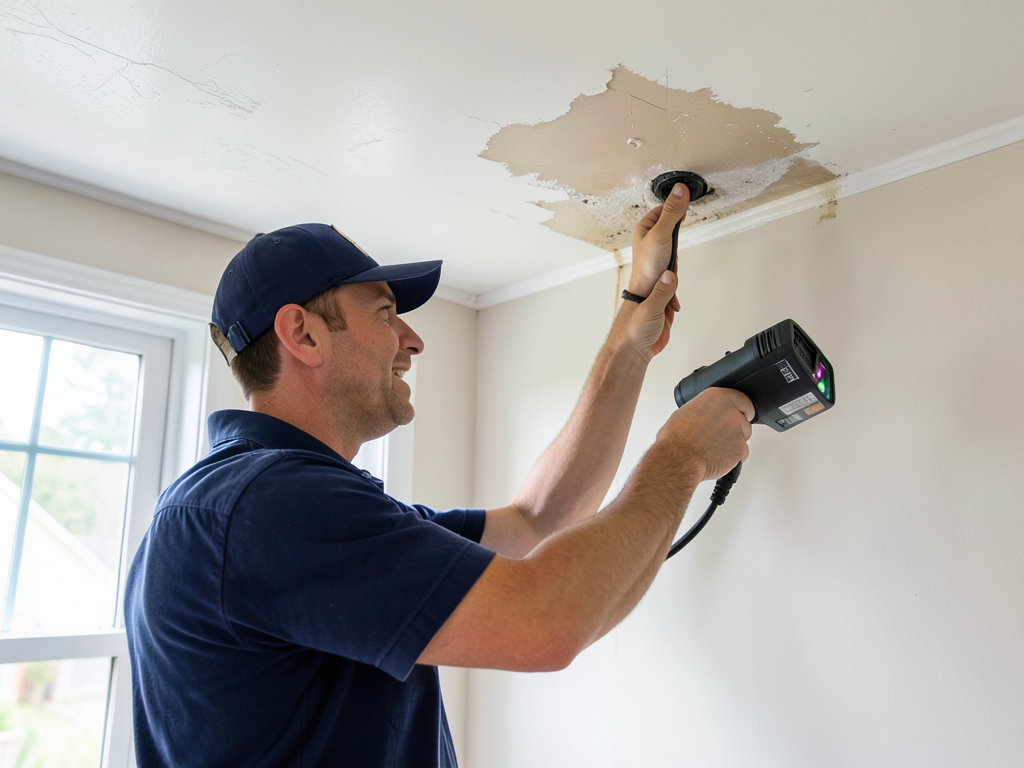
Why the Paint on Your Ceiling is Bubbling or Peeling and How to Fix It…

Water Damage Prevention Tips for Craft Breweries and Distilleries in Over-the-Rhine Craft breweries and distilleries…
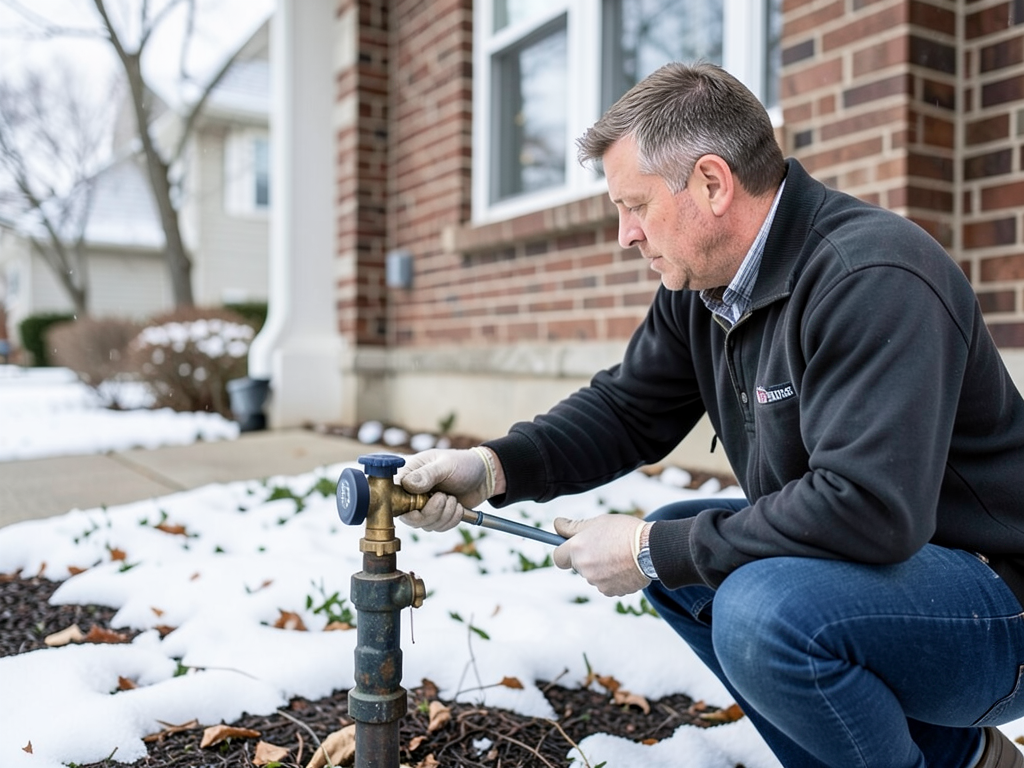
Protecting Your Outdoor Spigots from the Brutal Cincinnati Freeze-Thaw Cycle The first hard freeze in…
Water spreads fast through your Forest Park property. Every hour delays mold growth and increases repair costs. Call Ace Water Damage Restoration Cincinnati now at (513) 717-2522. We arrive within an hour with equipment loaded and ready to extract water, start drying, and coordinate your insurance claim.