




Menu

Sanitization & Odor Removal in Cincinnati – Eliminate Contaminants and Persistent Smells from Your Property

Professional disinfection and deodorization services that address bacteria, mold spores, and odor sources at the molecular level, restoring safe, breathable air to your Cincinnati home or business after water damage.

Slider Image 1
Slider Image 2
Slider Image 3
Slider Image 4
Slider Image 5
Slider Image 7
Slider Image 8
Slider Image 9
Slider Image 10
Slider Image 11

Why Water Damage in Cincinnati Creates Dangerous Contamination and Odor Problems

Cincinnati's Ohio River Valley humidity creates a perfect environment for bacterial growth and mold proliferation after water intrusions. When water sits in your basement, crawlspace, or commercial facility for even 24 hours, you face more than just structural damage. You face contamination.

The Ohio River basin's naturally high water tables mean flooding events often introduce Category 2 or Category 3 water into structures. Category 2 water contains biological contaminants from washing machines, dishwashers, or sump pump failures. Category 3 water includes sewage, river backflow, or stormwater runoff carrying bacteria, viruses, and parasites.

These contamination levels require antimicrobial treatment beyond simple drying. The porous limestone foundation walls common in older Cincinnati neighborhoods absorb contaminated water, creating ongoing odor sources even after visible moisture disappears. That musty smell in your Oakley bungalow or Mount Adams townhouse signals active microbial growth releasing volatile organic compounds into your breathing air.

Summer humidity exceeding 70 percent accelerates bacterial colonies. Winter freeze-thaw cycles in neighborhoods like Hyde Park and Clifton cause pipe bursts that spread contaminated water through insulation and wall cavities. Without proper sanitizing and deodorizing, you breathe airborne pathogens daily.

The respiratory risks increase for children, elderly residents, and anyone with compromised immunity. Professional odor control services target the source, not just the symptom. Surface cleaning misses 90 percent of contamination hiding in subflooring, drywall interiors, and HVAC ductwork.

Lingering smells indicate incomplete remediation. That sour odor signals active bacterial digestion. The ammonia smell means urine salts or decaying organic matter. These conditions worsen without intervention.

Why Water Damage in Cincinnati Creates Dangerous Contamination and Odor Problems
How Professional Disinfection and Deodorization Eliminates Contamination at the Source

How Professional Disinfection and Deodorization Eliminates Contamination at the Source

Effective sanitization requires understanding contamination types and selecting EPA-registered antimicrobial agents matched to specific pathogens. We use hospital-grade quaternary ammonium compounds for Category 2 water events and phenolic disinfectants for Category 3 sewage contamination.

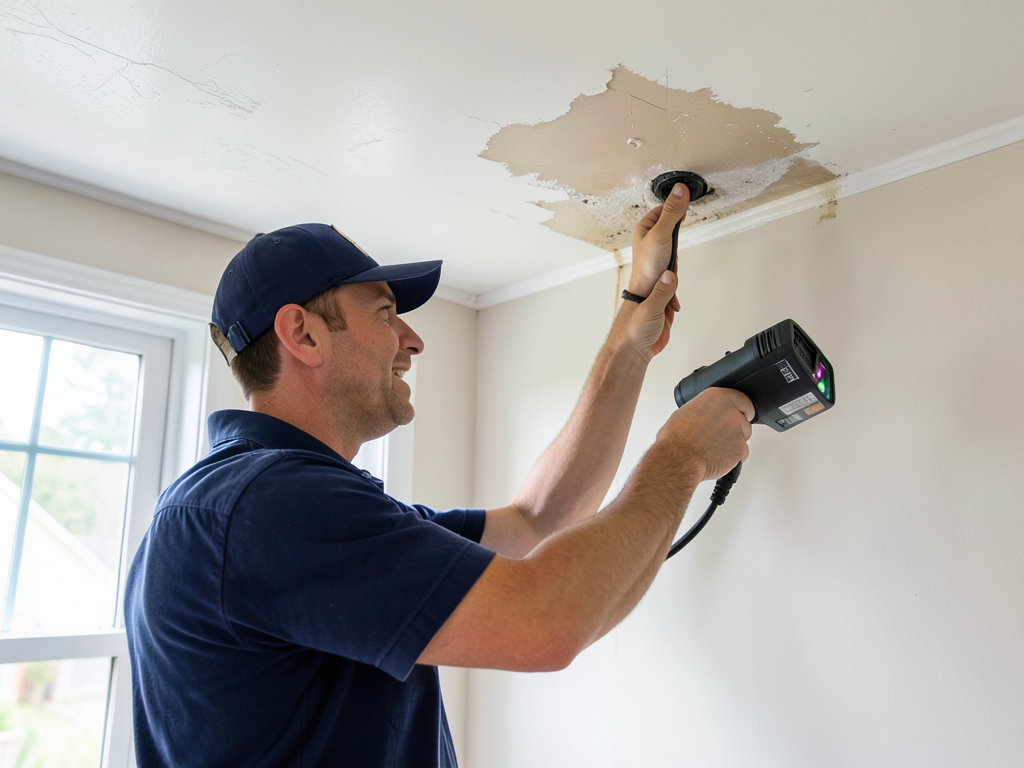
The process starts with moisture mapping using thermal imaging cameras. Hidden moisture in wall cavities, under vinyl flooring, or within ceiling tiles creates ongoing contamination reservoirs. We measure exact moisture content percentages in wood framing, concrete slabs, and drywall using penetrating moisture meters.

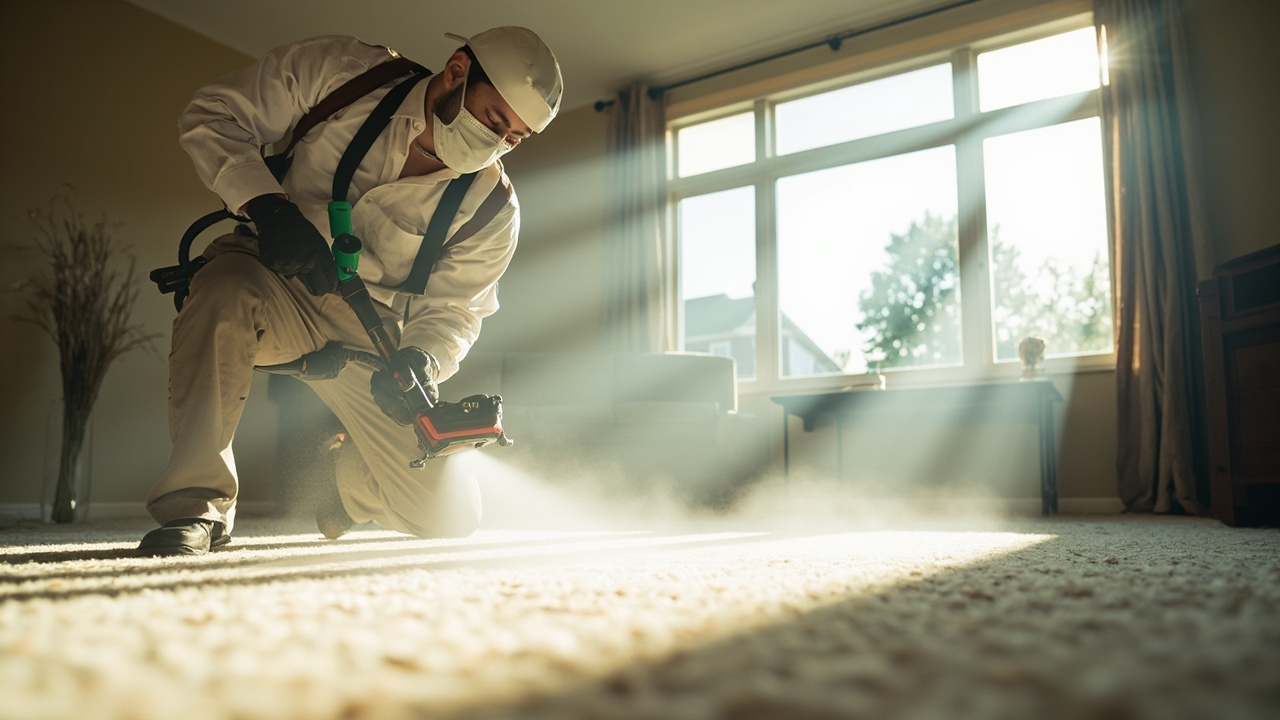
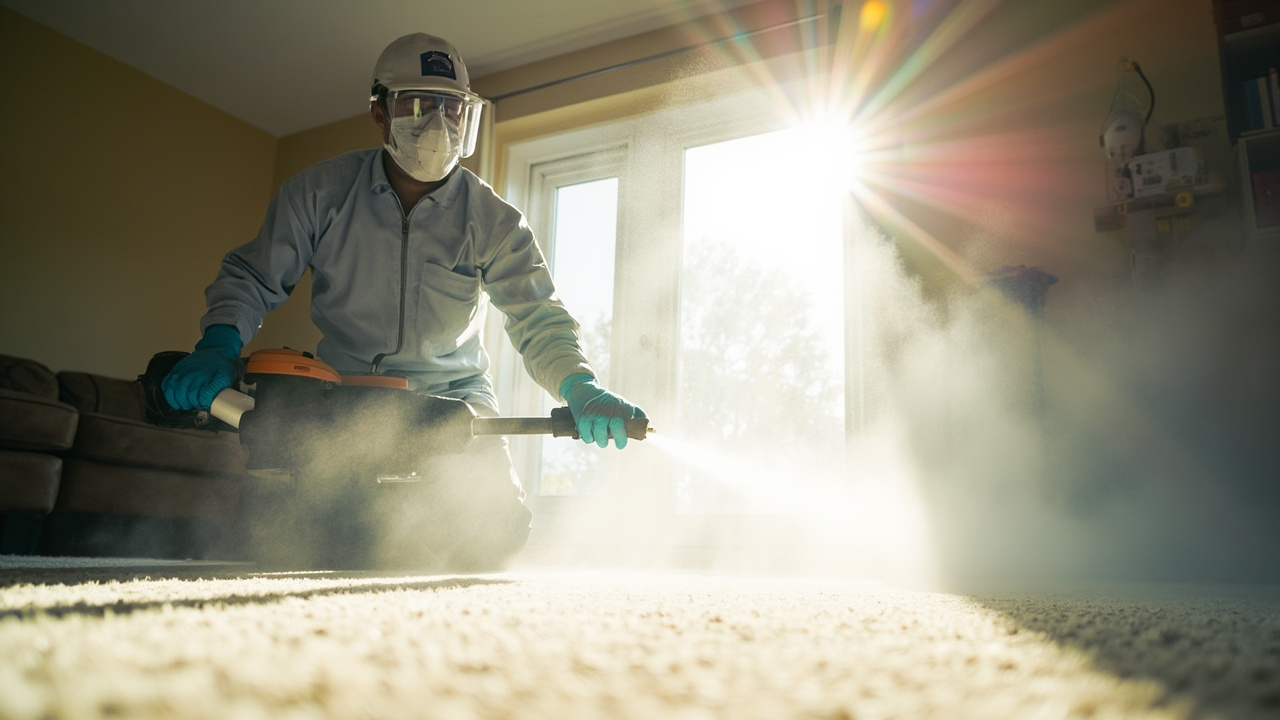
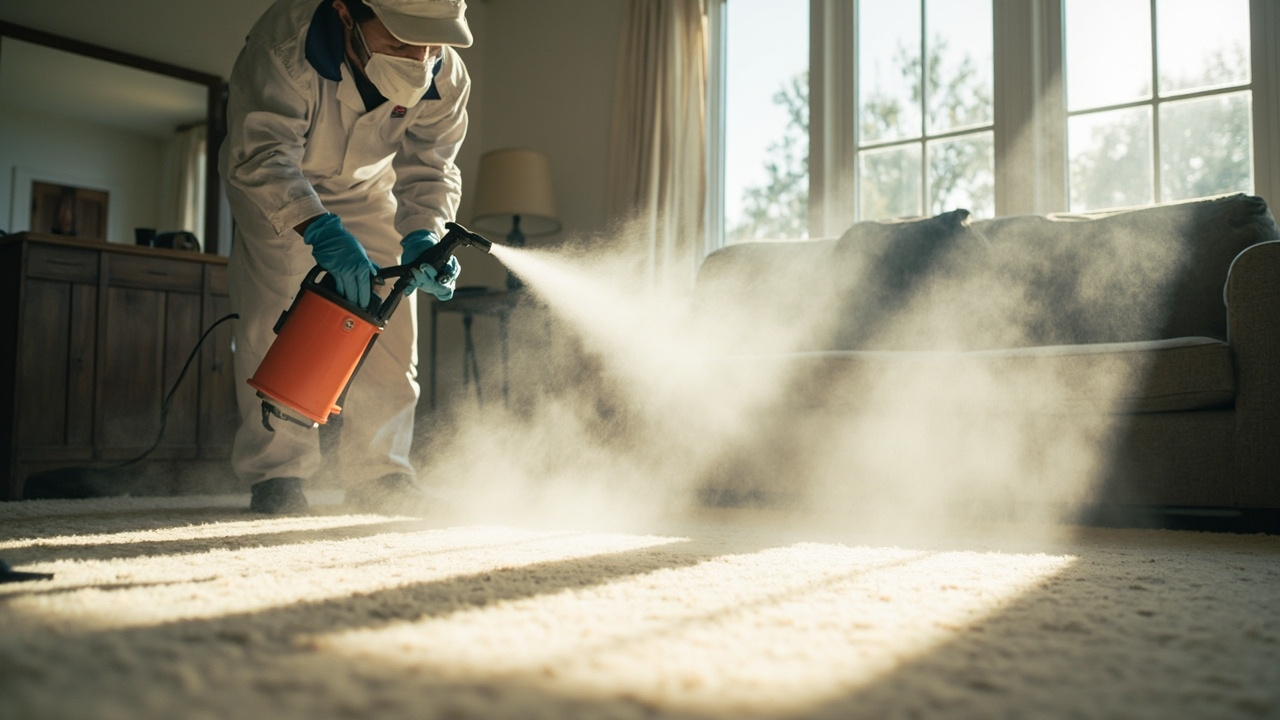
Once we identify all affected areas, we apply antimicrobial treatment through electrostatic sprayers. This technology charges disinfectant particles so they wrap around surfaces and penetrate porous materials. The charged mist reaches behind baseboards, into carpet backing, and across ceiling joists where manual wiping cannot access.

For odor abatement, we use hydroxyl generators and ozone machines depending on occupancy status. Hydroxyl technology safely operates in occupied spaces, breaking down odor molecules through advanced oxidation. Ozone treatment requires vacant properties but eliminates stubborn smoke, sewage, and decomposition odors by oxidizing organic compounds at the molecular level.

We inject antimicrobial fog into HVAC systems to sanitize ductwork that circulated contaminated air. Furnace plenums and return air channels in Cincinnati's older homes often contain decades of dust, mold spores, and bacteria activated by water events.

Structural cavities receive direct injection treatment. We drill small access points to treat wall interiors, crawlspaces, and rim joist areas where contamination hides. This prevents future odor release as humidity fluctuates seasonally.

Final air quality testing confirms particulate counts and bacterial levels meet safe thresholds before we close out projects.

What Happens During Your Sanitization Service

Sanitization & Odor Removal in Cincinnati – Eliminate Contaminants and Persistent Smells from Your Property
01

Contamination Assessment and Mapping

Our technicians inspect all water-damaged areas using thermal imaging and moisture detection equipment to identify contamination spread. We document Category 1, 2, or 3 water classification, measure affected square footage, and test air quality for baseline microbial counts. This data determines which antimicrobial agents and application methods will eliminate your specific contamination type. You receive a written scope detailing every area requiring treatment.
02

Targeted Antimicrobial Application

We apply EPA-registered disinfectants through electrostatic sprayers, ensuring complete surface coverage including hidden areas behind fixtures and inside wall cavities. Structural voids receive direct injection treatment to eliminate contamination in inaccessible spaces. HVAC systems get fogged with antimicrobial agents to sanitize ductwork. Odor control services deploy hydroxyl generators or ozone machines based on your occupancy needs. Each application follows dwell time requirements for maximum pathogen elimination.
03

Air Quality Verification

After treatment completion and proper ventilation periods, we conduct post-remediation air quality testing to verify bacterial and mold spore counts meet safe levels. Surface swab testing confirms disinfection effectiveness on high-touch areas. We provide documentation showing before and after contamination levels for insurance claims and health safety records. Your property receives clearance only when independent testing confirms complete sanitizing and deodorizing success.

Why Cincinnati Properties Need Local Expertise for Contamination Control

Cincinnati's unique construction characteristics demand local knowledge for effective sanitization. Homes built before 1950 in neighborhoods like Walnut Hills and Over-the-Rhine feature balloon framing that allows contaminated water to travel vertically through wall cavities from basement to attic. Without understanding this construction method, technicians miss hidden contamination zones.

The region's clay soil causes foundation settling and crack development. These openings allow groundwater intrusion during heavy rain events. Ace Water Damage Restoration Cincinnati knows which foundation types in your neighborhood face highest contamination risk and how to access and treat these vulnerable areas.

Local flood patterns matter. Properties near Mill Creek, the Little Miami River, or in the Queensgate industrial area face different contamination profiles than hillside homes in Mount Lookout or Anderson Township. River flooding introduces different bacterial loads than sanitary sewer backups common in older urban core neighborhoods with combined sewer systems.

We understand Hamilton County health department requirements for Category 3 water remediation. Commercial properties must meet specific disinfection standards before reoccupancy. Our documentation satisfies inspectors who enforce local public health codes.

Insurance claims in Ohio require proper contamination classification and treatment documentation. We provide detailed reports showing antimicrobial treatment methods, EPA registration numbers for chemicals used, and post-remediation verification testing. This documentation prevents claim denials based on inadequate sanitization.

Temperature and humidity cycles in the Ohio Valley create seasonal contamination risks. Spring flooding, summer humidity, and winter condensation each trigger different microbial growth patterns. We adjust treatment protocols seasonally to address these changing conditions.

Our technicians train specifically on the building materials, construction methods, and environmental factors affecting Cincinnati properties. This local expertise ensures complete contamination elimination.

What to Expect from Professional Odor Control Services

Rapid Response and Same-Day Service

We dispatch sanitization teams within two hours of your call. Early intervention prevents bacterial colonization and reduces contamination spread. Most residential sanitization projects begin the same day you contact us, with commercial facilities receiving priority scheduling to minimize business disruption. Our technicians arrive with truck-mounted equipment ready for immediate deployment. Weekend and evening services accommodate your schedule. The first 48 hours after water damage determine contamination severity, so speed matters for your health and property value.

Comprehensive Contamination Testing

Our assessment includes water category classification, surface contamination swabs, and air quality sampling for bacterial and mold spore counts. We use ATP meters to measure biological load on surfaces, providing instant contamination verification. Moisture meters identify hidden water reservoirs feeding microbial growth. Thermal imaging reveals temperature differentials indicating active evaporation and potential mold development. You receive a written report documenting contamination locations, types, and concentrations before we begin treatment. This baseline data proves remediation effectiveness and supports insurance documentation requirements.

Complete Odor Elimination and Clean Air

Successful treatment means zero lingering odors and air quality meeting residential safety standards for particulate counts under 500 particles per cubic meter. We eliminate smells by destroying odor molecules, not masking them with fragrances. Your property will smell neutral, not chemically treated. Surfaces will be dry, disinfected, and safe for contact. HVAC systems will circulate clean air free from mold spores and bacteria. We provide post-remediation verification reports showing final contamination levels and air quality measurements. Insurance companies and health officials accept our documentation for claims processing and occupancy clearance.

Ongoing Protection and Prevention Guidance

After sanitization completion, we provide recommendations to prevent future contamination events. This includes identifying plumbing vulnerabilities, improving drainage around foundations, and upgrading sump pump systems. We explain which building materials in your property remain susceptible to moisture intrusion and how to monitor them. Commercial clients receive facility management protocols for quick water damage response. We offer annual HVAC sanitization services to maintain indoor air quality. Our technicians educate you on recognizing early contamination signs like musty odors or visible mold spots so you can act before problems escalate.

Frequently Asked Questions

You Have Questions,
We Have Answers

What is the strongest odor eliminator? +

Professional-grade hydroxyl generators and thermal fogging systems are the strongest odor eliminators. These tools break down odor molecules at the molecular level, rather than masking them. Hydroxyl machines work safely in occupied spaces, while ozone generators require evacuation. For water damage jobs in Cincinnati, we pair these with enzymatic cleaners that target organic sources like mold or sewage. Cincinnati's humidity makes odor control harder, as moisture reactivates smells trapped in drywall and subflooring. Professionals use moisture meters and infrared cameras to find hidden sources before treating. Consumer sprays and candles only mask odors temporarily.

What do nursing homes use to get rid of urine smell? +

Nursing homes use enzymatic cleaners containing bacteria that digest urine compounds, breaking down uric acid crystals that cause persistent ammonia odors. They also deploy commercial air scrubbers with HEPA and carbon filters to remove airborne particles. For carpets and upholstery, facilities often use extraction cleaning with oxidizing agents. In Cincinnati nursing homes, high humidity can worsen urine odors by keeping materials damp longer. Professional restoration companies apply the same techniques for residential homes, identifying all contaminated materials including padding and subfloors. Complete removal requires treating both surface stains and underlying substrate where urine has soaked through.

How do I permanently get rid of a bad smell in my house? +

Permanently eliminating bad smells requires finding and removing the source, not covering it. In Cincinnati homes, common culprits include hidden water damage behind walls, crawlspace moisture, HVAC ductwork contamination, or decomposing materials. Start by inspecting basements and crawlspaces for dampness. Check under sinks, around water heaters, and behind appliances. If you cannot locate the source, professionals use thermal imaging and moisture detection tools. After removing the contaminated material, treat affected areas with antimicrobial solutions and seal porous surfaces. Dehumidifiers help control Cincinnati's high humidity, which keeps odors active. Surface treatments fail if the source remains.

What do nurses use to block smells? +

Nurses use mentholated ointment under their nostrils, peppermint oil on surgical masks, or scented balms to block strong odors during patient care. Some facilities provide vapor rub or essential oil applicators. These methods create olfactory fatigue, overwhelming smell receptors with stronger scents. However, these are temporary personal solutions, not odor removal strategies. For home health situations in Cincinnati where odor control matters, professionals address the source through deep cleaning, material removal, and air filtration. Blocking smells helps workers tolerate conditions temporarily but does not solve contamination problems that affect air quality and property value.

What kills all smells? +

Nothing kills all smells universally. Effective odor elimination depends on identifying the source. Organic odors like sewage, decomposition, or pet urine require enzymatic cleaners that break down proteins. Smoke damage needs hydroxyl treatment or thermal fogging. Mold odors require removing contaminated materials and treating with antimicrobials. Chemical odors may need activated carbon filtration or ozone treatment. In Cincinnati, water damage often creates multiple odor sources simultaneously, requiring layered approaches. Professionals test different treatments based on odor type. Ozone generators oxidize many odor molecules but require building evacuation and cannot treat porous materials where odors have penetrated deeply.

What do realtors use to make a house smell good? +

Realtors use staged baking techniques like fresh cookies or bread, vanilla extract on lightbulbs, or citrus cleaners to create welcoming scents during showings. Some hire professional stagers who use subtle diffusers with universally appealing fragrances. However, masking odors without addressing sources creates disclosure problems and inspection failures. Cincinnati's humid climate makes hidden water damage and mold common in older homes. Smart realtors hire restoration professionals before listing to identify and eliminate odor sources. Buyers bring inspectors who detect covered-up problems. Properly addressing water damage, pet contamination, or smoke odors before listing protects sale value and prevents legal issues.

What is the old lady's smell called? +

The odor associated with elderly individuals is commonly called nonenal. This compound increases in skin oils after age 40, creating a distinct musty or greasy smell. Japanese researchers identified 2-nonenal as the specific molecule responsible. In homes, this combines with other factors like reduced ventilation, medication odors, incontinence issues, and accumulated dust. Cincinnati's humidity amplifies these smells by keeping fabrics and surfaces damp. Addressing the odor requires regular deep cleaning of soft surfaces, improved ventilation, HEPA air filtration, and treating any underlying water damage or mold that makes the environment smell stale. Simple air fresheners do not resolve the issue.

How do professionals remove pee smell? +

Professionals remove urine smell by identifying all contaminated materials using UV lights and moisture meters. Urine soaks through carpet into padding and subfloors, where it crystallizes. Surface cleaning fails because crystals reactivate with humidity. The process includes removing contaminated padding, treating subfloors with enzymatic cleaners, sealing wood with odor-blocking primers, and replacing materials. In Cincinnati basements, concrete often absorbs pet urine deep into pores. Professionals apply specialized concrete treatments or seal surfaces. Commercial extraction equipment removes liquid from deep carpet fibers. Complete elimination requires treating every layer where urine penetrated, not just visible stains.

What do morticians use to block smells? +

Morticians use mentholated vapor rub under nostrils, scented masks, or essential oils like peppermint or eucalyptus to block decomposition odors during embalming. Funeral homes also deploy commercial air purifiers with activated carbon filters and run ventilation systems continuously. Some use vaporized formaldehyde or phenol-based disinfectants in preparation rooms. These are occupational coping strategies for professionals regularly exposed to strong odors. For Cincinnati homeowners dealing with undiscovered death or decomposition situations, restoration requires complete material removal, antimicrobial treatment, ozone or hydroxyl treatment, and sealing all porous surfaces. These jobs demand biohazard protocols and specialized equipment beyond standard cleaning.

What is the hardest smell to get rid of in a house? +

Decomposition, severe smoke damage, and methamphetamine contamination are the hardest smells to eliminate. These odors penetrate deeply into porous materials like drywall, insulation, and wood framing. Decomposition requires removing all affected materials and treating studs with sealants. Smoke from structure fires embeds tarry residue throughout buildings. Meth production leaves toxic chemical residues requiring specialized remediation. In Cincinnati, prolonged sewage backups in basements also create extreme odor problems as waste soaks into concrete and wood. Complete removal often requires gutting affected areas to studs, treating framing, and rebuilding. Surface cleaning or ozone treatment alone fails on these severe contamination levels.

How Cincinnati's River Valley Climate Accelerates Post-Flood Contamination

The Ohio River Valley's geographic bowl shape traps humid air, creating 75 to 85 percent relative humidity during summer months. This moisture-saturated atmosphere prevents water-damaged materials from drying naturally. Wet drywall, insulation, and wood framing in Cincinnati basements remain damp for weeks without mechanical drying, allowing bacterial colonies to establish within 48 hours. The region's limestone bedrock naturally contains calcium carbonate that neutralizes many commercial disinfectants, requiring specific antimicrobial treatment formulations effective in alkaline conditions. Properties near the riverfront in Riverside, Sayler Park, and California face additional contamination from periodic flooding that introduces silt, agricultural runoff, and sewage into structures.

Cincinnati's mixed-age housing stock demands specialized sanitization approaches. Victorian-era homes in Northside and Clifton Heights feature plaster walls over wood lath that absorb contaminated water like sponges, requiring injection treatment traditional surface cleaning cannot address. Post-war ranch homes in Finneytown and Greenhills have concrete slab foundations with minimal crawlspace access, necessitating specialized equipment to treat subflooring contamination. Our technicians understand these local construction variations and carry equipment specific to Cincinnati's building inventory. We maintain relationships with Hamilton County health inspectors and local insurance adjusters who recognize our documentation standards, ensuring smooth claims processing and occupancy clearance for your property.
Water Damage Restoration Services in The Cincinnati Area

We are proud to serve the entire Cincinnati area, providing expert water damage restoration services wherever and whenever they are needed. We understand the unique challenges our local community faces and are committed to being there for our neighbors. View our service area on the map to see how we can assist you, or simply give us a call for immediate dispatch to your location.

Address:
Ace Water Damage Restoration Cincinnati, 1507 Dana Ave, Cincinnati, OH, 45207

Additional Services We Offer

Our news updates

Latest Articles & News from The Blogs

Finding the Source of a Slab Leak in Your Mack Home Slab leaks in Mack OH homes are more than…

Finding the Source of a Slab Leak in Your Mack Home

Finding the Source of a Slab Leak in Your Mack Home Slab leaks in Mack OH homes are more than…

What to Do When Your Water Heater Bursts in Madisonville

Emergency Water Heater Burst Cleanup in Madisonville, Cincinnati \n\n A water heater burst in Madisonville creates immediate flooding that can…

Salvaging Important Paper Documents and Photos After an Amberley Village Flood

Salvaging Important Paper Documents and Photos After an Amberley Village Flood When floodwaters rush through Amberley Village basements, the damage…

Contact Us

Contamination worsens every hour water remains in your structure. Call (513) 717-2522 now for same-day sanitization and odor removal service. Our technicians eliminate bacteria, mold, and persistent smells using hospital-grade disinfection protocols. Stop breathing contaminated air.