




Menu

Fire Damage Safety Checklist in Cincinnati – Protect Your Family from Hidden Post-Fire Hazards

After the flames are gone, invisible threats remain. Our comprehensive fire damage safety checklist helps Cincinnati homeowners identify toxic residue, structural weaknesses, and water contamination that threaten your family's health and your property's integrity.

Slider Image 1
Slider Image 2
Slider Image 3
Slider Image 4
Slider Image 5
Slider Image 7
Slider Image 8
Slider Image 9
Slider Image 10
Slider Image 11

Why Post-Fire Safety Demands Immediate Attention in Cincinnati Properties

You survived the fire. The trucks left. The smoke cleared. But the danger did not disappear with the flames.

Cincinnati's climate creates unique post-fire risks that many property owners overlook. The Ohio River Valley's high humidity accelerates mold growth in water-saturated materials within 48 hours of fire suppression efforts. When firefighters douse flames with thousands of gallons of water, they create secondary damage that compounds the original destruction.

Soot and ash contain toxic compounds that bond to porous surfaces. Your brick facades and limestone foundations, common in Cincinnati's historic neighborhoods like Over-the-Rhine and Mount Adams, absorb these contaminants deep into their structure. You cannot see them. You cannot smell them after a few days. But they corrode metal, degrade wood, and release particles into the air you breathe.

Post-fire safety steps begin the moment the fire department clears the scene. Structural timbers weaken from heat exposure. Electrical systems short out. Gas lines crack. Water from suppression efforts seeps into wall cavities and subflooring, creating breeding grounds for microbial growth.

Every hour you delay proper post-fire hazard assessment increases repair costs and health risks. Smoke damage penetrates HVAC systems, spreading contamination to rooms the fire never touched. The fire recovery safety guide you follow in the first 72 hours determines whether you save your property or lose it to progressive deterioration.

Cincinnati fire damage requires more than cleanup. It demands systematic evaluation following a fire damage safety protocol that addresses both visible destruction and hidden threats.

Why Post-Fire Safety Demands Immediate Attention in Cincinnati Properties
The Professional Approach to Post-Fire Property Assessment

The Professional Approach to Post-Fire Property Assessment

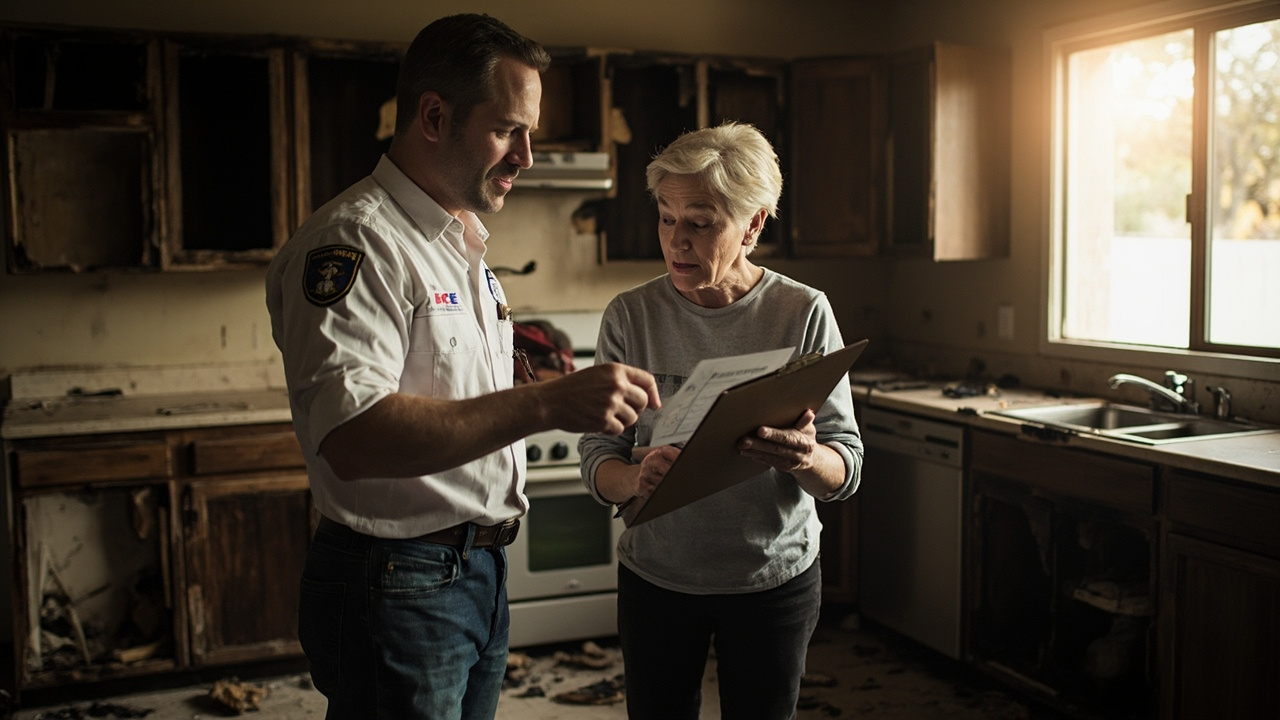
After fire safety precautions begin with documentation before you touch anything. Insurance adjusters need photographic evidence of damage in its original state. Moving debris or cleaning surfaces before professional assessment can void coverage for hidden damage discovered later.

Structural evaluation comes first. We inspect load-bearing walls, floor joists, and roof trusses for heat degradation and water saturation. Wood loses 50% of its structural capacity at 300 degrees. Metal fasteners weaken. Concrete spalls. You cannot determine structural integrity by looking at char patterns alone.

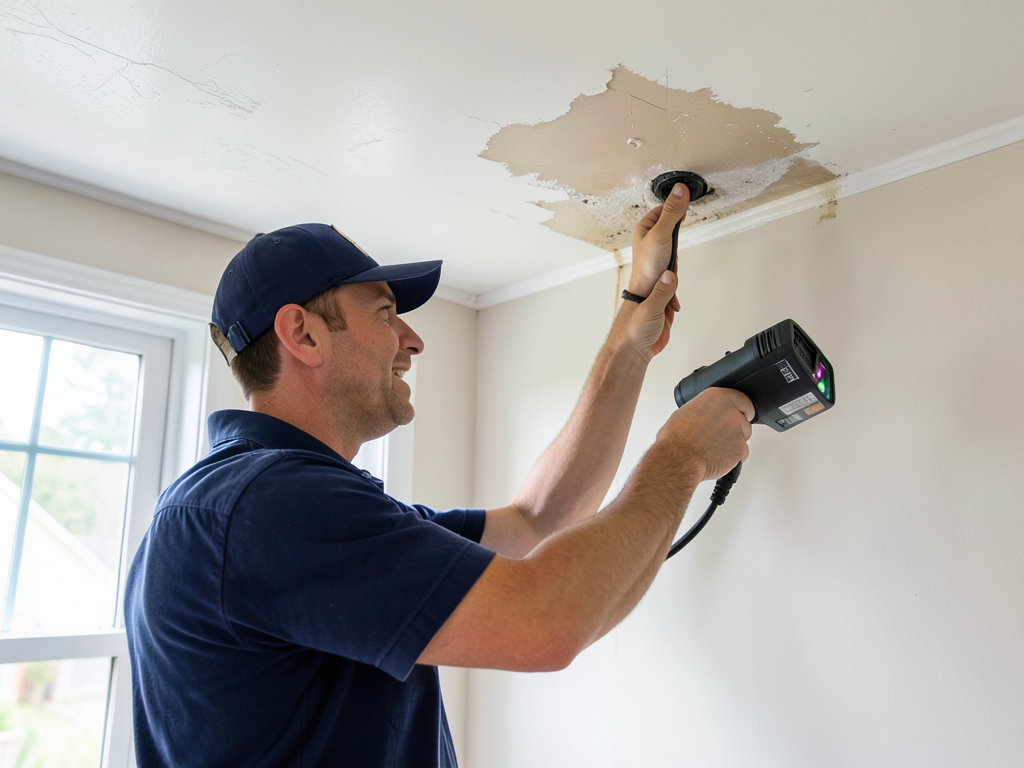
Moisture mapping identifies water intrusion from suppression efforts. Thermal imaging cameras reveal moisture trapped inside walls and ceilings. Moisture meters measure saturation levels in materials. This data guides extraction priorities and prevents mold colonization.

Air quality testing detects volatile organic compounds, particulate matter, and carbon residue concentrations. Soot produces acidic byproducts that corrode surfaces and irritate respiratory systems. We test for these compounds before authorizing occupancy.

Cross-contamination prevention isolates affected areas from clean zones. Negative air pressure prevents airborne particles from spreading. HEPA filtration captures submicron particles. Physical barriers contain debris during demolition.

The fire recovery safety guide we follow addresses electrical hazards, compromised gas lines, and unstable building elements before restoration begins. We document every finding for insurance claims and code compliance.

Cincinnati's building codes require permits for structural repairs after fire damage. We coordinate inspections and ensure work meets current standards, which often differ from the codes in place when older properties were built. This protects you from liability and ensures your property remains insurable.

How We Execute Your Post-Fire Safety Evaluation

Fire Damage Safety Checklist in Cincinnati – Protect Your Family from Hidden Post-Fire Hazards
01

Initial Site Securing

We establish site safety protocols before entry. This includes utility disconnection verification, structural stability assessment from the exterior, and hazardous materials identification. Personal protective equipment requirements are determined based on contamination levels. Entry points are documented and secured. Emergency egress routes are identified. This prevents injury during evaluation and protects the chain of evidence for insurance claims.
02

Comprehensive Damage Mapping

Room-by-room documentation captures visible and hidden damage. Thermal imaging identifies hot spots indicating smoldering materials. Moisture meters quantify water saturation. Soot patterns reveal combustion pathways. Structural elements are photographed and measured for deflection or deformation. Air samples are collected for laboratory analysis. This data creates a prioritized restoration roadmap and supports accurate insurance estimates for your claim adjuster.
03

Safety Protocol Implementation

We deliver a written post-fire hazard checklist specific to your property. This document identifies immediate dangers requiring professional remediation and items you can safely address yourself. Utility reconnection authorization is provided only after hazard elimination. Air quality clearance standards are established before occupancy approval. Your checklist becomes the framework for contractors, adjusters, and inspectors moving forward through the restoration process.

Why Cincinnati Property Owners Trust Ace Water Damage Restoration Cincinnati for Post-Fire Safety

Fire damage creates chaos. You need clarity. We provide it through systematic evaluation based on 30 years of restoration experience in the Cincinnati metro area.

Our technicians understand how fire behaves in the building types common to this region. The balloon-frame construction in Northside's Victorian homes allows fire to spread vertically through open wall cavities. The brick veneer construction popular in Anderson Township retains heat longer, causing delayed damage to interior framing. The concrete block construction in West Chester's commercial buildings cracks under thermal stress, requiring specialized assessment techniques.

We work directly with Cincinnati fire departments, insurance carriers licensed in Ohio, and local building officials. This coordination eliminates delays in your restoration timeline and prevents coverage disputes that could cost you thousands.

After fire safety precautions require knowledge of local environmental factors. Cincinnati's freeze-thaw cycles cause water-damaged building materials to fail faster than in warmer climates. Prompt water extraction and dehumidification prevent ice crystal formation in saturated materials, which expands and destroys cellular structure.

Our fire damage safety protocol addresses code compliance for properties built before modern standards. Many Cincinnati homes predate requirements for fire blocking, proper ventilation, and modern electrical systems. We identify code upgrade requirements early in the process, preventing surprises during permit inspections.

We maintain relationships with structural engineers, industrial hygienists, and environmental testing laboratories throughout the region. When your property requires specialized expertise beyond restoration scope, we coordinate those evaluations and integrate findings into your comprehensive safety checklist.

You receive written documentation at every stage. This protects your insurance claim, guides your contractors, and provides legal protection if questions arise about restoration decisions.

What You Can Expect From Our Post-Fire Safety Assessment

Response Timeline and Availability

We dispatch teams within two hours of your call, 24 hours a day. Post-fire hazard assessment cannot wait for business hours. Every hour of delay increases secondary damage and health risks. Our initial evaluation takes three to five hours depending on property size and damage severity. You receive a verbal briefing immediately after inspection and a written report within 24 hours. This timeline ensures insurance claims begin promptly and restoration can proceed without unnecessary delays that compound your losses.

Inspection Process and Documentation

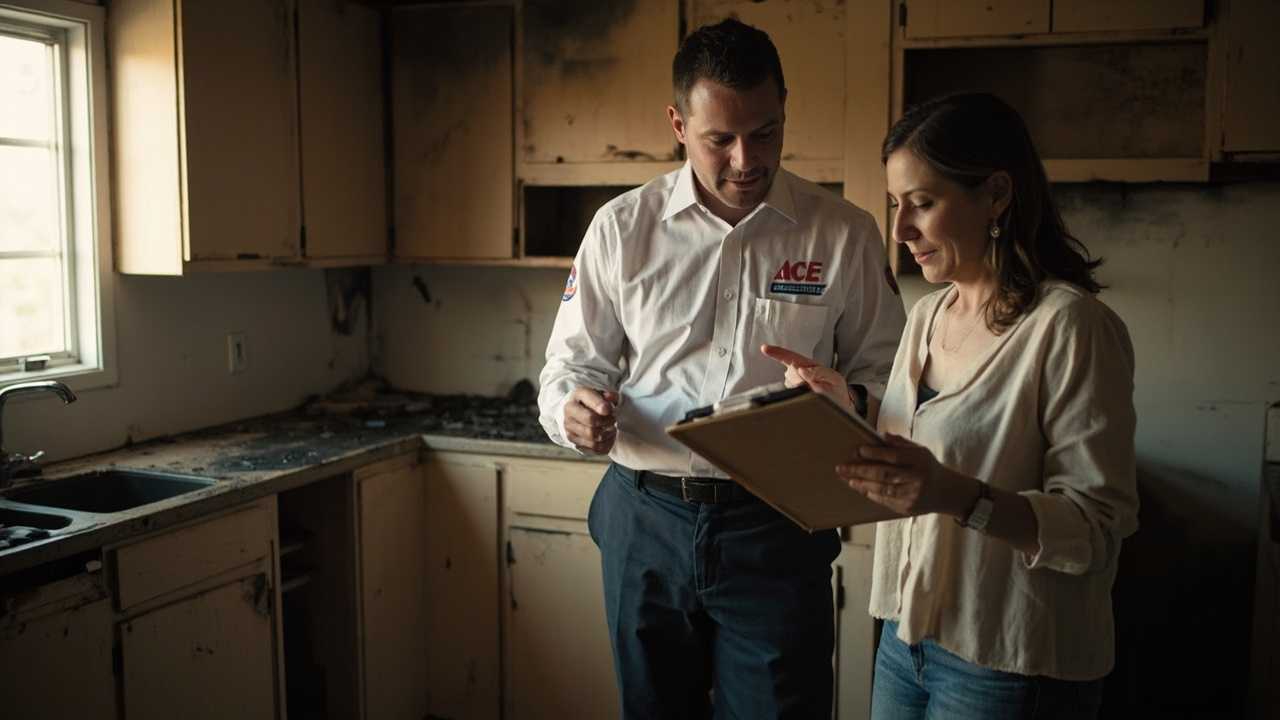
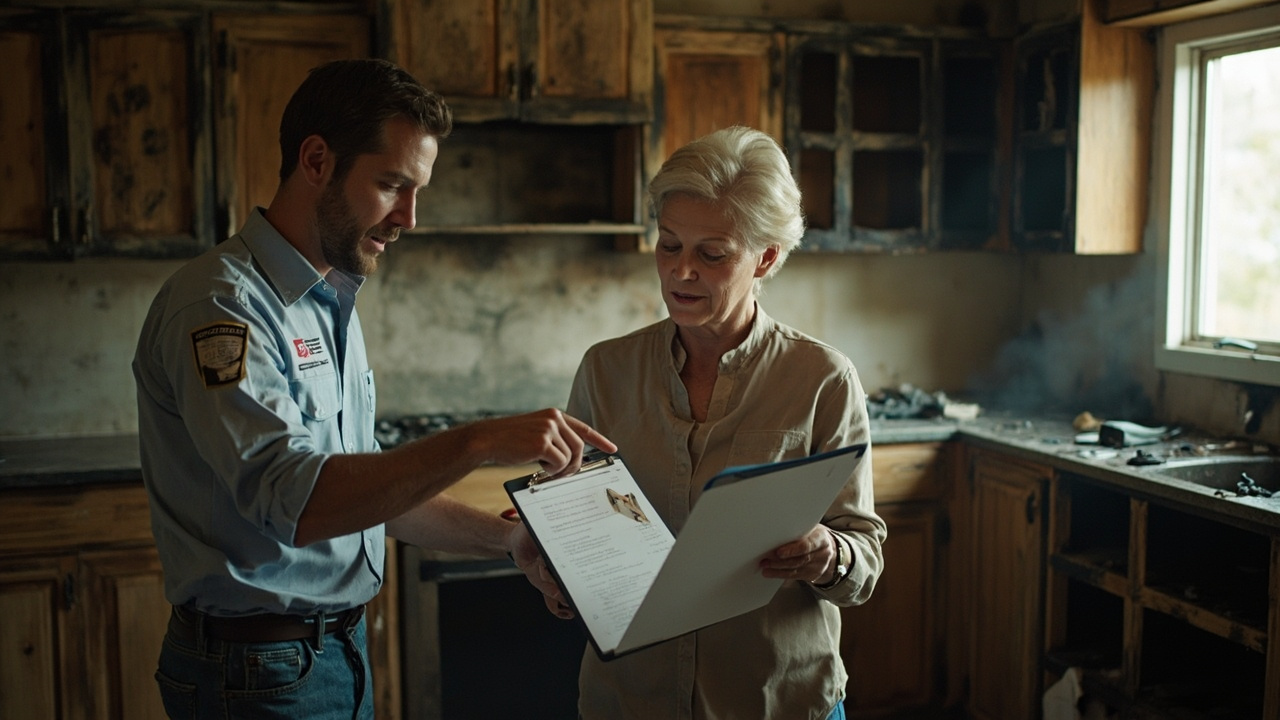
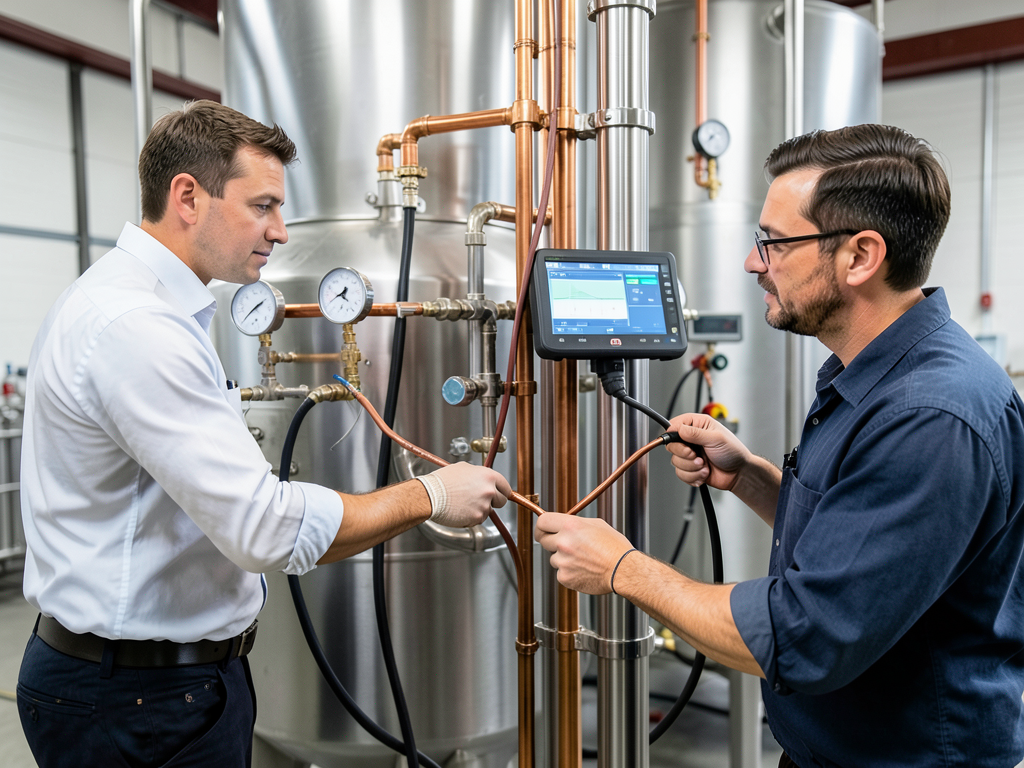
Our technicians use calibrated moisture meters, thermal imaging cameras, and particle counters during evaluation. You accompany us through the property if structural conditions permit safe access. We explain findings in plain language without technical jargon that obscures important information. Photography and video document every affected area from multiple angles. Air samples are collected and sent to accredited laboratories for analysis. You receive copies of all documentation for your records and insurance submission. This transparency eliminates uncertainty about what happened and what needs repair.

Safety Checklist Deliverable

Your written fire damage safety checklist categorizes hazards by severity and required action. Red flag items demand immediate professional attention before anyone enters affected areas. Yellow flag items require monitoring and scheduled remediation. Green items can be addressed by property owners following specific guidelines. Each item includes photographic reference, location description, and recommended corrective action. This checklist serves as your roadmap through the restoration process and prevents dangerous mistakes that occur when property owners attempt repairs beyond their capability or understanding.

Follow-Up Verification and Clearance

After remediation work completes, we return for clearance testing. Air quality retesting confirms contaminant levels have dropped to safe ranges. Moisture readings verify materials have dried to acceptable levels. Structural repairs are visually inspected for proper execution. You receive written clearance documentation authorizing occupancy. This final verification protects your family from premature return to unsafe conditions and provides proof to insurance carriers that restoration was completed properly. Follow-up inspections are available at 30, 60, and 90 days to confirm no latent issues have developed.

Frequently Asked Questions

You Have Questions,
We Have Answers

How Cincinnati's Historic Building Stock Complicates Fire Recovery Safety Protocols

Cincinnati contains over 50,000 buildings constructed before 1940, many featuring plaster walls, knob-and-tube wiring, and unreinforced masonry. These older construction methods create unique fire damage safety challenges. Plaster walls absorb water and collapse days after suppression efforts end. Knob-and-tube wiring lacks ground protection, creating electrocution hazards when wet. Unreinforced masonry walls lose lateral stability after thermal shock from fires and cold water application. Your post-fire safety steps must account for these older materials, which behave differently than modern construction under fire stress and water exposure.

Ace Water Damage Restoration Cincinnati has evaluated fire damage in properties throughout Hamilton County for three decades. We understand the specific risks in neighborhoods like Clifton, Hyde Park, and Oakley where historic buildings dominate. Our technicians work with the Cincinnati Building Department and Historic Conservation Board to ensure restoration maintains historic character while meeting current safety standards. This local expertise prevents code violations, preserves property value, and protects you from liability that arises when restoration work fails to meet regulatory requirements specific to older Cincinnati properties.
Water Damage Restoration Services in The Cincinnati Area

We are proud to serve the entire Cincinnati area, providing expert water damage restoration services wherever and whenever they are needed. We understand the unique challenges our local community faces and are committed to being there for our neighbors. View our service area on the map to see how we can assist you, or simply give us a call for immediate dispatch to your location.

Address:
Ace Water Damage Restoration Cincinnati, 1507 Dana Ave, Cincinnati, OH, 45207

Additional Services We Offer

Our news updates

Latest Articles & News from The Blogs

Finding the Source of a Slab Leak in Your Mack Home Slab leaks in Mack OH homes are more than…

Finding the Source of a Slab Leak in Your Mack Home

Finding the Source of a Slab Leak in Your Mack Home Slab leaks in Mack OH homes are more than…

What to Do When Your Water Heater Bursts in Madisonville

Emergency Water Heater Burst Cleanup in Madisonville, Cincinnati \n\n A water heater burst in Madisonville creates immediate flooding that can…

Salvaging Important Paper Documents and Photos After an Amberley Village Flood

Salvaging Important Paper Documents and Photos After an Amberley Village Flood When floodwaters rush through Amberley Village basements, the damage…

Contact Us

Do not risk your health or your property value by skipping professional evaluation. Call Ace Water Damage Restoration Cincinnati at (513) 717-2522 for immediate dispatch. Our fire damage safety protocol protects your family and your investment while supporting your insurance claim.