




Menu

Flood Cleanup & Extraction in Cincinnati – 24/7 Emergency Water Removal When Basements and Buildings Flood

When the Ohio River basin overwhelms storm drains or heavy rainfall saturates Cincinnati's hillside neighborhoods, rapid flood damage restoration and professional water extraction prevent structural collapse, mold colonization, and insurance claim denials.

Slider Image 1
Slider Image 2
Slider Image 3
Slider Image 4
Slider Image 5
Slider Image 7
Slider Image 8
Slider Image 9
Slider Image 10
Slider Image 11

Why Cincinnati Floods Faster Than Most Cities

Cincinnati sits in a valley where the Ohio River meets Mill Creek and the Little Miami River. When spring storms dump three inches in two hours, water runs downhill fast. Neighborhoods like Lower Price Hill, East End, and Columbia-Tusculum flood first because gravity pulls runoff into basements and first floors.

The city's combined sewer system makes it worse. When storm drains overflow, raw sewage mixes with floodwater. You are not just dealing with rainwater. You are dealing with contaminated Category 3 water that carries bacteria, chemicals, and waste.

Cincinnati's clay soil does not absorb water well. When ground saturation hits 100 percent, water pools on streets and seeps through foundation cracks. Older homes in Over-the-Rhine and Northside were built before modern waterproofing standards. Their limestone foundations wick moisture like a sponge.

Flood damage restoration starts the moment water enters your property. Every hour you wait, water migrates deeper into drywall, insulation, and subflooring. Emergency water extraction within the first 24 hours determines whether you repair or rebuild.

Mold spores germinate in 48 hours. Structural wood begins to warp and rot. Electrical systems corrode. Water mitigation services are not optional. They are the difference between a $5,000 cleanup and a $50,000 reconstruction.

When floodwater breaches your building, you need water removal services that understand Cincinnati's unique hydrology and act fast.

Why Cincinnati Floods Faster Than Most Cities
How Professional Water Extraction Stops Structural Damage

How Professional Water Extraction Stops Structural Damage

Water does not just sit on surfaces. It infiltrates porous materials through capillary action and gravity. Drywall wicks moisture 12 inches above the waterline. Hardwood floors cup and buckle as moisture content rises above 12 percent. Subfloor plywood delaminates when it stays wet for more than 72 hours.

Ace Water Damage Restoration Cincinnati uses truck-mounted extractors that pull 200 gallons per minute. We do not use shop vacs. We deploy industrial submersible pumps for standing water, then follow with weighted extraction tools that compress carpet and padding to remove embedded moisture.

After extraction, we measure moisture content with pin-type and non-invasive meters. We test walls, baseboards, and subflooring to identify hidden saturation. If readings exceed 17 percent moisture content, we document it for your insurance adjuster and map the affected zones.

Air movement is critical. We position axial fans to create horizontal airflow across wet surfaces and low-grain refrigerant dehumidifiers to remove moisture from the air. We do not guess. We calculate the grain depression ratio and adjust equipment daily based on psychrometric readings.

Antimicrobial application follows structural drying. We treat all Category 2 and Category 3 water exposure with EPA-registered disinfectants to kill bacteria and inhibit mold growth.

Water damage cleanup is a science. Improper drying creates hidden mold colonies inside wall cavities and under flooring. You will not see it until months later when black stains appear and respiratory symptoms start. We dry structures to IICRC S500 standards because that is what prevents callbacks and protects your health.

What Happens During Emergency Flood Extraction

Flood Cleanup & Extraction in Cincinnati – 24/7 Emergency Water Removal When Basements and Buildings Flood
01

Immediate Water Removal

We arrive with truck-mounted extractors and submersible pumps to remove standing water from basements, crawlspaces, and ground floors. We locate the water source, shut off supply lines if needed, and extract pooled water within the first hour. Speed matters because water spreads 50 square feet per hour through porous materials. We document water levels and contamination category for insurance reporting.
02

Moisture Detection and Mapping

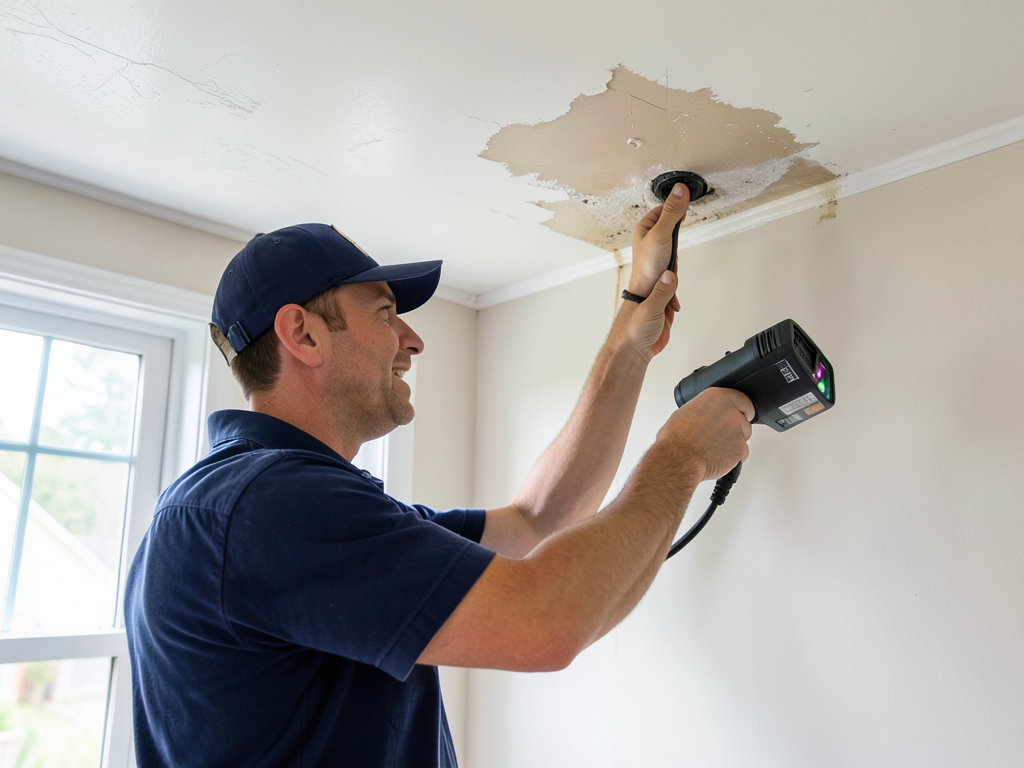
After extraction, we use thermal imaging cameras and moisture meters to find hidden saturation in walls, ceilings, and subflooring. We test structural wood, insulation, and concrete slabs to create a moisture map. This map guides equipment placement and tells us which materials need removal versus drying. We photograph all affected areas and log moisture readings daily to prove drying progress to your insurance carrier.
03

Structural Drying and Restoration

We position commercial dehumidifiers and air movers to dry structures to less than 15 percent moisture content, which is the threshold for microbial growth. We monitor equipment daily and adjust airflow based on psychrometric data. Once structures reach equilibrium moisture content, we remove equipment, apply antimicrobial treatments, and begin repairs. You get documentation of drying logs, microbial protocols, and moisture readings for insurance and resale disclosure.

Why Local Expertise Matters for Cincinnati Flood Restoration

Cincinnati's flood patterns are predictable if you know the terrain. Neighborhoods along Mill Creek flood during rapid snowmelt. Hillside areas like Mount Adams and Clifton Heights see flash flooding when storm drains clog with debris. Basin areas near Lunken Airport and the riverfront flood when the Ohio River crests above 52 feet.

Ace Water Damage Restoration Cincinnati responds to these areas daily. We know which basements flood from hydrostatic pressure and which ones flood from sewer backups. We know that homes built before 1960 have clay tile drains that collapse and that newer subdivisions in Green Township have French drains that fail when sump pumps quit.

Insurance adjusters in Cincinnati are familiar with flood exclusions. They know the difference between surface water intrusion and plumbing failures. We document water sources, take photos, and provide narrative reports that clarify coverage. We work directly with your adjuster to expedite claims.

We also understand local building codes. Cincinnati requires vapor barriers under concrete slabs in basements. When we remove wet carpet and padding, we inspect for proper moisture barriers and recommend upgrades if needed. We coordinate with city inspectors for permits when structural repairs involve load-bearing walls or electrical systems.

Local knowledge prevents mistakes. Out-of-town franchises do not know that Combined Sewer Overflow events happen 30 times per year in Cincinnati or that the Metropolitan Sewer District offers backwater valve rebates to prevent future flooding. We provide solutions tailored to your neighborhood's specific flood risk.

When you hire local experts, you get technicians who live here, train here, and restore properties here every day.

What to Expect During Flood Cleanup Services

Emergency Response Time

We answer calls 24 hours a day, seven days a week, including holidays. When you call, you talk to a dispatcher who sends a technician immediately, not a voicemail system. Our average response time for Cincinnati and surrounding Hamilton County locations is under 90 minutes. We arrive with extraction equipment loaded and ready to begin water removal. For contaminated floodwater, we bring PPE and antimicrobial solutions. We do not wait until morning. Every hour of delay increases structural damage and mold risk. You get technicians on-site fast because flood damage does not keep business hours.

Inspection and Damage Assessment

Before we start equipment, we walk your property to identify the water source, measure affected square footage, and classify contamination level. We use thermal cameras to detect hidden moisture in walls and ceilings that you cannot see. We test humidity levels, document pre-existing damage, and photograph every affected room. You receive a written scope of work that breaks down extraction, drying, and restoration phases. We explain what your insurance will likely cover and what falls outside policy limits. This assessment takes 30 to 60 minutes and prevents disputes later when bills arrive.

Drying and Restoration Quality

We dry structures to IICRC S500 standards, which means moisture content below 15 percent in all building materials. We do not remove equipment until moisture meters confirm equilibrium. You get daily logs showing humidity levels, temperature, and moisture readings. After drying, we remove damaged drywall, insulation, and flooring that cannot be saved. We treat all surfaces with antimicrobial agents to prevent mold. Restoration includes subfloor replacement, drywall installation, painting, and carpet reinstallation. You get a property that is dry, safe, and ready to occupy, not a half-finished cleanup with lingering moisture problems.

Insurance Coordination and Documentation

We bill your insurance company directly if you have flood or homeowners coverage that includes water damage. We provide your adjuster with moisture logs, equipment placement diagrams, before-and-after photos, and a detailed estimate. If your claim is denied or underpaid, we provide documentation for your appeal. We do not negotiate settlements on your behalf, but we give you the evidence you need to fight for fair compensation. For out-of-pocket customers, we offer payment plans. You get transparency on costs, clear invoices, and documentation that meets lender and resale requirements.

Frequently Asked Questions

You Have Questions,
We Have Answers

How much does flood removal cost? +

Flood removal costs vary based on water category, affected square footage, and structural damage. Clean water extraction in a small area starts lower than sewage-contaminated floodwater requiring full remediation. Cincinnati homes with finished basements or crawl spaces often face higher costs due to drywall removal, insulation replacement, and mold prevention. Structural drying equipment, antimicrobial treatments, and debris haul-off add to the total. Most restoration companies provide free assessments and work directly with your insurance carrier to clarify coverage. The key cost drivers are contamination level, extent of material removal, and drying time required.

How much does it cost to clean a basement after a flood? +

Basement flood cleanup costs depend on water depth, contamination source, and damaged materials. A minor clean water incident affecting concrete floors costs less than category three floodwater that saturates drywall, carpeting, and personal belongings. Cincinnati basements with sump pump failures or sewer backups require sanitation protocols that increase labor and disposal fees. Expect charges for water extraction, structural drying, antimicrobial application, and material removal. Dehumidifiers and air movers run for several days to prevent mold growth in Ohio's humid climate. Request itemized estimates from local restoration companies and verify they handle insurance claims documentation.

Does flood insurance pay for clean-up? +

Flood insurance typically covers cleanup and restoration if you hold a separate flood policy through the National Flood Insurance Program or private carrier. Standard homeowners policies exclude flood damage in Cincinnati. Your flood policy pays for water extraction, drying equipment, structural repairs, and mold remediation up to policy limits. Document everything with photos before cleanup begins. Restoration companies experienced with flood claims handle direct billing and provide detailed scope reports for adjusters. Review your policy declarations page to understand coverage limits and deductibles. Filing promptly protects your claim and prevents coverage disputes over delayed mitigation efforts.

How much does Servpro cost to clean a basement? +

National restoration chains price basement cleanup based on standardized formulas that factor in square footage, water category, and material removal. Their estimates often include franchise overhead and corporate fees. Cincinnati homeowners should compare multiple local and national providers. Costs cover extraction, drying equipment rental, antimicrobial treatment, and labor hours. Equipment runs continuously for three to five days in typical basements. Ask for itemized breakdowns that separate extraction, drying, demo, and disposal charges. Local restoration companies familiar with Cincinnati building codes and insurance requirements often provide competitive pricing with faster response times and personalized service focused on your specific neighborhood conditions.

How Cincinnati's Combined Sewer System Complicates Flood Cleanup

Cincinnati's sewer infrastructure combines stormwater runoff and sanitary sewage in the same pipes. When heavy rain exceeds system capacity, the Metropolitan Sewer District diverts overflow into the Ohio River and Mill Creek to prevent backups. But during extreme weather, that overflow reverses into basement drains and floor drains in low-lying neighborhoods. This creates Category 3 contaminated floodwater that requires biohazard protocols. Standard water extraction is not enough. You need technicians trained in sewage remediation who use hospital-grade disinfectants and remove contaminated porous materials like drywall and insulation. Cincinnati residents in flood-prone zones like Lower Price Hill and East End deal with this repeatedly, which is why proper water mitigation services must address contamination, not just moisture removal.

Ace Water Damage Restoration Cincinnati works with local plumbers, structural engineers, and insurance adjusters who understand Combined Sewer Overflow risks and Hamilton County building codes. We document water sources carefully because insurance policies exclude surface water flooding but cover sudden plumbing failures. We know which neighborhoods qualify for Metropolitan Sewer District backwater valve rebates and which properties need sump pump upgrades to prevent future basement flooding. Local expertise matters because out-of-town companies misclassify water sources, delay insurance claims, and miss contamination risks. When you hire technicians who respond to Cincinnati floods daily, you get accurate documentation, proper remediation protocols, and solutions that address your property's specific flood vulnerability.
Water Damage Restoration Services in The Cincinnati Area

We are proud to serve the entire Cincinnati area, providing expert water damage restoration services wherever and whenever they are needed. We understand the unique challenges our local community faces and are committed to being there for our neighbors. View our service area on the map to see how we can assist you, or simply give us a call for immediate dispatch to your location.

Address:
Ace Water Damage Restoration Cincinnati, 1507 Dana Ave, Cincinnati, OH, 45207

Additional Services We Offer

Our news updates

Latest Articles & News from The Blogs

Finding the Source of a Slab Leak in Your Mack Home Slab leaks in Mack OH homes are more than…

Finding the Source of a Slab Leak in Your Mack Home

Finding the Source of a Slab Leak in Your Mack Home Slab leaks in Mack OH homes are more than…

What to Do When Your Water Heater Bursts in Madisonville

Emergency Water Heater Burst Cleanup in Madisonville, Cincinnati \n\n A water heater burst in Madisonville creates immediate flooding that can…

Salvaging Important Paper Documents and Photos After an Amberley Village Flood

Salvaging Important Paper Documents and Photos After an Amberley Village Flood When floodwaters rush through Amberley Village basements, the damage…

Contact Us

Floodwater spreads fast. Mold grows in 48 hours. Structural damage worsens every hour. Call Ace Water Damage Restoration Cincinnati at (513) 717-2522 now for immediate water extraction and professional flood damage restoration. We answer 24/7 and arrive ready to work.