




Menu

Storm Damage Mitigation in Cincinnati – Expert Emergency Response to Protect Your Property Before Total Loss

When storms hit Cincinnati, water intrusion and structural damage escalate fast. Our storm damage mitigation specialists respond immediately to secure your property, extract standing water, and prevent secondary damage before your insurance adjuster arrives.

Slider Image 1
Slider Image 2
Slider Image 3
Slider Image 4
Slider Image 5
Slider Image 7
Slider Image 8
Slider Image 9
Slider Image 10
Slider Image 11

Why Cincinnati Storm Damage Requires Immediate Mitigation

Cincinnati sits in a geographic pocket where severe thunderstorms, high winds, and flash flooding converge with alarming frequency. The Ohio River Valley funnels moisture-laden systems through the metro area, dropping torrential rain in short bursts that overwhelm drainage systems. When shingles tear off, basement windows shatter, or sump pumps fail, water finds every vulnerable point in your structure.

The clay soil common throughout Hamilton County makes the problem worse. Water pools on the surface instead of percolating down, creating hydrostatic pressure against foundation walls. Combine that with Cincinnati's freeze-thaw cycles, and you have a recipe for foundation cracks that turn into major water entry points during storms.

Storm damage mitigation is not cleanup. It is the critical window between the initial impact and the onset of permanent damage. Water wicks into drywall, insulation, and subflooring within hours. Mold spores germinate in 24 to 48 hours when conditions are right. Without immediate storm damage restoration, you are looking at structural rot, compromised framing, and contamination that insurance may not fully cover.

You need emergency storm damage services the moment the weather clears. Tarping exposed roofs, boarding broken windows, extracting standing water, and setting up commercial dehumidifiers are not optional steps. They are the difference between a manageable claim and a total loss. Residents in Oakley, Hyde Park, and Mount Lookout know this firsthand after the derecho events that tore through the region.

Why Cincinnati Storm Damage Requires Immediate Mitigation
How Professional Storm Damage Mitigation Stops Secondary Damage

How Professional Storm Damage Mitigation Stops Secondary Damage

Storm damage mitigation starts with hazard control. We secure the structure first. Exposed roof decking gets covered with heavy-duty tarps anchored to prevent wind uplift. Broken windows and doors get boarded with plywood to stop rain intrusion and deter theft. This is not cosmetic work. It is loss prevention that your insurance carrier expects you to perform immediately.

Next, we address water extraction. Standing water in basements or crawl spaces must be removed before it migrates laterally into walls or vertically into flooring systems. We use truck-mounted extractors and submersible pumps rated for high-volume removal, not shop vacs. Speed matters because water continues to wick and spread through capillary action even after the visible pooling is gone.

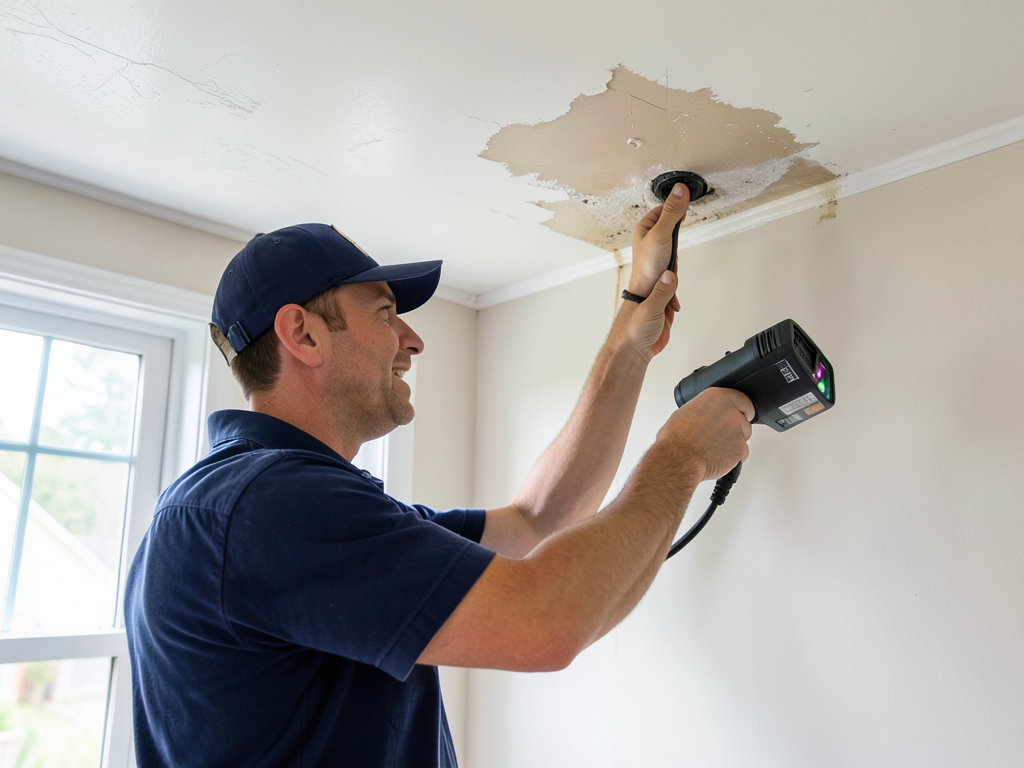
Once bulk water is out, we deploy air movers and low-grain refrigerant dehumidifiers to create a controlled drying environment. Moisture meters and thermal imaging cameras guide the process, identifying hidden saturation in wall cavities and under flooring. We monitor daily and adjust equipment placement based on real-time readings, not guesswork.

Storm damage remediation also includes debris removal and inventory documentation. We photograph everything for your claim file, separate salvageable contents from total losses, and remove compromised materials like soaked insulation and water-damaged drywall. This prevents mold amplification and gives your adjuster a clear picture of the scope.

Our storm damage repair protocols align with IICRC S500 standards for water damage restoration. We do not cut corners or leave moisture behind. The goal is to return your structure to pre-loss condition, verified by moisture mapping, not visual inspection alone.

What Happens When You Call for Storm Damage Mitigation

Storm Damage Mitigation in Cincinnati – Expert Emergency Response to Protect Your Property Before Total Loss
01

Emergency Site Assessment

We arrive within hours of your call to evaluate structural integrity, identify active water intrusion points, and prioritize hazards. You receive a verbal assessment immediately, followed by photo documentation and a preliminary scope for your insurer. We map affected areas using moisture detection equipment and note any safety concerns like compromised electrical systems or unstable ceilings.
02

Damage Containment and Water Removal

Our crew secures openings with tarps and boarding, then extracts all standing water using industrial pumps and extractors. Air movers and dehumidifiers go online immediately to halt further moisture migration. We isolate affected zones with containment barriers to prevent cross-contamination and protect unaffected areas. Real-time moisture readings guide equipment placement and drying strategy for maximum efficiency.
03

Verification and Handoff

Once moisture levels reach acceptable thresholds, we document final readings and provide a complete loss report for your insurance claim. You receive photographic evidence of pre-mitigation conditions, our scope of work, and post-mitigation results. We coordinate directly with your adjuster to streamline approval and transition smoothly into storm damage repair if structural restoration is needed beyond mitigation.

Why Cincinnati Property Owners Trust Local Storm Damage Experts

Storm damage mitigation requires more than equipment. It requires knowledge of how Cincinnati homes are built and where they fail under stress. Homes in neighborhoods like Clifton and Northside feature century-old masonry and outdated drainage systems that behave differently than modern construction. We know which foundation types are common in each zip code and how they respond to hydrostatic pressure after heavy rain.

Local expertise matters when you are filing an insurance claim. We have worked with every major carrier operating in Hamilton County and know what documentation adjusters require to approve emergency mitigation costs without delay. We speak the language of insurance restoration, providing line-item estimates that align with Xactimate pricing and ACV depreciation schedules.

Ace Water Damage Restoration Cincinnati maintains relationships with local building inspectors and code enforcement officials. We know which permits are required for emergency board-ups and temporary roof repairs, and we pull them correctly the first time. This prevents complications during your claim review and keeps your restoration on schedule.

We also understand the urgency Cincinnati weather demands. Severe thunderstorm watches are common from April through September, and the Ohio River can crest rapidly during prolonged rain events. Our dispatch operates around the clock because storm damage does not wait for business hours. When you call at two in the morning after a tree punches through your roof, we answer and we mobilize.

Choosing a local team means faster response times, better knowledge of regional building practices, and accountability to the community we serve. We are not a national franchise routing calls through a call center three states away.

What to Expect During Storm Damage Mitigation

Immediate Response Availability

Storm damage mitigation is time-sensitive. We maintain on-call crews and dispatch within two hours of your emergency call, 24 hours a day. Our trucks are pre-loaded with tarps, boarding materials, extraction equipment, and drying systems so we arrive ready to work. You are not waiting days for an estimate appointment. We assess, secure, and begin water removal on the first visit. Speed directly impacts the total cost of your claim and the extent of secondary damage.

Comprehensive Damage Documentation

Your insurance claim depends on accurate documentation of pre-mitigation conditions and the scope of emergency services performed. We photograph and video record all affected areas before any work begins, then document each phase of the mitigation process. Moisture readings, thermal imaging scans, and detailed notes accompany every file. You receive a complete digital package to submit with your claim, reducing disputes and accelerating approval. We also provide a written estimate that breaks down labor, materials, and equipment costs in a format insurers recognize.

Professional-Grade Results

Storm damage mitigation is not a DIY project. Our equipment includes commercial air movers, low-grain refrigerant dehumidifiers, and moisture detection tools that homeowners cannot rent or operate effectively. We achieve structural drying in days, not weeks, preventing mold colonization and wood rot. When we finish, your property is documented dry and stable, ready for reconstruction without hidden moisture problems. Corners are not cut. Every decision is guided by moisture science and industry standards, not speed alone.

Transparent Communication and Follow-Up

You receive daily updates on drying progress, equipment adjustments, and timeline expectations. We explain what we are doing and why in plain language, not jargon. Once mitigation is complete, we do not disappear. We provide referrals to trusted contractors for reconstruction if needed, and we remain available to answer adjuster questions or provide supplemental documentation. If mold testing or air quality monitoring is recommended, we coordinate that as well. You are supported through the entire recovery process, not abandoned after the check clears.

Frequently Asked Questions

You Have Questions,
We Have Answers

What can be done to mitigate storms? +

Storm mitigation involves protecting your Cincinnati property before severe weather hits. Start by inspecting your roof for loose shingles and clearing gutters to prevent water backup. Trim tree branches near your home, especially older oaks common in neighborhoods like Hyde Park and Mount Lookout. Seal windows and doors against wind-driven rain. Secure outdoor items that become projectiles in high winds. Install storm shutters if you live in flood-prone areas near the Mill Creek or Little Miami River. Check your sump pump before spring storms arrive. These proactive steps reduce damage and lower repair costs after Ohio's unpredictable weather events.

Does storm damage raise insurance rates? +

Filing a storm damage claim typically does not raise your rates directly in Ohio. Homeowners insurance covers weather-related incidents as no-fault events. However, multiple claims within three years can flag your policy for review. Insurance companies may non-renew policies after excessive claims or raise premiums at renewal. The key factor is claim frequency, not the storm itself. If you file one legitimate claim for wind or hail damage in Cincinnati, expect minimal impact. Document all damage thoroughly and work with adjusters transparently. Maintaining a claim-free history protects your rates long-term.

What are examples of mitigation? +

Mitigation examples include reinforcing your roof with hurricane straps, installing impact-resistant shingles rated for Ohio wind zones, and upgrading windows to laminated glass. In Cincinnati, basement waterproofing prevents flood damage during heavy spring rains. Installing backflow valves stops sewage backup when storm drains overflow. Elevating HVAC units above potential flood levels protects expensive equipment. Grading your yard away from your foundation prevents water intrusion. Adding a whole-house surge protector safeguards electronics during lightning strikes. These targeted investments reduce repair costs and demonstrate risk reduction to insurance companies, sometimes earning premium discounts.

How could we mitigate the storm? +

Mitigating storm damage requires both preparation and immediate response. Before storms, secure loose roof shingles and clean drainage systems. During severe weather warnings in Cincinnati, move vehicles into garages and close all windows. After a storm passes, document damage with photos before making temporary repairs. Tarp damaged roofs to prevent further water intrusion. Remove standing water from basements quickly to stop mold growth. Contact your insurance company within 24 hours. Professional restoration teams assess structural damage and begin drying processes immediately. Quick action prevents secondary damage that compounds repair costs and complicates insurance claims.

What are the 5 mitigation strategies? +

The five mitigation strategies are avoidance, reduction, transfer, acceptance, and preparedness. Avoidance means not building in high-risk flood zones near Cincinnati's rivers. Reduction involves strengthening your property with storm-resistant materials and proper maintenance. Transfer shifts financial risk through adequate insurance coverage. Acceptance acknowledges some risk remains despite precautions. Preparedness includes emergency plans, backup power, and knowing qualified restoration contractors before disaster strikes. Ohio homeowners benefit most from combining reduction and transfer strategies. Strengthen vulnerable areas like roofs and windows while maintaining comprehensive insurance that covers wind, hail, and water damage specific to Midwest weather patterns.

What are the 4 mitigation strategies? +

The four core mitigation strategies are prevention, protection, emergency response, and recovery planning. Prevention stops damage before it starts through regular maintenance and upgrades. Protection involves physical barriers like storm shutters, reinforced doors, and proper grading around your Cincinnati home's foundation. Emergency response means having supplies, evacuation routes, and contractor contacts ready when severe weather warnings issue. Recovery planning includes understanding your insurance policy, documenting your property's condition, and knowing restoration timelines. These strategies work together. Prevention and protection reduce initial damage while response and recovery minimize secondary losses like mold growth or structural deterioration after storms pass.

What not to say to a homeowners insurance adjuster? +

Never exaggerate damage or speculate about causes when speaking with insurance adjusters. Avoid saying you are unsure what happened or that damage might be old. Do not admit fault or suggest poor maintenance contributed to losses. Never accept the first settlement offer without review. Refuse to sign documents you have not read completely. Do not provide recorded statements without preparation. Stick to facts you can prove with photos and documentation. In Cincinnati, adjusters see storm damage claims regularly. They spot inconsistencies quickly. Present clear evidence, answer questions directly, and let professional documentation speak for your claim's validity.

What is the 80% rule in homeowners insurance? +

The 80% rule requires you to insure your home for at least 80% of its replacement cost to receive full claim payouts. If your Cincinnati home costs $300,000 to rebuild but you only carry $200,000 in coverage, you are underinsured. Insurance companies will reduce your claim payment proportionally. This penalty applies even to partial losses. Many older Cincinnati homes in neighborhoods like Northside or Clifton have appreciated significantly. Review your coverage annually to account for rising construction costs and material prices. Replacement cost coverage differs from market value. Your policy should reflect actual rebuilding expenses, not what you paid originally.

Does your insurance go up if a rock hits your windshield? +

Windshield damage from rocks typically falls under comprehensive auto coverage, not homeowners insurance. Filing this claim usually does not increase your rates because it is a no-fault incident. Many Ohio insurers waive deductibles for glass repair. However, claim frequency matters. Multiple comprehensive claims within a short period can trigger rate reviews. If your deductible exceeds repair costs, pay out of pocket to avoid a claim record. Comprehensive claims generally impact rates less than collision or liability claims. Check your policy specifics. Some Cincinnati drivers opt for separate glass coverage that protects against rate increases while covering windshield replacement costs completely.

What are the three types of mitigation? +

The three mitigation types are structural, non-structural, and natural. Structural mitigation involves physical building improvements like reinforcing roofs, installing storm shutters, or elevating foundations above flood levels. Non-structural mitigation includes insurance policies, zoning laws, and building codes that reduce risk without physical changes. Natural mitigation uses landscaping and natural barriers like rain gardens or properly graded yards to manage stormwater. Cincinnati homeowners benefit from combining all three. Structural upgrades protect your property directly. Adequate insurance transfers financial risk. Strategic landscaping manages the clay soil and drainage challenges common throughout Hamilton County. Each type addresses different vulnerability aspects.

How Cincinnati's Flash Flooding and Wind Events Make Storm Damage Mitigation Critical

Cincinnati averages over 44 inches of rain annually, with intense summer thunderstorms dumping several inches in under an hour. The Mill Creek and Little Miami River watersheds drain directly through densely populated neighborhoods, and outdated combined sewer systems often back up during heavy rain. Homes in low-lying areas near the Ohio River or along creek tributaries face recurring flood risk. When stormwater overwhelms your foundation drains or a sump pump fails during a power outage, water enters fast. Storm damage mitigation reduces the window between intrusion and permanent damage, protecting structural integrity and preventing hazardous mold growth in Cincinnati's humid climate.

Local building codes and insurance requirements in Hamilton County mandate immediate action to mitigate further loss after a storm event. Failure to secure your property can result in claim denials or reduced payouts. Ace Water Damage Restoration Cincinnati understands these regional standards and works directly with adjusters to ensure compliance. Our crews are familiar with the architectural quirks of Cincinnati homes, from pier-and-beam foundations in older neighborhoods to modern slab construction in suburban developments. Choosing local expertise means faster response, better documentation, and restoration that aligns with both insurer expectations and municipal codes.

Water Damage Restoration Services in The Cincinnati Area

We are proud to serve the entire Cincinnati area, providing expert water damage restoration services wherever and whenever they are needed. We understand the unique challenges our local community faces and are committed to being there for our neighbors. View our service area on the map to see how we can assist you, or simply give us a call for immediate dispatch to your location.

Address:
Ace Water Damage Restoration Cincinnati, 1507 Dana Ave, Cincinnati, OH, 45207

Additional Services We Offer

Our news updates

Latest Articles & News from The Blogs

Finding the Source of a Slab Leak in Your Mack Home Slab leaks in Mack OH homes are more than…

Finding the Source of a Slab Leak in Your Mack Home

Finding the Source of a Slab Leak in Your Mack Home Slab leaks in Mack OH homes are more than…

What to Do When Your Water Heater Bursts in Madisonville

Emergency Water Heater Burst Cleanup in Madisonville, Cincinnati \n\n A water heater burst in Madisonville creates immediate flooding that can…

Salvaging Important Paper Documents and Photos After an Amberley Village Flood

Salvaging Important Paper Documents and Photos After an Amberley Village Flood When floodwaters rush through Amberley Village basements, the damage…

Contact Us

Do not wait for water damage to spread. Call (513) 717-2522 right now for immediate storm damage mitigation in Cincinnati. Our emergency crews are standing by to secure your property, extract water, and prevent total loss. Every hour counts.