




Menu

Carpet Water Extraction in Cincinnati – Fast Response When Your Home Floods

Professional carpet water removal that stops secondary damage, eliminates mold risk, and protects your flooring investment across Cincinnati's neighborhoods, from Oakley to Hyde Park

Slider Image 1
Slider Image 2
Slider Image 3
Slider Image 4
Slider Image 5
Slider Image 7
Slider Image 8
Slider Image 9
Slider Image 10
Slider Image 11

Why Cincinnati Carpets Face Unique Water Damage Risks

Cincinnati sits in a river valley where the Ohio River meets the Licking River, creating high humidity and unpredictable flooding conditions. When spring storms roll through Clifton or Mount Adams, basements flood fast. When pipes freeze in January and burst in February, water soaks into carpets before you even know there's a problem.

The clay soil under most Cincinnati homes expands and contracts with moisture, which cracks foundation walls and lets groundwater seep into finished basements. That water pools under carpet padding, creating a perfect breeding ground for mold spores. Within 48 hours, saturated carpet becomes a health hazard.

You notice the wet spots first. Then comes the smell. By day three, the carpet feels spongy underfoot, and you see dark stains creeping along the baseboards. This is not something a shop vacuum can fix. Wet carpet extraction requires truck-mounted equipment that pulls water from deep within carpet fibers and padding.

Flooded carpet extraction becomes urgent when you factor in Cincinnati's humid summers. High moisture levels slow evaporation, which means damp carpets stay damp longer. That extended moisture exposure warps subfloors, loosens adhesive, and ruins the carpet backing. Emergency carpet water removal stops this cascade before it destroys your flooring system.

Water damage carpet extraction is not just about removing visible water. It's about extracting moisture from pad, tack strips, and the concrete or wood subfloor underneath. Without proper equipment and training, you end up with dry carpet sitting on wet padding, which fails in weeks.

Why Cincinnati Carpets Face Unique Water Damage Risks
How Professional Carpet Water Removal Protects Your Home

How Professional Carpet Water Removal Protects Your Home

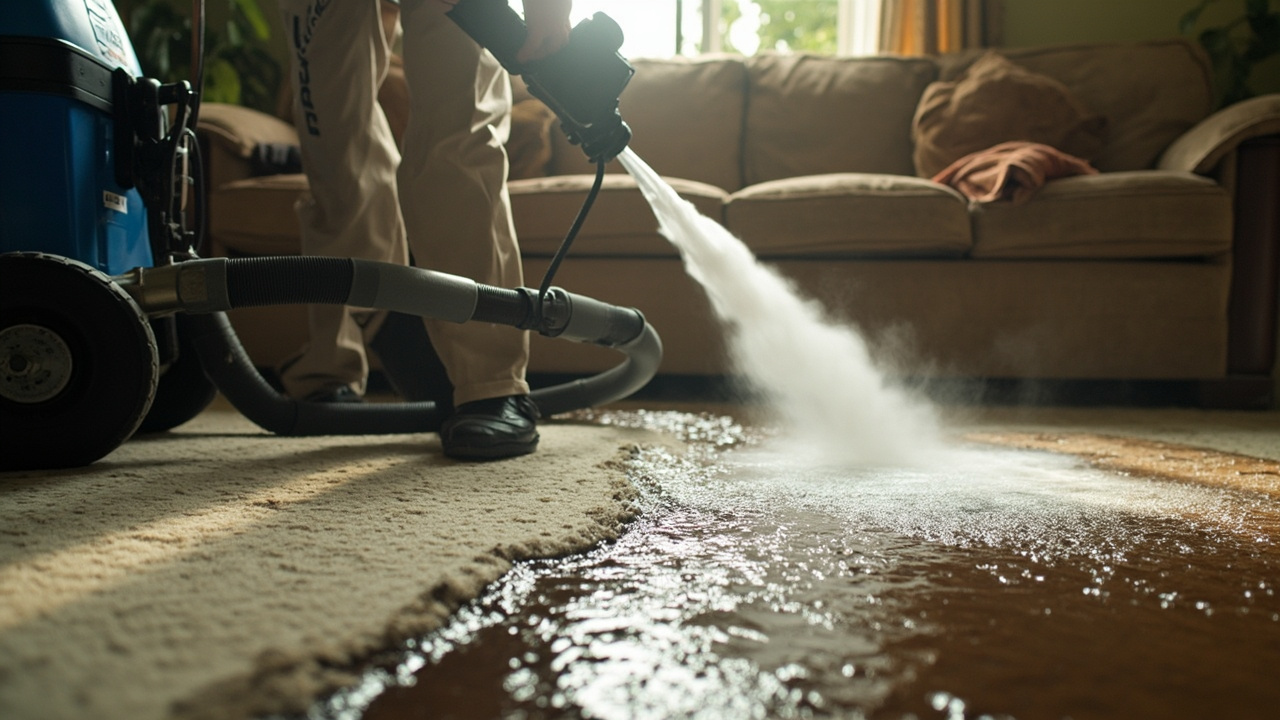
Ace Water Damage Restoration Cincinnati uses truck-mounted extraction units that generate 500+ PSI of suction. This is not a rental machine from the hardware store. Our extractors pull water from carpet pile, through the backing, and out of the padding in a single pass.

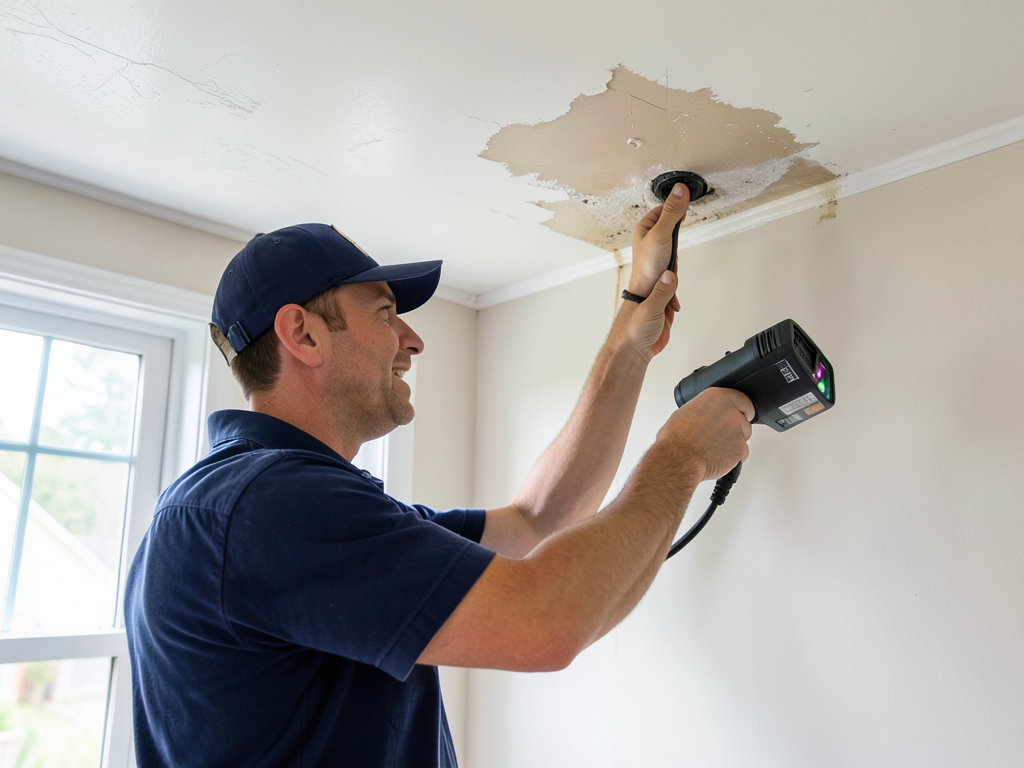
We start with moisture mapping using thermal imaging cameras. This shows us where water has migrated under baseboards, into wall cavities, and along subfloor seams. You cannot see this with your eyes. Infrared technology reveals the full extent of saturation, so we know exactly where to focus extraction efforts.

After initial extraction, we remove baseboards and drill weep holes into drywall if needed. This allows air movement behind walls, which prevents trapped moisture from rotting framing lumber. We then set up axial air movers in a vortex pattern that creates continuous airflow across carpet surfaces. These movers work alongside commercial dehumidifiers that pull moisture from the air at 150+ pints per day.

We monitor moisture levels every 24 hours using penetrating moisture meters. Carpet should read below 15 percent moisture content before we consider it dry. Padding must be below 12 percent. If readings stay elevated after 72 hours, we remove and replace the padding. There is no point drying padding that has absorbed contaminated water or started to delaminate.

Flooded carpet extraction often requires antimicrobial treatment. We apply EPA-registered disinfectants that kill bacteria, viruses, and mold spores without damaging carpet fibers. This step is non-negotiable if the water came from a sewage backup, washing machine overflow, or any grey water source.

What Happens During Emergency Carpet Water Extraction

Carpet Water Extraction in Cincinnati – Fast Response When Your Home Floods
01

Immediate Water Removal

We arrive with truck-mounted extractors and begin pulling standing water from carpet within minutes. Our team uses weighted wands that compress carpet fibers and force water up through the backing. This first extraction removes 80 to 90 percent of water volume, which immediately reduces weight load on padding and subfloor. Speed matters because every minute of saturation increases the risk of permanent staining and odor absorption.
02

Moisture Detection and Containment

We map moisture migration using thermal cameras and moisture meters, then set containment barriers to prevent water from spreading to dry areas. Our technicians document moisture readings in carpet, padding, subfloor, and walls. This data drives our drying plan and provides documentation for insurance claims. We then position air movers and dehumidifiers based on airflow science, creating optimal evaporation conditions without over-drying or causing secondary damage to hardwood trim.
03

Drying and Final Verification

We run drying equipment continuously and check moisture levels every 24 hours until readings meet industry standards for dry conditions. Once carpet reaches acceptable moisture content, we treat with antimicrobial agents, replace baseboards, and perform a final walkthrough. You receive a moisture log showing before and after readings, which insurance carriers require. Most jobs reach dry status in three to five days depending on saturation depth and humidity levels.

Why Cincinnati Property Owners Trust Local Water Damage Experts

Cincinnati building codes require vapor barriers in basements built after 1995, but most homes in Northside, Westwood, and Price Hill were built decades earlier. These older homes lack moisture protection, which makes them vulnerable when groundwater rises or pipes fail. Ace Water Damage Restoration Cincinnati knows these construction patterns because we work in these neighborhoods every week.

We understand how Cincinnati's clay soil affects drainage around foundations. We know which neighborhoods flood first when the Ohio River crests. We know that homes near the Mill Creek have chronic seepage issues. This local knowledge shapes how we approach carpet water extraction in different parts of the city.

Our technicians hold IICRC certifications in water damage restoration and applied structural drying. This is not optional training. It's the industry standard that separates professionals from guys with shop vacuums. We follow ANSI/IICRC S500 protocols, which specify extraction techniques, drying goals, and antimicrobial procedures. Insurance adjusters recognize these credentials, which smooths the claims process.

We work directly with Cincinnati insurance agents who handle claims for flooding, pipe breaks, and appliance failures. Our estimates follow Xactimate pricing, which is the software most carriers use. We document everything with photos, moisture logs, and equipment placement diagrams. This level of detail reduces claim disputes and speeds up approval.

You also get transparent communication. We explain what we find, what it means, and what options you have. If padding needs replacement, we tell you why. If subfloor damage requires a flooring contractor, we refer you to trusted local partners. We do not upsell services you don't need, and we do not hide problems that require attention.

What to Expect When You Call for Carpet Water Extraction

Response Time and Availability

We dispatch crews 24 hours a day, 365 days a year. When you call our emergency line, you reach a live person who can send a technician to your Cincinnati property within 60 to 90 minutes. We do not use answering services or callback queues. Water damage does not wait for business hours, so neither do we. Our trucks carry extraction equipment, air movers, dehumidifiers, and moisture detection tools. We arrive ready to start work immediately, not to schedule a future appointment. Speed reduces damage, and damage reduction lowers your out-of-pocket costs.

Initial Assessment and Moisture Mapping

Our first step is always a complete moisture assessment. We use thermal imaging to identify hidden water migration and penetrating meters to measure moisture content in carpet, padding, and subfloor. You receive a written scope of work that outlines the affected area, moisture readings, and recommended drying approach. This assessment is free, and it gives you the information you need to make decisions about your property. We explain what we find in plain language, not technical jargon designed to confuse you.

Drying Results and Quality Standards

We do not consider a job complete until moisture readings meet IICRC S500 standards for dry conditions. This means carpet reads below 15 percent moisture content and subfloor materials reach equilibrium with surrounding air. We provide daily updates on drying progress and adjust equipment placement if readings plateau. You receive a final moisture report that documents dry conditions, which insurance carriers require before closing claims. Our goal is complete drying, not just surface drying that leaves hidden moisture to cause problems later.

Post-Extraction Monitoring and Follow-Up

After we remove drying equipment, we offer a follow-up inspection within seven days to verify that moisture has not returned. This is especially important in basements where groundwater seepage can recur. We also provide guidance on preventing future water damage, including maintenance tips for sump pumps, basement waterproofing options, and early warning signs of hidden leaks. If you notice any odors or moisture concerns after we leave, we return to investigate at no additional charge. Our work is not done until you are confident your home is safe and dry.

Frequently Asked Questions

You Have Questions,
We Have Answers

How to extract water from carpet? +

Start by removing standing water with a wet vacuum. Work in overlapping passes to pull moisture from carpet fibers and padding. Lift furniture and blot affected areas with clean towels. Run industrial fans and dehumidifiers to speed drying. In Cincinnati's humid climate, moisture lingers longer, so air circulation is critical. For severe flooding or sewage contamination, professional extraction equipment is necessary. Technicians use truck-mounted extractors that generate stronger suction than consumer units. Do not wait. The longer water sits, the higher your risk for mold growth and structural damage to subflooring.

How much does it cost to extract water from carpet? +

Carpet water extraction costs vary based on water volume, contamination level, and square footage. Minor clean water incidents may run a few hundred dollars, while category 3 water (sewage) requiring padding replacement and antimicrobial treatment costs significantly more. Most Cincinnati restoration companies charge per square foot or by affected room. Your homeowner's insurance often covers water damage from sudden incidents like burst pipes or appliance failures. Get multiple quotes and ask about emergency service fees. Fast response saves money by preventing secondary damage like mold or buckled flooring that inflates the final bill.

What draws urine out of carpet? +

Enzymatic cleaners break down uric acid crystals that cause odor and staining. These biological formulas digest organic compounds in urine rather than just masking the smell. Apply the enzyme cleaner generously to saturate the carpet padding where urine pools. Blot, do not scrub. Let it sit for 10 to 15 minutes. For pet accidents on older carpet or repeated incidents, the padding may need replacement. Cincinnati's humidity reactivates dried urine odors, making thorough treatment essential. Professional carpet cleaners use commercial-grade enzymes and hot water extraction to fully neutralize contamination and odor at the source.

How long can carpet be wet before mold? +

Mold can start growing in carpet within 24 to 48 hours if moisture is not removed. Cincinnati's high humidity accelerates this timeline, especially in basements and lower levels with poor ventilation. Mold spores need only moisture, organic material (like carpet fibers), and warmth to colonize. Once mold takes hold, it spreads quickly through padding and subflooring. You may see visible growth or smell a musty odor. Fast action is critical. Extract water immediately, dry the area completely within 48 hours, and monitor humidity levels. If mold appears, professional remediation is necessary to prevent health risks.

What tool is used to get water out of carpet? +

A wet vacuum or shop vac handles small spills, but professional truck-mounted water extractors provide far stronger suction for flood scenarios. These machines use heated extraction to pull water from deep carpet padding and subflooring. Air movers and commercial dehumidifiers complete the drying process by circulating air and removing humidity. Moisture meters measure hidden dampness in walls and flooring to confirm complete drying. For Cincinnati homeowners dealing with basement flooding or burst pipes, professional equipment prevents mold and structural damage that consumer tools cannot address. Speed and suction power determine your recovery success.

Does Stanley Steemer do water extraction? +

Stanley Steemer offers water extraction services in some markets, but their primary focus is carpet cleaning, not emergency water damage restoration. Water damage response requires immediate 24/7 availability, industrial extraction equipment, structural drying, and mold prevention protocols. Many Cincinnati residents need faster, specialized restoration companies that handle insurance documentation, contents pack-out, and reconstruction if necessary. If you experience a water emergency, contact a certified water damage restoration company first. They deploy within hours, not days. Carpet cleaning companies lack the equipment and training to fully dry structures and prevent secondary damage that leads to costly mold remediation.

Does insurance cover water remediation? +

Most homeowner's insurance policies cover sudden and accidental water damage, including burst pipes, appliance malfunctions, or roof leaks from storms. Gradual damage from slow leaks or neglect is typically excluded. Flood damage requires separate flood insurance, critical for Cincinnati residents near the Ohio River or in low-lying areas prone to overflow. Review your policy and document everything with photos. Reputable restoration companies work directly with insurance adjusters to streamline claims. They provide detailed estimates and moisture readings as evidence. File your claim immediately and start mitigation to prevent mold. Delayed response gives insurers grounds to deny secondary damage coverage.

How much does it cost to remove 1000 square feet of carpet? +

Carpet removal for 1000 square feet typically costs between several hundred and over a thousand dollars depending on disposal fees, furniture moving, and tack strip removal. This is removal only, not replacement. Water-damaged carpet often requires padding replacement and subfloor treatment, adding to total costs. Many Cincinnati restoration companies include carpet removal in their water damage estimate if the material is unsalvageable. Sewage-contaminated carpet must be discarded, not cleaned. Labor, disposal, and prep work for new flooring drive the price. Get itemized quotes. Restoration companies often coordinate directly with flooring contractors to simplify the rebuild process for homeowners.

Should you replace carpet after water damage? +

It depends on water type and response speed. Clean water from a supply line may allow carpet to be saved if extraction and drying happen within 24 hours. Gray water (washing machine overflow) or black water (sewage) requires carpet and padding disposal due to contamination and health risks. Even with fast drying, carpet older than 10 years or glued-down carpet often needs replacement. Cincinnati's humidity makes thorough drying harder. If padding stays wet or mold appears, replacement is the only safe option. Professionals use moisture meters to determine salvageability. Do not risk your health to save cheap carpet.

What do professional carpet cleaners use for urine? +

Professional carpet cleaners use enzymatic cleaners combined with hot water extraction to neutralize urine odor and contamination. Enzymes break down uric acid crystals embedded in carpet fibers and padding. They apply sub-surface extraction tools that reach padding where urine pools. Some use antimicrobial treatments or oxidizers for severe cases. Black light inspection identifies dried urine spots invisible to the naked eye. If contamination has soaked through to subflooring, padding replacement and sealing of the subfloor prevent recurring odors. Cincinnati's humidity reactivates dried urine smells, so complete removal at the molecular level is critical for permanent odor elimination.

How Cincinnati's River Valley Climate Affects Carpet Drying Times

Cincinnati sits in the Ohio River valley where humidity levels average 70 percent year-round and spike above 80 percent in summer. This high ambient humidity slows evaporation, which extends drying times for wet carpet extraction projects. Commercial dehumidifiers are not optional here. They are required equipment. Without active dehumidification, moisture evaporates from carpet and padding but stays suspended in the air, which prevents further drying. Our crews run dehumidifiers continuously, emptying condensate tanks every 12 hours during peak humidity months. This aggressive moisture control compensates for Cincinnati's challenging climate and keeps drying timelines on track.

Ace Water Damage Restoration Cincinnati has served neighborhoods from Anderson Township to College Hill since we opened. We know the flood-prone areas near the Little Miami River. We know which parts of Madisonville have chronic basement seepage. We know that homes in the historic districts of Mount Auburn and Walnut Hills often have stone foundations that wick moisture. This local expertise means we arrive prepared for the specific challenges your property faces. You get professionals who understand Cincinnati construction, Cincinnati weather, and Cincinnati water damage patterns. That knowledge makes the difference between proper restoration and guesswork.
Water Damage Restoration Services in The Cincinnati Area

We are proud to serve the entire Cincinnati area, providing expert water damage restoration services wherever and whenever they are needed. We understand the unique challenges our local community faces and are committed to being there for our neighbors. View our service area on the map to see how we can assist you, or simply give us a call for immediate dispatch to your location.

Address:
Ace Water Damage Restoration Cincinnati, 1507 Dana Ave, Cincinnati, OH, 45207

Additional Services We Offer

Our news updates

Latest Articles & News from The Blogs

Finding the Source of a Slab Leak in Your Mack Home Slab leaks in Mack OH homes are more than…

Finding the Source of a Slab Leak in Your Mack Home

Finding the Source of a Slab Leak in Your Mack Home Slab leaks in Mack OH homes are more than…

What to Do When Your Water Heater Bursts in Madisonville

Emergency Water Heater Burst Cleanup in Madisonville, Cincinnati \n\n A water heater burst in Madisonville creates immediate flooding that can…

Salvaging Important Paper Documents and Photos After an Amberley Village Flood

Salvaging Important Paper Documents and Photos After an Amberley Village Flood When floodwaters rush through Amberley Village basements, the damage…

Contact Us

Water soaks deeper into carpet and padding every hour you wait. Call (513) 717-2522 now for immediate dispatch. Our crews are standing by with truck-mounted extraction equipment and industrial drying systems. We serve all Cincinnati neighborhoods 24/7.