




Menu

Industrial Drying Services in Cincinnati | Minimize Downtime with Industrial-Grade Water Extraction

Industrial-scale water damage demands industrial drying solutions. Ace Water Damage Restoration Cincinnati deploys commercial-grade dehumidifiers and structural drying systems to restore manufacturing floors, warehouses, and production facilities with minimal business interruption.

Slider Image 1
Slider Image 2
Slider Image 3
Slider Image 4
Slider Image 5
Slider Image 7
Slider Image 8
Slider Image 9
Slider Image 10
Slider Image 11

Water Damage at Industrial Scale Stops Production

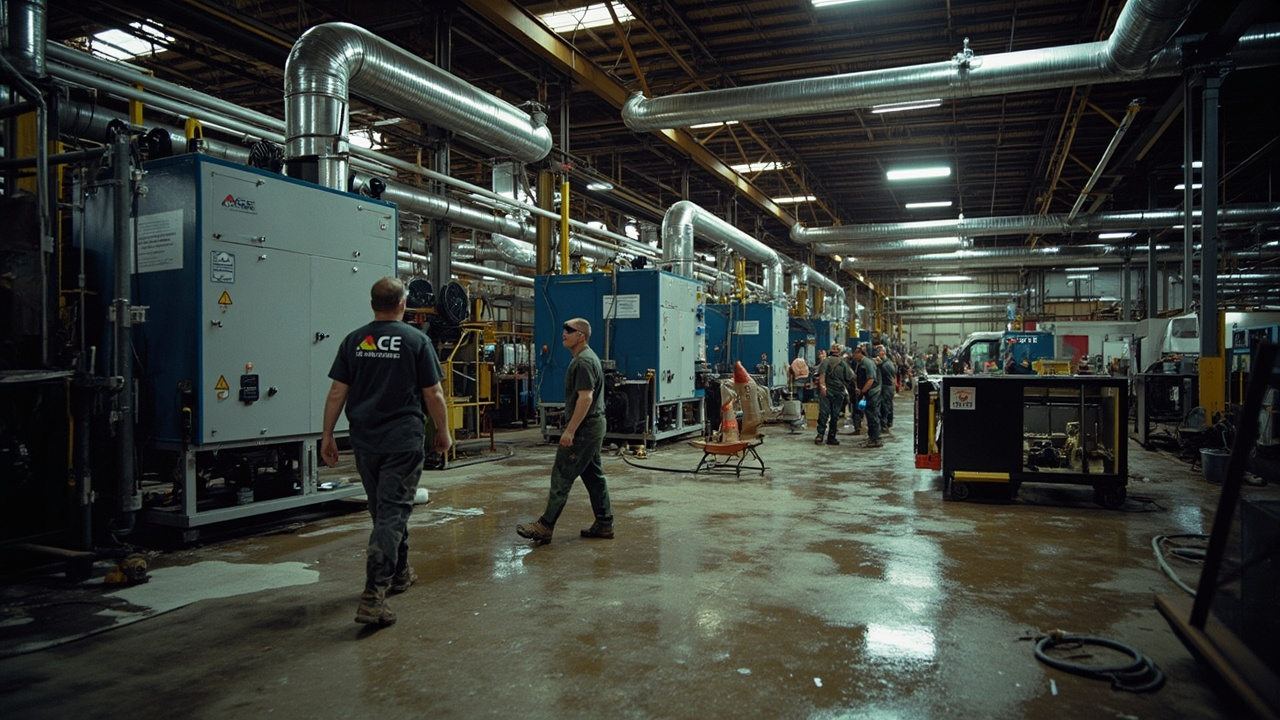
A ruptured cooling line floods 40,000 square feet of warehouse space. A roof leak saturates insulation above your production floor. A sprinkler malfunction drenches inventory worth six figures. Every hour your facility stays offline, you lose revenue, miss deadlines, and risk contractual penalties.

Cincinnati's position along the Ohio River creates humidity levels that slow evaporation. The region's freeze-thaw cycles stress commercial plumbing systems, increasing the likelihood of catastrophic failures in older industrial buildings. When water invades concrete floors, climbs masonry walls, or saturates wood framing in factories and warehouses across Queensgate or Norwood, standard dehumidifiers cannot handle the volume. You need commercial structural drying that works at the scale of industrial damage.

Industrial dehumidification services require equipment that moves thousands of cubic feet of air per minute. Commercial water drying services must account for building materials specific to industrial construction: poured concrete slabs, steel I-beams, corrugated metal panels, and spray foam insulation. Each material absorbs and releases moisture at different rates. A ceiling-mounted unit that works in a 2,000-square-foot office fails completely in a 50,000-square-foot distribution center.

Water also migrates through industrial spaces in ways residential damage cannot predict. It travels along utility chases, pools in loading docks, and seeps beneath epoxy coatings on floors. If you dry only the visible surface, moisture trapped in substrates will cause efflorescence on concrete, corrosion on metal fixtures, and mold growth in wall cavities. Industrial structural drying must address the entire building envelope, not just the wet spots you can see.

Water Damage at Industrial Scale Stops Production
Commercial Drying Solutions Built for Large-Scale Operations

Commercial Drying Solutions Built for Large-Scale Operations

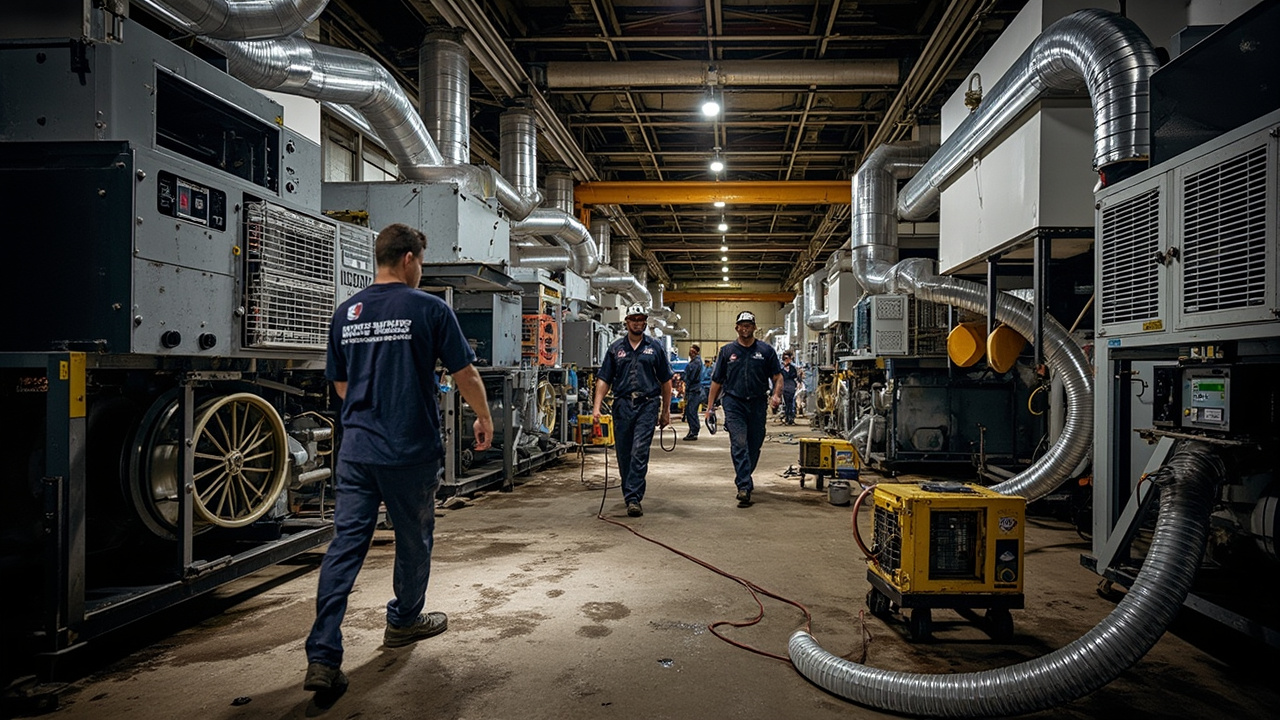
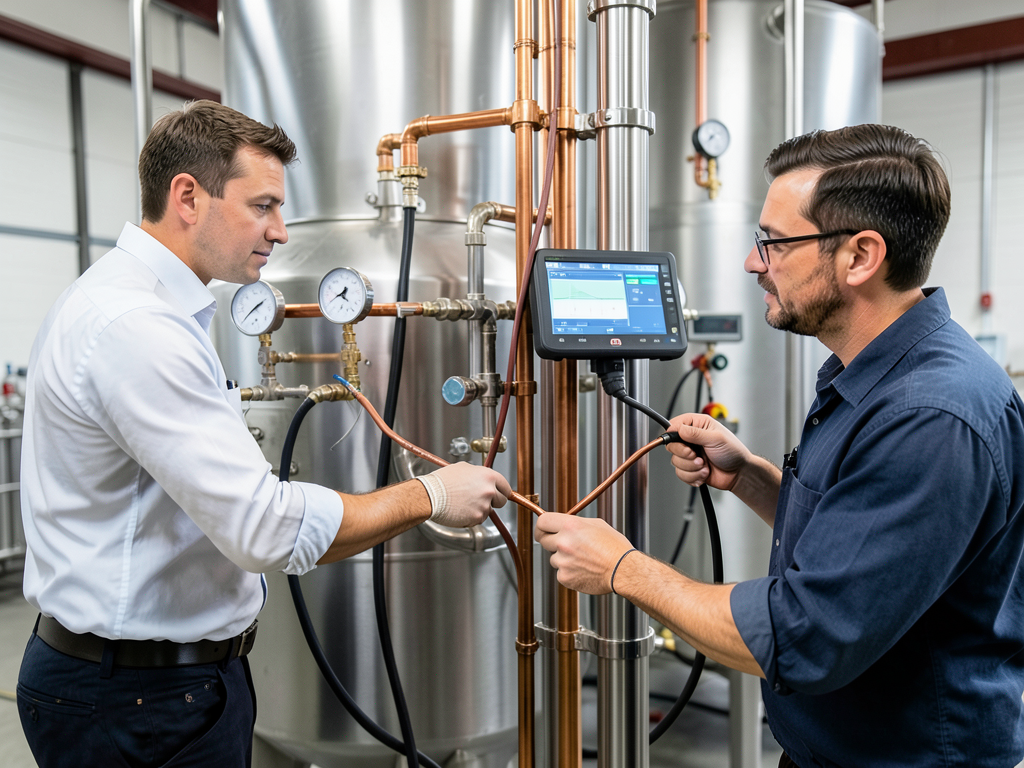
Ace Water Damage Restoration Cincinnati uses trailer-mounted desiccant dehumidifiers capable of extracting 30 gallons of water per hour from the air. These units create negative air pressure to prevent moisture migration into unaffected areas of your facility. We position air movers in calculated patterns based on psychrometric readings, which measure temperature, humidity, and dew point at multiple locations throughout the structure. This data tells us where moisture is hiding and how fast it will evaporate under current conditions.

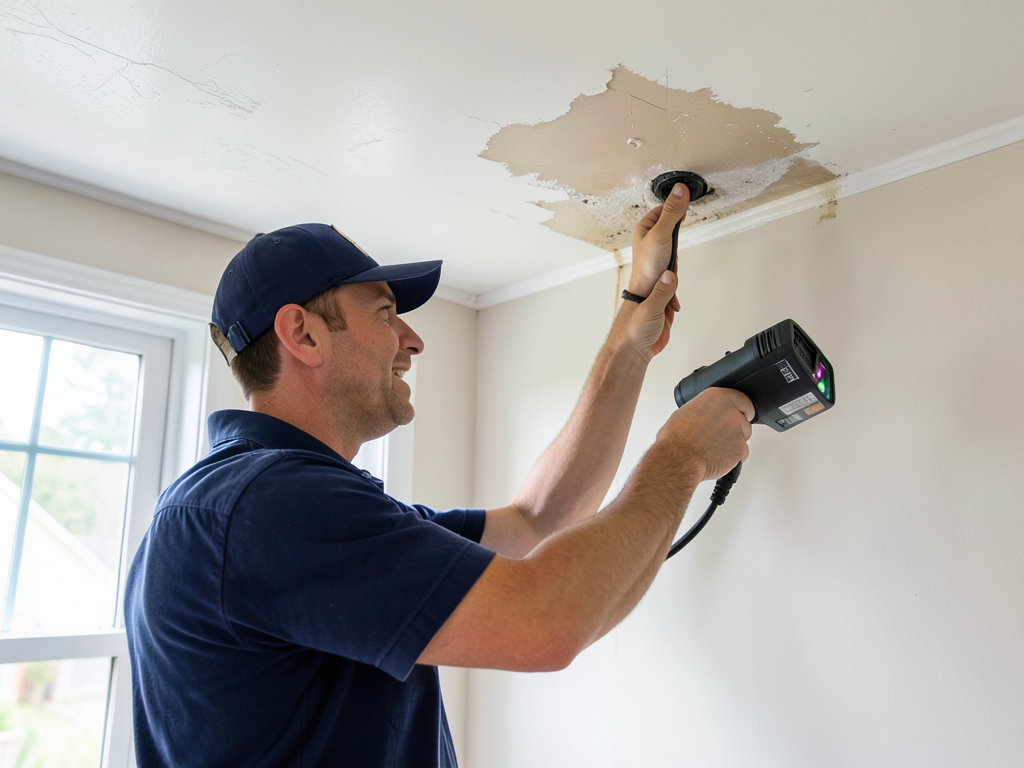
We deploy thermal imaging cameras to identify moisture intrusion behind walls, under flooring, and above ceiling tiles without demolition. A wet concrete slab may look dry on the surface but hold 15% moisture content three inches below grade. We use penetrating probes and moisture meters calibrated for different substrates to confirm actual dryness, not visual dryness. You cannot restart operations based on appearances. You need verification that moisture levels have returned to industry-standard ranges for your specific building materials.

For facilities with sensitive equipment or inventory, we establish containment zones using polyethylene barriers and HEPA-filtered negative air machines. This prevents airborne moisture and particulates from contaminating clean areas during the drying process. If your production floor must remain operational, we dry affected zones in phases, allowing you to maintain partial capacity while we restore damaged sections.

We also coordinate with your insurance adjuster and facilities management team to document the full scope of damage. Our moisture mapping reports provide the data adjusters need to approve claims quickly, and our project timelines sync with your production schedules to minimize downtime.

How We Restore Industrial Facilities After Water Damage

Industrial Drying Services in Cincinnati | Minimize Downtime with Industrial-Grade Water Extraction
01

Emergency Water Extraction

We deploy truck-mounted extraction pumps within hours of your call. These units remove standing water at rates exceeding 200 gallons per minute, clearing flooded floors and loading docks before water wicks into walls or seeps into subflooring. Speed here determines whether you face a three-day inconvenience or a three-week shutdown.
02

Controlled Environment Drying

We establish drying chambers using commercial dehumidifiers and air movers positioned based on airflow modeling. Psychrometric monitoring tracks moisture levels in real time, allowing us to adjust equipment placement and operating parameters as conditions change. This prevents over-drying that can damage materials or under-drying that allows mold growth.
03

Final Verification and Clearance

We perform final moisture readings across all affected materials and compare them to baseline levels for your building type. You receive a detailed drying log with timestamped data showing moisture reduction over the entire project. This documentation satisfies insurance requirements and provides proof that your facility is safe to return to full operation.

Why Cincinnati Businesses Trust Our Industrial Drying Capacity

Cincinnati's industrial corridors in Queensgate, Oakley, and Sharonville house manufacturing plants, distribution centers, and food processing facilities that cannot afford extended downtime. We maintain an equipment fleet sized for commercial-scale projects, not residential retrofits. Our trailer-mounted desiccant units, truck-mounted extraction systems, and industrial air scrubbers handle the cubic footage and moisture loads typical of warehouse and factory spaces.

We understand local building codes specific to commercial construction in Hamilton County. Many older industrial buildings in Cincinnati were constructed with techniques common to the region: poured concrete foundations, brick veneer exteriors, and bar joist roof systems. These structures require drying methods different from modern tilt-up construction or steel-frame warehouses. Our technicians adjust drying protocols based on your building's age, construction type, and current use.

We also coordinate with local mechanical, electrical, and plumbing contractors who service industrial clients in the Cincinnati metro. If water damage compromises HVAC ductwork, electrical panels, or process piping, we connect you with qualified tradespeople who can make repairs while we handle structural drying. This prevents delays caused by waiting for multiple contractors to finish work in sequence.

Our project managers communicate in the language of operations, not restoration jargon. We provide daily updates on drying progress, anticipated completion dates, and any issues that could affect your timeline. You receive straightforward answers about what we can control, what variables remain, and what decisions you need to make to keep the project moving. No surprises, no vague assurances, just data-driven timelines you can share with your team.

What to Expect From Industrial Water Damage Restoration

Rapid Mobilization and Containment

We arrive on-site within two hours for emergency calls in the Cincinnati metro area. Our crews assess damage scope, establish containment if needed, and begin water extraction immediately. For large-scale incidents, we can deploy multiple crews and equipment trailers to address different zones simultaneously. The faster we extract standing water and begin controlled drying, the less secondary damage occurs to inventory, equipment, and structural components. You also reduce the risk of microbial growth, which begins within 48 hours in humid conditions common to the Ohio River Valley.

Detailed Moisture Assessment and Mapping

Before we position a single dehumidifier, we map moisture levels throughout your facility using thermal imaging, penetrating probes, and surface moisture meters. We document readings for floors, walls, ceilings, and any affected materials like drywall, insulation, or wood framing. This initial assessment establishes a baseline that guides our drying strategy and provides documentation for your insurance claim. We repeat moisture readings daily, tracking progress and adjusting equipment as needed. You receive timestamped reports showing exactly how moisture levels decline over the course of the project.

Verified Structural Dryness Before Reopening

We do not declare a project complete based on surface dryness or elapsed time. We verify that moisture levels in all affected materials have returned to acceptable ranges for your building type and climate zone. Concrete slabs must reach moisture content below 4% before you can install new flooring. Wood framing must drop below 15% moisture content to prevent rot and mold. We provide final documentation showing compliance with IICRC S500 standards for water damage restoration, which satisfies insurance requirements and protects you from liability.

Post-Restoration Monitoring and Follow-Up

After your facility returns to operation, we offer follow-up inspections to verify no hidden moisture remains. We can also recommend preventive measures like sump pump installations, roof maintenance schedules, or upgraded drainage systems to reduce the risk of future incidents. If you experience any issues related to the restoration work, we return to assess and address them. Our goal is to restore your facility to pre-loss condition and provide the documentation you need to close your insurance claim and move forward.

Frequently Asked Questions

You Have Questions,
We Have Answers

Why Cincinnati's Industrial Infrastructure Requires Specialized Drying Methods

Cincinnati's industrial buildings, many constructed between 1950 and 1980, use poured concrete floors with embedded utilities and bar joist roof systems. These designs create hidden spaces where water can accumulate and go undetected for days. The region's clay soil also shifts with seasonal moisture changes, causing foundation cracks that allow groundwater intrusion into basements and mechanical rooms. Commercial drying solutions must address not just the initial flood event but the ongoing moisture sources that affect older industrial structures throughout Hamilton County.

Local building codes in Cincinnati require commercial facilities to meet specific ventilation and moisture control standards, particularly for food processing and pharmaceutical operations. We work with your facilities team to ensure our drying methods maintain compliance with these regulations while we restore your space. Our familiarity with Hamilton County inspection procedures and documentation requirements helps you pass post-restoration inspections without delays. Choosing a provider who understands local codes prevents costly rework and keeps your project on schedule.
Water Damage Restoration Services in The Cincinnati Area

We are proud to serve the entire Cincinnati area, providing expert water damage restoration services wherever and whenever they are needed. We understand the unique challenges our local community faces and are committed to being there for our neighbors. View our service area on the map to see how we can assist you, or simply give us a call for immediate dispatch to your location.

Address:
Ace Water Damage Restoration Cincinnati, 1507 Dana Ave, Cincinnati, OH, 45207

Additional Services We Offer

Our news updates

Latest Articles & News from The Blogs

Finding the Source of a Slab Leak in Your Mack Home Slab leaks in Mack OH homes are more than…

Finding the Source of a Slab Leak in Your Mack Home

Finding the Source of a Slab Leak in Your Mack Home Slab leaks in Mack OH homes are more than…

What to Do When Your Water Heater Bursts in Madisonville

Emergency Water Heater Burst Cleanup in Madisonville, Cincinnati \n\n A water heater burst in Madisonville creates immediate flooding that can…

Salvaging Important Paper Documents and Photos After an Amberley Village Flood

Salvaging Important Paper Documents and Photos After an Amberley Village Flood When floodwaters rush through Amberley Village basements, the damage…

Contact Us

Call (513) 717-2522 now for emergency industrial drying services. Our crews deploy immediately to stop water damage from spreading and begin the restoration process. Every hour you wait extends your downtime and increases repair costs. Contact us today.