





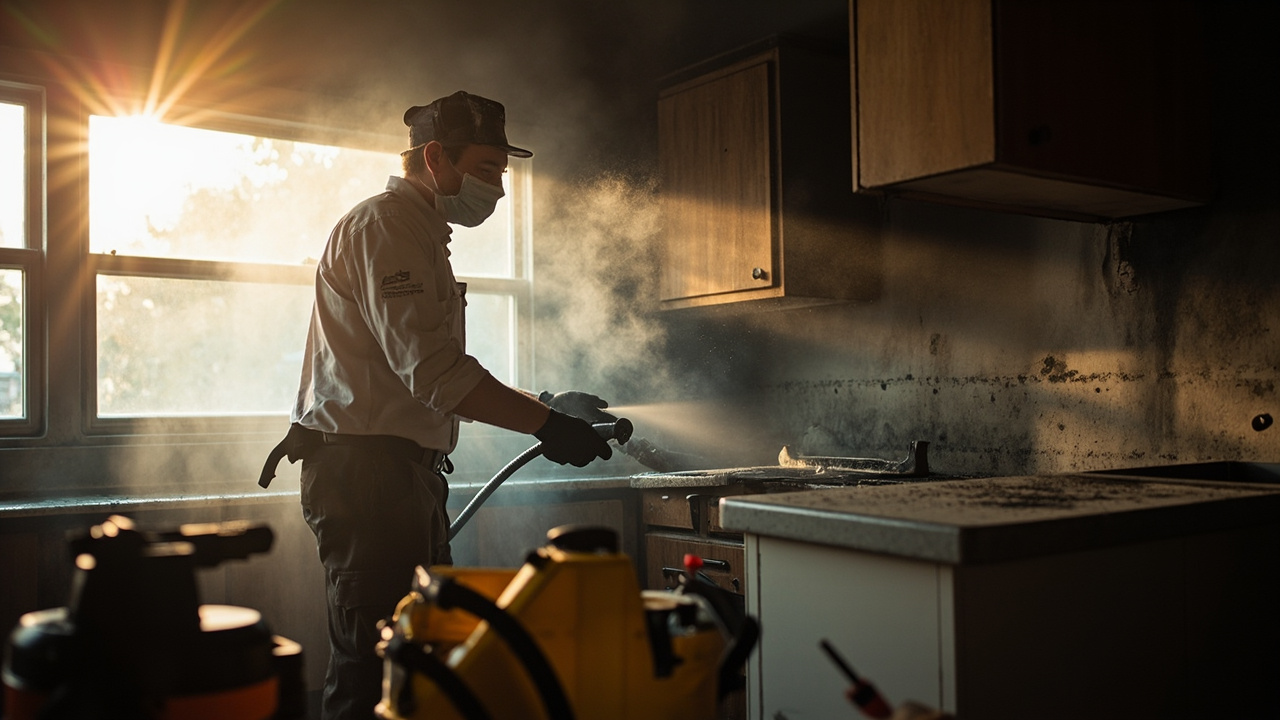
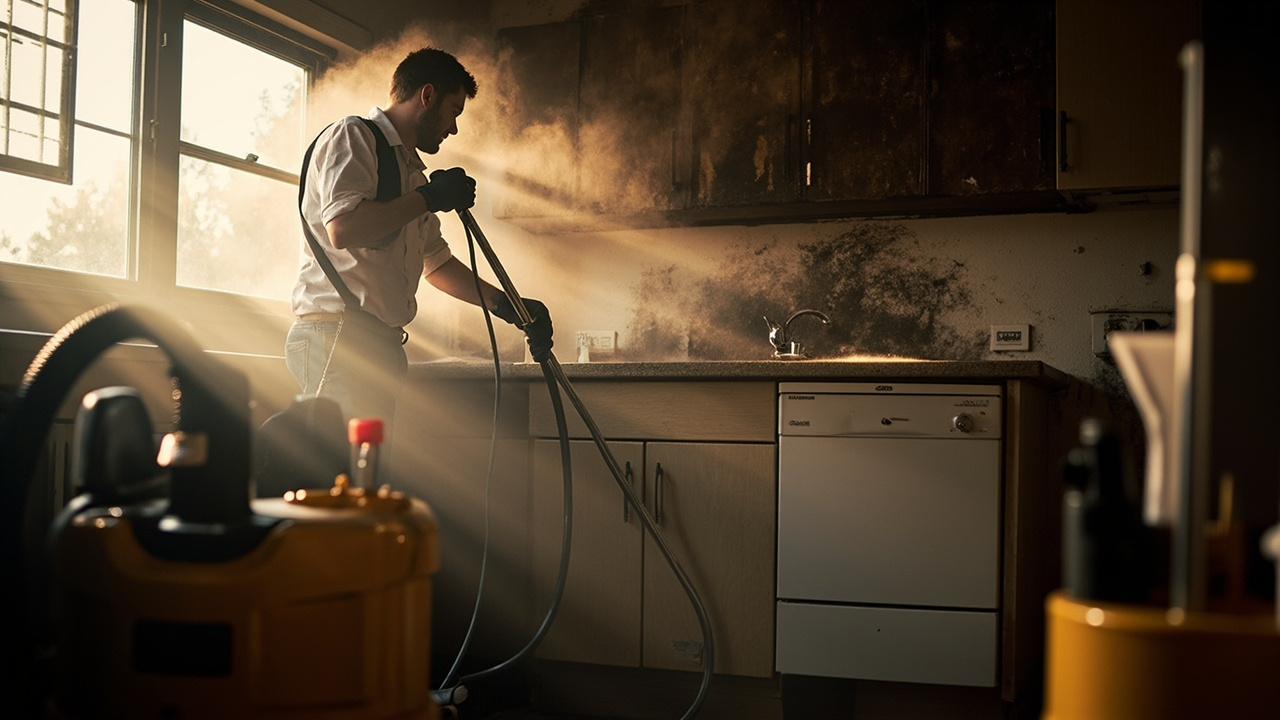
Cincinnati's 67 percent average humidity creates accelerated corrosion from acidic smoke residue on metal surfaces, electrical components, and HVAC systems. The moisture-rich air prevents natural off-gassing of smoke odor molecules from porous materials like upholstery and drywall. This climate reality means fire and smoke mitigation in Cincinnati requires longer hydroxyl generator run times and more aggressive dehumidification than the same fire in Denver or Phoenix. The region's older housing stock, particularly in historic neighborhoods, uses plaster walls and horsehair insulation that absorb smoke differently than modern materials. These construction differences demand specialized fire cleanup services that account for material porosity and smoke penetration depth unique to pre-1950 construction methods common throughout Hamilton County.
Cincinnati's stringent historic preservation codes in districts like Mount Adams and Over-the-Rhine require restoration methods that maintain architectural integrity while meeting modern safety standards. We work with the Cincinnati Historic Conservation Board regularly, understanding which cleaning methods and replacement materials meet preservation requirements. This local regulatory knowledge prevents costly rework and permit delays. Our familiarity with Cincinnati's insurance market, including relationships with adjusters from major carriers active in the region, streamlines claims processing. We provide documentation in formats local adjusters expect, use pricing databases they reference, and communicate in the industry language they understand. This reduces claim disputes and accelerates reimbursement for fire damage repair expenses.