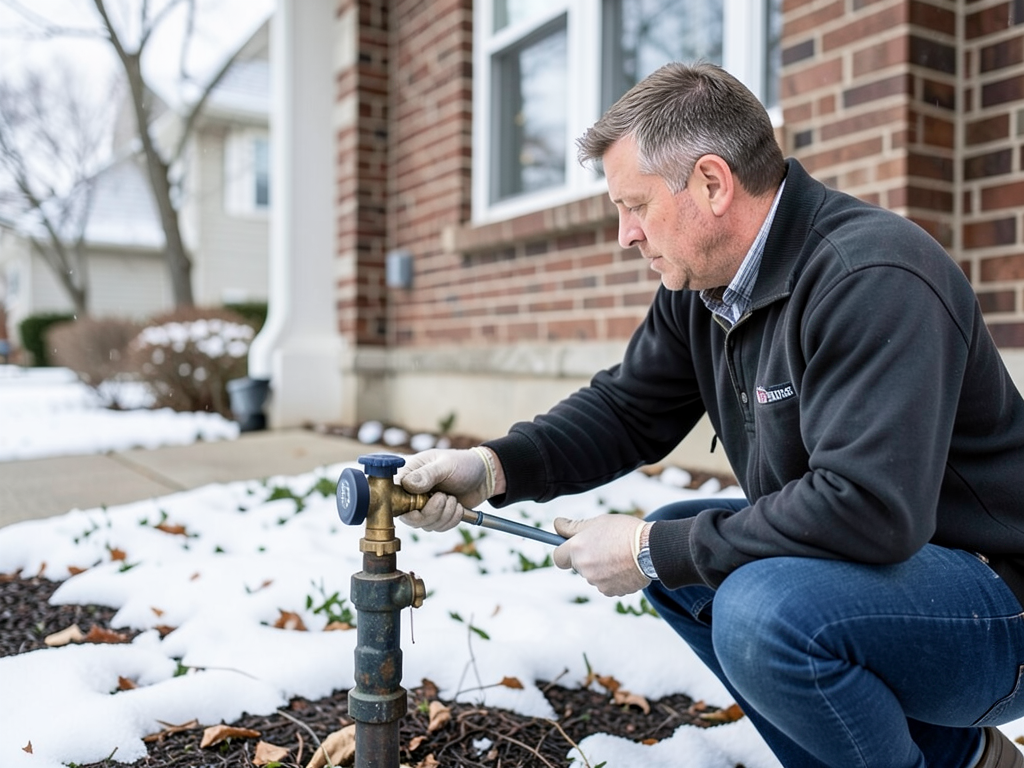







Cincinnati receives 44 inches of precipitation annually, distributed across every season. Spring brings rapid snowmelt combined with thunderstorms that dump two to four inches within hours. Summer delivers flash flooding from intense convective storms. Fall saturates the ground before winter freeze-thaw cycles begin. Your sump pump does not get a break. The seasonal pattern creates predictable stress points. Spring is pump motor failure season because units that sat dormant all winter suddenly run 20 cycles per day. Winter is discharge line failure season because exterior pipes freeze and crack. A sump pump maintenance checklist must account for these seasonal transitions. You inspect different components at different times of year based on which failure mode is most likely.
Ace Water Damage Restoration Cincinnati has restored basements across Hamilton County, from Indian Hill to Cheviot. We respond to sump pump failures in century-old homes in Northside with limestone foundations and in new construction in Anderson Township with modern drainage systems. The common factor is this: every failed pump had warning signs that went unnoticed. Preventative sump pump maintenance is not about selling services. It is about preventing the 3 AM phone call when you discover three inches of water in your basement. Cincinnati's building codes do not require sump pump maintenance, but the weather does not care about code requirements. The river valley creates its own rules, and your sump pump either keeps up or it fails.