




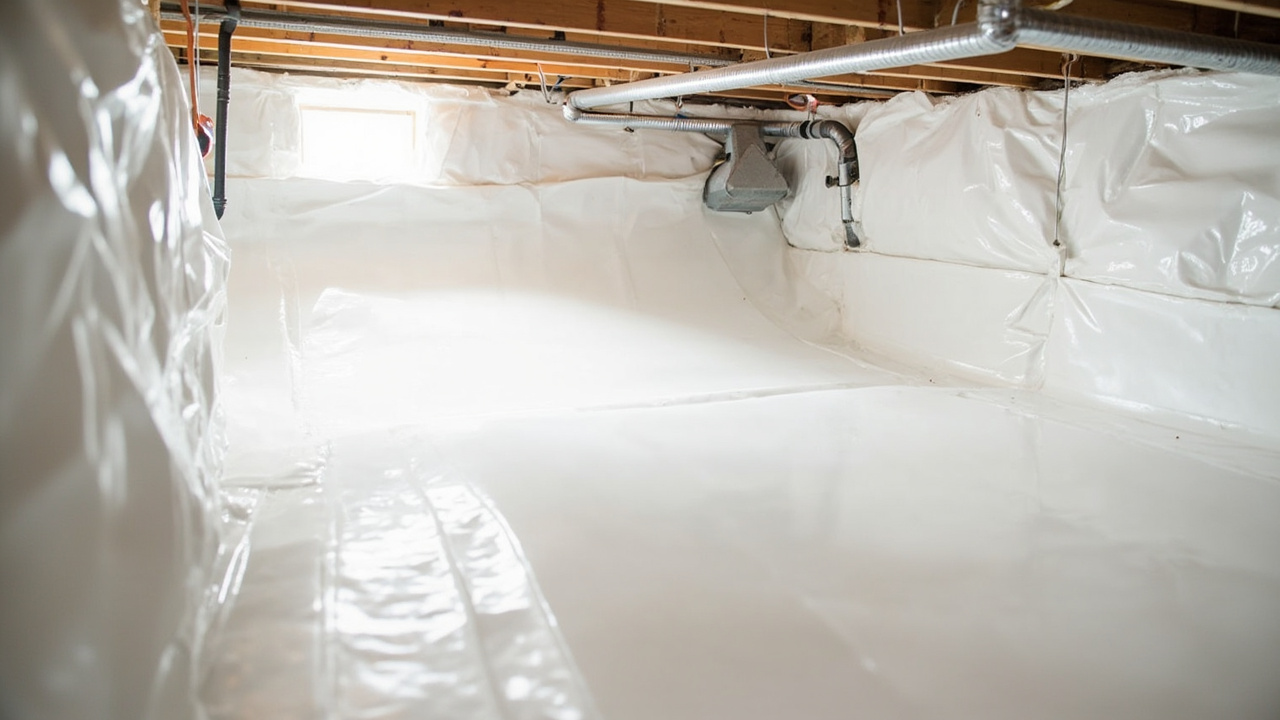
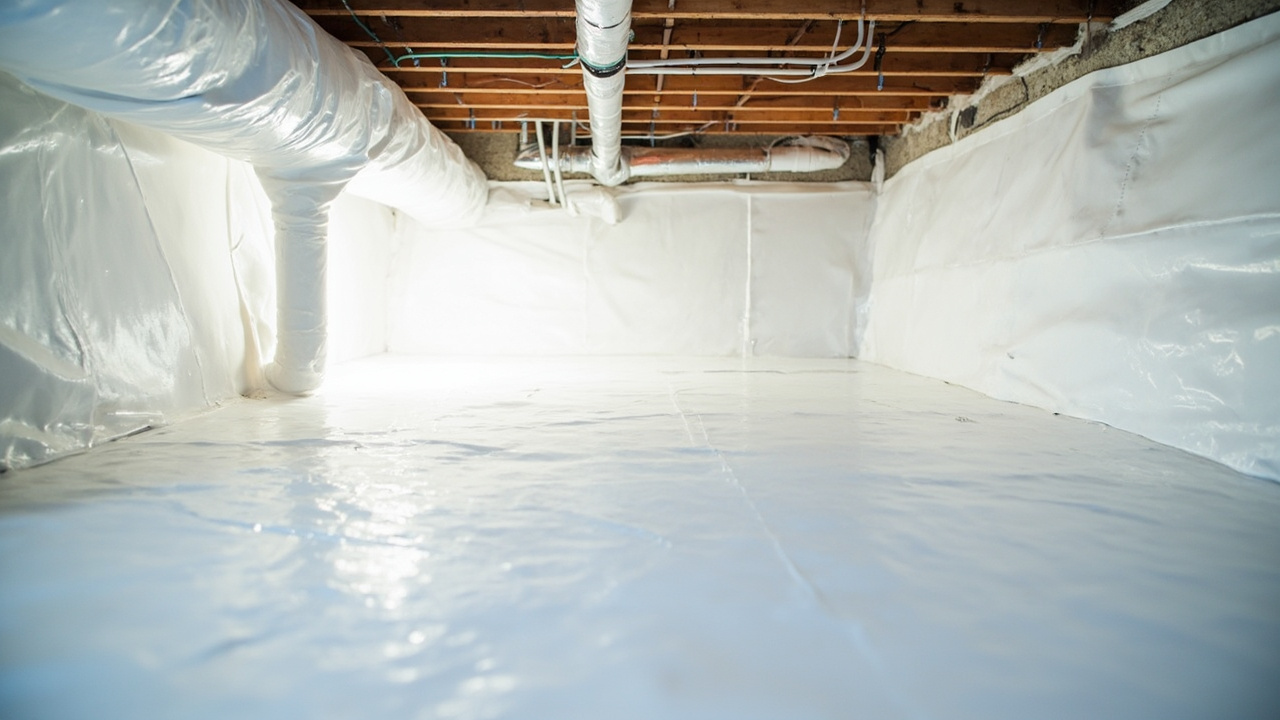
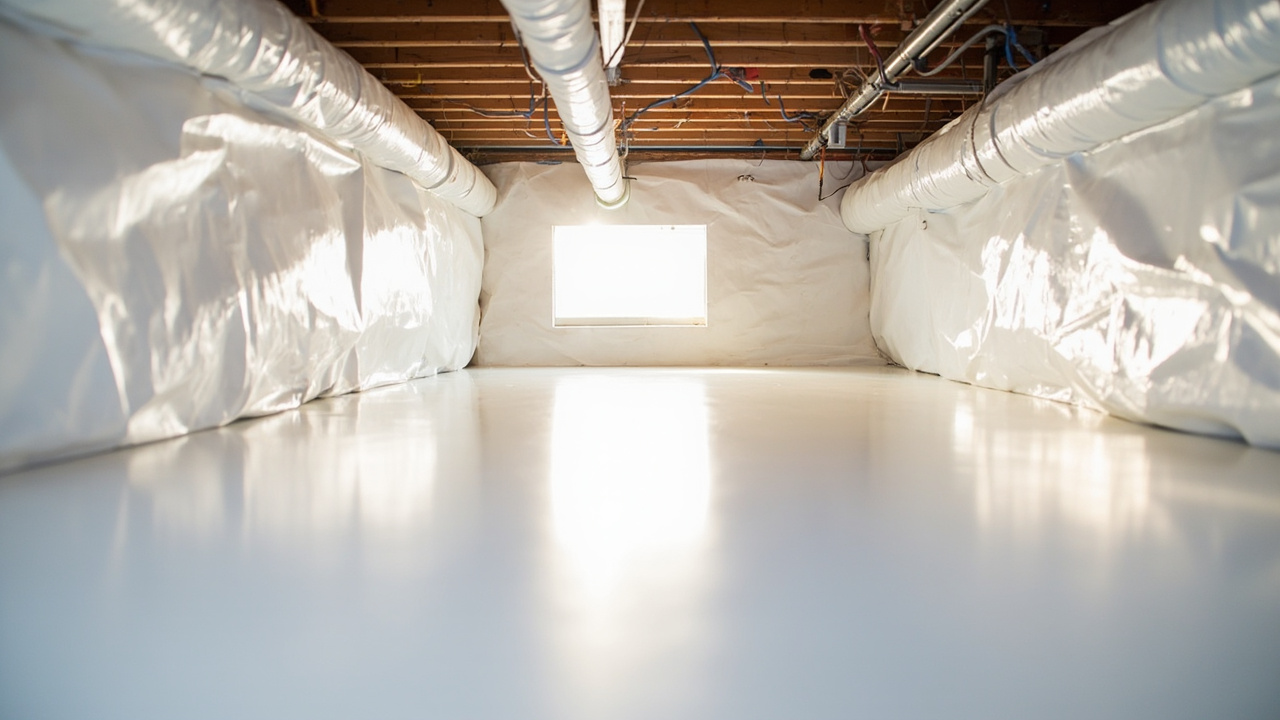
Cincinnati sits on a foundation of clay-rich soil that expands when wet and contracts when dry. This cycle creates hydrostatic pressure against foundation walls, pushing moisture into crawl spaces through cracks and porous concrete. Neighborhoods near the Mill Creek and Little Miami River experience seasonal water table rises that flood crawl spaces during spring thaws and heavy rain events. The freeze-thaw cycle common to our winters creates foundation movement that opens new entry points for water each year. Crawl space waterproofing must account for these pressures. Simple vapor barriers fail without proper drainage systems to relieve hydrostatic pressure and route groundwater away from the foundation.
Hamilton County building codes require crawl space modifications to meet specific ventilation and moisture control standards. Work that does not comply can complicate home sales and insurance claims. Ace Water Damage Restoration Cincinnati stays current with local code requirements and works with inspectors to ensure all encapsulation projects pass review. We understand the importance of documentation for insurance purposes when crawl space damage results from plumbing failures or storm events. Local expertise matters because crawl space conditions vary significantly across Cincinnati's microclimates. Homes in Loveland face different moisture challenges than properties in downtown Cincinnati. We adjust our crawl space sealing services to match your specific location and foundation type.