



Menu

Commercial Sewage Cleanup in Cincinnati | Industrial-Grade Response Minimizes Business Downtime

When sewage disrupts operations, every hour offline costs revenue. Ace Water Damage Restoration Cincinnati delivers rapid commercial sewage remediation with containment protocols and EPA-compliant extraction that keeps your facility operational and your liability exposure minimal.

Slider Image 1
Slider Image 2
Slider Image 3
Slider Image 4
Slider Image 5
Slider Image 7
Slider Image 8
Slider Image 9
Slider Image 10
Slider Image 11

Cincinnati's Aging Infrastructure and Seasonal Flooding Create High-Risk Sewage Events

Cincinnati's commercial districts sit in a flood-prone Ohio River valley where combined sewer overflows remain a documented issue. When heavy spring rains overwhelm the Metropolitan Sewer District's capacity, backflow valves fail and black water enters ground-floor facilities, warehouses, and retail spaces. The result is Category 3 contamination that shuts down operations, triggers health department notices, and exposes business owners to significant liability.

Commercial sewage removal demands a different response than residential cleanup. You face regulatory scrutiny from OSHA, potential EPA violations if waste enters storm drains, and the immediate threat of pathogen exposure to employees and customers. Industrial sewage cleanup requires negative air pressure containment, Class III PPE protocols, and documentation that satisfies insurers and health inspectors.

The older building stock in Over-the-Rhine and Downtown Cincinnati often lacks adequate backflow prevention. When the Mill Creek or adjacent tributaries crest during storm events, the pressure differential forces sewage through floor drains, utility chases, and compromised pipe joints. Commercial sewer backup cleaning in these conditions requires pump trucks, antimicrobial fogging, and complete removal of porous materials that retain fecal coliforms and E. coli.

Time dictates outcomes. Within 48 hours, bacterial amplification creates airborne spore loads that contaminate HVAC systems and spread contamination across multiple zones. Commercial black water extraction must begin within hours, not days, to preserve your certificate of occupancy and prevent extended closure.

Cincinnati's Aging Infrastructure and Seasonal Flooding Create High-Risk Sewage Events
Our Three-Phase Containment and Extraction Protocol

Our Three-Phase Containment and Extraction Protocol

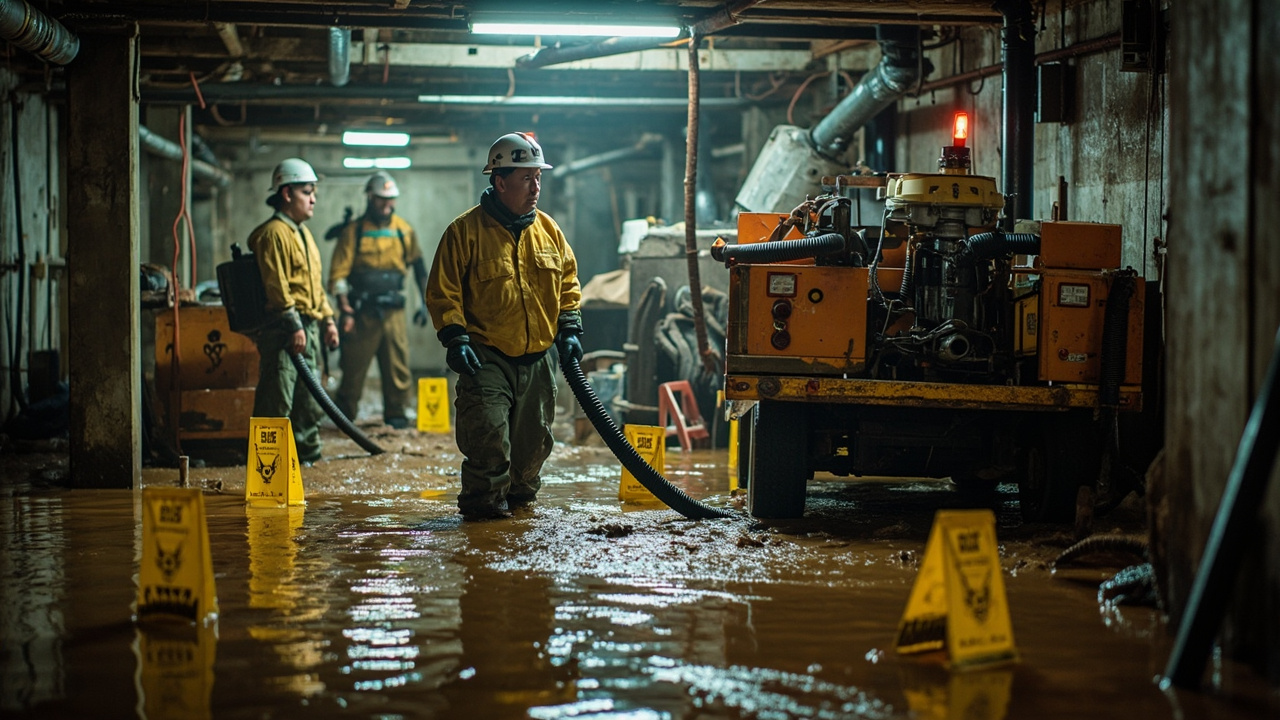
Commercial sewage remediation follows EPA and IICRC S500 standards for Category 3 water. We deploy truck-mounted extractors capable of removing 200 gallons per minute, which matters when you have 10,000 square feet of standing black water in a warehouse. Portable generators power industrial air scrubbers with HEPA filtration to capture airborne particulates and reduce cross-contamination during the extraction phase.

Containment comes first. We establish negative pressure zones using polyethylene barriers and dedicated exhaust fans that vent contaminated air outside the building envelope. This prevents migration into unaffected areas and protects inventory, equipment, and adjacent tenant spaces. Entry and exit points follow decontamination protocols with boot baths and PPE disposal stations to prevent tracking.

The extraction phase uses weighted wands and floor squeegees to channel sewage toward sump locations. We pump directly into dedicated waste haulers, not into your building's drainage system, which prevents recontamination and satisfies municipal wastewater codes. Solid waste gets bagged as regulated medical waste if it contains sharps or biohazardous material.

Post-extraction, we apply EPA-registered quaternary ammonium compounds or hydrogen peroxide vapor to all hard surfaces. Porous materials including drywall below the flood line, insulation, and unsealed concrete get removed and disposed of per Ohio EPA solid waste regulations. We provide chain-of-custody documentation for waste manifests, which your insurance carrier and legal counsel will require if litigation follows.

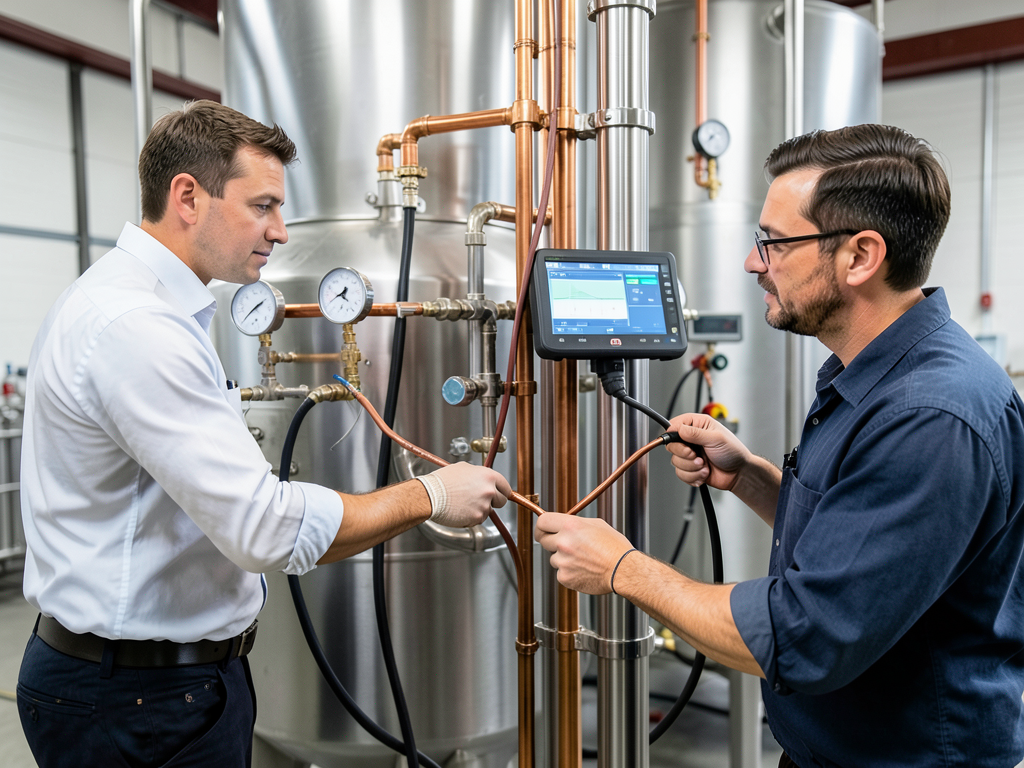
Thermal imaging identifies trapped moisture in wall cavities and under flooring systems. Industrial dehumidifiers and axial fans run until moisture content drops below 12 percent, verified with penetrating moisture meters. This prevents secondary mold amplification that extends your downtime.

How We Execute Commercial Sewage Extraction Without Disrupting Adjacent Operations

Commercial Sewage Cleanup in Cincinnati | Industrial-Grade Response Minimizes Business Downtime
01

Site Assessment and Containment

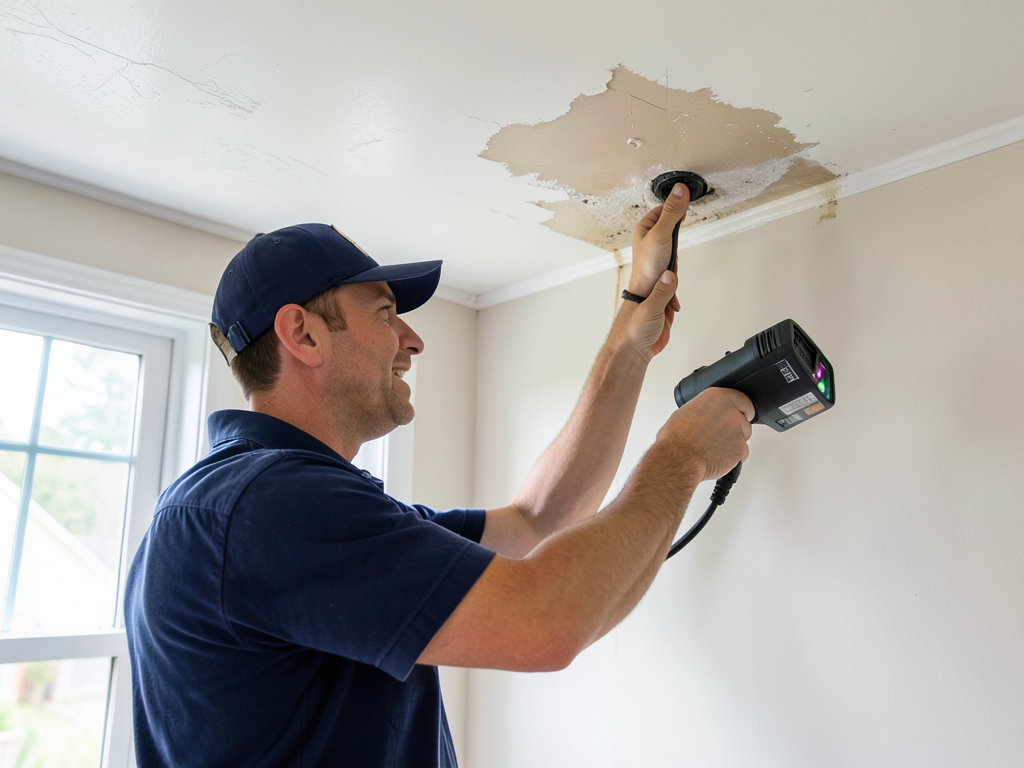
Within two hours of your call, our project manager walks the affected zone with moisture meters and thermal cameras to map contamination boundaries. We identify the source, whether it's a main line failure or backflow event, and coordinate with your plumber to stop active discharge. Containment barriers go up immediately to isolate the hot zone and protect clean areas. You receive a scope of work and waste manifest before extraction begins.
02

Extraction and Decontamination

Truck-mounted pumps remove standing black water while technicians in Tyvek suits and respirators bag contaminated materials. We remove baseboards, cut drywall two feet above the visible water line, and pull insulation from wall cavities. All non-salvageable materials go into six-mil bags marked with biohazard labels. Antimicrobial agents are applied via electrostatic sprayers to ensure complete surface coverage on floors, walls, and structural elements.
03

Drying and Clearance Testing

Industrial dehumidifiers and air movers run continuously until moisture readings meet IICRC dry standards. We document daily moisture levels and provide you with a drying log that satisfies your insurance adjuster. Final ATP testing verifies surface decontamination before we demobilize equipment. You receive a certificate of completion with waste disposal receipts and photographic documentation proving your facility meets occupancy standards for reopening.

Why Cincinnati Businesses Choose Local Expertise for Sewage Events

Ace Water Damage Restoration Cincinnati operates from a local dispatch center with equipment staged for rapid deployment across Hamilton County. When a sewage backup hits your facility at 3 a.m., you get a crew on-site in under 90 minutes, not a call center routing your emergency to a contractor two states away. We know which streets flood during Ohio River high water events and which buildings in Queensgate and Camp Washington sit in the MSD's combined sewer overflow zones.

Our technicians understand Cincinnati's commercial building codes and work directly with the Hamilton County Health Department when sewage events require inspection and clearance. We maintain relationships with local waste haulers who can accept Category 3 materials without delay, which prevents your contaminated debris from sitting in dumpsters and creating secondary health violations.

Commercial sewage cleanup demands more than extraction equipment. You need a contractor who can coordinate with your property manager, communicate with tenants, and work around your operational schedule. If you run a restaurant, retail space, or medical office, we structure the remediation to minimize customer-facing disruptions. Night shifts and weekend work keep your business visible and accessible even while we execute containment in back-of-house areas.

We provide documentation that satisfies commercial insurers. Expect detailed photo logs, moisture readings at every phase, waste manifests with disposal site receipts, and a scope of work that breaks down labor, equipment, and materials. This transparency prevents disputes during the claims process and gives you the evidence needed if you pursue subrogation against a negligent third party.

Local expertise means we know which buildings have cast iron stacks prone to failure and which facilities have inadequate backflow prevention. That knowledge translates into faster diagnosis and more accurate scoping.

What Your Commercial Sewage Cleanup Includes

Emergency Dispatch and Mobilization

We answer your call 24 hours a day, seven days a week, including holidays. A project manager arrives within 90 minutes for most Hamilton County locations to assess the scope and begin containment. Extraction equipment mobilizes immediately after initial assessment. You receive an on-site estimate and preliminary timeline before we begin pumping. For multi-floor or large-scale events exceeding 5,000 square feet, we bring additional crews and equipment to compress the extraction phase and reduce your offline hours.

Complete Hazard Assessment and Source Identification

Our technicians use thermal imaging and moisture mapping to trace contamination pathways and identify hidden saturation in wall cavities, under flooring, and within ceiling plenums. We determine whether the event resulted from main line failure, storm surge backflow, or localized drain blockage. This diagnostic phase prevents incomplete remediation that leads to recurring problems. You receive a written assessment that documents the contamination category, affected square footage, and materials requiring removal per IICRC guidelines.

Regulatory-Compliant Decontamination and Disposal

All sewage-contaminated materials are disposed of in accordance with Ohio EPA solid waste regulations. We provide waste manifests showing disposal site location and acceptance signatures. Antimicrobial treatment follows EPA-registered product protocols with dwell times and dilution ratios documented for your records. Final ATP surface testing verifies decontamination effectiveness before we release the space. Your facility receives a clearance letter suitable for health department review and insurance claim substantiation.

Post-Remediation Monitoring and Prevention Guidance

After extraction and drying, we provide recommendations to prevent future events. This includes backflow preventer installation points, sump pump upgrades, and floor drain maintenance protocols. For facilities in high-risk flood zones near the Ohio River or Mill Creek, we offer annual inspections and preventive maintenance contracts. You receive a final report with moisture readings, photographic evidence of completed work, and a 30-day follow-up inspection to verify no secondary moisture issues have developed.

Frequently Asked Questions

You Have Questions,
We Have Answers

How much does sewage cleanup cost? +

Commercial sewage cleanup costs vary based on contamination level, square footage, and structural damage. Category 3 water (raw sewage) requires extensive decontamination, disposal, and often demolition of affected materials. Expect costs to scale with the scope: a small restroom backup differs significantly from a building-wide main line failure. Location matters. Cincinnati's older commercial districts may involve asbestos or lead paint abatement during restoration, increasing costs. Document everything for insurance claims. Most commercial policies cover sudden sewage events, but mitigation speed directly impacts final expenses. Delays compound damage and inflate restoration bills.

Does insurance cover sewage cleanup? +

Most commercial property insurance policies cover sudden and accidental sewage backups, but coverage varies significantly. Review your policy for sewer backup endorsements and exclusions. Standard policies often cap sewage damage at lower limits than other water losses. Maintenance-related failures, like neglected line breaks or tree root intrusion, may be denied. Cincinnati properties near flood-prone areas along the Ohio River or Mill Creek should verify whether sewer backups during flooding are covered under base policies or require separate flood insurance. Document the incident immediately, halt further damage, and engage your adjuster before cleanup begins to maximize reimbursement.

How often should sewage be cleaned? +

Commercial sewer lines require preventive maintenance, not routine cleanup. Schedule professional inspections and hydro-jetting annually for high-use facilities like restaurants, medical offices, or multi-tenant buildings. Cincinnati's clay soil and aging infrastructure increase root intrusion risk, particularly in older neighborhoods like Over-the-Rhine or Northside. Facilities generating grease, chemicals, or high solid waste need quarterly maintenance to prevent blockages. Camera inspections identify issues before they escalate into contamination events. Reactive cleanup happens only after a failure. Proactive maintenance reduces liability, avoids business interruption, and complies with local health codes. Neglect invites costly contamination events and regulatory penalties.

What is commercial sewage? +

Commercial sewage refers to wastewater and waste discharged from business operations, including restrooms, kitchens, industrial processes, and floor drains. It contains human waste, chemicals, pathogens, and organic matter. Unlike residential sewage, commercial sewage often includes industrial byproducts, grease, pharmaceuticals, or manufacturing waste, requiring specialized handling. Category 3 contaminated water poses serious health risks, including bacteria, viruses, and parasites. Cincinnati businesses must comply with Metropolitan Sewer District regulations for discharge and cleanup. Commercial sewage backups demand immediate professional remediation to prevent cross-contamination, employee exposure, and EPA violations. It is a biohazard requiring certified disposal and decontamination protocols.

How long does sewage cleanup take? +

Commercial sewage cleanup typically takes 3 to 7 days depending on contamination extent, affected area size, and structural damage. Initial extraction and decontamination occur within 24 to 48 hours. Drying, antimicrobial treatment, and air quality testing add time. Buildings with porous materials, HVAC contamination, or compromised structural elements require longer restoration. Cincinnati's humid climate slows drying, particularly in basements or below-grade spaces common in older commercial buildings. Business interruption depends on zoning the affected area. Cafeterias, restrooms, or isolated sections can often be cordoned off while operations continue elsewhere. Delays in response exponentially increase timeline and costs.

Why is my sewer bill 200 dollars? +

A 200-dollar sewer bill for commercial properties in Cincinnati reflects usage volume, facility size, and Metropolitan Sewer District rates. Commercial rates exceed residential due to higher wastewater volume and infrastructure demands. Restaurants, medical facilities, and manufacturing operations generate substantial discharge, driving costs up. MSD bills combine sanitary sewer, stormwater management, and treatment fees. Aging infrastructure upgrades across Hamilton County have increased rates. Facilities discharging industrial waste or requiring pretreatment permits face surcharges. High bills may also indicate leaks, running fixtures, or inefficient equipment. Audit usage, inspect for leaks, and verify billing accuracy if costs seem disproportionate to operations.

What is the average lifespan of a sewer line? +

Commercial sewer lines last 40 to 100 years depending on material, usage, and maintenance. Cast iron and clay pipes, common in Cincinnati's older commercial districts, degrade faster due to corrosion and root intrusion. PVC and HDPE lines installed in newer developments can exceed 100 years with proper maintenance. High-use facilities accelerate wear through chemical exposure, grease buildup, and mechanical stress. Cincinnati's clay soil and freeze-thaw cycles stress pipe joints, causing premature failure. Regular camera inspections identify deterioration before catastrophic failure. Lines showing consistent blockages, slow drains, or visible settling require evaluation. Replacing aging infrastructure proactively avoids contamination events and business disruption.

How much does sewage insurance cost? +

Sewage backup insurance for commercial properties typically costs between 1 and 3 percent of total property insurance premiums, though standalone endorsements vary. Cost depends on building age, location, claims history, and coverage limits. Cincinnati properties in flood-prone zones near the Ohio River or areas with combined sewer systems face higher premiums. Policies often cap sewage damage coverage at 10,000 to 50,000 dollars unless enhanced. High-risk facilities like restaurants or medical offices may require specialized environmental liability policies. Compare endorsements carefully. Some policies exclude maintenance-related failures or limit coverage to sudden backups. Adequate coverage protects against six-figure remediation costs and business interruption losses.

Are trenchless sewer repairs worth it? +

Trenchless sewer repairs deliver significant ROI for commercial properties by minimizing excavation, business disruption, and restoration costs. Pipe bursting or cured-in-place pipe lining restores lines without tearing up parking lots, landscaping, or interior floors. Cincinnati's dense urban commercial districts, where excavation disrupts streets and utilities, make trenchless methods particularly cost-effective. Repairs complete in 1 to 3 days versus weeks for traditional dig-and-replace. Trenchless solutions work well for lines without severe structural collapse. However, extensively damaged or misaligned pipes may still require excavation. Evaluate line condition via camera inspection. For facilities where downtime equals lost revenue, trenchless repairs minimize operational impact and long-term costs.

How do professionals clean sewer lines? +

Professionals clean sewer lines using hydro-jetting, mechanical augering, and camera inspections. Hydro-jetting uses high-pressure water streams up to 4,000 PSI to scour pipe interiors, removing grease, scale, roots, and debris. Mechanical augers break up solid blockages. Camera inspection identifies damage, root intrusion, or structural issues before and after cleaning. Commercial facilities require industrial-grade equipment capable of handling larger diameter lines and heavier contamination. Cincinnati's older infrastructure often contains offset joints or bellied sections where debris accumulates. Professionals use enzymatic treatments post-cleaning to reduce biofilm and odors. Regular maintenance prevents emergency backups. One-time cleaning addresses symptoms, but scheduled service prevents contamination events and compliance violations.

Why Cincinnati's Combined Sewer System Creates Recurring Commercial Sewage Risks

Cincinnati operates one of the oldest combined sewer systems in the United States, where stormwater and sanitary sewage share the same pipes. During heavy rainfall, the system exceeds capacity and forces untreated sewage back through floor drains and into ground-level commercial spaces. The Metropolitan Sewer District has documented over 200 combined sewer overflow events annually in areas near the Mill Creek and Ohio River. Facilities in Lower Price Hill, Queensgate, and the Central Business District face the highest risk. Commercial sewage removal in these zones requires rapid response because contamination often includes industrial runoff and chemical pollutants mixed with raw sewage.

Ohio Revised Code Section 3701 requires commercial facilities to maintain sanitary conditions, and the Hamilton County Health Department can issue closure orders if sewage contamination is not remediated properly. Businesses that attempt DIY cleanup without proper containment, PPE, or EPA-registered disinfectants face potential fines and extended downtime. Ace Water Damage Restoration Cincinnati maintains relationships with local inspectors and understands the documentation required to achieve clearance and reopen your facility. Our technicians are trained in OSHA bloodborne pathogen standards and IICRC Category 3 water protocols specific to commercial environments.
Water Damage Restoration Services in The Cincinnati Area

We are proud to serve the entire Cincinnati area, providing expert water damage restoration services wherever and whenever they are needed. We understand the unique challenges our local community faces and are committed to being there for our neighbors. View our service area on the map to see how we can assist you, or simply give us a call for immediate dispatch to your location.

Address:
Ace Water Damage Restoration Cincinnati, 1507 Dana Ave, Cincinnati, OH, 45207

Additional Services We Offer

Our news updates

Latest Articles & News from The Blogs

Finding the Source of a Slab Leak in Your Mack Home Slab leaks in Mack OH homes are more than…

Finding the Source of a Slab Leak in Your Mack Home

Finding the Source of a Slab Leak in Your Mack Home Slab leaks in Mack OH homes are more than…

What to Do When Your Water Heater Bursts in Madisonville

Emergency Water Heater Burst Cleanup in Madisonville, Cincinnati \n\n A water heater burst in Madisonville creates immediate flooding that can…

Salvaging Important Paper Documents and Photos After an Amberley Village Flood

Salvaging Important Paper Documents and Photos After an Amberley Village Flood When floodwaters rush through Amberley Village basements, the damage…

Contact Us

Every hour of delay increases contamination spread and extends your closure. Call Ace Water Damage Restoration Cincinnati now at (513) 717-2522 for emergency dispatch. We provide 24-hour response, regulatory-compliant cleanup, and complete documentation for your insurance claim.