




Menu

Sewage Backup Cleanup in Cincinnati – Biohazard-Safe Removal Within 60 Minutes

When raw sewage floods your property, every minute increases health risks and structural damage. Our IICRC-certified crews deploy immediately across Greater Cincinnati with hospital-grade containment and EPA-approved disinfection protocols for sewage backup cleanup that protects your family and property value.

Slider Image 1
Slider Image 2
Slider Image 3
Slider Image 4
Slider Image 5
Slider Image 7
Slider Image 8
Slider Image 9
Slider Image 10
Slider Image 11

Why Sewage Backups Hit Cincinnati Properties Harder Than You Think

Cincinnati's aging combined sewer system creates a perfect storm for sewage backup disasters. When heavy rainfall overwhelms the Metropolitan Sewer District infrastructure, raw sewage doesn't just back up into your drains. It carries E. coli, hepatitis, and parasites directly into your basement or ground floor. The Ohio River valley's clay soil compounds the problem. Clay doesn't absorb water. It channels sewage laterally through foundation cracks and around failed sealants.

Most homeowners in neighborhoods like Mount Adams and Clifton discover the problem when black water bubbles up through floor drains or toilets. That water contains Category 3 contamination. This is the most dangerous classification in sewage remediation. You're looking at fecal matter, chemicals, and bacteria that penetrate porous materials within minutes. Drywall wicks contamination 12 inches vertically per hour. Carpet padding becomes a biohazard sponge.

Cincinnati's humidity makes it worse. At 70 percent average relative humidity, untreated sewage damage breeds mold colonies in 24 to 48 hours. The combination of bacterial contamination and fungal growth creates respiratory hazards that linger for months if you attempt DIY sewer backup cleaning. Your homeowner's insurance may cover the damage, but only if you document professional sewage removal within 72 hours. Wait longer, and insurers classify it as neglect. Ace Water Damage Restoration Cincinnati responds to raw sewage cleanup calls across Hamilton County because we know these local conditions destroy properties fast.

Why Sewage Backups Hit Cincinnati Properties Harder Than You Think
How Professional Sewage Damage Restoration Actually Works

How Professional Sewage Damage Restoration Actually Works

Sewage backup cleanup isn't water damage restoration with stronger chemicals. It's a contamination event that requires containment barriers, negative air pressure, and biohazard disposal protocols. When our crews arrive, we're wearing Level C personal protective equipment. That includes respirators, full-body Tyvek suits, and nitrile gloves. We establish containment zones using polyethylene sheeting and air scrubbers with HEPA filtration to prevent cross-contamination to unaffected areas.

We extract standing sewage using truck-mounted pumps that discharge directly into approved waste systems. No shop vacs. No dumping into your yard. After extraction, we remove and bag all porous materials that contacted Category 3 water. This includes drywall, insulation, baseboards, and carpeting. These materials cannot be salvaged. Attempting to clean them spreads contamination and violates EPA guidelines for sewage remediation.

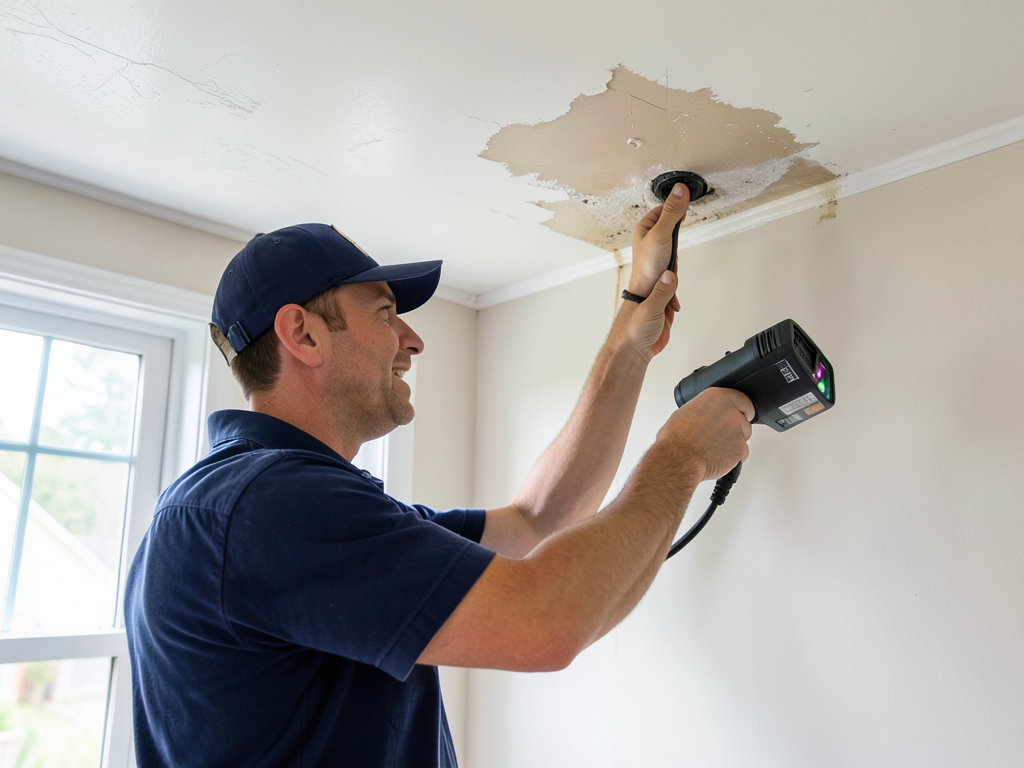
Once we've removed contaminated materials, we pressure-wash all hard surfaces with antimicrobial solutions rated for fecal coliform bacteria. Concrete floors, wall studs, and joists get treated with hospital-grade disinfectants. We follow this with enzyme treatments that break down organic matter at the molecular level. Then comes drying. Industrial dehumidifiers and air movers run for three to five days until moisture readings drop below 15 percent. We take thermal imaging scans to verify no moisture pockets remain behind walls.

The final step is environmental testing. We collect air and surface samples to confirm bacterial counts meet EPA clearance standards. You get a written clearance report. Without this documentation, you can't prove the space is safe for reoccupancy. That matters for insurance claims and future property sales.

What Happens During Your Emergency Sewage Response

Sewage Backup Cleanup in Cincinnati – Biohazard-Safe Removal Within 60 Minutes
01

Immediate Containment and Assessment

Our crew arrives within 60 minutes to stop sewage spread. We shut off water sources, establish containment barriers using negative air machines, and document contamination extent with thermal imaging cameras. You receive an on-site assessment that identifies affected materials, estimates removal scope, and provides insurance documentation. We also check for compromised electrical systems and structural hazards before starting extraction.
02

Extraction and Material Removal

We extract all standing sewage using truck-mounted pumps, then remove contaminated porous materials including drywall, insulation, and flooring. Everything gets bagged in 6-mil biohazard bags and transported to approved disposal facilities. We don't leave contaminated debris on your property. Hard surfaces like concrete and framing lumber get pressure-washed with EPA-approved antimicrobials. This phase typically takes 12 to 24 hours depending on contamination spread.
03

Disinfection and Clearance Testing

After extraction, we apply hospital-grade disinfectants and enzyme treatments to eliminate bacteria and organic residue. Industrial drying equipment runs until moisture levels drop below 15 percent. We conduct environmental testing to verify bacterial counts meet EPA clearance standards. You receive a written clearance report confirming the space is safe for reconstruction. This documentation protects your insurance claim and future property value if you sell.

Why Cincinnati Property Owners Choose Local Sewage Cleanup Experts

You can call a national franchise or a local restoration crew that lives in the neighborhoods we serve. Ace Water Damage Restoration Cincinnati operates out of Hamilton County. We know that older homes in Northside and Oakley have cast iron drain lines that crack from ground shifting. We understand that properties near the Little Miami River face higher groundwater pressure during spring thaw. These details change how we approach sewage backup cleanup.

Cincinnati's building codes require specific permits for sewage-related demolition. We pull permits through the Cincinnati Department of Buildings and Inspections before starting material removal. If you skip permitting, your insurance company can deny the claim. We also coordinate directly with the Metropolitan Sewer District when the backup originates from main line failures. That coordination determines whether the city or your homeowner's policy covers cleanup costs.

Our technicians hold IICRC certifications in Water Damage Restoration and Applied Microbial Remediation. These aren't weekend courses. They're intensive programs that cover pathogen identification, containment protocols, and liability management. When we handle raw sewage cleanup, we follow ANSI/IICRA S500 standards for Category 3 water. That means we don't cut corners on disinfection or material removal to save you money. We follow science-based protocols that protect your health.

We've worked with every major insurance carrier operating in Greater Cincinnati. We know what documentation State Farm, Nationwide, and Cincinnati Insurance require for sewage damage claims. We photograph everything, log moisture readings daily, and provide itemized estimates that match Xactimate pricing databases. You get a claims-ready report that speeds up your reimbursement process. Local knowledge matters when you're dealing with biohazard contamination and five-figure remediation costs.

What to Expect When You Call for Sewage Backup Services

Response Time and Availability

We dispatch crews 24 hours a day, 365 days a year. When you call our emergency line at (513) 717-2522, you reach a live technician, not an answering service. We guarantee arrival within 60 minutes for properties in Hamilton, Clermont, and Warren Counties. Our trucks carry containment equipment, extraction pumps, and PPE so we start work immediately. You don't wait days for scheduling. Sewage backup cleanup is always treated as an emergency response because contamination spreads exponentially every hour. We also coordinate with plumbers if your backup requires mainline repairs before we can begin remediation.

On-Site Assessment and Documentation

The first 30 minutes on-site focus on containment and assessment. We use moisture meters, thermal cameras, and borescopes to identify hidden contamination behind walls and under flooring. You receive a written scope of work that itemizes affected materials, required demolition, estimated drying time, and disposal costs. We photograph every stage for insurance documentation. If your policy includes Additional Living Expenses coverage, we provide the documentation you need to file for temporary housing reimbursement. You'll know exactly what we're removing, why it can't be saved, and what the timeline looks like before we start work.

Final Results and Clearance Standards

Sewage remediation isn't complete until you have written clearance. We conduct post-remediation verification testing that includes ATP surface testing for bacterial contamination and air sampling for airborne pathogens. Your clearance report includes lab results, moisture readings, and photographic documentation showing the space meets EPA standards for reoccupancy. This report is critical if you're selling the property or refinancing. It proves the contamination was professionally remediated and poses no ongoing health risk. We also provide a detailed invoice that breaks down labor, equipment, disposal fees, and materials for insurance reimbursement.

Post-Cleanup Support and Prevention

After clearance, we walk you through prevention strategies specific to your property. This includes backwater valve installation recommendations, sump pump maintenance schedules, and warning signs of future drain line failures. If your backup resulted from tree root intrusion or collapsed laterals, we coordinate with licensed plumbers for permanent repairs. You also receive our direct contact information for follow-up questions. If you detect odors or notice discoloration weeks later, we return to retest and verify no hidden contamination remains. Sewage damage restoration is only successful if your property returns to pre-loss condition and stays that way.

Frequently Asked Questions

You Have Questions,
We Have Answers

How to clean up after sewer back up? +

Do not attempt cleanup yourself. Sewage contains bacteria, viruses, and parasites that cause serious illness. Call a certified water damage restoration company immediately. Professionals wear protective gear, extract contaminated water with industrial pumps, remove porous materials like drywall and carpet, disinfect all hard surfaces with EPA-approved antimicrobials, and dry the space with commercial dehumidifiers. In Cincinnati, older sewer systems and clay soil contribute to frequent backups. Never touch sewage with bare hands. Turn off HVAC systems to prevent airborne contamination. Document damage with photos for insurance claims before cleanup starts.

Is it safe to stay in a house with sewage backup? +

No. Evacuate immediately. Sewage contains E. coli, hepatitis A, salmonella, and other pathogens that cause disease through contact, inhalation, or ingestion. Children, elderly residents, and anyone with compromised immune systems face extreme risk. Airborne particles spread bacteria throughout your home via HVAC systems. Do not sleep, eat, or remain in affected areas. Many Cincinnati homes have finished basements where families spend significant time. Exposure leads to gastroenteritis, respiratory infections, and skin diseases. Return only after certified professionals complete decontamination and clearance testing confirms the space is safe.

How much does sewage backup cleanup cost? +

Cleanup costs depend on contamination extent, affected square footage, and material removal needs. Small bathroom backups may cost less than major basement floods requiring extensive demolition. Category 3 water damage is the most severe classification. Factors include extraction time, antimicrobial treatment, drying duration, and reconstruction. Most Cincinnati homes built before 1970 have combined sewer systems that increase backup risk during heavy rain. Insurance coverage varies significantly. Get written estimates from certified restoration companies. Never choose the cheapest option when health is at stake. Proper decontamination prevents long-term illness and property damage.

How to get rid of sewer smell after a backup? +

Sewage odor persists because organic matter absorbs into porous surfaces. Professional remediation is essential. Technicians remove contaminated materials like carpet pad, drywall, and insulation that trap odor. They apply antimicrobial treatments and enzyme cleaners to break down organic compounds. Industrial air scrubbers with HEPA and carbon filters remove airborne particles. Thermal foggers penetrate walls and subfloors. Cincinnati's high humidity worsens odor retention. Do not mask smells with air fresheners. Lingering odor indicates incomplete cleaning and active bacterial growth. Proper ventilation and dehumidification during drying prevent mold growth that compounds the problem.

How long do sewage bacteria last on surfaces? +

Sewage bacteria survive days to months depending on surface type, temperature, and moisture. E. coli lives up to several weeks on hard surfaces. Pathogens thrive longer in Cincinnati's humid climate. Porous materials like wood, drywall, and fabric harbor bacteria indefinitely without professional disinfection. Cold temperatures extend survival time. Some spore-forming bacteria remain viable for years. Surface cleaning with household products is insufficient. Professional restoration companies use hospital-grade disinfectants with verified kill rates against sewage pathogens. All contaminated materials require removal or specialized treatment. Never assume surfaces are safe without proper decontamination protocols and adequate contact time.

Can I clean my sewer line myself? +

Minor clogs may respond to snaking, but sewage backups indicate serious blockages or system failures requiring professional diagnosis. Cincinnati's aging infrastructure includes clay pipes prone to root intrusion and collapse. Chemical drain cleaners damage pipes and create toxic fumes when mixed with sewage. Improper augering can puncture lines. If sewage backs up into your home, the problem extends beyond a simple clog. You need video camera inspection to identify breaks, bellied sections, or main line issues. Sewer line work often requires permits and must meet municipal codes. Attempting repairs yourself risks contamination exposure and further damage.

Does homeowners insurance cover sewer back up? +

Standard homeowners policies typically exclude sewer backup damage. You need a separate sewer backup endorsement or rider, which costs minimal additional premium but provides significant protection. This coverage pays for cleanup, repairs, and damaged belongings. Many Cincinnati properties face backup risk from combined sewer overflows during storms, especially in older neighborhoods like Over-the-Rhine and Mount Auburn. Review your policy immediately. The endorsement usually caps at a specific amount. Document all damage with photos and videos. Keep restoration receipts. Some policies require professional cleanup. File claims promptly. Coverage varies by insurer and policy terms.

How long does it take to get sick from sewage exposure? +

Symptoms appear within hours to several days depending on pathogen type and exposure level. Gastroenteritis symptoms like nausea, vomiting, diarrhea, and cramping typically surface within 12 to 48 hours. Respiratory issues develop quickly from airborne particles. Skin infections appear where sewage contacted broken skin. Hepatitis A has a longer incubation period of 15 to 50 days. Immune-compromised individuals, children, and elderly people get sicker faster. Seek medical attention immediately if you contacted sewage. Tell doctors about the exposure. Many pathogens require specific treatments. Do not wait for symptoms to worsen before getting help.

Who is responsible for blocked sewer drains? +

Responsibility depends on blockage location. Homeowners own the lateral line from their house to the connection point at the main sewer line, typically at the property line or street. You pay for clogs, breaks, or root intrusion in your lateral. The city or sewer district maintains the main line in the street. In Cincinnati, the Metropolitan Sewer District handles main line issues. Blockages caused by improper items flushed down toilets are always the homeowner's responsibility. Tree roots from your property infiltrating city mains may still be your cost. Video inspection determines blockage location and responsibility before repair work begins.

Why is my sewer bill 200 dollars? +

This question involves billing, not cleanup services. High sewer bills result from increased water usage, since sewer charges calculate based on water consumption. Check for running toilets, leaky faucets, or underground pipe leaks. Some Cincinnati neighborhoods have separate stormwater fees added to sewer bills. Winter averaging periods affect rates. The Metropolitan Sewer District uses tiered pricing where higher consumption costs more per gallon. Irrigation and pool filling inflate bills. Review your water meter for unusual activity. Compare current usage to previous months. Contact the billing department to verify meter readings and identify calculation errors before paying disputed amounts.

How Cincinnati's Combined Sewer System Increases Your Sewage Backup Risk

Cincinnati operates one of the oldest combined sewer systems in the country. This means the same pipes carry both sewage and stormwater runoff. During heavy rain events, which Greater Cincinnati experiences 120 days per year, the system reaches capacity. When that happens, the Metropolitan Sewer District's overflow relief system diverts excess flow. But in older neighborhoods like Over-the-Rhine, Walnut Hills, and East Price Hill, that overflow doesn't always divert away from your property. It backs up through floor drains and lower-level plumbing fixtures. This is why raw sewage cleanup calls spike every spring when snowmelt combines with April thunderstorms. The clay soil throughout Hamilton County doesn't absorb runoff. It channels water directly into overtaxed sewer lines, creating pressure that forces sewage backward into your home.

Property owners across Cincinnati need sewage backup cleanup teams who understand MSD infrastructure and local building codes. We've responded to hundreds of sewer backup cleaning emergencies from Mariemont to Wyoming. We know which neighborhoods have the oldest laterals and which soil conditions create the highest risk for foundation intrusion. That local knowledge speeds up response time and improves remediation accuracy. When you call a national chain, they're reading from a script. When you call Ace Water Damage Restoration Cincinnati, you're talking to technicians who've worked in your neighborhood and know exactly what challenges your property faces. Local expertise matters when you're dealing with biohazard contamination and insurance claims.
Water Damage Restoration Services in The Cincinnati Area

We are proud to serve the entire Cincinnati area, providing expert water damage restoration services wherever and whenever they are needed. We understand the unique challenges our local community faces and are committed to being there for our neighbors. View our service area on the map to see how we can assist you, or simply give us a call for immediate dispatch to your location.

Address:
Ace Water Damage Restoration Cincinnati, 1507 Dana Ave, Cincinnati, OH, 45207

Additional Services We Offer

Our news updates

Latest Articles & News from The Blogs

Finding the Source of a Slab Leak in Your Mack Home Slab leaks in Mack OH homes are more than…

Finding the Source of a Slab Leak in Your Mack Home

Finding the Source of a Slab Leak in Your Mack Home Slab leaks in Mack OH homes are more than…

What to Do When Your Water Heater Bursts in Madisonville

Emergency Water Heater Burst Cleanup in Madisonville, Cincinnati \n\n A water heater burst in Madisonville creates immediate flooding that can…

Salvaging Important Paper Documents and Photos After an Amberley Village Flood

Salvaging Important Paper Documents and Photos After an Amberley Village Flood When floodwaters rush through Amberley Village basements, the damage…

Contact Us

Sewage backup isn't a problem you can afford to wait on. Every hour increases health risks and structural damage. Call Ace Water Damage Restoration Cincinnati now at (513) 717-2522. Our crews deploy immediately with containment equipment and biohazard-safe removal protocols. We're available 24/7 across Greater Cincinnati.