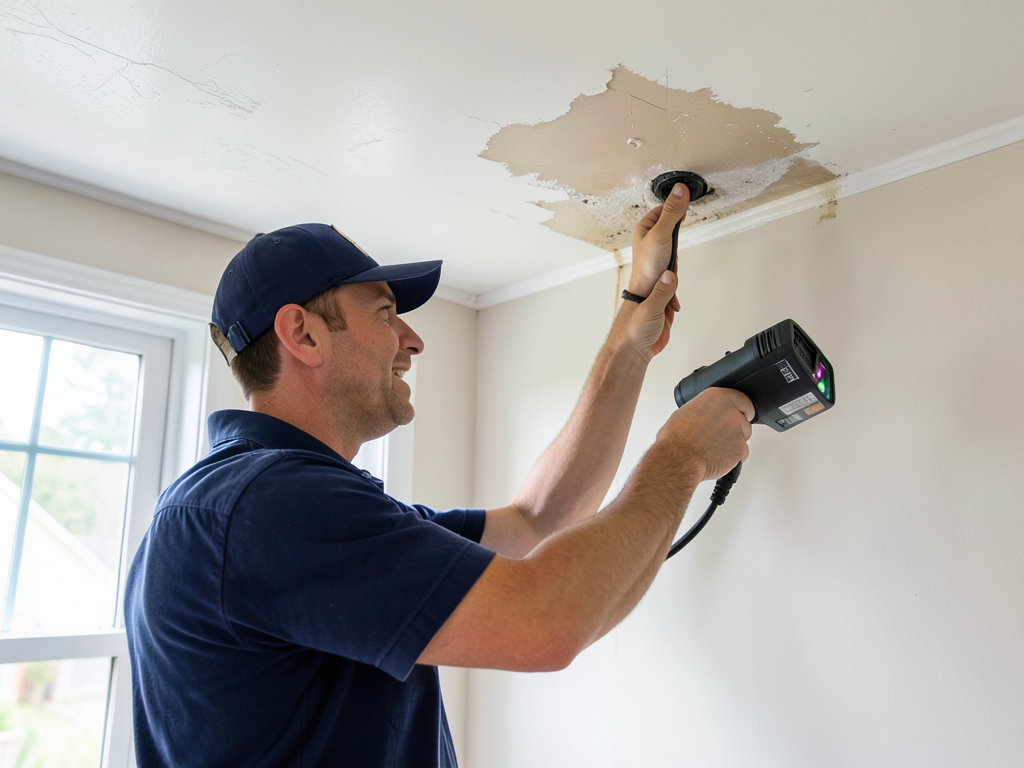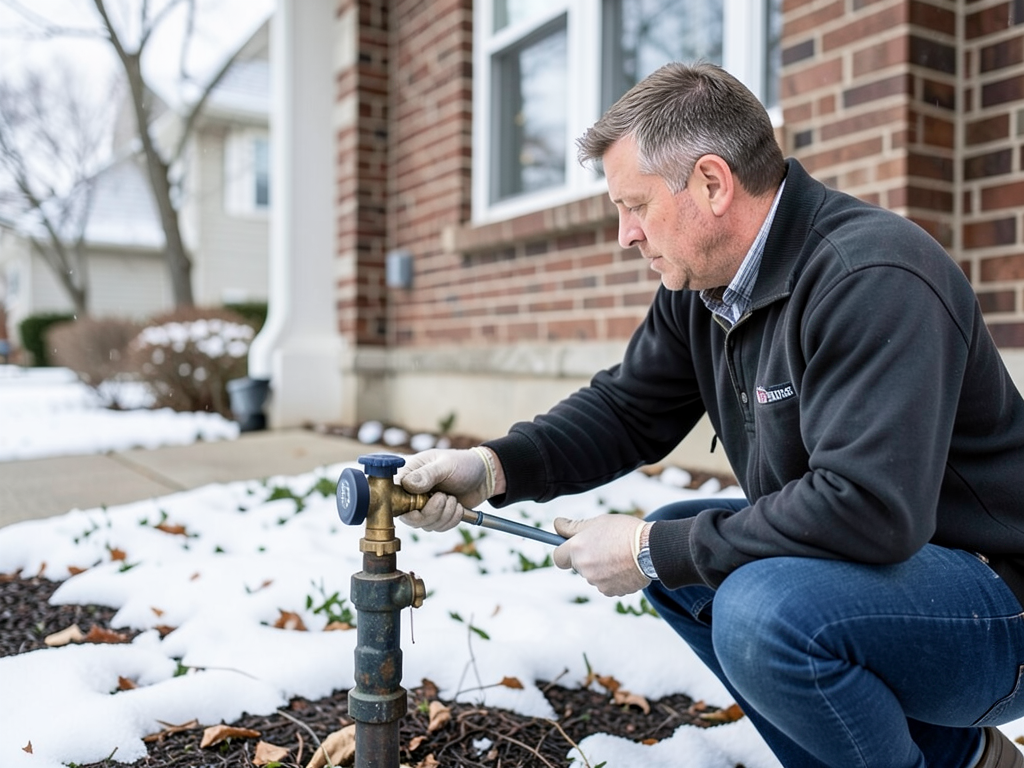







Cincinnati's average summer humidity exceeds 70 percent, which slows evaporation and extends drying timelines. Water trapped in porous materials like drywall and insulation takes longer to dry here than in arid climates, increasing mold risk. Older neighborhoods with clay tile drainage systems and limestone foundations face groundwater intrusion during heavy spring rains. The Ohio River flood plain affects properties in Lower Price Hill, East End, and Riverside, where rising water tables push moisture through basement floors. Fast mitigation is the difference between saving your flooring and replacing it.
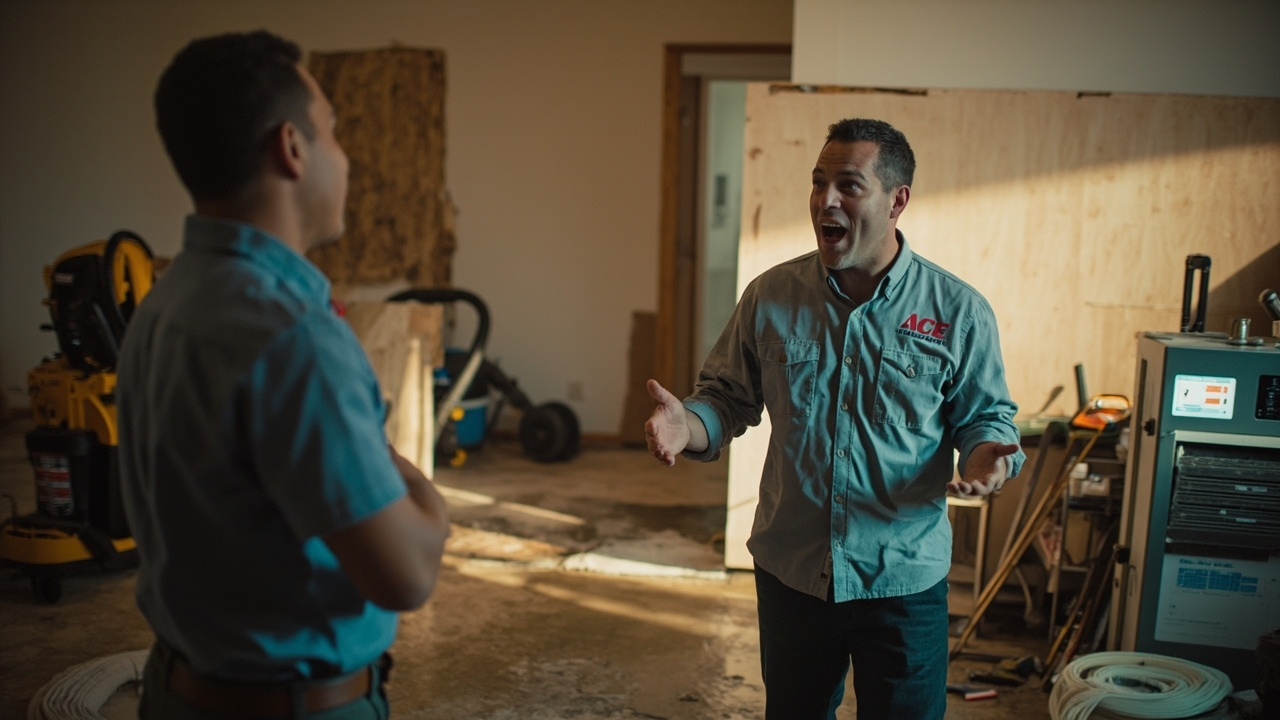
Local expertise matters because Cincinnati's building stock varies widely. Victorian-era homes in Mt. Adams have different water damage profiles than 1960s ranches in Finneytown. We work with Hamilton County inspectors who enforce Ohio Residential Code provisions for water-damaged structures. We know which materials can be dried in place and which must be removed to prevent liability. Choosing a local team means working with technicians who understand the difference between water mitigation and restoration in the context of your specific property type and location.