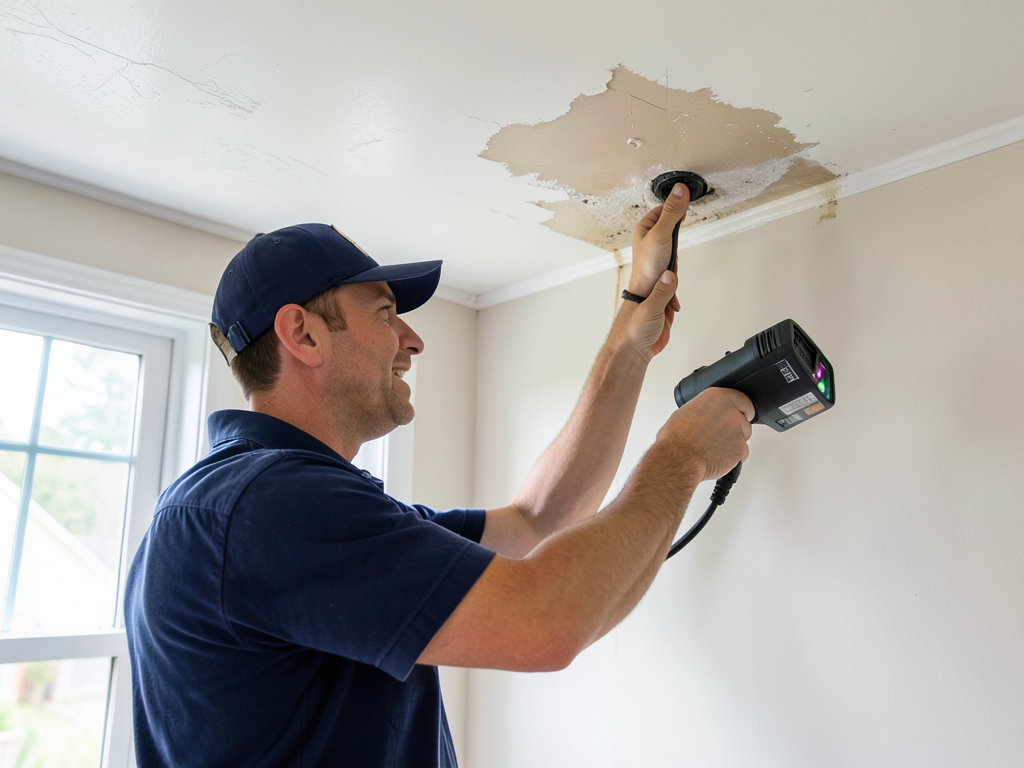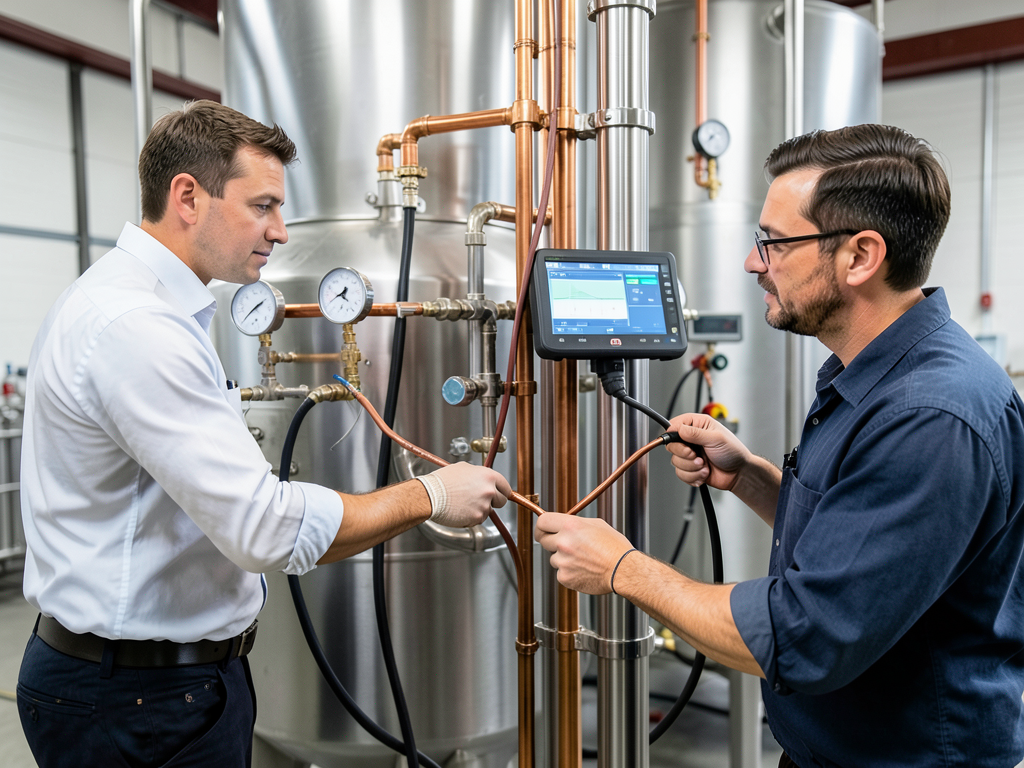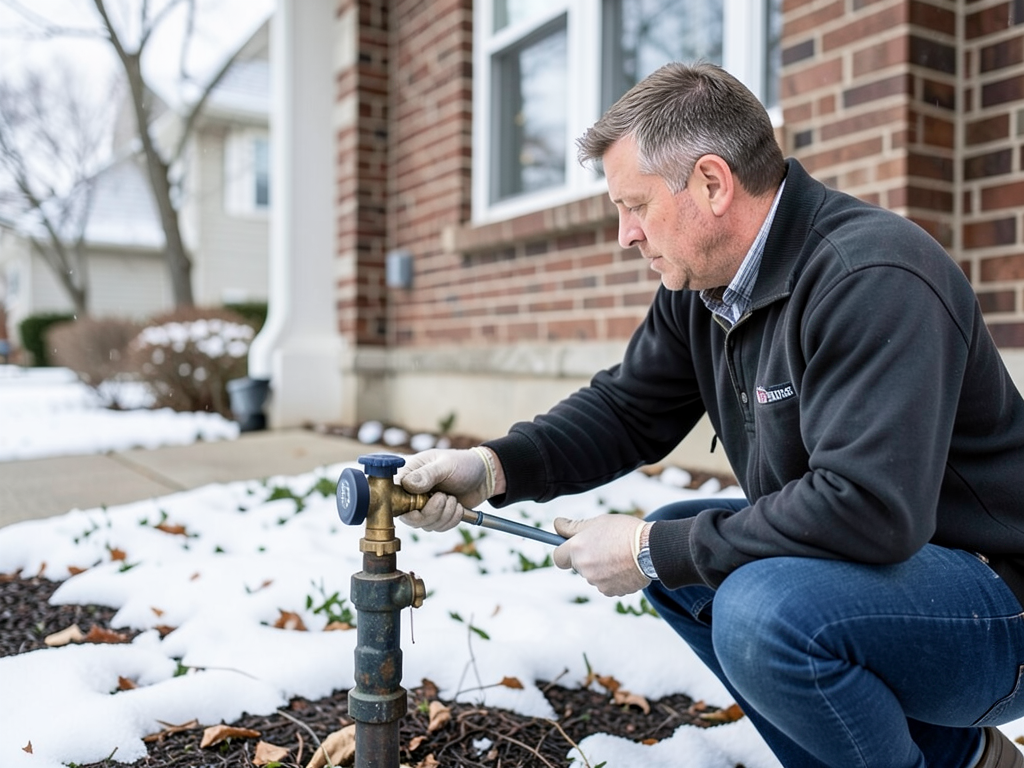







Cincinnati experiences extreme seasonal shifts that directly impact water damage restoration pricing. Winter freeze-thaw cycles cause pipe bursts in exterior walls and crawlspaces, which require extensive demolition to access damaged plumbing. Spring storms overwhelm outdated combined sewer systems in neighborhoods like Over-the-Rhine and Northside, causing backups that flood basements with contaminated water. Summer humidity levels above 70 percent slow drying times and require more dehumidification equipment running for longer periods. Fall rainstorms saturate the clay soil common throughout Hamilton County, which increases hydrostatic pressure and forces groundwater through foundation cracks. Each seasonal pattern creates specific cost drivers that influence your total restoration expense.
Restoration work in Cincinnati must comply with local building codes that differ from surrounding counties. Hamilton County requires vapor barriers in below-grade spaces, which adds material and labor costs to basement restoration projects. The city's historic preservation districts, including Mount Adams and Columbia-Tusculum, impose additional requirements when repairing water damage in structures over 50 years old. Working with a local company means your restoration meets code requirements the first time, which avoids failed inspections and costly rework. We maintain relationships with Hamilton County building inspectors and understand the documentation they require for permit closure. This local knowledge keeps your project on schedule and prevents the cost overruns that occur when out-of-town companies misinterpret local regulations.