
Why the Paint on Your Ceiling is Bubbling or Peeling and How to Fix It
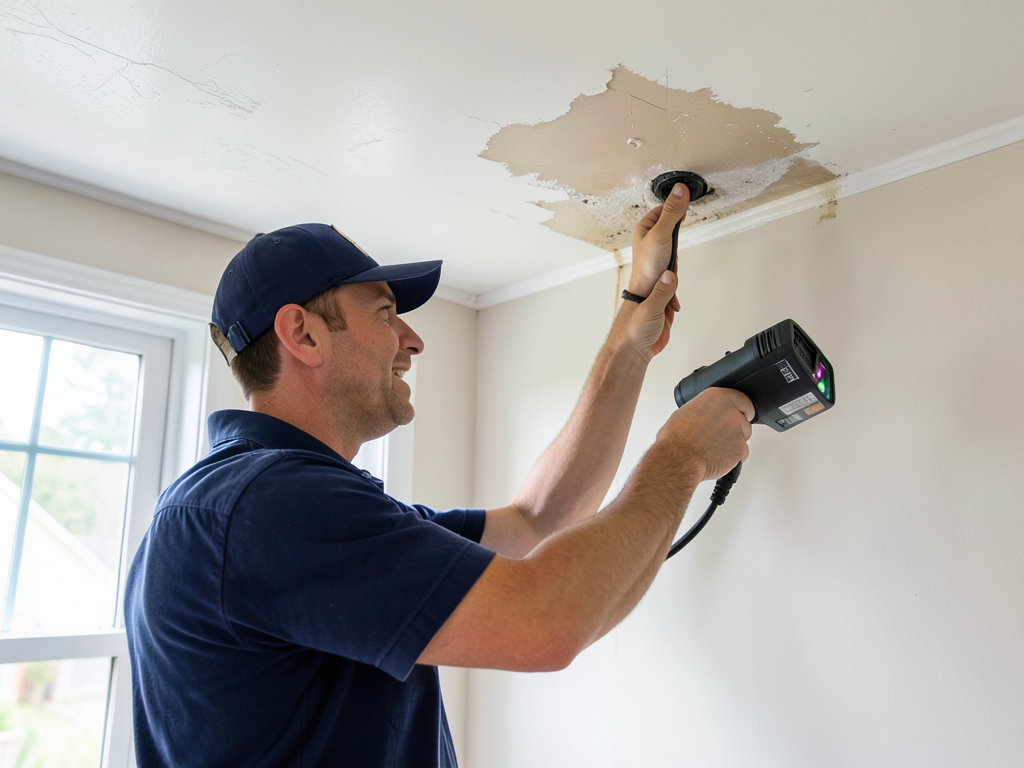
Finding bubbles or peeling paint on your ceiling is more than a cosmetic problem. In Cincinnati homes, this is often the first visible sign of a hidden water leak that can lead to mold growth, structural damage, and expensive repairs. If you see paint bubbling or peeling, you need to act fast to identify the source and stop the damage before it spreads. EPA mold information.
Immediate Steps: What to Do the Moment You See a Bubble
Safety comes first. Water and electricity are a dangerous combination. If the affected area is near a light fixture or ceiling fan, turn off the power at the breaker before inspecting anything. Do not poke or press the bubble—this can cause the ceiling to collapse and release contaminated water. Water Damage Restoration Blue Ash.
Place a bucket under the area to catch any dripping water. If the paint feels soft or the drywall sounds hollow when tapped, the material is already saturated and weakened. This is not a DIY paint job anymore—it is a structural water damage situation that requires professional assessment.
4 Common Causes of Ceiling Bubbles in Cincinnati Homes
Understanding the source of the moisture is critical for proper repair. Cincinnati’s climate and building stock create unique failure patterns that affect ceiling integrity. Reliable Sump Pump Failure Repair and Cleanup in Anderson Township.
Roof Leaks are the most common culprit in older Cincinnati neighborhoods like Hyde Park and Mount Lookout. Winter ice dams form when snow melts and refreezes at the roof edge, forcing water under shingles. Spring thunderstorms with high winds can damage flashing around chimneys and vents, creating slow leaks that travel down rafters before appearing as ceiling bubbles.
Plumbing Failures affect homes built before the 1970s when galvanized steel pipes were common. These pipes corrode from the inside out, developing pinhole leaks that spray water into ceiling cavities. A single leaking joint in an upstairs bathroom can saturate drywall for weeks before showing visible signs. Cincinnati’s freeze-thaw cycles accelerate this corrosion in exposed pipes.
HVAC Condensation occurs when air conditioning units work overtime during Cincinnati’s humid summers. If drain lines clog or condensate pans crack, water can back up into the system and leak through ceiling registers. This creates isolated bubbles near vents that homeowners often mistake for paint failure.
High Indoor Humidity is a year-round issue in Cincinnati. Without proper ventilation, moisture from showers, cooking, and breathing accumulates in closed rooms. In winter, this warm moist air hits cold attic surfaces and condenses, creating slow moisture buildup that eventually causes paint to blister. Homes in neighborhoods like Oakley and Pleasant Ridge with poor attic ventilation are particularly vulnerable.
Diagnosis: Is it a Slow Leak or a Flash Flood?
The appearance of the bubble tells you a lot about the water source. Active leaks create fresh, clean-looking bubbles that may drip when touched. These often appear yellow or clear and feel cool to the touch. The water source is still active and requires immediate shutoff.
Old leaks develop brown or yellow staining around the bubble edges. The paint feels dry and brittle, and the drywall may have a musty odor. This indicates water has been present for days or weeks, allowing mold spores to begin colonizing the organic materials.
Texture provides another clue. Smooth, uniform bubbles suggest condensation or humidity issues. Rough, irregular bubbles with visible staining patterns often indicate roof or plumbing leaks where water has traveled along structural members before reaching the ceiling.
A simple moisture meter test can confirm active water presence. Professional restoration technicians use these devices to measure moisture content in materials. Readings above 16% indicate active moisture that requires drying equipment. This diagnostic step is crucial because you cannot repair paint over wet materials.
The Danger of Ignoring Bubbling Paint
Water damage spreads exponentially. What starts as a small bubble can become a major structural problem in days. Cincinnati’s humid climate accelerates mold growth—the EPA states that mold can begin colonizing damp materials within 24 to 48 hours.
Black mold, specifically Stachybotrys chartarum, thrives in the paper backing of drywall when moisture levels remain elevated. This toxic mold releases spores that can cause respiratory issues, especially in children, elderly individuals, and those with compromised immune systems. The cost of professional mold remediation far exceeds early leak repair.
Structural integrity is another concern. Wet drywall loses 75% of its strength and can collapse under its own weight. Plaster ceilings in historic Cincinnati homes become brittle when wet and may crack or fall in large sections. The weight of saturated materials also stresses ceiling joists and can cause long-term sagging.. Read more about What to Do When Your Historic Mt. Lookout Radiator Springs a Leak.
Electrical hazards multiply when water contacts wiring. Even after visible drying, moisture can remain trapped in wall cavities, creating fire risks and short circuits. Professional drying with industrial dehumidifiers and air movers is necessary to reach these hidden moisture pockets.
Professional Restoration vs. DIY Repair
Painting over bubbled ceiling paint is a temporary fix that traps moisture and guarantees failure. The underlying problem continues to worsen while you waste time and money on cosmetic repairs.
Professional restoration follows a systematic approach. First, the source must be identified and repaired—whether that means roof patching, pipe replacement, or HVAC repair. Then comes water extraction using truck-mounted vacuums that remove standing water from carpet and padding. Next, structural drying with commercial-grade dehumidifiers and high-velocity air movers removes moisture from building materials.
Moisture mapping with infrared cameras reveals hidden water pockets behind walls and in ceiling cavities. This technology shows temperature differences that indicate moisture presence, allowing technicians to target drying efforts precisely. Without this step, you risk leaving wet materials that will cause future problems.
DIY approaches often fail because homeowners lack the equipment to achieve proper drying. Household fans and dehumidifiers cannot match the airflow and moisture removal capacity of professional restoration equipment. Additionally, without moisture meters and infrared cameras, you cannot verify when materials are truly dry.
Insurance considerations also matter. Most homeowner policies cover sudden water damage but may deny claims if you attempt repairs yourself and cause additional damage. Professional restoration companies document the damage with photos and moisture readings, providing the evidence insurance adjusters need for claim approval.
Our Cincinnati Water Damage Restoration Process
When you call for help, here is what happens. First, a certified technician arrives within 60 minutes to assess the situation. They use moisture meters to test affected areas and infrared cameras to locate hidden moisture sources. This diagnostic phase determines the scope of work and provides an accurate estimate.
Water extraction follows immediately if standing water is present. Truck-mounted extraction units remove hundreds of gallons per hour, far more efficient than shop vacuums. For ceiling leaks, this may mean removing wet insulation from attic spaces to access the source.
Structural drying begins with commercial dehumidifiers that remove 20 to 30 gallons of water from the air daily. High-velocity air movers create airflow across wet surfaces, accelerating evaporation. Technicians strategically place equipment to create a vortex effect that pulls moisture from deep within materials.
Daily monitoring tracks progress. Moisture readings are taken at the same locations each day to ensure drying goals are met. This typically takes 3 to 5 days depending on the extent of saturation and building materials involved.
Once materials test dry, reconstruction begins. This may include replacing damaged drywall, reinstalling insulation, and matching existing textures and paint. For historic Cincinnati homes with plaster ceilings, specialized techniques restore the original finish rather than replacing it with modern materials. Retail Store Water Cleanup.
Throughout the process, we coordinate with your insurance company, providing documentation and answering questions. Most claims are processed within 48 hours of our initial assessment, minimizing your out-of-pocket expenses.
Preventing Future Ceiling Damage
Prevention starts with regular maintenance. Have your roof inspected annually, especially after severe weather. Cincinnati’s freeze-thaw cycles can damage shingles and flashing in ways that are not immediately visible.
Check plumbing fixtures regularly for signs of corrosion or moisture. Look under sinks, around toilets, and near water heaters for any dampness or discoloration. Replace washing machine hoses every five years—these are a common source of sudden leaks.
Maintain proper attic ventilation. Soffit vents, ridge vents, and gable vents work together to create airflow that prevents moisture buildup. In Cincinnati’s humid climate, this is critical for preventing condensation-related damage.
Install water leak detectors near high-risk areas like water heaters, washing machines, and under sinks. These inexpensive devices sound an alarm when they detect moisture, giving you early warning before major damage occurs.
Consider a whole-house humidity control system. Cincinnati’s summer humidity often exceeds 70%, creating ideal conditions for condensation and mold growth. A properly sized dehumidifier can maintain indoor humidity between 30 and 50%, protecting your home year-round.
Frequently Asked Questions
How long does it take for ceiling paint to bubble after a leak starts?
Water can travel through building materials for days or weeks before creating visible bubbles. The time depends on the leak size, water pressure, and material porosity. Small pinhole leaks may take months to show signs, while large supply line breaks can create bubbles within hours.
Can I just scrape off the bubbled paint and repaint?
No. Scraping removes the symptom but not the cause. If moisture remains in the materials, the new paint will bubble again within days. You must first identify and repair the water source, then dry all affected materials to below 16% moisture content before painting.
Does homeowners insurance cover ceiling water damage?
Most policies cover sudden and accidental water damage from plumbing failures or roof leaks. However, they typically exclude damage from maintenance issues, gradual leaks, or flooding. Professional restoration companies can help document the damage and work with your insurance adjuster to maximize coverage.
How much does professional ceiling restoration cost?
Costs vary based on damage extent, but most ceiling repairs range from $1,500 to $5,000. This includes water extraction, drying, material replacement, and painting. Insurance often covers a significant portion of these costs for sudden damage events.
How can I tell if the leak is still active?
Active leaks create cool, damp bubbles that may drip when touched. Use a moisture meter if you have one—readings above 16% indicate active moisture. You can also check your water meter when all fixtures are off; if it continues moving, you have an active leak somewhere in the system.
Call (513) 717-2522 Today to Schedule Your Inspection
Don’t wait for that small bubble to become a major ceiling collapse. Our certified technicians are standing by 24/7 to assess your water damage and begin restoration immediately. We serve all Cincinnati neighborhoods including Hyde Park, Oakley, Mount Lookout, and surrounding areas. Call (513) 717-2522 now for fast, professional service that protects your home and your health.
Time matters when water damage strikes. Every hour allows moisture to spread deeper into your home’s structure. Pick up the phone and call (513) 717-2522 before the next storm hits or that hidden leak becomes a major disaster. For more information, visit IICRC certification standards.
{
“@context”: “https://schema.org”,
“@type”: “BlogPosting”,
“headline”: “Why the Paint on Your Ceiling is Bubbling or Peeling and How to Fix It”,
“description”: “Cincinnati homeowners discover why ceiling paint bubbles and peels. Learn to identify water damage, mold risks, and when to call for professional restoration.”,
“wordCount”: 1846,
“datePublished”: “2026-06-10T07:48:00.000Z”,
“dateModified”: “2026-06-10T07:48:00.000Z”,
“inLanguage”: “en-US”,
“mainEntityOfPage”: {
“@type”: “WebPage”,
“@id”: “https://acewaterdamagerestorationcincinnati.com”
},
“publisher”: {
“@type”: “LocalBusiness”,
“name”: “Ace Water Damage Restoration Cincinnati”,
“url”: “https://acewaterdamagerestorationcincinnati.com”
},
“author”: {
“@type”: “Organization”,
“name”: “Ace Water Damage Restoration Cincinnati”,
“url”: “https://acewaterdamagerestorationcincinnati.com”
},
“image”: {
“@type”: “ImageObject”,
“url”: “https://acewaterdamagerestorationcincinnati.com/wp-content/uploads/2026/03/why-the-paint-on-your-ceiling-is-bubbling-or-peeli-1.png”
}
}
{
“@context”: “https://schema.org”,
“@type”: “LocalBusiness”,
“name”: “Ace Water Damage Restoration Cincinnati”,
“url”: “https://acewaterdamagerestorationcincinnati.com”,
“address”: {
“@type”: “PostalAddress”,
“addressLocality”: “Cincinnati”
},
“areaServed”: {
“@type”: “City”,
“name”: “Cincinnati”
}
}
{
“@context”: “https://schema.org”,
“@type”: “FAQPage”,
“mainEntity”: [
{
“@type”: “Question”,
“name”: “Diagnosis: Is it a Slow Leak or a Flash Flood?”,
“acceptedAnswer”: {
“@type”: “Answer”,
“text”: “The appearance of the bubble tells you a lot about the water source. Active leaks create fresh, clean-looking bubbles that may drip when touched. These often appear yellow or clear and feel cool to the touch. The water source is still active and requires immediate shutoff.”
}
},
{
“@type”: “Question”,
“name”: “How long does it take for ceiling paint to bubble after a leak starts?”,
“acceptedAnswer”: {
“@type”: “Answer”,
“text”: “Water can travel through building materials for days or weeks before creating visible bubbles. The time depends on the leak size, water pressure, and material porosity. Small pinhole leaks may take months to show signs, while large supply line breaks can create bubbles within hours.”
}
},
{
“@type”: “Question”,
“name”: “Can I just scrape off the bubbled paint and repaint?”,
“acceptedAnswer”: {
“@type”: “Answer”,
“text”: “No. Scraping removes the symptom but not the cause. If moisture remains in the materials, the new paint will bubble again within days. You must first identify and repair the water source, then dry all affected materials to below 16% moisture content before painting.”
}
},
{
“@type”: “Question”,
“name”: “Does homeowners insurance cover ceiling water damage?”,
“acceptedAnswer”: {
“@type”: “Answer”,
“text”: “Most policies cover sudden and accidental water damage from plumbing failures or roof leaks. However, they typically exclude damage from maintenance issues, gradual leaks, or flooding. Professional restoration companies can help document the damage and work with your insurance adjuster to maximize coverage.”
}
},
{
“@type”: “Question”,
“name”: “How much does professional ceiling restoration cost?”,
“acceptedAnswer”: {
“@type”: “Answer”,
“text”: “Costs vary based on damage extent, but most ceiling repairs range from $1,500 to $5,000. This includes water extraction, drying, material replacement, and painting. Insurance often covers a significant portion of these costs for sudden damage events.”
}
},
{
“@type”: “Question”,
“name”: “How can I tell if the leak is still active?”,
“acceptedAnswer”: {
“@type”: “Answer”,
“text”: “Active leaks create cool, damp bubbles that may drip when touched. Use a moisture meter if you have one—readings above 16% indicate active moisture. You can also check your water meter when all fixtures are off; if it continues moving, you have an active leak somewhere in the system.”
}
}
]
}
{
“@context”: “https://schema.org”,
“@type”: “BreadcrumbList”,
“itemListElement”: [
{
“@type”: “ListItem”,
“position”: 1,
“name”: “Home”,
“item”: “https://acewaterdamagerestorationcincinnati.com”
},
{
“@type”: “ListItem”,
“position”: 2,
“name”: “Blog”,
“item”: “https://acewaterdamagerestorationcincinnati.com/blog”
},
{
“@type”: “ListItem”,
“position”: 3,
“name”: “Why the Paint on Your Ceiling is Bubbling or Peeling and How to Fix It”
}
]
}
{
“@context”: “https://schema.org”,
“@type”: “Service”,
“serviceType”: “Water Damage Restoration”,
“provider”: {
“@type”: “LocalBusiness”,
“name”: “Ace Water Damage Restoration Cincinnati”,
“url”: “https://acewaterdamagerestorationcincinnati.com”
},
“areaServed”: {
“@type”: “City”,
“name”: “Cincinnati”
},
“description”: “Cincinnati homeowners discover why ceiling paint bubbles and peels. Learn to identify water damage, mold risks, and when to call for professional restoration.”
}