




Menu

Choosing a Restoration Company in Cincinnati – Get the Right Contractor Who Prevents Repeat Damage

Not all water damage contractors are equal. Learn how to select a qualified restoration company in Cincinnati that uses proper moisture detection and prevents mold growth before it starts.

Slider Image 1
Slider Image 2
Slider Image 3
Slider Image 4
Slider Image 5
Slider Image 7
Slider Image 8
Slider Image 9
Slider Image 10
Slider Image 11

Why Selecting the Right Water Damage Contractor in Cincinnati Matters

Cincinnati's climate creates a unique challenge for water damage restoration. The city sits along the Ohio River, where high humidity levels combine with seasonal freeze-thaw cycles. This environment accelerates structural damage and creates ideal conditions for mold growth within 24-48 hours of water intrusion.

Many property owners make the mistake of hiring a water mitigation service based solely on price or availability. This decision often leads to incomplete drying, hidden moisture pockets, and recurring problems that cost far more than the initial repair.

Finding a reputable water damage company requires understanding what separates qualified contractors from general handymen with wet vacuums. The difference shows up months later when your walls stay dry instead of developing black spots or that musty smell returns.

Cincinnati's older housing stock, particularly in neighborhoods like Over-the-Rhine and Mount Adams, adds another layer of complexity. These structures often feature plaster walls, hardwood subfloors, and aging plumbing systems that require specialized drying techniques. Standard equipment and generic approaches fail in these situations.

When vetting restoration contractors, you need to focus on technical capability, not marketing claims. The right company uses thermal imaging cameras to detect hidden moisture, monitors humidity levels with hygrometers, and documents the entire drying process. They understand how water migrates through different building materials and adjust their approach accordingly.

Your goal is simple. Hire a contractor who fixes the problem completely the first time, not one who creates repeat business through incomplete work.

Why Selecting the Right Water Damage Contractor in Cincinnati Matters
How Professional Restoration Companies Approach Water Damage

How Professional Restoration Companies Approach Water Damage

Professional water damage restoration follows a systematic approach based on IICRC standards. These are not suggestions. They are documented protocols that determine whether a structure dries properly or develops long-term problems.

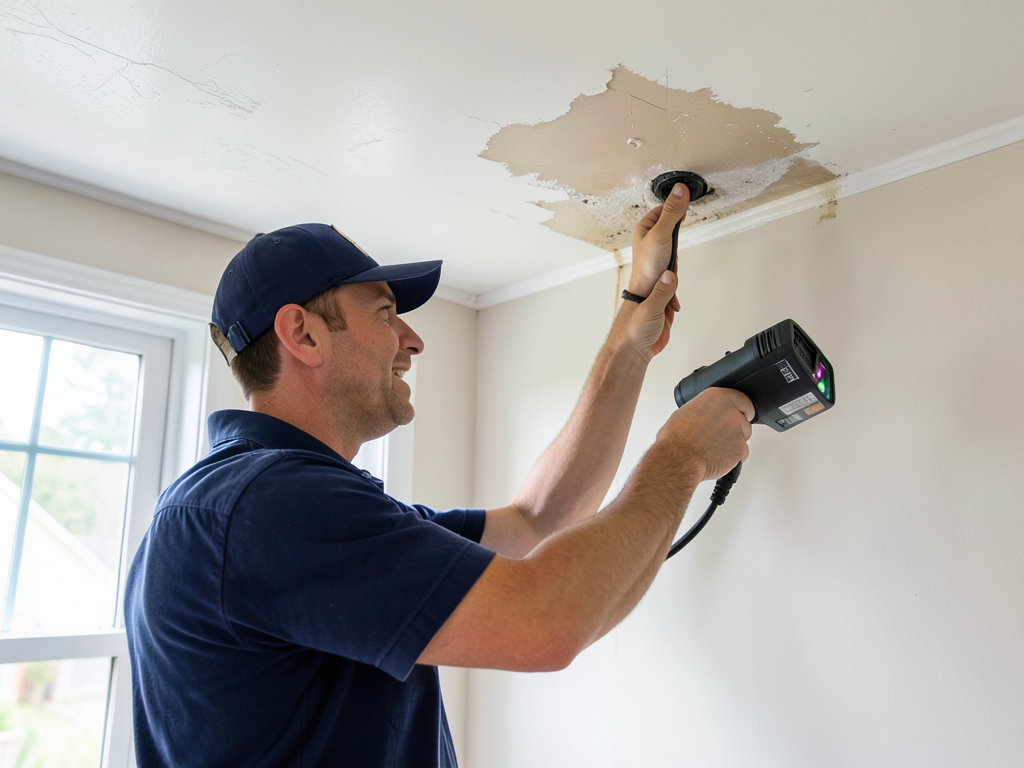
The process starts with moisture mapping. Technicians use infrared cameras to identify wet areas that are not visible to the eye. Water travels through wall cavities, under flooring, and along structural members. Surface-level assessment misses the majority of the problem.

Next comes water extraction. Industrial-grade extractors remove standing water and reduce drying time by 50-70%. Wet vacuums and shop vacs do not create sufficient suction to pull water from carpet padding or hardwood subfloors.

Air movement and dehumidification work together to eliminate remaining moisture. High-velocity air movers create evaporation at the surface level. Commercial dehumidifiers pull moisture from the air and prevent it from reabsorbing into materials. The equipment placement matters. Random positioning of fans accomplishes little.

Material removal decisions separate experienced contractors from those guessing. Drywall wicks water vertically through capillary action. Standard practice calls for flood cuts 12-18 inches above the water line. Insulation holds moisture and requires removal in most cases. Hardwood flooring may dry successfully if addressed within 48 hours, but laminate flooring delaminates and needs replacement.

Documentation protects you during insurance claims. Reputable companies photograph damage, log moisture readings daily, and provide detailed reports showing the structure returned to dry standards. This paperwork matters when adjusters question the scope of work.

Ace Water Damage Restoration Cincinnati follows these protocols because shortcuts create liability and callbacks. We use calibrated equipment and train technicians to recognize when materials can dry versus when they need removal.

Three Critical Questions to Ask Before Hiring

Choosing a Restoration Company in Cincinnati – Get the Right Contractor Who Prevents Repeat Damage
01

Equipment and Technology

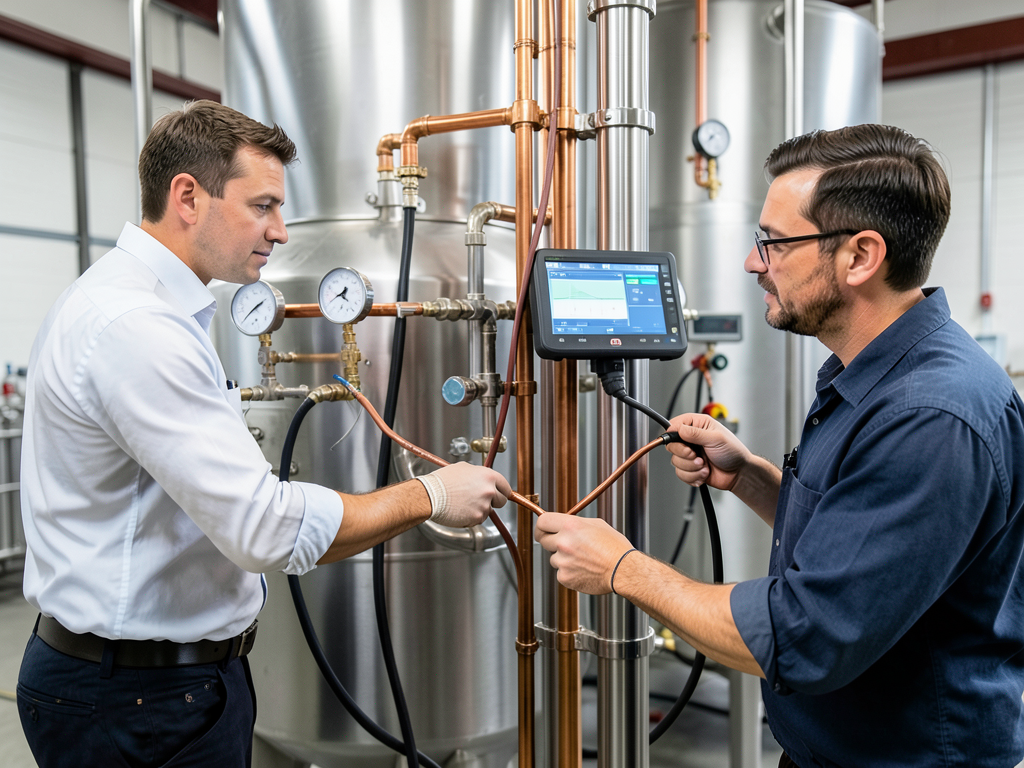
Ask what detection equipment they use to find hidden moisture. Proper companies use thermal imaging cameras and penetrating moisture meters, not just visual inspection. Ask about their air mover capacity and dehumidifier specifications. If they cannot explain CFM ratings or grains per pound, they lack technical knowledge. Equipment quality directly determines drying effectiveness and timeline.
02

Insurance Coordination Process

Find out how they handle insurance documentation and billing. Experienced restoration contractors work directly with adjusters, provide detailed estimates using Xactimate software, and document every phase with photos and moisture logs. They understand policy language, supplemental claims, and depreciation calculations. Companies that avoid insurance work or demand immediate payment often lack proper business systems or create claim complications.
03

Drying Verification Methods

Ask how they verify complete drying before removing equipment. Professional companies take daily moisture readings and compare them against dry standards for each material type. They provide a certificate of completion showing all affected areas returned to acceptable levels. Contractors who eyeball dryness or rush equipment removal leave behind problems that surface weeks later as mold growth or structural damage.

Why Cincinnati Properties Need Local Restoration Expertise

Cincinnati's building characteristics and climate patterns require contractors who understand regional challenges. Generic restoration approaches fail here because they ignore local conditions that affect drying and remediation.

The Ohio River's proximity creates consistently high humidity levels, particularly during summer months. Outdoor humidity above 70% slows evaporation rates and extends drying timelines. Contractors unfamiliar with Cincinnati often underestimate equipment needs and drying duration, leading to incomplete moisture removal.

Basement flooding represents a specific concern in Cincinnati neighborhoods built on hillsides. Areas like Mount Lookout and Columbia-Tusculum experience groundwater intrusion during heavy rains. The water table rises, and hydrostatic pressure forces moisture through foundation walls and floor slabs. Surface water extraction solves nothing if groundwater continues entering the space. Proper remediation requires addressing the source and installing vapor barriers or drainage systems.

Historic properties throughout Cincinnati feature construction methods not seen in newer buildings. Homes built before 1950 often have horsehair plaster, balloon framing, and no vapor barriers. Water damage in these structures requires careful material assessment and specialized drying techniques. Aggressive demolition damages irreplaceable architectural elements. Conservative approaches that account for material age and construction methods preserve value while ensuring complete drying.

Local building codes and permit requirements affect restoration work scope. Hamilton County requires permits for electrical work, structural repairs, and certain plumbing modifications. Contractors operating outside Cincinnati sometimes ignore these requirements, creating code violations and complications during property sales.

Ace Water Damage Restoration Cincinnati maintains relationships with local adjusters, understands Hamilton County permit processes, and stocks equipment sized for Cincinnati's humidity levels. We know which neighborhoods experience recurring drainage issues and which building types require modified drying protocols.

What Professional Water Damage Restoration Includes

Response Time and Availability

Water damage worsens by the hour. Delays of 24-48 hours allow mold spores to germinate and structural materials to degrade. Professional restoration companies maintain 24/7 dispatch and arrive onsite within 60-90 minutes for emergency calls. This response window matters because immediate water extraction and air movement significantly reduce overall damage and repair costs. Companies that only work business hours or take several hours to respond create unnecessary damage progression. Emergency availability should include nights, weekends, and holidays without premium charges or delayed response.

Initial Assessment and Moisture Detection

The first site visit determines the entire project scope and approach. Qualified technicians use thermal imaging to map moisture patterns, identify hidden water intrusion, and classify damage severity using IICRC standards. They test moisture levels in walls, floors, and structural members using both non-invasive and penetrating meters. This assessment identifies affected areas beyond visible damage and prevents incomplete drying. The evaluation includes identifying the water source, determining contamination category, and developing a detailed drying plan with equipment specifications and estimated timeline.

Complete Drying and Verification

Professional restoration continues until all affected materials return to dry standards, not when they look dry. Technicians monitor moisture levels daily, adjust equipment placement based on readings, and extend timelines when necessary. The drying process typically requires 3-5 days for standard water damage and 7-10 days for significant flooding or hidden moisture. Final verification includes testing all previously wet materials and comparing readings against established dry standards for each material type. You receive documentation showing moisture levels throughout the process and confirming complete drying.

Post-Restoration Documentation and Support

Complete restoration includes detailed documentation for insurance claims and your records. This includes pre-mitigation photos, daily moisture logs, equipment placement diagrams, and final verification readings. Professional companies provide certificates of completion and remain available if questions arise during reconstruction. They coordinate with your insurance adjuster, provide detailed estimates, and handle claim documentation. This support continues after equipment removal because complications sometimes surface during the rebuild phase. You should receive contact information for follow-up questions and a clear understanding of what happens next in the reconstruction process.

Frequently Asked Questions

You Have Questions,
We Have Answers

How Cincinnati's Older Housing Stock Affects Choosing a Restoration Company

Cincinnati neighborhoods like Clifton, Northside, and Walnut Hills feature housing stock built between 1880 and 1940. These structures use plaster and lath walls, solid wood subfloors, and brick exterior walls without modern vapor barriers. Water damage in these buildings behaves differently than in newer construction. Moisture migrates through lath cavities and travels horizontally along wall plates. Standard drying equipment positioned for modern drywall construction fails to address these patterns. Selecting a water damage contractor who understands historic construction methods prevents incomplete drying and preserves architectural details. Hiring a water mitigation service experienced with older homes means recognizing when materials can dry versus when they require replacement.

Finding a reputable water damage company in Cincinnati requires verifying their experience with local building types and climate conditions. The Better Business Bureau and local references provide insight into contractor reliability and work quality. Vetting restoration contractors includes confirming they carry proper liability insurance and workers compensation coverage, not just asking about licensure. Cincinnati's water damage patterns differ from other regions due to river proximity, clay soil conditions, and aging infrastructure. Companies operating here temporarily or treating Cincinnati like any other market miss these nuances. Local expertise matters because restoration decisions made during the emergency phase affect your property for years.
Water Damage Restoration Services in The Cincinnati Area

We are proud to serve the entire Cincinnati area, providing expert water damage restoration services wherever and whenever they are needed. We understand the unique challenges our local community faces and are committed to being there for our neighbors. View our service area on the map to see how we can assist you, or simply give us a call for immediate dispatch to your location.

Address:
Ace Water Damage Restoration Cincinnati, 1507 Dana Ave, Cincinnati, OH, 45207

Additional Services We Offer

Our news updates

Latest Articles & News from The Blogs

Finding the Source of a Slab Leak in Your Mack Home Slab leaks in Mack OH homes are more than…

Finding the Source of a Slab Leak in Your Mack Home

Finding the Source of a Slab Leak in Your Mack Home Slab leaks in Mack OH homes are more than…

What to Do When Your Water Heater Bursts in Madisonville

Emergency Water Heater Burst Cleanup in Madisonville, Cincinnati \n\n A water heater burst in Madisonville creates immediate flooding that can…

Salvaging Important Paper Documents and Photos After an Amberley Village Flood

Salvaging Important Paper Documents and Photos After an Amberley Village Flood When floodwaters rush through Amberley Village basements, the damage…

Contact Us

Water damage requires immediate professional assessment. Call Ace Water Damage Restoration Cincinnati at (513) 717-2522 for 24/7 emergency response. Our technicians arrive equipped with moisture detection technology and the experience to handle Cincinnati's unique restoration challenges. Stop the damage now.