




Menu

Hardwood Floor Water Damage in Cincinnati – Expert Restoration That Saves Your Floors From Total Replacement

Ace Water Damage Restoration Cincinnati specializes in saving water damaged wood floors through advanced drying techniques and structural assessments that prevent costly tear-outs and preserve your home's original hardwood investment.

Slider Image 1
Slider Image 2
Slider Image 3
Slider Image 4
Slider Image 5
Slider Image 7
Slider Image 8
Slider Image 9
Slider Image 10
Slider Image 11

Why Cincinnati Hardwood Floors Are Particularly Vulnerable to Water Damage

Cincinnati's position along the Ohio River creates a humidity problem that most homeowners underestimate. The region experiences average relative humidity above 70% for six months of the year. When you combine that baseline moisture with sudden water intrusion from burst pipes, roof leaks, or appliance failures, your hardwood floors face a double threat.

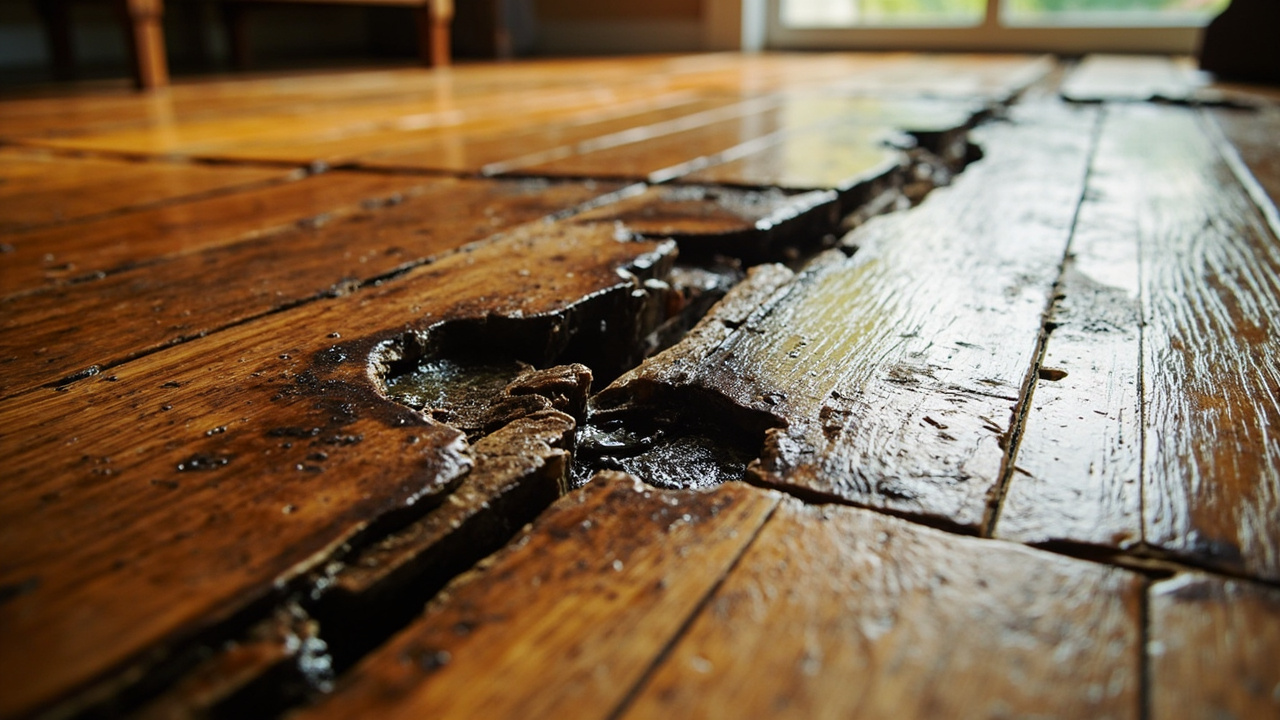
Water damaged wood floors don't just get wet. They absorb moisture at different rates depending on the species, finish, and installation method. Oak and maple floors common in Cincinnati's historic neighborhoods like Hyde Park and Mount Adams are particularly prone to hardwood floor cupping when moisture enters from below. The boards swell at the edges, creating that telltale concave shape across the floor surface.

Wet hardwood flooring also creates an ideal environment for mold colonization within 24 to 48 hours. Cincinnati's older homes, many built on limestone foundations that naturally wick moisture, accelerate this timeline. The crawl spaces and basements in areas like Clifton and Northside often have poor vapor barriers, meaning your floors may already be stressed before any acute water event occurs.

The freeze-thaw cycles we experience from November through March add another variable. Water trapped in wood fibers expands when temperatures drop, causing microfractures in the cell structure. When spring arrives and humidity spikes again, those compromised boards absorb even more moisture. Wood floor water damage repair becomes more complex the longer you wait because the structural integrity degrades with each wet-dry cycle.

Many homeowners try to dry hardwood floors with fans or dehumidifiers from the hardware store. This surface-level approach rarely penetrates deep enough to extract moisture from the subfloor and joists underneath, where the real damage accumulates.

Why Cincinnati Hardwood Floors Are Particularly Vulnerable to Water Damage
How Professional Hardwood Floor Water Damage Restoration Actually Works

How Professional Hardwood Floor Water Damage Restoration Actually Works

Drying hardwood floors requires understanding moisture gradients, not just surface wetness. We use penetrating moisture meters that measure moisture content at different depths within the wood. A reading of 6% to 9% is normal for hardwood in Cincinnati's climate. Anything above 12% indicates active water intrusion that needs immediate intervention.

The restoration process starts with source containment. If you still have active water entering the space, no amount of drying equipment will solve the problem. We identify whether the water is coming from above (roof leak, plumbing), below (foundation seepage, groundwater), or laterally (exterior grading issues). Cincinnati's clay-heavy soil is notorious for poor drainage, which often contributes to basement moisture that migrates upward into first-floor hardwood.

Once the source is controlled, we deploy trailer-mounted desiccant dehumidifiers that can pull 20 to 30 gallons of water per day from the air and materials. These industrial units work differently than the small refrigerant dehumidifiers you buy at retail stores. Desiccant technology uses silica gel to absorb moisture even in cold temperatures, which matters in unheated basements or during winter incidents.

Air movers create laminar airflow across the floor surface to accelerate evaporation, but placement matters enormously. We position them at specific angles based on the floor layout, furniture obstacles, and airflow patterns in the room. Random fan placement can actually drive moisture deeper into the subfloor or cause uneven drying that leads to more cupping.

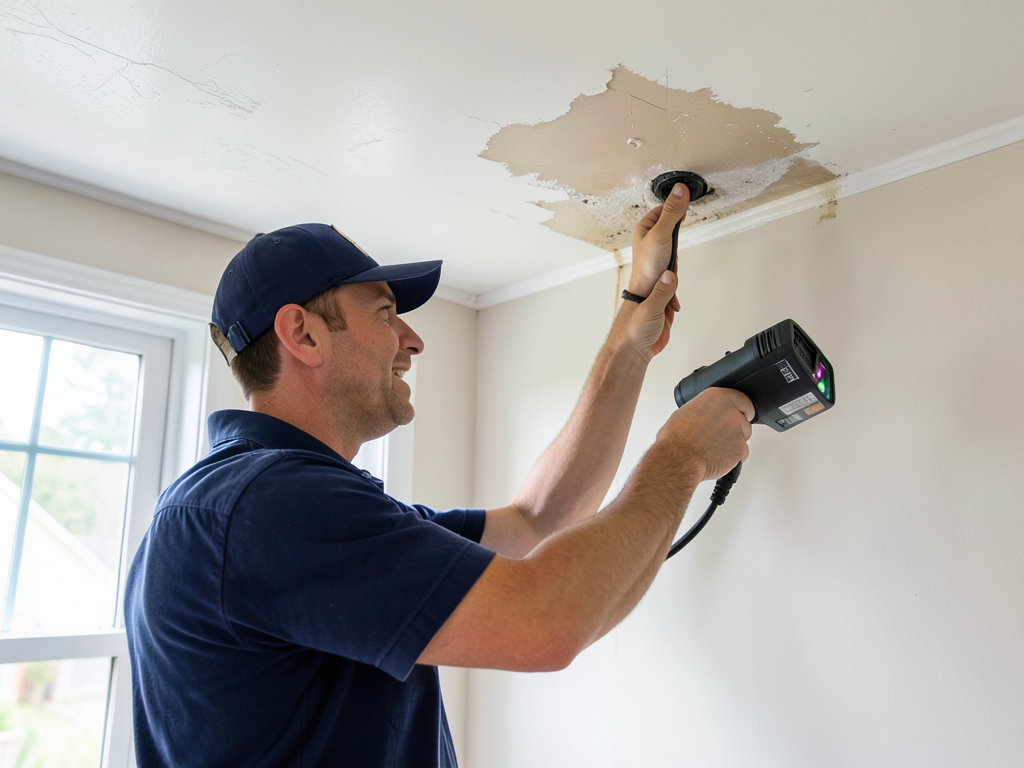
For severe saturation, we sometimes need to remove baseboards and drill small relief holes along the wall line to introduce airflow into the cavity between the subfloor and finished floor. This technique prevents the finished floor from trapping moisture underneath, which would otherwise require complete removal. Ace Water Damage Restoration Cincinnati uses thermal imaging cameras to map temperature differentials that indicate trapped moisture pockets invisible to the naked eye.

What Happens During Your Hardwood Floor Water Damage Call

Hardwood Floor Water Damage in Cincinnati – Expert Restoration That Saves Your Floors From Total Replacement
01

Emergency Assessment and Containment

We arrive with moisture detection equipment and begin mapping the affected area within the first hour. Our technicians identify the water source, document the extent of saturation using both penetrating probes and non-invasive meters, and categorize the water type. Clean water from supply lines requires different protocols than contaminated water from sewage backups or river flooding. We extract standing water immediately using truck-mounted pumps, then photograph the damage for insurance documentation before any materials are moved or removed.
02

Controlled Drying and Monitoring

Industrial dehumidifiers and air movers run continuously for three to seven days depending on saturation depth. We take moisture readings twice daily and adjust equipment placement as the floors release water. The goal is gradual, even drying to prevent stress cracks and warping. We monitor the subfloor independently because plywood or OSB sheathing holds moisture longer than finished hardwood. If moisture content drops too quickly on the surface while the subfloor remains saturated, the boards will crown instead of cup.
03

Final Evaluation and Refinishing

Once moisture readings stabilize at normal levels, we assess whether the floors can be saved or require replacement. Minor cupping often resolves on its own as the wood re-acclimates. Floors that remain cupped after complete drying can sometimes be sanded flat, though this removes finish and a thin layer of wood. We provide detailed recommendations on refinishing options, including whether your existing finish can be spot-repaired or requires complete abrasion and recoating.

Why Cincinnati Homeowners Choose Local Expertise for Hardwood Floor Restoration

National franchise restoration companies follow corporate protocols that don't account for Cincinnati's specific construction patterns. Homes built in the 1920s through 1940s in neighborhoods like Walnut Hills and East Walnut Hills typically have tongue-and-groove oak floors nailed directly to floor joists without any subfloor layer. This construction method requires different drying strategies than modern plywood subfloor installations.

Ace Water Damage Restoration Cincinnati has worked in hundreds of local homes and understands these regional building variations. We know which streets in Mount Lookout have chronic foundation settlement issues that create recurring moisture problems. We recognize when a floor was installed during Cincinnati's post-war housing boom versus a modern renovation, which affects how aggressively we can dry the wood without causing splitting.

Local knowledge also matters when dealing with insurance adjusters. We document damage using the specific terminology and categories that major carriers operating in the Cincinnati market expect to see. This reduces claim delays and disagreements about covered damage versus pre-existing conditions. We've built relationships with local adjusters who trust our assessments, which speeds up the approval process for expensive drying equipment and potential floor replacement.

The Ohio River flooding events in 1997 and 2011 taught us how contaminated water affects hardwood differently than clean water. Floors exposed to river water or sewage require antimicrobial treatment and often cannot be saved because the contamination penetrates too deeply into the wood grain. We test for bacterial and fungal colonization using ATP meters rather than making assumptions based on visual inspection alone.

Cincinnati's historic preservation guidelines in districts like Over-the-Rhine add another layer of complexity. Some floors qualify as character-defining features that require special restoration techniques to maintain historic integrity. We consult with the Cincinnati Preservation Association when necessary to ensure repairs meet both functional and historical standards.

What You Should Know Before Starting Hardwood Floor Water Damage Repair

Response Time Makes the Difference

The first 48 hours determine whether your floors can be saved. Water continues penetrating deeper into the wood structure with every passing hour, and mold spores begin germinating once relative humidity exceeds 60% in the affected space. We dispatch crews within two hours of your call, day or night, because emergency response directly correlates with successful outcomes. Weekend and holiday flooding events receive the same priority as weekday calls. Our equipment inventory allows us to handle multiple large-scale incidents simultaneously without delaying your project.

How We Determine Salvageability

Not every wet floor requires replacement, but accurate assessment prevents wasting time on unsalvageable materials. We measure moisture content in the finished floor, subfloor, and floor joists separately. If the subfloor remains below 18% moisture content and the finished floor shows no delamination or black staining, restoration is usually viable. Floors with widespread cupping that exceeds one-eighth inch of height variation across board widths may require sanding after drying. We provide written documentation of our findings with moisture readings logged by location so you understand exactly which areas need intervention.

The Final Result You Can Expect

Successfully dried hardwood floors return to their original appearance in most cases, though minor color variation may persist where water pooled longest. The wood grain may raise slightly after saturation, creating a rough texture that requires light sanding before refinishing. We coordinate with flooring contractors who specialize in matching existing finishes if spot repairs are needed. Your floors will test at normal moisture levels, meaning they won't continue degrading or developing mold growth after our equipment is removed. We provide final moisture readings and thermal images showing uniform drying across the entire affected area.

Ongoing Monitoring After Restoration

We schedule a follow-up inspection two weeks after equipment removal to verify the floors remain stable. Cincinnati's humidity fluctuations mean wood continues adjusting to ambient conditions even after professional drying. Minor seasonal gaps between boards are normal and don't indicate incomplete drying. We provide homeowners with guidance on maintaining optimal indoor humidity between 35% and 55% to prevent future moisture problems. If cupping reappears during our monitoring period, we return to reassess at no additional charge because it suggests an underlying moisture source that wasn't fully addressed during initial mitigation.

Frequently Asked Questions

You Have Questions,
We Have Answers

Can hardwood floors be repaired after water damage? +

Yes, hardwood floors can often be repaired after water damage, but timing matters. If you act within 24 to 48 hours, you can prevent cupping, warping, and mold growth. The repair process depends on the extent of damage. Minor surface moisture may only need drying and refinishing. Severe damage requires plank replacement. Cincinnati's humid summers complicate drying, so professional extraction equipment is critical. Do not wait to see if floors dry on their own. Standing water penetrates wood quickly, and Ohio's moisture levels slow natural evaporation. A certified restoration technician can assess whether your floors need drying, sanding, or full replacement.

What to do if water gets under hardwood floors? +

Shut off the water source immediately. Remove all furniture and rugs from the affected area. If water is pooled on the surface, extract it using a wet vacuum or towels. Do not use a mop, it pushes water deeper into seams. Contact a water damage restoration company within hours. Professionals use moisture meters to detect hidden water under planks and subflooring. In Cincinnati, basement flooding and pipe bursts are common, and water often migrates beneath hardwood unnoticed. Technicians will pull baseboards, drill inspection holes if needed, and place air movers and dehumidifiers beneath the flooring system to prevent buckling and microbial growth.

What happens to hardwood floors when they get wet? +

Hardwood floors absorb moisture rapidly. Within hours, planks begin to swell, causing cupping where edges lift higher than the center. Prolonged exposure leads to warping, where boards twist or crown. The finish may bubble or discolor. If water sits for more than 48 hours, mold can colonize the wood and subfloor. Cincinnati's clay soil and high water tables increase hydrostatic pressure in basements, making subflooring especially vulnerable. Even after visible water disappears, trapped moisture inside the wood continues causing damage. Without professional drying, floors may appear fine initially, then buckle weeks later as the wood expands and contracts with humidity changes.

How to flatten a wood floor after water damage? +

You cannot flatten water-damaged hardwood floors yourself. First, the wood must be completely dried using commercial dehumidifiers and air movers, which takes days to weeks depending on saturation levels. Once moisture content drops below 12 percent, a restoration professional assesses the damage. Minor cupping may self-correct as wood dries. Severe warping requires sanding the entire floor down to bare wood, then refinishing. In extreme cases, individual planks must be replaced. Cincinnati's humidity slows drying, so do not attempt DIY fixes. Sanding wet or damp wood clogs equipment, damages the floor further, and traps moisture inside, guaranteeing mold and permanent distortion.

How much does it cost to repair a water damaged hardwood floor? +

Repair costs vary widely based on damage severity, wood type, and square footage. Minor drying and refinishing typically runs a few hundred dollars per room. Replacing damaged planks costs more, especially for rare or discontinued hardwoods. Subfloor replacement adds expense. Mold remediation increases the bill significantly. Most homeowners insurance policies cover sudden water damage, like burst pipes, but exclude gradual leaks or flooding without specific riders. Cincinnati properties with older plumbing or basement moisture issues face higher risks. Get a professional assessment before filing a claim. Restoration companies provide documentation for insurers, and many work directly with adjusters to streamline the process and maximize coverage.

Can mold grow under hardwood floors? +

Yes, mold grows under hardwood floors when moisture is present for 24 to 48 hours. The subfloor, joists, and underlayment provide organic material for spores to colonize. Cincinnati's humid climate accelerates mold growth, especially in poorly ventilated basements and crawlspaces. You may not see mold on the surface, but it thrives in dark, damp spaces beneath planks. Musty odors, discoloration on subfloor edges, or visible spores around baseboards indicate a problem. Mold compromises indoor air quality and structural integrity. Professional remediation requires removing affected materials, treating surfaces with antimicrobial agents, and addressing the moisture source to prevent recurrence.

Will a one-time water leak cause mold? +

A single water leak can cause mold if the area stays wet for 24 to 48 hours. Mold spores exist everywhere, and they only need moisture, oxygen, and organic material to grow. Hardwood floors and subflooring provide ideal conditions. Even a small leak under a sink or from a supply line can saturate enough material to trigger mold growth. Cincinnati's high humidity, especially during summer months, prevents quick evaporation and extends moisture exposure. If you experience a leak, dry the area thoroughly within hours using fans and dehumidifiers. Check hidden spaces like under flooring and inside walls. When in doubt, call a professional to test moisture levels.

How long does it take for water to dry under hardwood floors? +

Drying time depends on saturation level, wood species, subfloor material, and environmental conditions. Surface moisture may dry in 24 to 48 hours with proper airflow. Water trapped under hardwood floors takes significantly longer, often five to seven days or more. Dense hardwoods like oak absorb and release moisture slowly. Cincinnati's humidity slows evaporation, extending drying time. Professional restoration uses industrial dehumidifiers, air movers, and moisture meters to track progress. Do not assume floors are dry because the surface feels dry. Residual moisture deep in wood and subfloor leads to mold, rot, and delayed warping. Only a moisture meter confirms safe levels below 12 percent.

Is there a way to reverse water damage on wood? +

You cannot fully reverse water damage on wood, but you can repair and restore it. Once wood fibers swell and distort, the cellular structure changes permanently. However, professional drying, sanding, and refinishing can make floors look new again if you act quickly. Minor cupping may flatten as wood dries. Severe warping, rot, or mold contamination requires plank replacement. The key is speed. Water damage worsens exponentially after 48 hours. Cincinnati's high water table and seasonal flooding increase risks, so immediate action is critical. Restoration professionals can salvage most floors if contacted within the first day. Delayed response often means full replacement instead of repair.

What pulls moisture out of wood floors? +

Professional-grade dehumidifiers and air movers pull moisture from wood floors. Dehumidifiers lower ambient humidity, forcing moisture out of wood through evaporation. Air movers increase airflow across surfaces and under flooring, accelerating drying. Desiccant dehumidifiers work best in colder temperatures, common in Cincinnati basements during winter. Moisture meters track progress, ensuring wood reaches safe levels below 12 percent. Do not rely on household fans or opening windows. Cincinnati's outdoor humidity often exceeds indoor levels, slowing drying or adding moisture. Professionals also use injectidry systems, which deliver heated air directly beneath hardwood floors through small holes, drying subflooring and joists without removing planks.

How the Ohio River Valley Climate Accelerates Hardwood Floor Deterioration

Cincinnati sits in a geographic bowl where the Ohio River creates a microclimate with higher humidity and more extreme temperature swings than surrounding regions. This valley effect means moisture doesn't dissipate quickly after rain events. Your hardwood floors are constantly expanding and contracting with seasonal humidity changes, which creates stress in the wood fibers. When acute water damage occurs on top of this chronic moisture cycling, the floors have less resilience. The combination of saturated soil underneath homes and humid air above creates a moisture sandwich that attacks floors from both directions simultaneously.

Local building inspectors in Hamilton County increasingly require moisture barriers under hardwood installations in new construction, but most existing homes lack this protection. Ace Water Damage Restoration Cincinnati works within the guidelines established by the International Institute of Inspection, Cleaning and Restoration Certification, which provides the technical standards insurance companies reference when evaluating claims. Our technicians hold certifications in water damage restoration and applied structural drying, meaning we follow evidence-based protocols rather than guesswork. This matters when your insurance adjuster questions whether the drying approach was appropriate or if the floor damage could have been prevented.
Water Damage Restoration Services in The Cincinnati Area

We are proud to serve the entire Cincinnati area, providing expert water damage restoration services wherever and whenever they are needed. We understand the unique challenges our local community faces and are committed to being there for our neighbors. View our service area on the map to see how we can assist you, or simply give us a call for immediate dispatch to your location.

Address:
Ace Water Damage Restoration Cincinnati, 1507 Dana Ave, Cincinnati, OH, 45207

Additional Services We Offer

Our news updates

Latest Articles & News from The Blogs

Finding the Source of a Slab Leak in Your Mack Home Slab leaks in Mack OH homes are more than…

Finding the Source of a Slab Leak in Your Mack Home

Finding the Source of a Slab Leak in Your Mack Home Slab leaks in Mack OH homes are more than…

What to Do When Your Water Heater Bursts in Madisonville

Emergency Water Heater Burst Cleanup in Madisonville, Cincinnati \n\n A water heater burst in Madisonville creates immediate flooding that can…

Salvaging Important Paper Documents and Photos After an Amberley Village Flood

Salvaging Important Paper Documents and Photos After an Amberley Village Flood When floodwaters rush through Amberley Village basements, the damage…

Contact Us

Every hour of delay allows more water to penetrate deeper into your floors. Call (513) 717-2522 now for emergency response. We'll evaluate your hardwood floor water damage, provide moisture readings, and give you a clear restoration plan within hours.