



Menu

Commercial Water Damage Restoration in Cincinnati – Minimize Downtime and Protect Your Business Operations

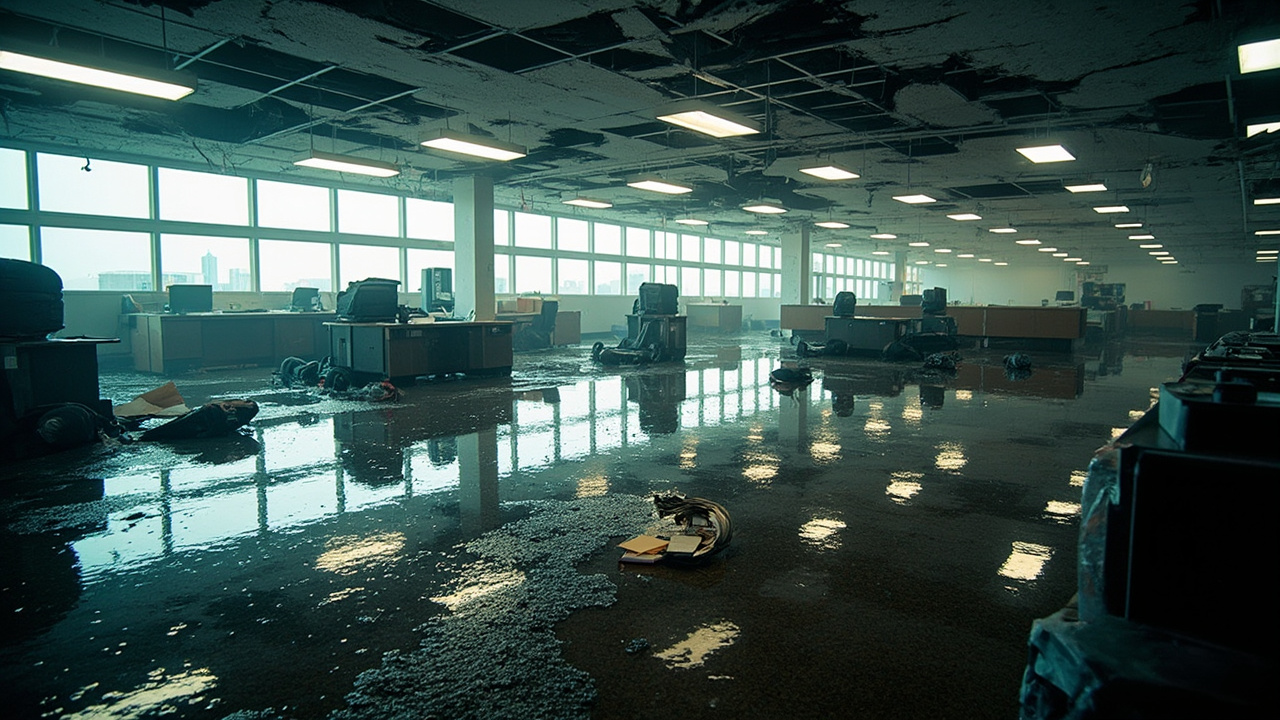
When water damage threatens your Cincinnati facility, you need commercial-grade extraction and drying that meets code requirements while keeping your operations running. We deploy industrial equipment and coordinate with your schedule to restore your business environment.

Slider Image 1
Slider Image 2
Slider Image 3
Slider Image 4
Slider Image 5
Slider Image 7
Slider Image 8
Slider Image 9
Slider Image 10
Slider Image 11

How Water Intrusion Threatens Cincinnati Commercial Properties

Cincinnati's proximity to the Ohio River and seasonal flooding patterns create persistent moisture threats for commercial properties. The region's high humidity levels, combined with older building infrastructure in the Central Business District and Over-the-Rhine, accelerate water penetration into structural components. Many commercial buildings in Cincinnati were constructed before modern waterproofing standards existed, leaving them vulnerable to sudden pipe failures, roof membrane breaches, and HVAC condensation leaks.

A water event in your facility triggers a cascade of liabilities. Slip hazards create immediate premises liability exposure. Moisture behind walls feeds mold growth within 48 hours, putting you at risk of violating OSHA indoor air quality standards. Inventory damage compounds daily while extraction delays. For manufacturing or warehouse operations near the Mill Creek corridor, even minor flooding can halt production lines and contaminate product.

The Ohio Building Code requires commercial properties to maintain structural integrity and safe working conditions. Water intrusion compromises both. Insurance carriers scrutinize commercial water damage claims closely, demanding documented mitigation efforts to limit payouts. Delayed response translates to claim denials and higher premiums. Every hour water remains in your facility increases restoration costs and extends business interruption periods. Commercial water damage restoration requires industrial capacity, not residential equipment. You need commercial water mitigation that addresses liability, preserves assets, and meets regulatory requirements while your business continues operating.

How Water Intrusion Threatens Cincinnati Commercial Properties
How We Execute Commercial Water Damage Repair

How We Execute Commercial Water Damage Repair

Our commercial water damage cleanup protocol starts with containment and extraction. We deploy truck-mounted extractors capable of removing thousands of gallons per hour from large floor areas. For multi-story buildings, we stage equipment to prevent elevator and stairwell saturation. We establish negative air pressure in affected zones to prevent airborne moisture migration into unaffected areas.

Moisture mapping uses thermal imaging and hygrometers to identify saturation in structural cavities, under raised flooring systems, and within insulation. We document moisture levels in real time to establish drying baselines and track progress for insurance adjusters. Commercial-grade air movers and dehumidifiers create the airflow velocity and grain depression needed to dry concrete slab foundations, which Cincinnati's clay soil conditions make prone to groundwater wicking.

For facilities with sensitive equipment or inventory, we coordinate drying schedules around your operational windows. We extract water during off-hours, position drying equipment to avoid obstructing workflow, and rotate equipment placement to minimize disruption. Our commercial water remediation process includes antimicrobial treatment of porous materials and HEPA filtration to capture airborne particulate generated during demo work.

We interface directly with your insurance adjuster and provide detailed loss documentation. This includes photo evidence, moisture readings, equipment logs, and material disposal manifests. For commercial water damage repair involving structural components, we coordinate with engineers to assess load-bearing integrity before reconstruction begins. We understand business continuity depends on speed and transparency. You receive daily progress reports and direct access to the project supervisor managing your restoration.

Our Commercial Water Damage Restoration Workflow

Commercial Water Damage Restoration in Cincinnati – Minimize Downtime and Protect Your Business Operations
01

Emergency Assessment and Containment

We dispatch a commercial response team within two hours of your call. Our crew assesses the water source, shuts off supply lines if applicable, and establishes containment barriers to isolate affected zones. We document the loss scene with photos and moisture readings before moving equipment. You receive an initial scope of work outlining extraction requirements, estimated drying time, and equipment deployment. This assessment includes identifying immediate safety hazards and determining whether temporary power or climate control is needed to protect inventory or maintain environmental conditions for sensitive operations.
02

Water Extraction and Structural Drying

We position industrial extractors to remove standing water from floor surfaces and subsurface areas. Truck-mounted units handle large volumes quickly to minimize saturation time. Once extraction is complete, we deploy commercial air movers and refrigerant dehumidifiers in a calculated array to maximize airflow across wet materials. We monitor humidity levels and adjust equipment placement every 24 hours to maintain optimal drying conditions. Moisture meters track progress in walls, ceilings, and subfloors. We maintain drying logs that document environmental conditions and equipment runtime for your insurance claim and compliance records.
03

Reconstruction and Final Verification

After all materials reach acceptable moisture levels, we remove equipment and begin rebuilding damaged components. This includes replacing drywall, insulation, flooring, and ceiling tiles removed during the drying process. We coordinate with licensed electricians and plumbers if systems were compromised. Before final sign-off, we conduct a post-restoration moisture survey to verify no hidden moisture remains. You receive a completion report documenting all work performed, materials replaced, and final moisture readings. This documentation satisfies insurance requirements and provides a baseline for future property assessments. We ensure your facility meets code and is ready for full operations.

Why Cincinnati Businesses Choose Ace Water Damage Restoration Cincinnati

Cincinnati's commercial landscape demands restoration providers who understand local building characteristics and regulatory requirements. Properties in the Central Business District and Queensgate industrial corridor often feature older construction with limited waterproofing, requiring specialized drying techniques for masonry and plaster assemblies. We know how to navigate Hamilton County building permit requirements for commercial reconstruction and can coordinate inspections to keep your project on schedule.

Our equipment inventory is scaled for commercial projects. We maintain multiple truck-mounted extractors, dozens of commercial dehumidifiers, and hundreds of air movers to handle facilities from 5,000 to 100,000 square feet. We can mobilize teams of eight to twelve technicians when project scope demands rapid deployment. For businesses operating in regulated industries, we document every phase of the commercial water damage cleanup process to satisfy compliance audits and insurance scrutiny.

We understand business interruption costs outpace direct damage costs in most commercial losses. Our project managers coordinate directly with your facility managers to sequence restoration work around your operational needs. If you need space dried and ready for weekend operations, we work through nights to meet that deadline. For retail locations, we establish dust barriers and separate entry points to allow customer access to unaffected areas while restoration continues.

Ace Water Damage Restoration Cincinnati works with your insurance carrier from initial notification through final settlement. We provide detailed estimates, attend adjuster meetings, and submit documentation that supports your claim. We know what commercial carriers expect to see and how to present losses to expedite approval. Your business cannot afford delays caused by incomplete documentation or miscommunication between contractors and adjusters. We eliminate that friction.

What Your Commercial Water Damage Restoration Includes

Rapid Commercial Response Times

We dispatch commercial response teams within two hours of your call, 24 hours per day. Our crews arrive with truck-mounted extraction equipment and begin water removal immediately. For large losses requiring multiple crews, we can mobilize additional technicians from our network within four hours. We understand every hour of delay increases your business interruption costs and complicates insurance claims. Our dispatch system prioritizes commercial emergencies because we know operational downtime threatens your revenue and employee safety. You receive direct contact information for the crew supervisor managing your project, eliminating the need to navigate phone trees during a crisis.

Comprehensive Loss Documentation

We document your water damage loss from initial assessment through final restoration. This includes time-stamped photos of all affected areas, detailed moisture mapping with readings at multiple points, and equipment logs showing dehumidifier runtime and air mover placement. We track daily progress with updated moisture readings to demonstrate drying efficacy. Your insurance adjuster receives detailed estimates broken down by material, labor, and equipment costs. This documentation protects you from claim disputes and provides the evidence carriers need to process commercial losses quickly. We understand that incomplete documentation causes settlement delays and underpayment, so we build comprehensive records from day one.

Code-Compliant Reconstruction

Our reconstruction work meets current Ohio Building Code requirements and Hamilton County permit standards. We handle permit applications and coordinate required inspections to keep your project on schedule. All subcontractors we engage hold active licenses and liability coverage. For commercial properties requiring accessibility compliance, we ensure rebuilt areas meet ADA standards. You receive certificates of occupancy and final inspection approvals before we consider the project complete. This eliminates the risk of code violations that could trigger fines or complicate future property transactions. Your facility is restored to a condition that meets or exceeds its pre-loss state, not just dried out and patched.

Post-Restoration Monitoring

After reconstruction is complete, we conduct a final moisture survey to verify no hidden moisture remains in structural cavities or building materials. You receive a post-restoration report documenting final moisture readings throughout the affected area. This establishes a moisture baseline for future reference and protects you from latent mold claims. For properties with recurring moisture issues related to Cincinnati's humidity or groundwater intrusion, we provide recommendations for preventive measures such as improved drainage or enhanced dehumidification systems. We remain available to address questions or concerns that arise after project completion. Your business is not just restored but positioned to prevent future losses.

Frequently Asked Questions

You Have Questions,
We Have Answers

How much does a water restoration company charge? +

Commercial water restoration costs vary based on damage extent, water category, and affected square footage. Smaller incidents like pipe leaks may cost less, while large-scale flooding across multiple floors increases expense. Structural drying, equipment rental, labor, and material disposal all factor into pricing. Gray or black water contamination requires additional safety protocols and decontamination, raising costs. Cincinnati properties with older infrastructure or basement flooding often face higher extraction and structural repair needs. Most restoration companies bill by scope of work after initial inspection. Your insurance adjuster and restoration partner should provide transparent estimates before work begins to avoid surprises.

Does commercial insurance cover water damage? +

Most commercial property policies cover sudden and accidental water damage, such as burst pipes, roof leaks, or equipment malfunctions. However, coverage depends on your policy terms and the water source. Damage from neglected maintenance, gradual leaks, or flood events typically requires separate flood insurance. Cincinnati businesses in flood zones near the Ohio River need specific flood policies. Review your policy exclusions carefully. Sewer backups may require an endorsement. Your insurance adjuster evaluates whether the cause is covered. Document damage immediately and notify your carrier within policy deadlines to avoid claim denial.

Is water damage restoration profitable? +

Water damage restoration profitability depends on business efficiency, regional demand, and operational overhead. Cincinnati experiences seasonal flooding, freeze-thaw pipe bursts, and high humidity, creating consistent demand for emergency services. Companies with efficient equipment utilization, strong insurance partnerships, and skilled labor maintain healthy margins. However, equipment costs, labor expenses, and insurance claim delays impact cash flow. Businesses that manage dispatch efficiency and minimize callbacks see better returns. For property owners asking this question, the relevant concern is not profitability but whether restoration prevents larger losses. Timely restoration protects your asset value and business continuity.

How much can water damage cost to repair? +

Water damage repair costs depend on severity, affected materials, and contamination level. Minor ceiling leaks may cost a few thousand dollars for drying and repainting. Major flooding affecting multiple floors, HVAC systems, and inventory can reach tens of thousands or more. Structural damage, mold remediation, and equipment replacement escalate costs quickly. Cincinnati properties with finished basements or older plumbing face higher restoration expenses. Black water contamination from sewage requires complete material removal and decontamination. Most commercial claims involve coordination between restoration contractors, adjusters, and building inspectors to determine accurate repair scope and prevent business interruption.

Is water damage restoration worth it? +

Professional water damage restoration is worth the investment for commercial properties. Unaddressed water damage leads to mold growth within 48 hours, structural deterioration, and code violations. In Cincinnati, high humidity accelerates microbial growth and wood rot, compounding long-term costs. Restoration companies use industrial dehumidifiers, moisture meters, and antimicrobial treatments to prevent secondary damage. Attempting DIY approaches often misses hidden moisture in walls or subfloors, leading to expensive callbacks. Proper restoration protects your building value, maintains tenant safety, and satisfies insurance requirements. Delaying professional intervention increases liability exposure and reduces claim approval likelihood.

Does insurance pay for water restoration? +

Insurance typically covers water restoration costs if the damage results from a covered peril. Sudden pipe bursts, appliance failures, or storm-related roof leaks generally qualify. Your commercial policy should outline covered events and exclusions. Cincinnati properties must distinguish between flood insurance and standard policies. Standard commercial coverage does not include rising water or sewer backups without specific endorsements. File your claim promptly and provide thorough documentation. Restoration companies often coordinate directly with adjusters to streamline payment. Review your deductible and coverage limits before selecting a contractor. Understanding your policy prevents unexpected out-of-pocket costs.

Why would insurance deny a water damage claim? +

Insurance denies water damage claims for several reasons. Pre-existing damage, maintenance neglect, or gradual leaks fall outside covered perils. Late claim filing or insufficient documentation also trigger denials. Flood damage without flood insurance is a common denial cause for Cincinnati properties near the Ohio River. Intentional acts, policy lapses, or exceeding coverage limits result in rejection. Insurers may dispute the cause, arguing the damage was preventable. Misrepresenting the timeline or damage extent violates policy terms. Work with your restoration contractor to document conditions accurately and file within deadlines to maximize approval odds.

What is not covered under commercial property insurance? +

Commercial property insurance typically excludes flood damage, earth movement, normal wear and tear, and intentional loss. Maintenance-related failures like corroded pipes or deteriorating roofs are excluded. Mold resulting from long-term neglect often falls outside coverage. Cincinnati businesses near rivers need separate flood policies. Sewer backups require specific endorsements. Business interruption from non-covered perils is not reimbursed. Terrorist acts or war-related damage may be excluded. Mechanical breakdown without sudden failure is not covered. Review your policy schedule and endorsements carefully. Many exclusions can be addressed through additional riders or specialized policies tailored to your risk profile.

What kind of water damage is not covered by insurance? +

Insurance does not cover water damage from floods, groundwater seepage, or sewer backups without specific endorsements. Gradual leaks, condensation, or maintenance neglect fall outside standard policies. Damage from exterior grading issues or poor drainage is excluded. Cincinnati properties with basement water intrusion from soil saturation need flood insurance or sump pump failure coverage. Mold from long-term moisture problems is often denied. Cosmetic damage without structural impact may not qualify. Frozen pipes in unheated spaces can be disputed. Understanding these exclusions helps you purchase appropriate coverage and maintain your property to avoid preventable claim denials.

How long does water damage restoration take? +

Water damage restoration timelines vary by damage severity and building size. Small commercial incidents may complete in three to five days. Large-scale flooding requiring structural drying, decontamination, and reconstruction can take several weeks. Drying alone typically requires 72 hours to seven days depending on materials and humidity. Cincinnati's humid climate can extend drying time. Mold remediation adds days. Reconstruction scheduling depends on contractor availability and permit approvals. Insurance claim processing can delay project start. Emergency mitigation begins within hours to prevent secondary damage. Your restoration contractor provides a detailed timeline after initial assessment and moisture mapping.

Why Cincinnati's River Valley Climate Demands Commercial-Grade Water Mitigation

Cincinnati sits at the confluence of the Ohio River and multiple tributaries, creating a microclimate with humidity levels that regularly exceed 70 percent during summer months. This persistent moisture accelerates water damage progression in commercial buildings. Water that penetrates concrete or masonry does not evaporate quickly in high-humidity conditions. Standard residential dehumidifiers cannot generate the grain depression needed to dry structural materials in these conditions. Commercial water mitigation requires refrigerant dehumidifiers capable of processing hundreds of pints per day while maintaining indoor relative humidity below 40 percent. The city's clay soil compounds the challenge by preventing groundwater drainage, which causes hydrostatic pressure against foundation walls and leads to seepage in below-grade commercial spaces common in older Cincinnati buildings.

Hamilton County building officials enforce strict moisture and mold remediation standards for commercial properties. Any restoration work affecting structural components or building systems requires permits and inspections. Choosing a restoration provider unfamiliar with local code requirements delays your project and creates compliance risks. Ace Water Damage Restoration Cincinnati maintains relationships with building inspectors and understands permit timelines, allowing us to sequence restoration work to minimize delays. We know which materials require disposal and which can be salvaged under Ohio environmental regulations. For commercial properties in historic districts like Over-the-Rhine, we navigate historic preservation requirements that affect reconstruction methods and materials. Local expertise translates to faster approvals, lower costs, and reduced business interruption.
Water Damage Restoration Services in The Cincinnati Area

We are proud to serve the entire Cincinnati area, providing expert water damage restoration services wherever and whenever they are needed. We understand the unique challenges our local community faces and are committed to being there for our neighbors. View our service area on the map to see how we can assist you, or simply give us a call for immediate dispatch to your location.

Address:
Ace Water Damage Restoration Cincinnati, 1507 Dana Ave, Cincinnati, OH, 45207

Additional Services We Offer

Our news updates

Latest Articles & News from The Blogs

What to Do When Your Historic Mt. Lookout Radiator Springs a Leak Your radiator just started dripping rusty water onto…

What to Do When Your Historic Mt. Lookout Radiator Springs a Leak

What to Do When Your Historic Mt. Lookout Radiator Springs a Leak Your radiator just started dripping rusty water onto…

Why Cincinnati Clay Soil Is Making Your Basement Walls Bow and Leak

Why Cincinnati Clay Soil Is Making Your Basement Walls Bow and Leak Cincinnati’s unique clay soil composition is the primary…

Why you need a pack-out service to protect your belongings during a major restoration in Montgomery

Why you need a pack-out service to protect your belongings during a major restoration in Montgomery When your Montgomery home…

Contact Us

Water damage in your facility increases in cost and complexity every hour. Call (513) 717-2522 now for immediate commercial water damage restoration. Our teams deploy within two hours with industrial extraction and drying equipment. We coordinate with your insurance carrier and handle permits to minimize your business interruption.