




Menu

Cupping or Buckling Wood Floors in Cincinnati | Expert Diagnosis and Structural Drying Solutions

When warped hardwood flooring threatens your property value and safety, our certified technicians identify the moisture source, extract hidden water, and restore structural stability using commercial-grade dehumidification and subfloor drying systems designed for Cincinnati's high-humidity climate.

Slider Image 1
Slider Image 2
Slider Image 3
Slider Image 4
Slider Image 5
Slider Image 7
Slider Image 8
Slider Image 9
Slider Image 10
Slider Image 11

Why Cincinnati Homes Battle Warped Hardwood Flooring Year-Round

You walk across your living room and feel the floor move. Swollen wood planks create ridges where boards once lay flat. Lifting floorboards near the kitchen or bathroom signal hidden water damage that started days or weeks ago. This is not cosmetic. Cupping or buckling wood floors indicate active moisture intrusion beneath the surface.

Cincinnati's climate makes this problem worse. Summer humidity hovers above 70 percent, and our clay soil shifts with seasonal rain, creating foundation micro-cracks that channel groundwater toward basements and crawlspaces. Homes in Oakley, Hyde Park, and Mount Adams face the same risk. The Ohio River's proximity raises ambient moisture levels across the basin. Your HVAC system fights a losing battle when slab leaks, burst supply lines, or slow appliance leaks saturate subfloors.

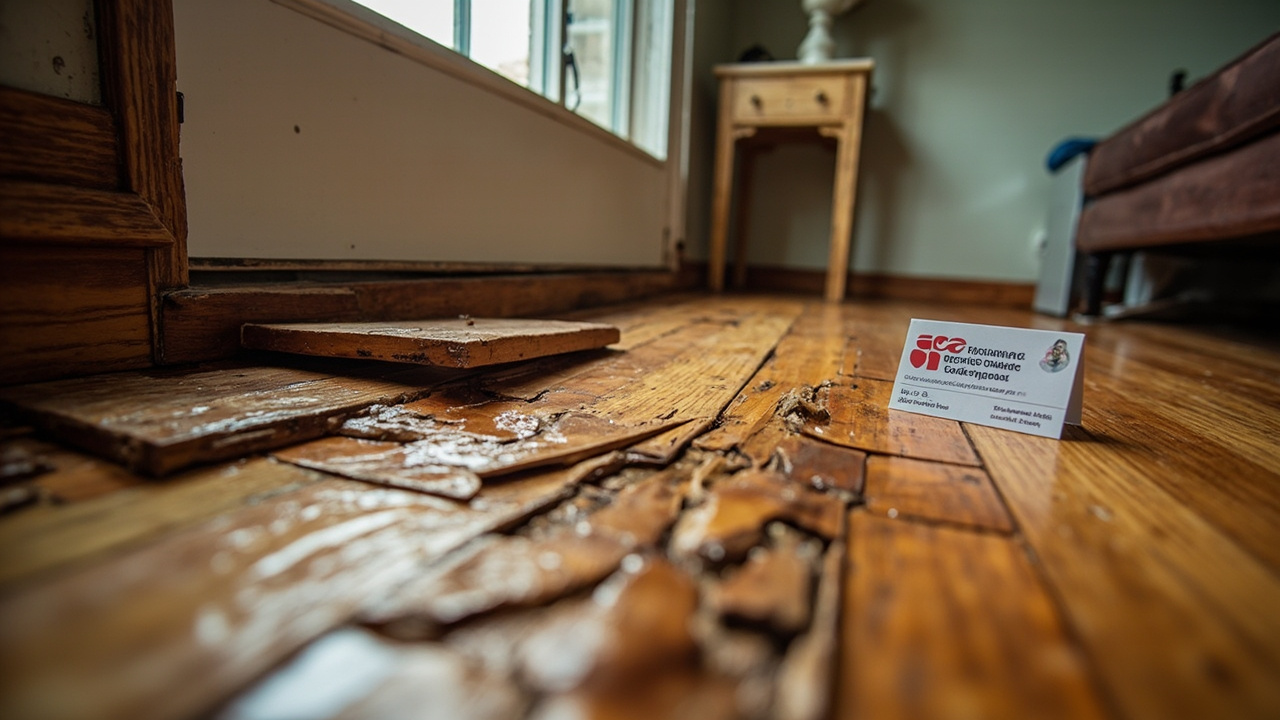
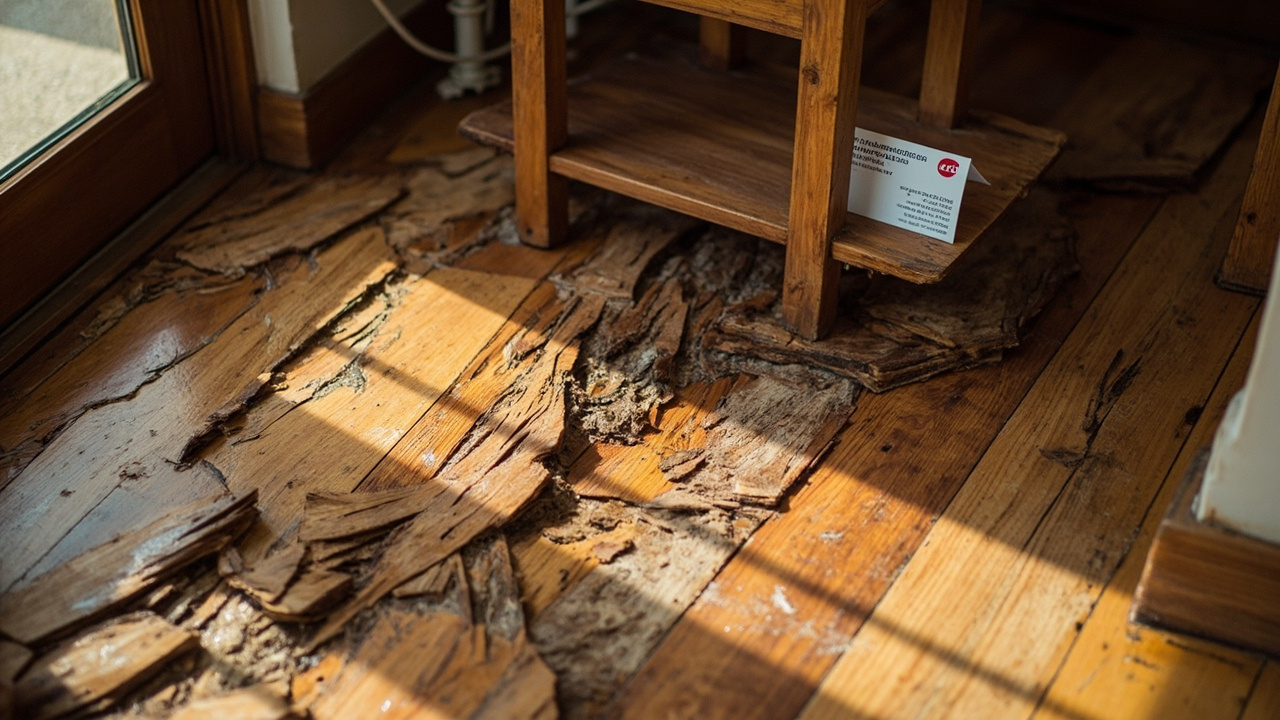
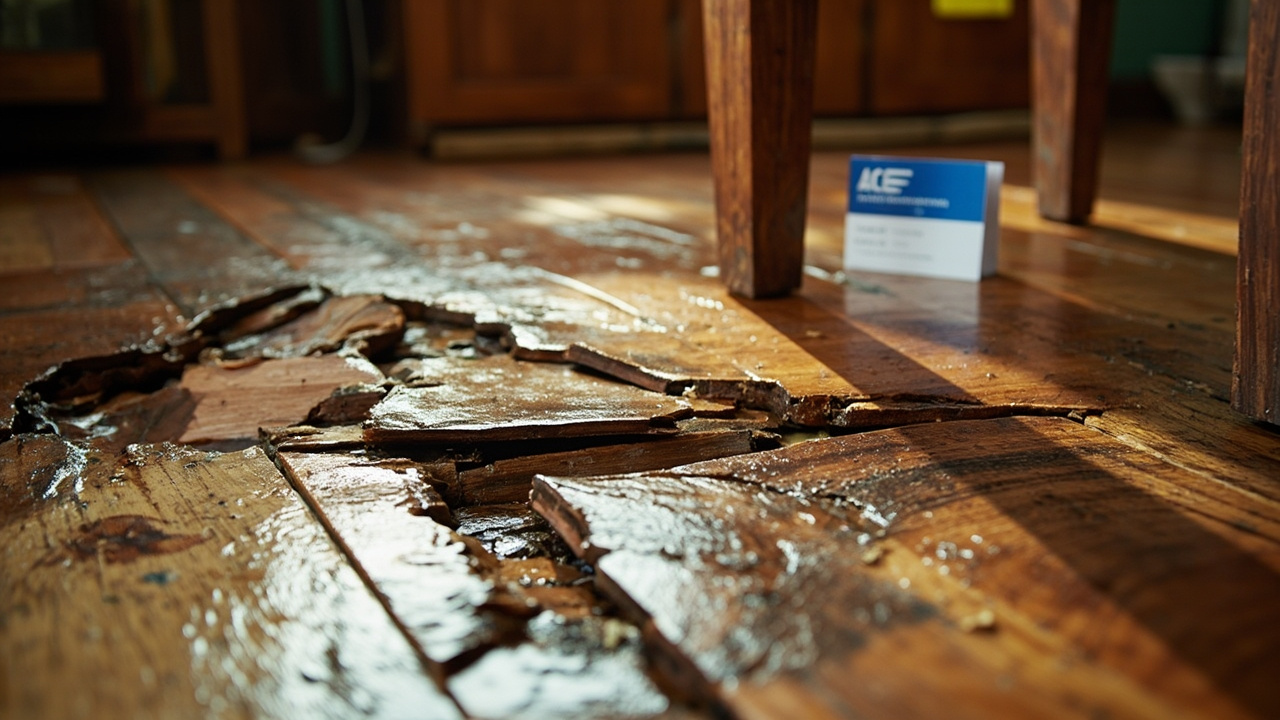
Peaking hardwood joints appear first at board edges where moisture absorption is fastest. The wood expands perpendicular to the grain. Cupping lifts the board edges higher than the center. Buckling creates raised wood floor edges that form tent-like peaks. Both conditions mean the subfloor, joists, or underlayment hold trapped water. Surface drying will not fix this. You need subsurface moisture extraction and controlled dehumidification to reverse the damage before mold colonizes the wood fibers and structural rot begins.

Ignoring warped hardwood flooring leads to permanent deformation. Once lignin breaks down, the wood cannot return to its original shape. You face total floor replacement instead of targeted drying and repair.

Why Cincinnati Homes Battle Warped Hardwood Flooring Year-Round
How We Reverse Moisture Damage in Hardwood Floors

How We Reverse Moisture Damage in Hardwood Floors

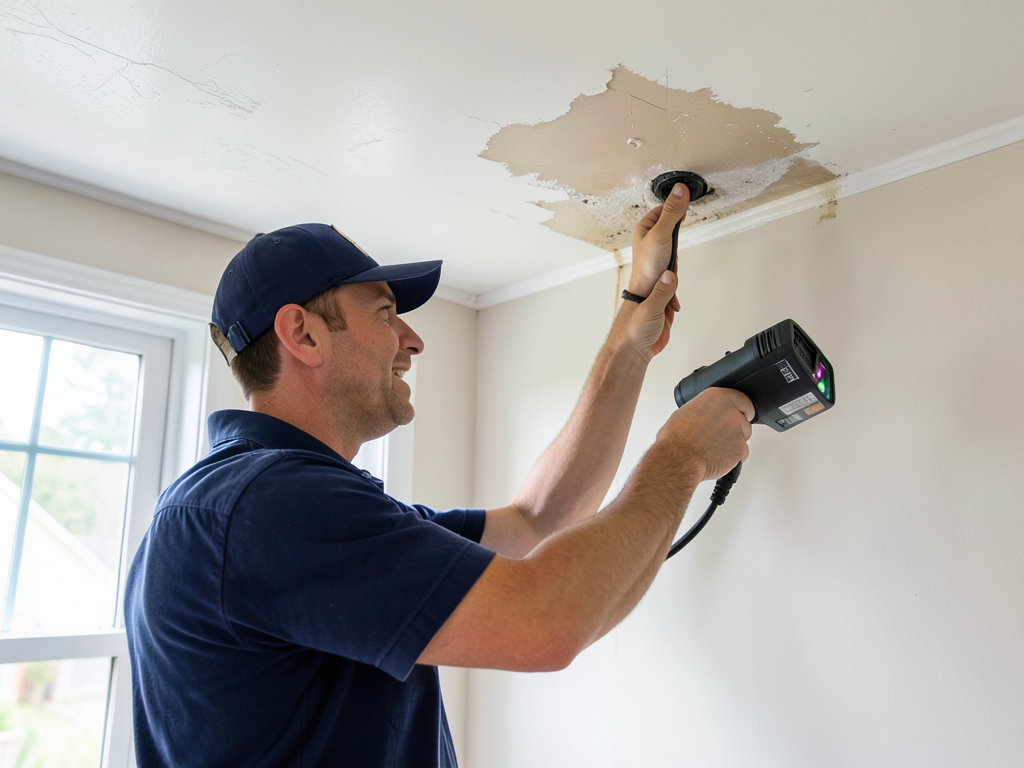
We do not guess. Our technicians use pinless moisture meters and thermal imaging cameras to map the water's path through your subfloor and joists. We measure moisture content at multiple depths to determine if the water source is active or residual. This tells us whether we are dealing with a slow leak, a flood event, or vapor transmission from a damp crawlspace.

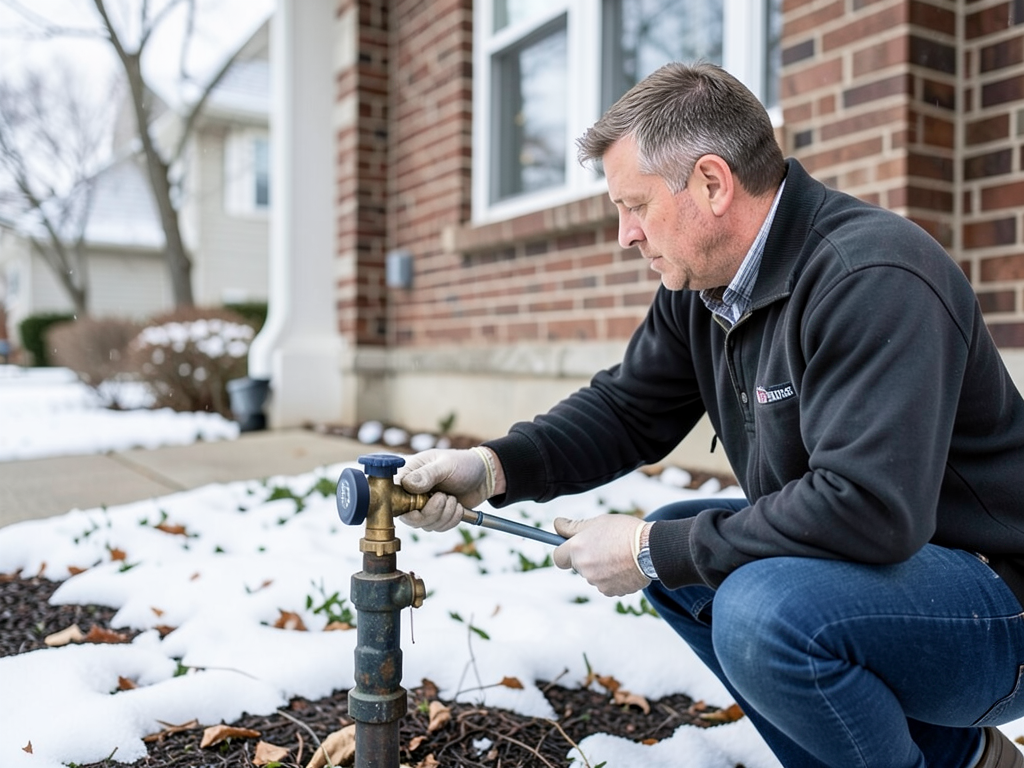
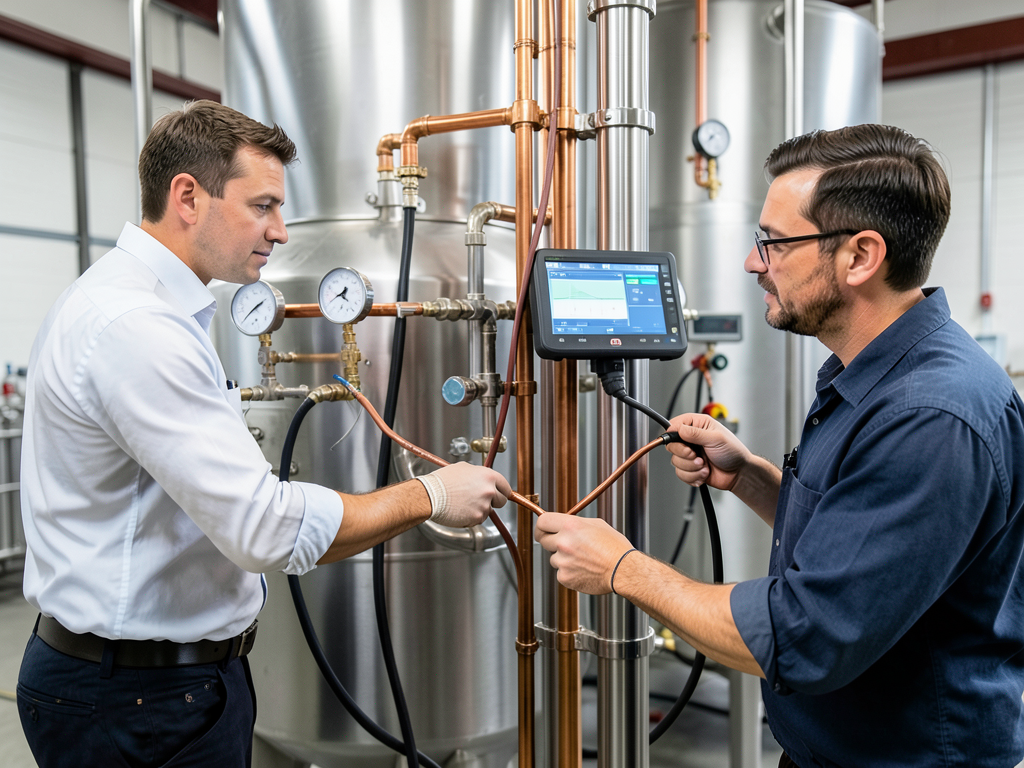
Once we identify the source, we stop it. A burst supply line gets shut off. A failed wax ring gets replaced. A foundation crack gets sealed. You cannot dry a floor while water continues to enter the system. After source control, we deploy commercial air movers and low-grain refrigerant dehumidifiers to pull moisture from the wood and subfloor. We do not rely on household fans. Our equipment moves 2,000 cubic feet of air per minute and removes 150 pints of water per day from the environment.

For severe buckling, we remove a section of flooring to install drying mats directly against the subfloor. These mats create negative air pressure that pulls moisture from the wood and plywood decking. We monitor moisture levels twice daily and adjust equipment placement based on real-time data. The goal is to bring the wood moisture content below 12 percent, which is equilibrium for Cincinnati's climate.

We document everything. Insurance adjusters need moisture readings, photos, and equipment logs to process claims. We provide detailed reports that show the drying curve over time. This eliminates claim disputes and speeds up reimbursement. You get professional documentation that proves the damage was addressed correctly.

What Happens When You Call for Warped Floor Repair

Cupping or Buckling Wood Floors in Cincinnati | Expert Diagnosis and Structural Drying Solutions
01

Moisture Mapping and Source Identification

Our technician arrives with moisture detection equipment and inspects the affected area plus adjacent rooms. We use thermal imaging to trace water through walls and subfloors. We locate the source, whether it is a leaking appliance, plumbing failure, or foundation seepage. You receive a verbal assessment within 30 minutes that explains what caused the cupping or buckling and what steps are needed to stop further damage.
02

Structural Drying Setup

We position commercial dehumidifiers and air movers based on the moisture map. For severe cases, we pull up sections of flooring to access the subfloor and install drying mats. We seal off the drying zone to maximize equipment efficiency. Our equipment runs continuously, and we monitor moisture levels every 12 hours. This phase typically lasts three to seven days depending on the severity of water intrusion and subfloor material.
03

Final Moisture Verification

Once moisture readings stabilize below 12 percent, we remove equipment and perform a final inspection. We check for mold growth, wood rot, and structural integrity. If the flooring recovered its shape, we reinstall any removed sections. If permanent deformation occurred, we provide a scope of work for floor replacement. You receive a certificate of drying completion that satisfies insurance and building code requirements for Cincinnati.

Why Local Expertise Matters for Water Damage in Cincinnati

You need someone who understands how Cincinnati's weather and soil interact with your home's foundation and plumbing. We have restored floors in pre-war homes in Over-the-Rhine where cast iron drain pipes corrode from the inside. We have dried subfloors in mid-century ranches in Westwood where slab-on-grade construction traps moisture from clay soil vapor transmission. We know that homes near the Little Miami River face different challenges than properties on the hillsides of Mount Lookout.

Cincinnati's building stock varies widely. Historic brick homes in Clifton have balloon framing and no vapor barriers. Post-2000 construction in West Chester uses engineered lumber that swells faster than solid wood joists. Our technicians adjust drying strategies based on construction type, not a one-size-fits-all approach. This prevents over-drying, which can cause as much damage as under-drying.

We also understand local insurance carriers. State Farm, Nationwide, and Erie have regional adjusters who follow specific protocols for water damage claims. We speak their language. Our documentation meets their requirements. This eliminates back-and-forth delays that leave you waiting weeks for approval. We also work with local flooring contractors who specialize in hardwood refinishing and replacement. If your floor needs professional sanding or board replacement after drying, we connect you with vetted partners who deliver quality work.

Ace Water Damage Restoration Cincinnati is not a national franchise with out-of-state call centers. We live here. We respond here. When you call at 2 a.m. because your basement flooded, a Cincinnati-based technician answers and dispatches a truck from our local facility. We arrive faster because we do not route calls through a corporate hub.

What to Expect During the Floor Drying Process

Response Time and Initial Assessment

We dispatch a technician within two hours of your call, 24 hours a day. Emergency response matters because every hour of delayed drying increases the chance of permanent floor damage and mold growth. Our trucks carry moisture meters, thermal cameras, and initial drying equipment. You receive a verbal assessment on-site that explains the damage severity, estimated drying time, and equipment needs. If insurance is involved, we explain the documentation process and help you file your claim immediately.

Comprehensive Moisture Testing

We measure moisture content in the flooring, subfloor, joists, and adjacent walls. Pinless meters scan large areas to identify wet zones. Pin-type meters provide precise readings at specific depths. Thermal imaging reveals hidden water behind baseboards and inside wall cavities. We create a moisture map that guides equipment placement. You see exactly where the water traveled and how deep it penetrated. This eliminates guesswork and prevents incomplete drying that leads to mold problems weeks later.

Complete Structural Drying

Our goal is to restore your floor to pre-loss condition when possible. We use controlled drying to prevent secondary damage like cracking or splitting. Equipment runs continuously, and we monitor progress twice daily. If the wood responds to drying, you avoid replacement costs. If permanent cupping or buckling persists, we document the failure and provide a replacement scope for your insurance claim. You receive honest assessment, not false promises. Our final report includes before-and-after moisture readings that prove the structure is dry.

Post-Drying Inspection and Prevention Guidance

Once drying is complete, we inspect for mold and structural damage. We also explain what caused the problem and how to prevent recurrence. This might include recommendations for sump pump installation, crawlspace encapsulation, or appliance replacement. We do not upsell services you do not need. If your floor dried successfully, we explain proper humidity levels to maintain. If you need flooring replacement, we coordinate with contractors to ensure proper subfloor preparation. You get a certificate of completion that closes out your insurance claim.

Frequently Asked Questions

You Have Questions,
We Have Answers

What is the difference between wood buckling and cupping? +

Cupping happens when the edges of wood planks rise higher than the center, creating a concave shape. This occurs when moisture absorbs into the bottom of the board faster than the top. Buckling is more severe. The entire plank lifts away from the subfloor, forming peaks or ridges. Buckling means the wood has expanded so much it has nowhere to go but up. In Cincinnati, basements and crawl spaces often contribute to moisture issues that cause both problems, especially after flooding or plumbing leaks.

What does a buckled hardwood floor look like? +

A buckled hardwood floor shows visible peaks or ridges where planks have lifted completely off the subfloor. You may see gaps underneath the boards, and walking on them feels spongy or unstable. The wood planks may crack or split at the buckle points. In severe cases, entire sections pull away from nails or adhesive. This damage usually follows significant water intrusion, like basement flooding common in Cincinnati during heavy storms, or long-term leaks under the flooring system. Buckling is not subtle. You will see and feel it immediately.

Will my cupped wood floors flatten? +

Cupped floors may flatten if you remove the moisture source quickly and dry the area properly. This process takes time, sometimes weeks or months, depending on how saturated the wood became. Do not sand the floor while it is still cupped. The wood needs to stabilize first. In Cincinnati, high humidity and poor ventilation in basements can delay drying. If the moisture issue repeats or the wood was cupped too long, permanent damage may occur. Professional drying equipment speeds recovery and prevents mold growth during the drying period.

What does cupping look like on a wood floor? +

Cupping makes wood planks look like shallow bowls or troughs. The edges curl up while the center dips down. Run your hand across the floor, and you will feel ridges at each board edge. Light reflects unevenly across cupped floors, creating visible lines between planks. Staining or discoloration may appear along with the cupping, especially if water sat on the surface. In Cincinnati homes with crawl spaces, cupping often starts near exterior walls or bathrooms where moisture penetrates from below. The damage pattern usually points back to the leak source.

Can cupped hardwood floors be repaired? +

Yes, cupped hardwood floors can be repaired if you address the moisture source first. Dry the area completely using fans, dehumidifiers, or professional drying equipment. Once the wood stabilizes, assess the damage. Minor cupping may resolve on its own. Moderate cases may require sanding and refinishing after the wood fully dries. Severe cupping might need board replacement. In Cincinnati, crawl space encapsulation or basement waterproofing often prevents recurrence. Do not rush the repair. Sanding too early locks in the damage permanently. Let the wood acclimate for several weeks before refinishing.

Will buckled hardwood floors go back to normal? +

Buckled floors rarely return to normal without intervention. The wood has expanded beyond its capacity and broken free from the subfloor. You must remove the moisture source, then pull up and dry the affected planks and subfloor completely. Some boards may flatten after drying, but most will require replacement due to cracking or permanent warping. In Cincinnati basements, buckling often follows sewer backups or sump pump failures. The longer water sits, the less likely the floor recovers. Fast water extraction and professional drying improve your chances of salvaging more boards.

How to tell if a floor is buckling? +

Walk across your floor. Buckling feels spongy, unstable, or bouncy underfoot. Look for visible humps or ridges where planks have lifted. Shine a flashlight along the floor at a low angle to reveal gaps under the boards. Check for cracking or splitting at high points. Listen for creaking or popping sounds when you step on raised areas. In Cincinnati homes, buckling often starts near water sources like bathrooms, kitchens, or basement walls. If you see or feel any of these signs, you have a moisture problem that needs immediate attention.

How much does it cost to fix a buckled floor? +

Repair costs vary widely based on damage extent, wood type, and subfloor condition. Minor fixes may involve drying and refinishing a small area. Major buckling requires removing and replacing planks, repairing subfloor damage, fixing the moisture source, and refinishing to match. In Cincinnati, basement flooding repairs often add costs for mold remediation or foundation waterproofing. Get multiple estimates from local contractors who inspect the damage in person. Avoid companies that quote over the phone. The true cost depends on what lies beneath your buckled floor.

Is hardwood floor cupping normal? +

No, cupping is not normal. It signals a moisture imbalance in your flooring system. Common causes include plumbing leaks, high humidity, poor ventilation, or water intrusion from below. In Cincinnati, crawl spaces and basements without vapor barriers often allow ground moisture to wick up into flooring. Some seasonal expansion is normal, but visible cupping means too much moisture is present. Ignoring cupping leads to buckling, mold growth, and structural damage. Address the moisture source immediately. Properly installed hardwood with adequate acclimation and moisture barriers should not cup under normal conditions.

How much does it cost to repair cupping wood floors? +

Repair costs depend on the cupping severity and affected area size. Minor cupping may only require professional drying and monitoring. Moderate damage needs sanding and refinishing after the wood dries completely. Severe cupping requires board replacement, subfloor repair, and refinishing. In Cincinnati, moisture barrier installation or crawl space encapsulation may add to the cost but prevents future damage. Most contractors charge per square foot for refinishing work. Get written estimates after an in-person inspection. Beware of cheap quotes that skip finding and fixing the moisture source. That guarantees repeat damage.

How Cincinnati's Clay Soil and Seasonal Rain Cause Hidden Floor Damage

Cincinnati sits on expansive clay soil that swells when wet and shrinks when dry. This seasonal movement creates foundation micro-cracks and gaps around basement floor joints. Summer thunderstorms dump two inches of rain in an hour, saturating the soil and forcing water through these openings. The water travels under basement slabs and into crawlspaces, wicking up through subfloors and into hardwood planks. Homes in low-lying areas near Mill Creek or the Ohio River face additional risk from high water tables. This makes subsurface moisture detection critical for accurate diagnosis of lifting floorboards and peaking hardwood joints.

Cincinnati's building codes require proper foundation drainage and vapor barriers for new construction, but thousands of older homes lack these protections. Pre-1980 homes often have inadequate grading and no perimeter drain tiles. This makes professional water damage restoration essential when swollen wood planks appear. Ace Water Damage Restoration Cincinnati understands the specific challenges of the local housing stock and soil conditions. We work with homeowners and property managers across Hamilton County to address water intrusion before it destroys valuable hardwood floors and creates health hazards from mold growth.
Water Damage Restoration Services in The Cincinnati Area

We are proud to serve the entire Cincinnati area, providing expert water damage restoration services wherever and whenever they are needed. We understand the unique challenges our local community faces and are committed to being there for our neighbors. View our service area on the map to see how we can assist you, or simply give us a call for immediate dispatch to your location.

Address:
Ace Water Damage Restoration Cincinnati, 1507 Dana Ave, Cincinnati, OH, 45207

Additional Services We Offer

Our news updates

Latest Articles & News from The Blogs

Finding the Source of a Slab Leak in Your Mack Home Slab leaks in Mack OH homes are more than…

Finding the Source of a Slab Leak in Your Mack Home

Finding the Source of a Slab Leak in Your Mack Home Slab leaks in Mack OH homes are more than…

What to Do When Your Water Heater Bursts in Madisonville

Emergency Water Heater Burst Cleanup in Madisonville, Cincinnati \n\n A water heater burst in Madisonville creates immediate flooding that can…

Salvaging Important Paper Documents and Photos After an Amberley Village Flood

Salvaging Important Paper Documents and Photos After an Amberley Village Flood When floodwaters rush through Amberley Village basements, the damage…

Contact Us

Warped hardwood flooring gets worse every day you wait. Call Ace Water Damage Restoration Cincinnati now at (513) 717-2522 for immediate dispatch and professional moisture assessment. We answer 24/7 and restore floors across the greater Cincinnati metro.