




Menu

Mold Remediation & Removal in Cincinnati – Expert Decontamination When Water Damage Turns Into a Health Crisis

Professional mold remediation and removal backed by certified protocols, HEPA containment systems, and years of experience handling Cincinnati's high-humidity mold outbreaks before they spread to structural framing or trigger respiratory distress.

Slider Image 1
Slider Image 2
Slider Image 3
Slider Image 4
Slider Image 5
Slider Image 7
Slider Image 8
Slider Image 9
Slider Image 10
Slider Image 11

Why Cincinnati's Climate Makes Mold Growth Inevitable After Water Damage

Cincinnati sits in a humid subtropical transition zone where summer humidity regularly tops 70 percent and homes in neighborhoods like East Walnut Hills, Hyde Park, and Mount Adams trap moisture in basements carved into bedrock and clay. When your basement floods from a sump pump failure or a pipe bursts in your crawl space, you face more than standing water. You face a 24 to 48-hour countdown before mold spores colonize drywall, insulation, and floor joists.

Mold does not wait. It grows behind walls, under carpet padding, and inside HVAC ducts where you cannot see it. By the time you smell that earthy odor or see black spots on your ceiling, the colony has already released mycotoxins that trigger asthma attacks, chronic coughing, and skin irritation. Wiping visible mold with bleach does not solve the problem. Surface cleaning leaves the root structure intact and spreads spores into the air. Professional mold abatement means identifying the moisture source, isolating the contaminated zone, and removing all affected materials before decontamination begins.

Residents near the Ohio River or in low-lying areas like Lower Price Hill know the risk. Seasonal flooding combined with older housing stock creates the perfect environment for rapid mold growth. Without proper mold mitigation, you risk structural rot and declining indoor air quality. The longer you wait, the more invasive the cleanup becomes.

Why Cincinnati's Climate Makes Mold Growth Inevitable After Water Damage
How We Contain, Remove, and Decontaminate Mold From Your Property

How We Contain, Remove, and Decontaminate Mold From Your Property

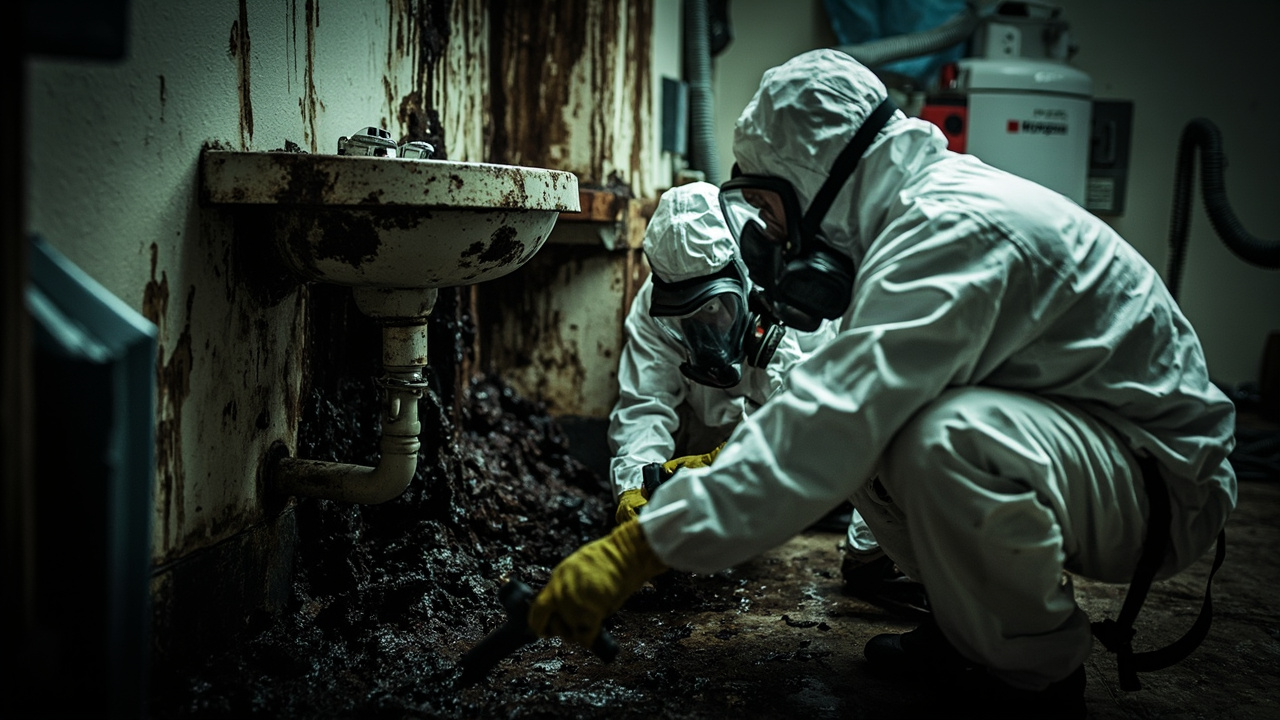
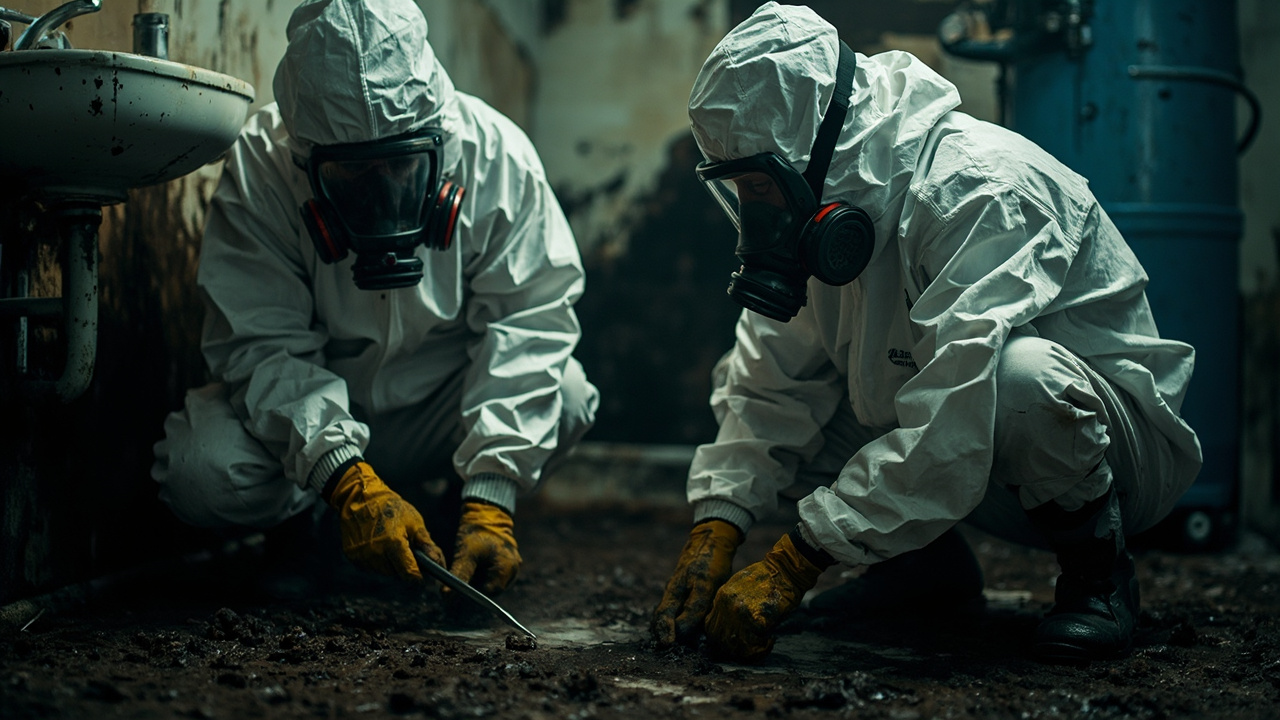
Mold remediation is not a spray-and-pray job. It requires containment protocols, negative air pressure chambers, and certified equipment to prevent cross-contamination. We start by isolating the affected area with polyethylene sheeting and creating a negative air environment using HEPA filtration units. This prevents spores from migrating to clean areas while we work. Every surface inside the containment zone gets treated, not just what you can see.

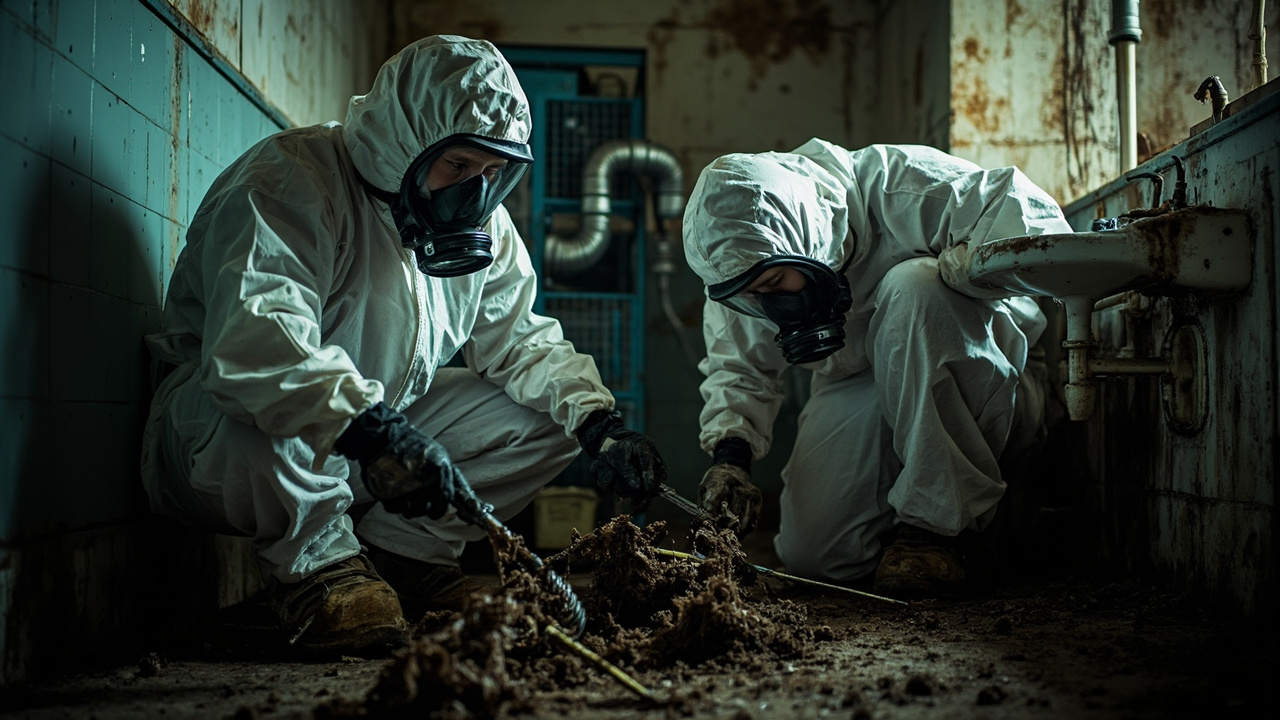
We remove porous materials like drywall, insulation, and carpet that cannot be salvaged. Non-porous surfaces like metal ductwork and concrete get scrubbed with antimicrobial agents and HEPA-vacuumed to remove residual spores. We do not rely on fogging systems that leave a chemical film but fail to address embedded contamination. Our team physically removes the source, treats the substrate, and verifies air quality with post-remediation testing.

Professional mold cleanup services include moisture mapping with infrared cameras to find hidden water intrusion behind walls or under flooring. Cincinnati homes built before 1970 often have plaster walls and balloon framing that allow mold to travel vertically through wall cavities. We check areas you would never think to inspect. Once containment and removal are complete, we apply encapsulants to wood framing and run air scrubbers for 72 hours to capture airborne particulates. You get documentation, not guesswork.

Mold decontamination is not optional when mycotoxin levels spike. It is the only way to restore safe indoor air quality and prevent recurring outbreaks.

What Happens During a Mold Remediation Call

Mold Remediation & Removal in Cincinnati – Expert Decontamination When Water Damage Turns Into a Health Crisis
01

Initial Assessment and Containment

We arrive with moisture meters, thermal imaging cameras, and air quality monitors to pinpoint the source of water intrusion and map contamination zones. Within hours, we establish physical containment barriers using six-mil polyethylene and seal off HVAC registers to prevent spore migration. Negative air machines start immediately to create airflow out of the contaminated zone, not into your living space.
02

Removal and Surface Treatment

All porous materials that absorbed mold get bagged and removed under containment. This includes drywall, insulation, baseboards, and subflooring if necessary. Non-porous surfaces like studs, joists, and concrete get wire-brushed, treated with EPA-registered antimicrobials, and HEPA-vacuumed. We treat the entire structural cavity, not just the visible surface. Every step is logged for insurance and health records.
03

Air Scrubbing and Clearance Testing

After physical removal, we run commercial-grade HEPA air scrubbers for three days to capture airborne spores and particulates. Optional third-party air quality testing confirms spore counts return to normal background levels before we break containment. You get a detailed report showing pre-remediation and post-remediation conditions. The job is not complete until the environment is verifiably safe for reoccupation.

Why Cincinnati Property Owners Trust Our Mold Mitigation Process

Mold remediation requires more than a sprayer and a wet vac. It requires knowledge of building science, spore biology, and local construction methods. Homes in Cincinnati's historic districts like Over-the-Rhine and Clifton feature plaster walls, horsehair insulation, and balloon framing that trap moisture and allow mold to spread unseen through wall cavities. We understand how these older homes breathe and where hidden moisture collects.

Our team follows IICRC S520 standards for mold remediation, which means we document moisture levels, photograph contamination, and create a written scope of work before we start. You see the plan before demo begins. We also coordinate with your insurance adjuster to ensure proper documentation for claim approval. Most policies cover sudden water damage and the resulting mold growth if you act quickly. We help you navigate that process without the runaround.

We work in Norwood, College Hill, and West Price Hill regularly. We know the soil conditions, the flood zones, and the common problem areas in homes built between 1920 and 1980. When you call Ace Water Damage Restoration Cincinnati, you get a team that has seen your exact problem in your exact neighborhood. We bring industrial containment equipment, not a shop vac and a bottle of bleach. We remove contaminated materials under controlled conditions and restore air quality to safe levels.

You do not get a generic checklist. You get a custom remediation plan based on the type of mold, the extent of contamination, and the building materials involved. Trust matters when you are dealing with hidden microbial growth that affects your family's health.

What to Expect When You Schedule Mold Removal Services

Same-Day Response and Rapid Containment

Mold spreads fast. We respond within hours to assess the situation and establish containment before spores migrate to unaffected rooms. Our team arrives with the equipment and materials needed to seal off the contaminated zone immediately. You do not wait days for an estimate. We evaluate the scope, explain the process, and begin containment on the first visit. Speed matters when microbial growth doubles every 24 to 48 hours under the right conditions.

Thorough Inspection and Moisture Mapping

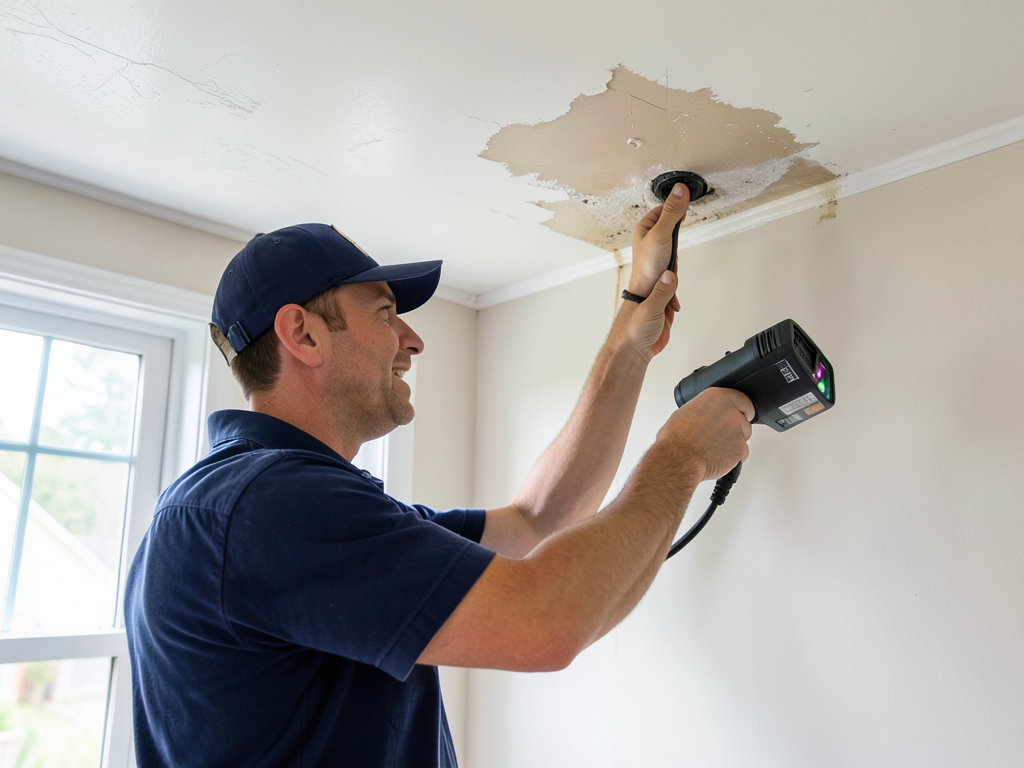
We use thermal imaging cameras and moisture meters to find hidden water intrusion behind walls, under flooring, and in ceiling cavities. Visible mold is often just the tip of the problem. Our inspection identifies the source of moisture, maps the extent of contamination, and pinpoints areas that need removal versus treatment. You get a written scope of work that explains what we found, what needs to be removed, and why. No surprises.

Complete Decontamination and Air Quality Restoration

We remove all porous materials that absorbed mold and treat structural surfaces with antimicrobial agents. HEPA air scrubbers run continuously to capture airborne spores and particulates. The job does not end when the mold looks gone. We verify air quality with post-remediation testing and provide documentation showing spore counts returned to normal levels. You get proof that the environment is safe, not just a promise that it looks clean.

Insurance Documentation and Ongoing Support

Most insurance policies cover mold remediation when it results from a covered water damage event. We photograph the damage, document moisture readings, and provide detailed reports your adjuster needs to approve the claim. We also identify and repair the source of water intrusion to prevent recurrence. Whether it is a leaking pipe, failed flashing, or basement seepage, we fix the root cause. You get follow-up moisture checks to ensure the area stays dry after remediation.

Frequently Asked Questions

You Have Questions,
We Have Answers

How much does it cost to remove mold? +

Mold removal costs in Cincinnati range based on the size of the affected area, mold type, and location. Small projects (under 10 square feet) may cost less, while larger infestations involving structural materials or HVAC systems cost significantly more. Factors include containment needs, material disposal, and air filtration equipment. Cincinnati's high humidity, especially in basements, often increases scope. Testing to identify mold species and post-remediation verification add to the total. Always get a detailed inspection before starting work. Prices vary widely, so focus on hiring certified professionals who follow IICRC standards rather than choosing the cheapest option.

What is the difference between mold removal and mold remediation? +

Mold removal means physically cleaning visible mold from surfaces. Mold remediation is a comprehensive process that addresses the root cause. Remediation includes containment, air filtration, removing contaminated materials, treating affected areas with antimicrobials, and controlling moisture to prevent regrowth. In Cincinnati, where basement flooding and humidity are common, remediation targets the source, like leaking foundations or poor ventilation. Removal alone is temporary. Mold returns if moisture problems persist. Certified remediation ensures the problem is fixed properly, protects indoor air quality, and prevents future contamination. You need remediation, not just surface cleaning, for lasting results.

How much does full mold remediation cost? +

Full mold remediation costs depend on contamination extent, structural damage, and moisture source complexity. Projects involving entire basements, crawl spaces, or multiple rooms cost more due to containment setup, HVAC cleaning, material removal, and reconstruction. Cincinnati homes with older foundations or recurring water intrusion from Ohio River basin humidity face higher costs. Testing, air scrubbing, antimicrobial treatments, and post-remediation clearance testing add to the total. Severe cases requiring drywall replacement, insulation removal, or subflooring work increase scope. Get a certified inspection to determine the full extent before budgeting. Cutting corners leads to recurring problems and higher long-term costs.

Is professional mold removal worth it? +

Yes. Professional mold remediation is worth it when dealing with contamination over 10 square feet, hidden mold in walls or HVAC systems, or health symptoms. Cincinnati's humidity and older housing stock make DIY efforts risky. Professionals use containment barriers, negative air machines, and proper disposal methods to prevent cross-contamination. They identify moisture sources you might miss, like foundation cracks or condensation issues common in this region. Improper removal spreads spores throughout your home and worsens air quality. Certified technicians protect your health, prevent structural damage, and provide documentation for insurance claims or home sales. The investment prevents costly future problems.

What kills mold permanently? +

Nothing kills mold permanently if moisture remains. Effective mold treatment requires removing contaminated materials, treating surfaces with EPA-registered antimicrobials, and eliminating the water source. HEPA vacuuming captures spores, while encapsulants seal porous surfaces. In Cincinnati, controlling basement humidity with dehumidifiers, fixing foundation leaks, and improving ventilation prevents regrowth. Bleach only works on non-porous surfaces and does not penetrate wood or drywall. Professional remediation combines antimicrobial fogging, material removal, and moisture control. The key is addressing why mold grew in the first place. Fix the leak, control humidity, and mold stays gone.

What are signs of mold exposure? +

Mold exposure symptoms include respiratory issues like coughing, wheezing, and shortness of breath. You may experience nasal congestion, throat irritation, eye irritation, or skin rashes. Headaches, fatigue, and difficulty concentrating are common. People with asthma or allergies face worse reactions. In Cincinnati homes with basement mold from humidity or flooding, symptoms often worsen indoors and improve outside. Black mold (Stachybotrys) can cause severe reactions. If multiple family members show unexplained symptoms, suspect mold. Visible growth, musty odors, and water damage history confirm suspicion. See a doctor if symptoms persist and get a professional mold inspection immediately.

Do you have to throw everything away with mold in the house after? +

No. You do not have to throw everything away. Porous materials like drywall, insulation, and carpet padding usually require disposal. Hard surfaces (metal, glass, plastic) clean successfully with antimicrobials. Upholstered furniture and mattresses depend on contamination severity. Clothing and linens often wash clean unless heavily contaminated. In Cincinnati, basement items exposed to flooding need careful evaluation. Professional remediators assess what is salvageable. HEPA vacuuming and antimicrobial treatments save many belongings. Document everything for insurance. Sentimental items may warrant specialized cleaning. Focus disposal on materials that hold moisture or cannot be thoroughly cleaned. Most household contents survive remediation.

Can I remediate mold myself? +

You can handle mold under 10 square feet on non-porous surfaces if you are healthy. Anything larger, hidden mold, or contamination in HVAC systems requires professionals. Cincinnati's basement mold often hides behind walls or involves structural materials. DIY risks include inadequate containment, spreading spores during removal, and missing the moisture source. You need proper PPE, HEPA vacuums, and antimicrobials. If you have asthma, allergies, or immune issues, do not attempt DIY. Improper removal makes problems worse and costs more to fix later. For small surface mold, use detergent and water. For anything else, hire certified professionals.

Is it hard to sell a house that has had mold remediation? +

No. Proper mold remediation with documentation makes homes easier to sell. Buyers want transparency. Provide remediation reports, clearance testing results, and proof the moisture source was fixed. Cincinnati buyers understand basement humidity issues and appreciate proactive fixes. Problems arise when sellers hide mold history or skip professional remediation. Undisclosed mold kills deals and invites lawsuits. Completed remediation shows the home was maintained properly. Many buyers prefer homes with documented fixes over homes with unknown problems. Your realtor can position remediation as a selling point. Honest disclosure and professional work protect your sale and legal liability.

Does homeowners insurance cover mold? +

Sometimes. Homeowners insurance covers mold if it resulted from a covered peril like burst pipes or storm damage. Policies exclude mold from neglect, long-term leaks, or flooding. Cincinnati homeowners face coverage challenges with basement seepage from groundwater, which standard policies exclude. Review your policy for mold coverage limits, often capped low. File claims immediately after water damage. Waiting allows mold growth, giving insurers reason to deny claims. Document everything with photos and professional reports. Separate flood insurance may cover flood-related mold. Many policies require prompt mitigation. Work with your adjuster and provide remediation estimates quickly to maximize coverage.

Why High Humidity and Basement Flooding Make Mold Remediation Essential in Cincinnati

Cincinnati averages 80 percent relative humidity during summer months, and basements carved into limestone and shale bedrock trap groundwater year-round. Neighborhoods like Columbia-Tusculum and Mount Lookout sit on hillsides where stormwater runoff overwhelms aging drainage systems, flooding crawl spaces and finished basements. Once water sits for more than 48 hours, mold colonies take root in drywall, carpet padding, and wooden floor joists. Professional mold abatement is not optional in these conditions. It is the only way to stop structural decay and restore safe indoor air quality before mycotoxins trigger chronic respiratory issues.

Cincinnati's housing stock includes thousands of pre-1950 homes with plaster walls, balloon framing, and minimal vapor barriers. These homes trap moisture inside wall cavities where mold grows undetected until it breaches into living spaces. Local building codes require proper remediation protocols when mold exceeds ten square feet, and insurance adjusters in Hamilton County expect documentation that follows IICRC standards. Ace Water Damage Restoration Cincinnati understands these requirements and the construction methods unique to Queen City homes. We know where to look, what to remove, and how to restore your property to safe conditions.
Water Damage Restoration Services in The Cincinnati Area

We are proud to serve the entire Cincinnati area, providing expert water damage restoration services wherever and whenever they are needed. We understand the unique challenges our local community faces and are committed to being there for our neighbors. View our service area on the map to see how we can assist you, or simply give us a call for immediate dispatch to your location.

Address:
Ace Water Damage Restoration Cincinnati, 1507 Dana Ave, Cincinnati, OH, 45207

Additional Services We Offer

Our news updates

Latest Articles & News from The Blogs

Finding the Source of a Slab Leak in Your Mack Home Slab leaks in Mack OH homes are more than…

Finding the Source of a Slab Leak in Your Mack Home

Finding the Source of a Slab Leak in Your Mack Home Slab leaks in Mack OH homes are more than…

What to Do When Your Water Heater Bursts in Madisonville

Emergency Water Heater Burst Cleanup in Madisonville, Cincinnati \n\n A water heater burst in Madisonville creates immediate flooding that can…

Salvaging Important Paper Documents and Photos After an Amberley Village Flood

Salvaging Important Paper Documents and Photos After an Amberley Village Flood When floodwaters rush through Amberley Village basements, the damage…

Contact Us

Mold does not wait, and neither should you. Call Ace Water Damage Restoration Cincinnati at (513) 717-2522 for same-day assessment and containment. We handle the remediation, the documentation, and the air quality verification so you can breathe easy again.