







Menu

Preventative Waterproofing Tips in Cincinnati – Protect Your Home Before Water Damage Strikes

Expert-backed proactive water sealing methods and moisture control best practices designed specifically for Cincinnati's humid climate and freeze-thaw cycles to keep your basement dry and your foundation stable year-round.

Slider Image 1
Slider Image 2
Slider Image 3
Slider Image 4
Slider Image 5
Slider Image 7
Slider Image 8
Slider Image 9
Slider Image 10
Slider Image 11

Why Cincinnati Homes Need Proactive Waterproofing

Cincinnati's climate creates a perfect storm for water intrusion. You deal with high humidity from the Ohio River Valley, freeze-thaw cycles that crack foundations, and heavy spring rains that saturate clay soil. This soil expands when wet and contracts when dry, creating hydrostatic pressure that pushes water through even the smallest foundation crack.

Most homeowners wait until they see standing water in the basement or smell mildew. By then, you're paying for emergency extraction and mold remediation instead of simple prevention. A water damage prevention checklist costs you time and effort now but saves thousands later.

The reality is simple. Cincinnati homes built before 1990 often lack modern waterproofing membranes. Neighborhoods like Mount Adams and Over-the-Rhine have historic brick foundations with lime mortar that deteriorates over time. Newer subdivisions in West Chester and Mason sit on graded lots where surface water naturally flows toward foundation walls.

You cannot stop rain or change your soil type. You can control where water goes and how your home handles moisture. Proactive water sealing methods work because they address the problem before it becomes visible. DIY waterproofing techniques give you the power to inspect your home systematically and catch small issues before they escalate.

The difference between a dry basement and a flooded one often comes down to maintenance you do in spring and fall. A home waterproofing maintenance guide walks you through specific tasks that protect your investment. Moisture control best practices become second nature once you understand how water moves around your property.

Why Cincinnati Homes Need Proactive Waterproofing
How Professional-Grade Waterproofing Works

How Professional-Grade Waterproofing Works

Effective waterproofing follows a clear hierarchy. You start at the roof and work down. Gutters and downspouts must move water at least six feet away from your foundation. This single step prevents more basement flooding than any other measure.

Grading comes next. Your soil should slope away from the house at a minimum one inch per foot for the first six feet. Walk your property after a heavy rain. If you see ponding near the foundation, you need to regrade. Clay soil in Cincinnati makes this critical because it holds water like a sponge.

Foundation walls need two types of protection. Exterior waterproofing involves excavating the foundation and applying a rubberized membrane with a drainage board. This stops water before it touches the concrete. Interior waterproofing uses sealants and drainage systems to manage water that penetrates the wall. Both approaches work, but exterior waterproofing is permanent.

Sump pumps handle groundwater that rises through the footer. You need a reliable pump with battery backup. Spring flooding in the Mill Creek watershed knocks out power regularly. A pump that quits during a storm leaves you with six inches of water in an hour.

Vapor barriers control humidity. Crawl spaces without encapsulation pull moisture into your home through stack effect. This creates condensation in ductwork and promotes mold growth in rim joists. A six-mil polyethylene barrier with sealed seams cuts humidity by 60 percent.

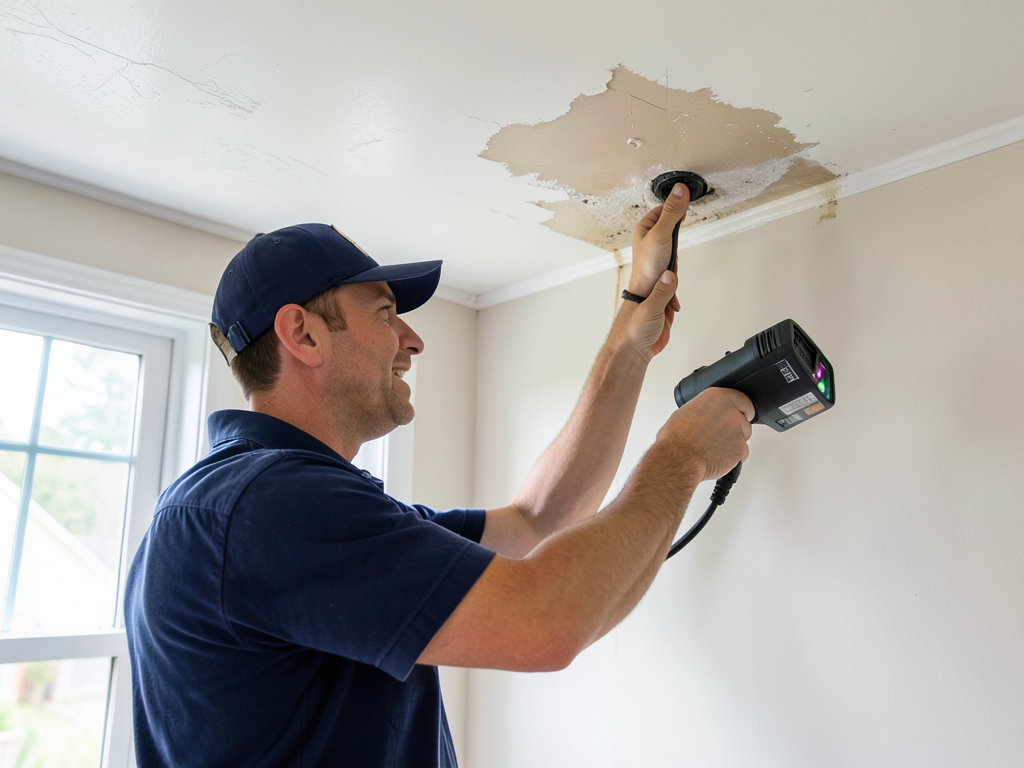
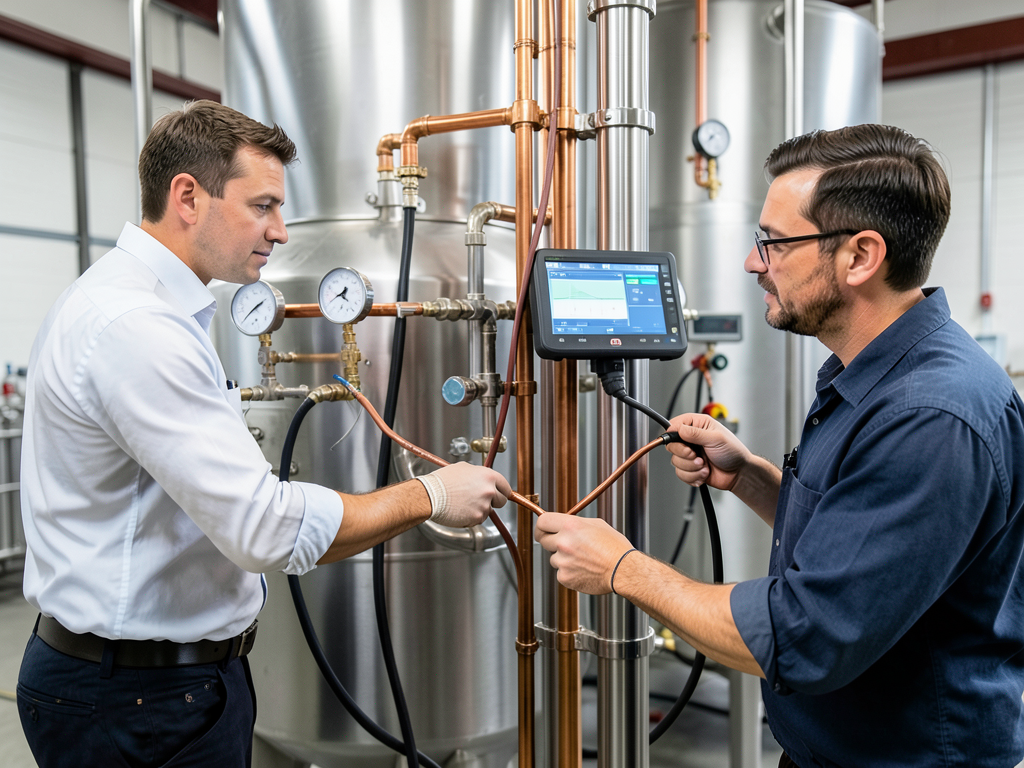
Ace Water Damage Restoration Cincinnati uses moisture meters and thermal imaging to find hidden problems. You cannot see moisture trapped in wall cavities or under flooring. We map where water enters and design solutions that address root causes instead of symptoms.

Your Home Protection Action Plan

Preventative Waterproofing Tips in Cincinnati – Protect Your Home Before Water Damage Strikes
01

Exterior Inspection

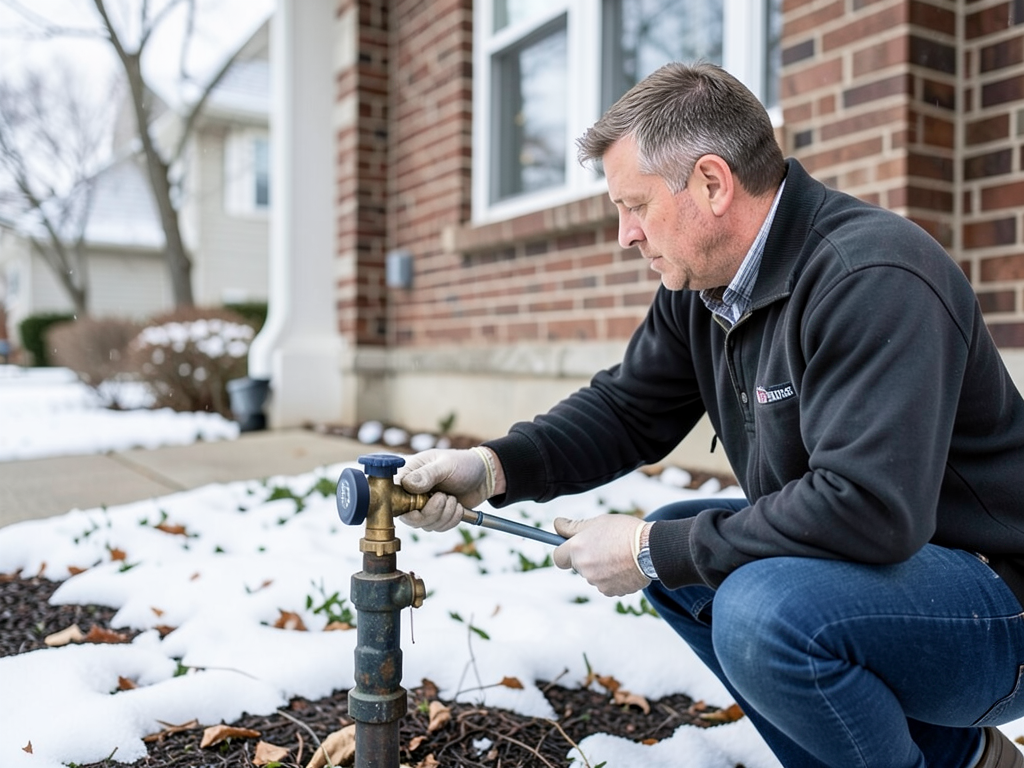
Walk your property perimeter twice a year. Check for settled soil near the foundation, damaged downspout extensions, and window well debris. Look at mortar joints in brick foundations for crumbling or gaps. Test your sump pump discharge line to confirm water flows away from the house. Mark problem areas with spray paint so you remember where repairs are needed. This visual survey takes 30 minutes and catches 80 percent of water entry points before they cause damage.
02

Interior Moisture Assessment

Inspect your basement or crawl space with a flashlight and screwdriver. Probe wood sill plates for soft spots that indicate rot. Check for efflorescence on concrete walls, which appears as white chalky deposits left by evaporating water. Smell for musty odors that signal hidden moisture. Run a dehumidifier and measure relative humidity with a hygrometer. Levels above 60 percent create conditions for mold growth. Document what you find with photos and dates to track changes over time.
03

Preventative Maintenance Schedule

Create a calendar with specific tasks. April and September are ideal for gutter cleaning, downspout checks, and grading repairs. Test your sump pump monthly by pouring water into the pit. Replace backup batteries every three years. Seal foundation cracks smaller than a quarter inch with hydraulic cement or polyurethane caulk. Larger cracks need professional evaluation because they may indicate structural movement. Keep records of what you do and when. This maintenance log becomes valuable if you ever file an insurance claim.

Why Local Expertise Matters for Cincinnati Homes

Cincinnati sits in FEMA Flood Zone classifications that vary by neighborhood. Homes near the Little Miami River face different risks than those in Clifton or Northside. You need someone who understands local topography and how water moves through your specific area.

Building codes in Hamilton County require specific foundation drainage for new construction. Older homes built before these codes lack modern protection. We know which neighborhoods have combined sewers that back up during heavy rain and which have separate storm systems. This knowledge shapes our recommendations.

The freeze-thaw cycle in Cincinnati runs from November through March. Water in foundation cracks expands when it freezes, widening the crack by up to nine percent. One winter can turn a hairline crack into a quarter-inch gap. We time exterior repairs for late spring or early fall when temperatures stay above 40 degrees, allowing proper curing of sealants and membranes.

Clay soil shrinks in summer drought and swells in spring rain. This movement creates gaps between your foundation and the soil, letting water run straight down to the footer. French drains and foundation coatings address this specific soil behavior. Generic advice from national websites does not account for Cincinnati's soil composition.

Ace Water Damage Restoration Cincinnati has worked in every neighborhood from Oakley to Montgomery. We know where builder-grade waterproofing fails and where tree roots infiltrate drain tiles. This experience means we diagnose problems faster and recommend solutions that work long-term.

Local supply houses stock materials rated for our climate. Waterproofing membranes must handle temperature swings from zero to 95 degrees and resist breakdown from freeze-thaw cycling. We use products proven in Cincinnati conditions, not just whatever shows up first on an internet search.

What You Can Expect from Professional Waterproofing

Response Time and Availability

Preventative work happens on your schedule, not during a crisis. We book consultations within three business days and complete inspections in under two hours. You get a written assessment with photos showing problem areas and recommended solutions ranked by priority. Spring and fall are busy seasons for exterior work, so planning ahead gets you on the schedule faster. Emergency waterproofing after a flood costs three times more than scheduled prevention because you pay for extraction, drying, and mold remediation on top of the actual waterproofing. Book your inspection now and complete work before the next heavy rain.

Comprehensive Property Assessment

Our inspection covers 47 specific checkpoints across your roof, gutters, grading, foundation, basement, and crawl space. We use moisture meters to measure water content in concrete and wood. Thermal imaging cameras reveal temperature differences that indicate hidden moisture or air leaks. You receive a color-coded map of your property showing high-risk areas in red, moderate concerns in yellow, and properly protected zones in green. This visual report makes it easy to understand where to invest your maintenance budget. We explain the findings in plain language and answer questions until you feel confident about next steps.

Quality of Completed Work

Waterproofing done correctly lasts decades. Exterior membrane systems carry material warranties up to 20 years when installed per manufacturer specifications. Interior drainage systems include check valves that prevent backflow and alarm systems that alert you if water rises above safe levels. We test every sump pump installation under load conditions that simulate actual flooding. Grading work settles over six months, so we return for a follow-up inspection to verify drainage still flows correctly. You get documentation of all work completed, including product specifications and installation photos for your home maintenance records.

Ongoing Maintenance Support

Waterproofing requires periodic maintenance to stay effective. We provide a customized maintenance checklist specific to the solutions installed at your home. This includes recommended inspection intervals, what to look for, and when to call for professional service. Many clients schedule annual inspections where we verify all systems still function correctly and catch small problems before they become expensive. We keep detailed records of your property so each visit builds on previous work. You also get priority scheduling if you ever experience water intrusion despite preventative measures. Our goal is to keep your basement dry every single day, not just fix problems after they happen.

Frequently Asked Questions

You Have Questions,
We Have Answers

What to do before applying waterproofing? +

Before applying waterproofing, clean all surfaces thoroughly. Remove dirt, efflorescence, and loose concrete. Inspect for cracks and structural damage. In Cincinnati, check for freeze-thaw damage and erosion from clay soil movement. Repair foundation cracks with hydraulic cement or epoxy injection. Ensure surfaces are dry before application. Test moisture levels using a moisture meter. Address active leaks first. Clear gutters and downspouts to prevent water buildup during installation. Proper surface preparation ensures waterproofing products bond correctly and perform as designed. Skipping preparation wastes money and leads to failure.

What are common waterproofing mistakes? +

Common mistakes include skipping surface preparation, applying waterproofing over wet surfaces, and using the wrong product for your specific problem. Many Cincinnati homeowners ignore grade issues, allowing water to pool against foundations. Relying on interior sealants alone when exterior waterproofing is needed wastes money. Applying too thin a coat or missing seams and joints creates weak points. Ignoring drainage systems like French drains or sump pumps leaves water with nowhere to go. Timing matters too. Waterproofing during cold or rainy weather prevents proper curing and reduces effectiveness.

Should you prime before waterproofing? +

Yes, priming before waterproofing improves adhesion and performance. Primer seals porous surfaces like concrete and masonry, creating a uniform base. This is especially important in Cincinnati basements where older foundations may have inconsistent surfaces. Primer helps waterproofing membranes bond properly and prevents premature failure. Check manufacturer specifications. Some products require specific primers, while others are self-priming. Skipping primer on bare concrete often leads to peeling and reduced lifespan. Apply primer evenly and allow full drying time before waterproofing. This extra step significantly extends the life of your waterproofing system.

How much does it cost to waterproof a 1000 sq ft basement? +

Waterproofing a 1000 square foot basement varies widely based on method and severity. Interior sealants are less expensive but only address minor moisture. Exterior excavation and membrane installation costs significantly more but solves problems permanently. French drain and sump pump systems add to the total. Cincinnati's clay soil and high water tables often require comprehensive solutions. Factors include wall condition, existing drainage, accessibility, and whether mold remediation is needed. Get multiple quotes from qualified contractors. Cheaper options may fail quickly, requiring expensive repairs. Invest in proper waterproofing to protect your foundation long-term.

How many coats of waterproofing should I do? +

Most waterproofing products require two coats for full protection. The first coat seals the surface and fills minor imperfections. The second coat provides complete coverage and thickness needed to stop water infiltration. Follow manufacturer guidelines for drying time between coats. In Cincinnati's humid climate, allow extra drying time, especially in basements with poor ventilation. Some high-performance membranes may need three coats in areas prone to hydrostatic pressure. Apply coats evenly without gaps or thin spots. Proper thickness ensures waterproofing performs as rated and lasts for years without failure.

How to fill gaps before waterproofing? +

Fill gaps and cracks before waterproofing using hydraulic cement for active leaks or polyurethane caulk for smaller cracks. Clean gaps thoroughly, removing loose material and debris. For wider cracks in Cincinnati foundations caused by settling clay soil, use epoxy injection or flexible sealants that accommodate movement. Backer rod works well for deep gaps before caulking. Ensure filler materials are compatible with your waterproofing product. Allow adequate curing time before applying waterproofing over repairs. Gaps around pipes and penetrations need special attention. Proper filling prevents water from bypassing your waterproofing and entering your basement.

What is the negative side of waterproofing? +

The negative side of waterproofing includes cost, temporary disruption, and potential for improper installation. Exterior waterproofing requires excavation, damaging landscaping around your home. Interior systems take up basement floor space and do not address exterior water pressure. Some products emit strong odors during application. In Cincinnati, timing challenges arise due to weather conditions limiting ideal installation windows. Waterproofing masks symptoms if underlying drainage issues remain unresolved. Poor installation or wrong product selection leads to failure and wasted investment. Despite drawbacks, proper waterproofing prevents far more expensive foundation damage, mold growth, and structural problems.

What causes waterproofing to fail? +

Waterproofing fails when applied incorrectly, over wet surfaces, or without proper surface preparation. Hydrostatic pressure from poor drainage overwhelms even quality products. In Cincinnati, clay soil expansion and freeze-thaw cycles create foundation movement that cracks rigid waterproofing. Using interior sealants when exterior waterproofing is needed addresses symptoms, not causes. Cheap products degrade quickly under moisture exposure. Membrane damage from sharp objects or roots creates entry points. Ignoring gutters, downspouts, and grading allows excessive water against foundations. Failed waterproofing often results from DIY attempts without understanding water behavior and proper installation techniques.

What is the best waterproofing method? +

Exterior waterproofing with drainage systems is the best method for long-term protection. This involves excavating around foundations, applying rubberized membrane or spray-applied coatings, and installing perimeter drains to direct water away. For Cincinnati homes, this addresses clay soil moisture and hydrostatic pressure at the source. Interior French drains with sump pumps work when exterior access is impossible. Crystalline waterproofing penetrates concrete, sealing from within. The best method depends on your specific situation, foundation age, water table, and budget. Combination systems often provide optimal protection. Consult professionals who understand local soil and water conditions.

What is the best time to do water waterproofing? +

The best time for waterproofing in Cincinnati is late spring through early fall when temperatures stay above 50 degrees and rain is less frequent. Waterproofing products need dry conditions and warm temperatures to cure properly. Avoid winter when freeze-thaw cycles and frozen ground prevent excavation for exterior work. Summer heat can cause products to dry too quickly. Schedule before heavy rain seasons to protect your basement during peak water intrusion periods. Interior work has more flexibility but benefits from lower humidity. Plan ahead because contractors book up during ideal weather windows. Address waterproofing before problems worsen.

How Cincinnati's Ohio River Valley Climate Demands Year-Round Moisture Control

Cincinnati averages 44 inches of rain annually, concentrated in April and May when groundwater tables rise to their highest levels. The Ohio River Valley creates a humidity bowl where summer dew points regularly exceed 70 degrees. This combination means your basement faces water pressure from below and humidity from above simultaneously. Homes in low-lying areas near Mill Creek or the Little Miami River deal with seasonal flooding that saturates soil for weeks. Freeze-thaw cycles crack concrete from December through February, creating new entry points each winter. Proactive water sealing methods must address this continuous moisture assault from multiple directions. Generic waterproofing fails here because it assumes stable, dry conditions between rain events. Cincinnati homes never fully dry out between storms.

Cincinnati building inspectors enforce specific foundation drainage requirements based on decades of local flood data. Contractors who work exclusively in this region understand soil composition varies dramatically between neighborhoods. Clay content in Mount Washington differs from sandy loam in Anderson Township, requiring different drainage solutions. Ace Water Damage Restoration Cincinnati maintains relationships with local building departments and knows which permits you need for exterior excavation work. We source materials from regional distributors who stock products tested in Ohio River Valley conditions. National chains sell waterproofing products designed for desert climates or coastal regions that fail in freeze-thaw environments. Local expertise means you get solutions engineered for the specific challenges your home faces, backed by teams who live and work in the same watershed you do.
Water Damage Restoration Services in The Cincinnati Area

We are proud to serve the entire Cincinnati area, providing expert water damage restoration services wherever and whenever they are needed. We understand the unique challenges our local community faces and are committed to being there for our neighbors. View our service area on the map to see how we can assist you, or simply give us a call for immediate dispatch to your location.

Address:
Ace Water Damage Restoration Cincinnati, 1507 Dana Ave, Cincinnati, OH, 45207

Additional Services We Offer

Our news updates

Latest Articles & News from The Blogs

Finding the Source of a Slab Leak in Your Mack Home Slab leaks in Mack OH homes are more than…

Finding the Source of a Slab Leak in Your Mack Home

Finding the Source of a Slab Leak in Your Mack Home Slab leaks in Mack OH homes are more than…

What to Do When Your Water Heater Bursts in Madisonville

Emergency Water Heater Burst Cleanup in Madisonville, Cincinnati \n\n A water heater burst in Madisonville creates immediate flooding that can…

Salvaging Important Paper Documents and Photos After an Amberley Village Flood

Salvaging Important Paper Documents and Photos After an Amberley Village Flood When floodwaters rush through Amberley Village basements, the damage…

Contact Us

Stop water damage before it starts. Call Ace Water Damage Restoration Cincinnati at (513) 717-2522 for a comprehensive property assessment. We identify vulnerabilities and create a protection plan that fits your budget and timeline. Your dry basement starts with one phone call.