




Menu

Water Damage Restoration in Cincinnati – 24/7 Emergency Response with Complete Structural Drying and Insurance Coordination

Expert water damage restoration services across Cincinnati and Hamilton County, featuring rapid water extraction, advanced moisture detection technology, mold prevention protocols, and direct insurance billing to restore your property fast and right the first time.

Slider Image 1
Slider Image 2
Slider Image 3
Slider Image 4
Slider Image 5
Slider Image 7
Slider Image 8
Slider Image 9
Slider Image 10
Slider Image 11

Why Cincinnati Properties Face Unique Water Damage Risks

Cincinnati sits at the confluence of the Ohio River and multiple tributaries, creating a naturally humid environment that compounds water damage problems. Homes in neighborhoods like Mount Adams, Hyde Park, and Walnut Hills face basement flooding from seasonal rainfall and snowmelt runoff that overwhelms century-old drainage systems. The region's clay-heavy soil expands when saturated, pushing hydrostatic pressure against foundation walls and causing seepage into crawl spaces and lower levels.

Spring storms bring heavy precipitation that tests aging roof systems and gutters, while summer humidity creates condensation problems in poorly ventilated attics and basements. Winter freeze-thaw cycles burst pipes in older homes throughout Hamilton County, especially in properties with inadequate insulation or heating.

The combination of Ohio River valley humidity and older housing stock means water damage remediation requires more than surface cleanup. Moisture trapped in plaster walls, hardwood subfloors, and brick masonry creates perfect conditions for microbial growth within 24 to 48 hours. Water damage mitigation starts the moment you notice the problem, not days later when insurance adjusters arrive.

Cincinnati's mix of historic architecture and modern construction demands specialized water removal services. Victorian homes in Over-the-Rhine require different drying techniques than mid-century ranches in Finneytown. Ace Water Damage Restoration Cincinnati understands these structural differences and applies targeted water damage repair protocols that preserve your property's integrity while eliminating moisture completely.

Why Cincinnati Properties Face Unique Water Damage Risks
How Professional Water Damage Cleanup Protects Your Investment

How Professional Water Damage Cleanup Protects Your Investment

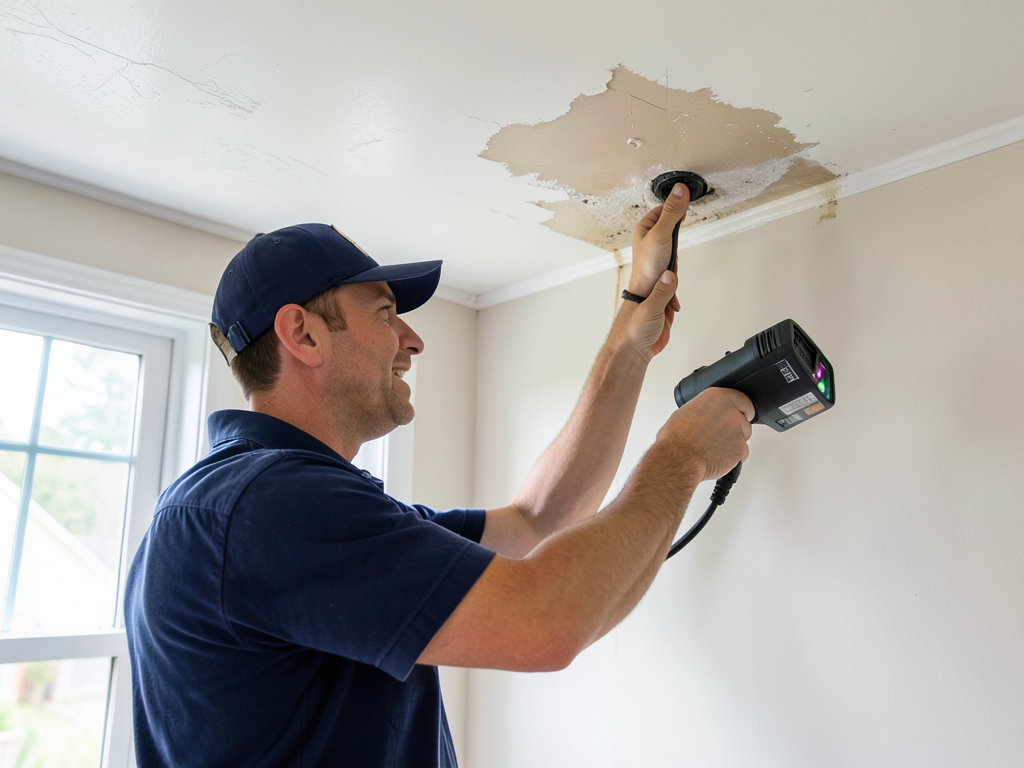
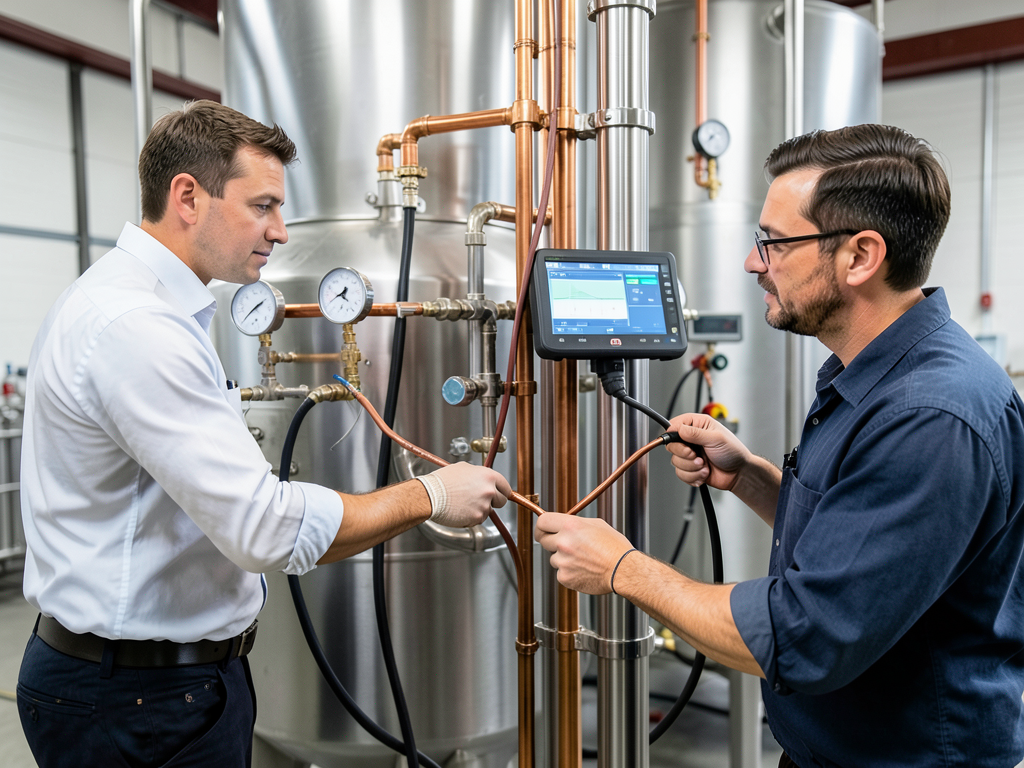
Water damage restoration is not about mopping up visible water and running fans. It requires thermal imaging to map moisture migration through wall cavities, FLIR infrared cameras to detect hidden saturation, and hygrometers to measure relative humidity levels in affected spaces. We document moisture content readings in structural materials to establish drying benchmarks and verify complete remediation before closing the project.

Our extraction process uses truck-mounted pumps rated for commercial-grade water removal, pulling hundreds of gallons per minute from flooded basements and crawl spaces. Submersible pumps handle standing water while weighted extractors apply pressure to carpets and padding, recovering water trapped in fibers. This prevents delamination in hardwood floors and reduces drying time by removing the bulk of moisture mechanically rather than relying solely on evaporation.

After extraction, we deploy low-grain refrigerant dehumidifiers that process moisture at the molecular level, creating negative air pressure environments that pull water vapor from porous materials. Air movers positioned at calculated angles create cyclonic airflow patterns across wet surfaces, accelerating evaporation without over-drying or causing secondary damage to millwork and trim.

The water damage cleanup phase includes antimicrobial application to all affected surfaces. We inject EPA-registered biocides into wall cavities through small access ports, treating areas you cannot see but where mold colonization begins. This preventative treatment is critical in Cincinnati's humid climate where passive drying alone leaves residual moisture that feeds microbial growth months after the initial water event.

What Happens When You Call for Emergency Water Damage Services

Water Damage Restoration in Cincinnati – 24/7 Emergency Response with Complete Structural Drying and Insurance Coordination
01

Immediate Assessment and Containment

We arrive within 60 minutes for emergency calls across Cincinnati and Hamilton County. Our technicians identify the water source, stop active intrusion when possible, and categorize contamination level. We document all affected areas with photos and moisture readings, then establish containment barriers using plastic sheeting and negative air machines to prevent cross-contamination into unaffected spaces. You receive a verbal scope of work before equipment deployment begins.
02

Extraction and Structural Drying

High-powered extraction removes standing water and saturated materials. We pull baseboards, drill weep holes in wall cavities when necessary, and remove non-salvageable materials like soaked drywall and insulation. Dehumidifiers and air movers run continuously with daily monitoring visits to track drying progress. We adjust equipment placement based on moisture meter readings, ensuring every structural cavity reaches safe moisture content levels before reconstruction begins.
03

Verification and Restoration Coordination

Once moisture readings match pre-loss conditions, we provide written documentation showing your property meets industry drying standards. Our team coordinates with your insurance adjuster, supplying detailed loss documentation and moisture logs. We handle the rebuild process or work with your preferred contractor, ensuring new materials install only after complete structural drying. You receive a comprehensive project folder with all documentation for insurance records and future property disclosures.

Why Cincinnati Property Owners Choose Local Water Damage Experts

Water damage restoration in Cincinnati requires understanding how Ohio River valley humidity affects drying timeframes and what building materials were common in different construction eras across the city. A 1920s brick colonial in Hyde Park has different moisture retention characteristics than a 1970s split-level in Kenwood. We know which neighborhoods have combined sewer systems that backup during heavy rain and which areas have high water tables that cause chronic basement seepage.

Our familiarity with Hamilton County building departments means we know when permits are required for structural repairs and what documentation local inspectors expect. We understand Ohio insurance regulations and work directly with adjusters from the major carriers operating in the Cincinnati market. This local knowledge speeds your claim process and reduces the back-and-forth that delays reconstruction.

Ace Water Damage Restoration Cincinnati maintains response vehicles and equipment staged throughout the metro area for rapid deployment. We do not dispatch crews from Dayton or Columbus when you call. Our technicians live in the communities we serve and understand the urgency when water is actively damaging your home or business.

We also recognize that older Cincinnati properties require careful handling during water damage mitigation. Historic plaster walls, original hardwood floors, and decorative millwork need specialized drying techniques that prevent cracking and warping. Our team has restored properties in historic districts like Mount Adams and Columbia-Tusculum where preservation standards matter as much as moisture removal.

The difference between adequate cleanup and complete restoration shows up months later when mold appears or floors buckle. We perform the work correctly the first time because our reputation in this community depends on it.

What to Expect During the Water Damage Restoration Process

Emergency Response Time and Availability

We maintain 24/7 emergency dispatch for water damage calls across Cincinnati and Hamilton County. Our average response time for emergency situations is under 60 minutes from initial contact to on-site arrival. Night and weekend calls receive the same priority as weekday emergencies. You speak directly with a project manager who coordinates the response, not an answering service. We understand that water damage worsens by the hour, so our rapid response focuses on stopping damage progression immediately. Equipment arrives fully stocked on our response vehicles, eliminating delays from supply runs or rental equipment pickup.

Initial Inspection and Damage Documentation

The initial assessment maps every affected area using moisture detection equipment that reveals water migration invisible to the naked eye. We test moisture levels in walls, floors, and ceilings, marking readings on a property diagram that becomes part of your insurance documentation. Our technicians photograph all damage before beginning extraction, creating a visual record that supports your claim. We identify the water category based on contamination level, which determines proper cleaning protocols and what materials require removal versus restoration. You receive a written scope of work explaining what we will do and why each step matters for complete restoration.

Quality of Final Restoration

Complete water damage restoration means your property returns to pre-loss condition with no lingering moisture, odors, or structural compromise. We verify drying completion using the same moisture meters that established baseline readings, ensuring structural materials return to normal moisture content ranges. All affected surfaces receive antimicrobial treatment to prevent future mold growth. Reconstruction work matches existing finishes and materials, maintaining your property's original character. Final inspection includes testing HVAC systems and checking for secondary damage in adjacent spaces. You receive documentation showing the restoration meets IICRC S500 standards for water damage remediation, protecting your property value and future insurability.

Insurance Coordination and Claim Support

We work directly with your insurance carrier to document losses and justify the restoration scope. Our detailed estimates break down all costs using Xactimate software that adjusters recognize and accept. We provide daily moisture logs, photographic evidence, and equipment placement diagrams that demonstrate proper mitigation procedures. Many property owners choose our direct billing option, where we collect payment directly from the insurance company after your deductible. This eliminates out-of-pocket expenses for large restoration projects. We also help you understand coverage limitations and what additional protection you might need. Our goal is removing the administrative burden so you focus on getting your property and life back to normal.

Frequently Asked Questions

You Have Questions,
We Have Answers

How much does water damage remediation cost? +

Water damage restoration costs in Cincinnati range widely based on the source, extent, and contamination level. A small leak might cost a few hundred dollars for drying and minor repairs. Basement flooding from Ohio River tributaries or storm surge can run several thousand dollars if structural drying, flooring replacement, and mold prevention are needed. Category 3 sewage backups cost more due to sanitization requirements. Insurance typically covers sudden events like burst pipes but not neglect or gradual leaks. Get a detailed inspection and written estimate before work begins.

What does water damage restoration include? +

Water damage restoration includes four main phases. First, emergency water extraction removes standing water using pumps and vacuums. Second, structural drying uses industrial dehumidifiers and air movers to remove moisture from walls, subfloors, and cavities. Third, cleaning and sanitizing treats affected materials to prevent mold growth, especially important in Cincinnati's humid summers. Fourth, restoration repairs or replaces damaged drywall, flooring, insulation, and trim. Professionals also document moisture readings and take photos for your insurance claim. The process takes three to seven days for most residential jobs.

Can water damage be repaired? +

Yes, water damage can be repaired if addressed quickly. Drywall, insulation, and wood framing can dry out and remain structurally sound if moisture is removed within 48 hours. Hardwood floors may cup or buckle but can sometimes be sanded and refinished. Cincinnati homes with older plaster walls may require more extensive repairs. Porous materials like carpet padding usually need replacement. The key is speed. Delayed response allows mold colonization and wood rot, turning a repairable situation into a gut job. Professional moisture detection tools identify hidden water pockets you cannot see.

Is water damage restoration worth it? +

Water damage restoration is worth it when structural integrity or health is at risk. Untreated water damage leads to mold growth within 48 hours, wood rot, foundation issues, and declining home value. In Cincinnati, high humidity accelerates these problems. Restoration costs less than replacing entire flooring systems, framing, or dealing with toxic mold remediation later. Insurance usually covers sudden water damage, making the out-of-pocket cost minimal. Skipping professional restoration to save money often backfires when hidden moisture causes expensive problems months later. Protect your investment and your family's health.

Does insurance pay for water restoration? +

Most homeowners insurance policies cover water restoration for sudden, accidental events like burst pipes, appliance malfunctions, or roof leaks from storm damage. Gradual leaks from poor maintenance are typically excluded. Flood damage from Ohio River overflow or heavy rains requires separate flood insurance. Sewer backups need an endorsement or rider. Your policy may cover water extraction, drying, and repairs minus your deductible. Document everything with photos and keep all receipts. Call your insurance company immediately after discovering damage to start the claims process and verify your coverage specifics.

Will insurance pay out for water damage? +

Insurance pays out for water damage if the cause is sudden and accidental. A washing machine hose bursting or a frozen pipe rupturing qualifies. Slow leaks from neglected maintenance, foundation seepage, or flooding from natural water sources without flood insurance do not. Cincinnati homeowners should review their policies annually, especially if living near the Ohio River or Mill Creek. Your adjuster will inspect the damage, review the cause, and determine coverage. Document all damage immediately with photos and videos. Professional restoration companies often work directly with insurers to streamline the claims process and payment.

How likely is mold after water damage? +

Mold becomes likely within 24 to 48 hours after water intrusion, especially in Cincinnati's humid climate. Warm, moist conditions inside walls, under flooring, or in basements create ideal mold environments. The probability increases with delayed response, poor ventilation, and organic materials like drywall and wood. Category 3 contaminated water carries mold spores, accelerating growth. Professional drying equipment and antimicrobial treatments significantly reduce mold risk. If water damage sits untreated for three days or more, assume mold colonization has started. Visible mold appears as black, green, or white patches with a musty odor.

What does category 3 damage look like? +

Category 3 water damage involves grossly contaminated water containing harmful bacteria, sewage, chemicals, or toxins. This includes sewage backups, toilet overflows with feces, flooding from rivers or streams, and stagnant water that has sat for days. Category 3 water appears dirty, smells foul, and requires full protective equipment during cleanup. Affected materials like drywall, insulation, and carpet must be removed and disposed of properly. In Cincinnati, heavy rains can cause sewer backups in older neighborhoods with combined sewer systems. Category 3 restoration requires professional handling due to serious health risks.

How to get the most out of a water damage claim? +

Document everything immediately with photos and videos showing the water source and all affected areas. Contact your insurance company within 24 hours to start your claim. Hire a licensed restoration company to provide a detailed scope of work and moisture readings for your adjuster. Keep all receipts for emergency repairs, temporary lodging, and damaged belongings. Do not throw away damaged items until your adjuster documents them. Ask your restoration company to work directly with your insurer. Request replacement cost value coverage, not actual cash value, for better payouts on older materials and belongings.

What not to do after water damage? +

Do not wait to call professionals. Delaying allows mold growth and structural damage. Do not use household fans or open windows, which can spread contamination and slow proper drying. Do not walk through standing water if electrical outlets are submerged. Do not use a regular vacuum to remove water. Do not remove wet drywall or insulation before your insurance adjuster documents the damage. Do not assume everything is dry because surfaces feel dry. Moisture hides in wall cavities and subfloors. Cincinnati's humidity makes air drying ineffective without commercial dehumidifiers and proper ventilation.

How Cincinnati's River Valley Climate Demands Faster Water Damage Response

Cincinnati's location along the Ohio River creates consistently high relative humidity that slows natural evaporation and accelerates mold growth after water intrusion. Summer dew points regularly exceed 65 degrees, meaning ambient air cannot absorb much additional moisture without mechanical dehumidification. This climate reality compresses your response window. Water damage that might take 72 hours to develop mold problems in arid climates can show growth in 24 hours here. Basements in neighborhoods along the Mill Creek and Little Miami River corridors face chronic humidity issues that worsen after flooding, requiring aggressive drying protocols that account for ongoing moisture vapor transmission through foundation walls.

Working in Cincinnati means understanding the building practices across different eras of the city's growth. Homes in Clifton and Northside often have stone foundations that absorb and hold water differently than poured concrete. Properties in newer developments like Anderson Township use different framing and insulation materials that affect drying strategies. Ace Water Damage Restoration Cincinnati has restored properties in every neighborhood and building type across Hamilton County. We know local building inspectors, understand Ohio residential code requirements for water damage repairs, and maintain relationships with specialty contractors for complex restoration projects. This local expertise ensures your restoration meets code compliance and industry standards while respecting the unique character of Cincinnati's diverse housing stock.
Water Damage Restoration Services in The Cincinnati Area

We are proud to serve the entire Cincinnati area, providing expert water damage restoration services wherever and whenever they are needed. We understand the unique challenges our local community faces and are committed to being there for our neighbors. View our service area on the map to see how we can assist you, or simply give us a call for immediate dispatch to your location.

Address:
Ace Water Damage Restoration Cincinnati, 1507 Dana Ave, Cincinnati, OH, 45207

Additional Services We Offer

Our news updates

Latest Articles & News from The Blogs

Finding the Source of a Slab Leak in Your Mack Home Slab leaks in Mack OH homes are more than…

Finding the Source of a Slab Leak in Your Mack Home

Finding the Source of a Slab Leak in Your Mack Home Slab leaks in Mack OH homes are more than…

What to Do When Your Water Heater Bursts in Madisonville

Emergency Water Heater Burst Cleanup in Madisonville, Cincinnati \n\n A water heater burst in Madisonville creates immediate flooding that can…

Salvaging Important Paper Documents and Photos After an Amberley Village Flood

Salvaging Important Paper Documents and Photos After an Amberley Village Flood When floodwaters rush through Amberley Village basements, the damage…

Contact Us

Water damage worsens every hour you wait. Call Ace Water Damage Restoration Cincinnati right now at (513) 717-2522 for immediate dispatch. Our crews are standing by 24/7 to stop the damage and start the restoration process. We handle insurance coordination and get your property back to normal fast.