




Menu

High Indoor Humidity Levels in Cincinnati – Expert Diagnosis and Permanent Moisture Control Solutions

Excessive indoor moisture damages your home and health. Our water damage restoration specialists identify hidden moisture sources, assess elevated home humidity risks, and implement targeted dehumidification strategies to protect Cincinnati properties from mold, rot, and structural damage.

Slider Image 1
Slider Image 2
Slider Image 3
Slider Image 4
Slider Image 5
Slider Image 7
Slider Image 8
Slider Image 9
Slider Image 10
Slider Image 11

Why Cincinnati Homes Battle Persistent Indoor Humidity Problems

Cincinnati sits in a humid continental climate zone where summer dew points routinely exceed 65°F. The Ohio River and Little Miami River create ambient moisture that seeps into crawlspaces and basements. When outdoor humidity climbs above 75%, your home absorbs that moisture through foundation walls, attic vents, and poorly sealed windows.

High relative humidity indoors above 60% creates the perfect environment for mold spores to colonize within 48 hours. You might notice condensation on windows, musty odors in closets, or warped hardwood floors. These are not cosmetic issues. Excess humidity in house environments compromises structural integrity and triggers respiratory problems.

The clay-heavy soil throughout Hamilton County compounds the problem. Clay retains water and pushes it against foundation walls. After heavy spring rains, you get hydrostatic pressure forcing groundwater through basement cracks. That water evaporates into your living space, raising indoor moisture levels.

Older homes in neighborhoods like Over-the-Rhine and Clifton were built before modern vapor barriers existed. These structures breathe poorly and trap elevated home humidity between walls. The result is hidden moisture damage that spreads for months before you see visible signs.

Indoor moisture problems also stem from daily activities. A family of four generates 10 to 15 pounds of water vapor daily through cooking, showering, and breathing. Without adequate ventilation or dehumidification, that moisture saturates drywall, insulation, and wooden framing members. You end up with excessive indoor moisture that degrades indoor air quality and accelerates material deterioration.

Why Cincinnati Homes Battle Persistent Indoor Humidity Problems
How We Identify and Eliminate Elevated Home Humidity at the Source

How We Identify and Eliminate Elevated Home Humidity at the Source

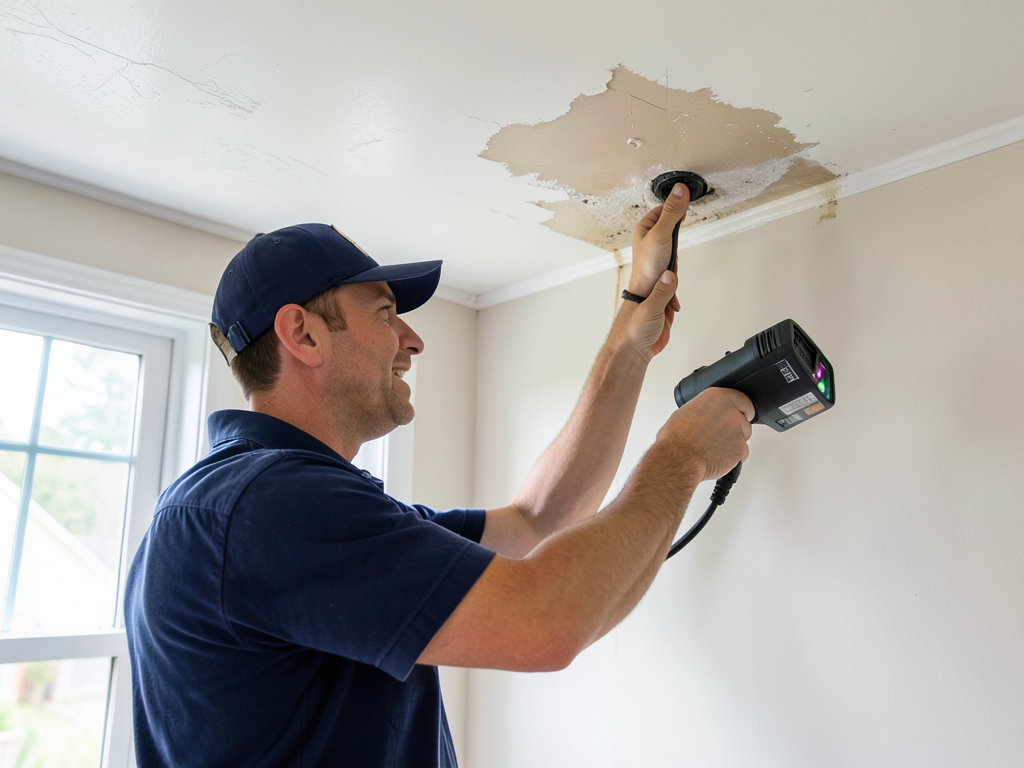
Fixing high indoor humidity levels requires more than running a portable dehumidifier. We use calibrated thermo-hygrometers to measure relative humidity in each room and compare readings against ASHRAE standards. We also deploy infrared thermal imaging cameras to detect temperature differentials that indicate hidden moisture intrusion behind walls and ceilings.

Our technicians inspect crawlspaces and basements for groundwater seepage, failed sump pumps, and inadequate drainage systems. We check for condensation on ductwork, which signals cold surfaces meeting humid air. We examine attic ventilation to ensure hot, moist air can escape rather than condensing on roof sheathing.

We test your HVAC system to verify it cycles frequently enough to remove humidity. Oversized air conditioners cool spaces too quickly without adequate dehumidification. We measure airflow across evaporator coils and check condensate drain lines for blockages that prevent moisture removal.

Once we identify moisture sources, we implement targeted remediation. For basement humidity, we install commercial-grade dehumidifiers with automatic drain pumps and hygrometers that maintain 45% to 50% relative humidity. We encapsulate crawlspaces with 10-mil vapor barriers sealed to foundation walls, blocking soil moisture from entering.

For HVAC-related humidity issues, we recommend supplemental whole-home dehumidifiers integrated into your ductwork. These systems remove moisture before it circulates through living spaces. We also address ventilation deficiencies by installing exhaust fans in bathrooms and kitchens that vent directly outdoors, not into attics.

We apply antimicrobial treatments to surfaces where elevated humidity has already triggered mold growth. We remove water-damaged materials like soaked insulation and warped drywall, replacing them with moisture-resistant alternatives. The goal is permanent moisture control, not temporary symptom relief.

What Happens When You Call Us About Excessive Indoor Moisture

High Indoor Humidity Levels in Cincinnati – Expert Diagnosis and Permanent Moisture Control Solutions
01

Immediate Moisture Assessment

We arrive with professional-grade moisture meters and hygrometers to measure relative humidity levels throughout your property. Our technicians document baseline readings, identify problem zones, and use thermal imaging to locate hidden moisture intrusion points. This diagnostic phase takes 45 to 90 minutes and gives us a complete moisture profile of your home before we recommend any corrective action.
02

Source Identification and Planning

After mapping moisture patterns, we pinpoint contributing factors like poor ventilation, plumbing leaks, foundation cracks, or inadequate dehumidification. We explain which issues create immediate health risks and which ones cause long-term structural damage. You get a written remediation plan that prioritizes urgent fixes and outlines equipment specifications, materials, and realistic timelines. We answer your questions and adjust the plan based on your concerns.
03

Moisture Control Implementation

We install commercial dehumidification equipment, seal moisture entry points, improve ventilation systems, and remove compromised materials. Throughout the process, we monitor humidity levels daily to confirm our interventions work. Before we leave, we verify relative humidity stays consistently below 55% and provide you with maintenance recommendations to prevent future indoor moisture problems. You get documentation of all work performed for insurance and property records.

Why Cincinnati Property Owners Choose Ace Water Damage Restoration Cincinnati

High indoor humidity levels require local expertise. We understand how Cincinnati's climate, soil composition, and housing stock create unique moisture challenges. We know that homes near the Mill Creek and Ohio River face higher groundwater intrusion risks. We recognize that properties in historic districts require moisture solutions that respect architectural integrity while meeting modern building performance standards.

Our technicians train on the specific moisture problems common to Cincinnati basements. We have seen how spring flooding events overwhelm foundation drainage systems and create standing water in crawlspaces. We understand how summer humidity spikes push relative humidity indoors above safe thresholds, even in homes with functioning HVAC systems.

We work directly with local insurance adjusters who handle water damage claims throughout Hamilton County. We document moisture damage thoroughly, photograph affected areas, and provide detailed remediation estimates that meet insurance requirements. This speeds up your claim approval and gets restoration work started faster.

You also get access to commercial-grade dehumidification equipment that most restoration companies do not stock. We own low-grain refrigerant dehumidifiers and desiccant dehumidifiers capable of removing 150 to 200 pints of moisture per day. When your basement floods or a pipe bursts, we deploy this equipment within hours to prevent secondary mold damage.

We follow IICRC S500 water damage restoration standards. Our technicians hold Water Damage Restoration Technician certifications and complete ongoing training in structural drying, psychrometry, and moisture detection. We do not guess about humidity problems. We measure, document, and verify results with calibrated instruments.

Cincinnati homeowners choose us because we fix the problem correctly the first time. We do not sell you unnecessary services or push expensive equipment you do not need. We give you honest assessments, realistic timelines, and proven solutions that keep indoor moisture levels under control permanently.

What to Expect When We Address Your High Indoor Humidity Levels

Response Time and Availability

We answer calls 24 hours a day, seven days a week. Moisture problems do not wait for business hours, and neither do we. When you call about excessive indoor moisture, we schedule an assessment within 24 hours. For emergencies like flooded basements or burst pipes that create immediate humidity spikes, we dispatch technicians within two to four hours. You get same-day service when conditions threaten mold growth or structural damage. We understand that elevated home humidity accelerates damage quickly, so we prioritize rapid response to minimize your losses.

Comprehensive Moisture Evaluation

Our initial assessment includes room-by-room humidity measurements using calibrated hygrometers that provide accurate relative humidity readings. We inspect crawlspaces, basements, attics, and mechanical rooms to identify moisture entry points. We use thermal imaging cameras to detect hidden water damage behind walls and under flooring. You receive a written report documenting current humidity levels, moisture sources, and recommended corrective actions. We explain the health risks associated with elevated indoor moisture and outline realistic timelines for bringing humidity levels back to safe ranges between 30% and 50% relative humidity.

Lasting Humidity Control Results

We deliver permanent moisture control, not temporary fixes. After we complete remediation, your home maintains stable humidity levels between 45% and 50% year-round. You stop seeing condensation on windows, musty odors disappear, and mold growth ceases. We verify results by measuring relative humidity in multiple locations before we consider the job complete. You get documentation showing before and after readings, proof that your indoor moisture problems are resolved. Our solutions protect your property value, improve indoor air quality, and eliminate the health risks associated with excess humidity in house environments.

Ongoing Monitoring and Maintenance

After we stabilize your indoor humidity levels, we provide guidance on maintaining optimal moisture control. We show you how to monitor relative humidity using affordable hygrometers and explain seasonal adjustments needed for Cincinnati's climate. We recommend maintenance schedules for dehumidifiers, HVAC systems, and ventilation equipment. If you experience future humidity spikes, we offer follow-up inspections to identify new moisture sources quickly. We also provide referrals to qualified contractors for foundation waterproofing, HVAC upgrades, and ventilation improvements that complement our moisture control work. You get support beyond the initial restoration project.

Frequently Asked Questions

You Have Questions,
We Have Answers

Is 70% humidity too high for a house? +

Yes, 70% humidity is too high for a house. Indoor humidity should stay between 30% and 50% for comfort and health. In Cincinnati's humid climate, excess moisture at 70% promotes mold growth, dust mites, and structural damage. You will notice condensation on windows, musty odors, and a sticky feeling in the air. High humidity also makes your HVAC system work harder, increasing energy bills. If you consistently see readings above 60%, you need to address the source. This could be poor ventilation, plumbing leaks, or basement moisture intrusion common in older Cincinnati homes.

What happens if indoor humidity is too high? +

High indoor humidity creates a breeding ground for mold, mildew, and dust mites. You will see water stains on ceilings and walls, peeling paint, and warped wood floors. Respiratory issues worsen as airborne spores multiply. Your home feels clammy and smells musty. Condensation forms on windows and pipes, leading to rot in framing and drywall. Cincinnati's older housing stock with limited vapor barriers makes this worse. Structural damage accelerates as wood swells and metal corrodes. Your HVAC system struggles to cool the air, driving up utility costs. Prolonged exposure can trigger asthma and allergies in your family.

Can humidity cause nausea? +

Yes, high humidity can cause nausea. When moisture levels climb above 60%, your body struggles to cool itself through sweat evaporation. This leads to heat exhaustion symptoms like nausea, dizziness, and headaches. You may feel sluggish and fatigued. Mold spores thriving in humid conditions can also trigger nausea in sensitive individuals. Cincinnati's summer humidity combined with poor indoor ventilation creates this problem in many homes. If you feel nauseous indoors but better outside, check your humidity levels. Children and elderly residents are most vulnerable. Address the moisture source quickly to prevent ongoing health issues.

What is an unsafe indoor humidity level? +

Any indoor humidity level above 60% is unsafe and requires immediate action. Readings above 70% create dangerous conditions for mold growth within 24 to 48 hours. You risk respiratory infections, structural damage, and allergen exposure. Safe levels stay between 30% and 50% year-round. Cincinnati homes often see spikes during summer months or after heavy rain events. Basements and crawl spaces are particularly vulnerable. Use a hygrometer to monitor levels in multiple rooms. If you see consistent readings above 55%, investigate sources like foundation cracks, leaking pipes, or inadequate attic ventilation before damage spreads.

Will mold grow at 70 humidity? +

Mold can grow at 70% humidity if conditions persist for 24 to 48 hours. Spores need moisture, organic material, and warmth to colonize. At 70%, you provide the perfect environment. Mold appears on drywall, wood, insulation, and fabrics. Cincinnati's humid summers and older building envelopes accelerate this growth. You will first notice musty odors before seeing visible patches. Black mold, a toxic variety, thrives in these conditions. Once established, mold spreads quickly through HVAC systems and behind walls. Prevention requires keeping humidity below 60%. If you see mold growth, you need professional remediation to address both visible and hidden colonies.

Does opening a window reduce humidity? +

Opening a window can reduce humidity only if outdoor air is drier than indoor air. In Cincinnati's humid summers, this rarely works. You often introduce more moisture from outside. Windows work better during spring and fall when relative humidity drops. You need cross-ventilation with multiple windows open to create airflow. This method fails in basements and during rain events. For consistent humidity control, you need mechanical dehumidification or improved HVAC performance. Exhaust fans in bathrooms and kitchens help remove localized moisture. Opening windows is a temporary fix, not a solution for chronic humidity problems in your home.

Can you get sick if your house is too humid? +

Yes, living in a humid house makes you sick. High moisture levels promote mold, dust mites, and bacteria. You may develop respiratory infections, asthma attacks, and chronic sinus issues. Skin rashes and eye irritation are common. Children and immunocompromised family members face the greatest risk. Cincinnati's aging housing stock often has poor ventilation, trapping humid air inside. You might experience fatigue, difficulty sleeping, and headaches from poor indoor air quality. Mold spores trigger allergic reactions even if you cannot see growth. Prolonged exposure weakens your immune system. Address high humidity immediately to protect your family's health.

Do dehumidifiers really work for humidity? +

Yes, dehumidifiers work when sized correctly for your space. A quality unit removes moisture from the air, maintaining levels between 30% and 50%. You need capacity measured in pints per day based on room size and humidity severity. Basement units often require 50 to 70 pints for Cincinnati's damp conditions. Empty the reservoir regularly or install a drain hose for continuous operation. Dehumidifiers address symptoms but not root causes like foundation leaks or poor ventilation. Pair them with source repairs for lasting results. Energy-efficient models with humidistats automatically cycle on and off, preventing over-drying while controlling moisture.

How do you fix high humidity in your house? +

Fix high humidity by identifying the moisture source first. Check for plumbing leaks, foundation cracks, and crawl space dampness common in Cincinnati homes. Run exhaust fans during showers and cooking. Install a whole-home dehumidifier on your HVAC system for consistent control. Seal air leaks in your building envelope to prevent humid outdoor air infiltration. Improve attic ventilation to reduce condensation. Clean gutters and grade soil away from your foundation. Use vapor barriers in crawl spaces. For severe cases, you may need professional moisture remediation. Monitor levels with a hygrometer and maintain settings between 30% and 50% year-round.

What are the symptoms of humidity sickness? +

Humidity sickness symptoms include respiratory distress, persistent coughing, and wheezing. You may feel fatigued, dizzy, or nauseous in your own home. Headaches and sinus congestion worsen indoors. Skin irritation, rashes, and eye burning are common reactions to mold exposure. You might notice difficulty concentrating or sleeping. Cincinnati residents often mistake these symptoms for seasonal allergies. If symptoms improve when you leave the house, high humidity is the culprit. Children may develop frequent respiratory infections. Chronic exposure can trigger asthma in previously healthy individuals. Monitor indoor humidity levels and address sources immediately to prevent long-term health impacts.

How Cincinnati's Ohio River Valley Climate Creates Persistent Indoor Moisture Problems

Cincinnati's location in the Ohio River Valley creates a humidity trap during summer months. Warm, moist air masses from the Gulf of Mexico stall over the region, pushing outdoor humidity above 80% for days. This humid air infiltrates homes through foundation vents, attic openings, and poorly sealed windows. The temperature differential between air-conditioned interiors and hot, humid exteriors causes condensation on cold surfaces like basement walls, ductwork, and plumbing pipes. Older Cincinnati neighborhoods with historic homes built before modern moisture barriers face even greater challenges because these structures lack vapor retarders in crawlspaces and walls.

Ace Water Damage Restoration Cincinnati has mitigated indoor moisture problems across Hamilton County for years. We understand local construction methods, soil conditions, and climate patterns that contribute to elevated home humidity. Our technicians work with building inspectors familiar with Cincinnati's residential code requirements for ventilation and moisture control. We source commercial dehumidification equipment from local suppliers, ensuring rapid deployment when you need immediate humidity reduction. Choosing a local restoration company means you get technicians who recognize Cincinnati-specific moisture challenges and implement solutions proven effective in this climate zone.

Water Damage Restoration Services in The Cincinnati Area

We are proud to serve the entire Cincinnati area, providing expert water damage restoration services wherever and whenever they are needed. We understand the unique challenges our local community faces and are committed to being there for our neighbors. View our service area on the map to see how we can assist you, or simply give us a call for immediate dispatch to your location.

Address:
Ace Water Damage Restoration Cincinnati, 1507 Dana Ave, Cincinnati, OH, 45207

Additional Services We Offer

Our news updates

Latest Articles & News from The Blogs

Finding the Source of a Slab Leak in Your Mack Home Slab leaks in Mack OH homes are more than…

Finding the Source of a Slab Leak in Your Mack Home

Finding the Source of a Slab Leak in Your Mack Home Slab leaks in Mack OH homes are more than…

What to Do When Your Water Heater Bursts in Madisonville

Emergency Water Heater Burst Cleanup in Madisonville, Cincinnati \n\n A water heater burst in Madisonville creates immediate flooding that can…

Salvaging Important Paper Documents and Photos After an Amberley Village Flood

Salvaging Important Paper Documents and Photos After an Amberley Village Flood When floodwaters rush through Amberley Village basements, the damage…

Contact Us

High indoor humidity levels destroy your home and threaten your health. Call Ace Water Damage Restoration Cincinnati now at (513) 717-2522. We provide same-day moisture assessments and fast humidity control solutions that protect your property and family.