


Menu

Retail Store Water Cleanup in Cincinnati – Minimize Downtime and Protect Revenue

Industrial-grade commercial retail water extraction and shop water damage mitigation engineered to restore operations fast while meeting Ohio building codes and protecting your bottom line.

Slider Image 1
Slider Image 2
Slider Image 3
Slider Image 4
Slider Image 5
Slider Image 7
Slider Image 8
Slider Image 9
Slider Image 10
Slider Image 11

Water Events in Retail Spaces Cost More Than Inventory

A pipe burst at 3 a.m. in your Cincinnati retail location does not just soak floors. It halts revenue, triggers lease violations, and exposes you to liability. Every hour your store stays closed, you lose sales, payroll continues, and lease obligations compound.

Cincinnati's freeze-thaw cycles stress aging plumbing in older commercial buildings, particularly in Over-the-Rhine and downtown storefronts where infrastructure dates back decades. When temperatures drop below freezing for days and then spike above 40 degrees, pipes expand and contract. The result is sudden failures in supply lines, HVAC condensate drains, and sprinkler systems.

Retail water damage restoration requires different protocols than residential work. You face inventory loss, point-of-sale system damage, and code compliance issues. Store flood cleanup services must address contamination risks from merchandise returns, food products, or restroom backups. Commercial retail water extraction demands higher CFM air movers, desiccant dehumidifiers for climate control, and antimicrobial treatments for high-traffic surfaces.

Your insurance adjuster will document every delay. Your landlord will enforce lease terms around water mitigation response times. Your customers will shop elsewhere if you stay dark for a week. Shop water damage mitigation is not about drying floors. It is about preserving business continuity, minimizing loss claims, and protecting your lease standing. Retail water remediation requires containment strategies that allow partial operations while restoration proceeds. You need a team that understands the difference between residential carpet drying and commercial inventory salvage under time pressure.

Water Events in Retail Spaces Cost More Than Inventory
Commercial Water Extraction Built for Business Operations

Commercial Water Extraction Built for Business Operations

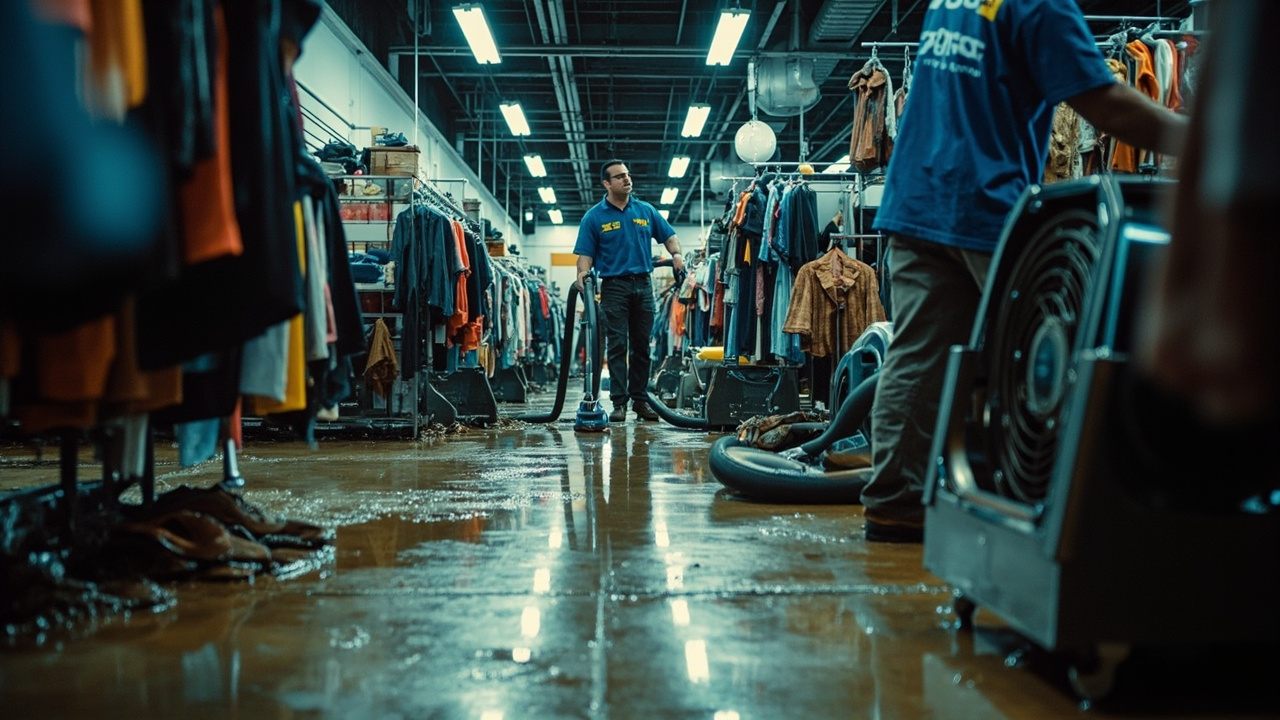
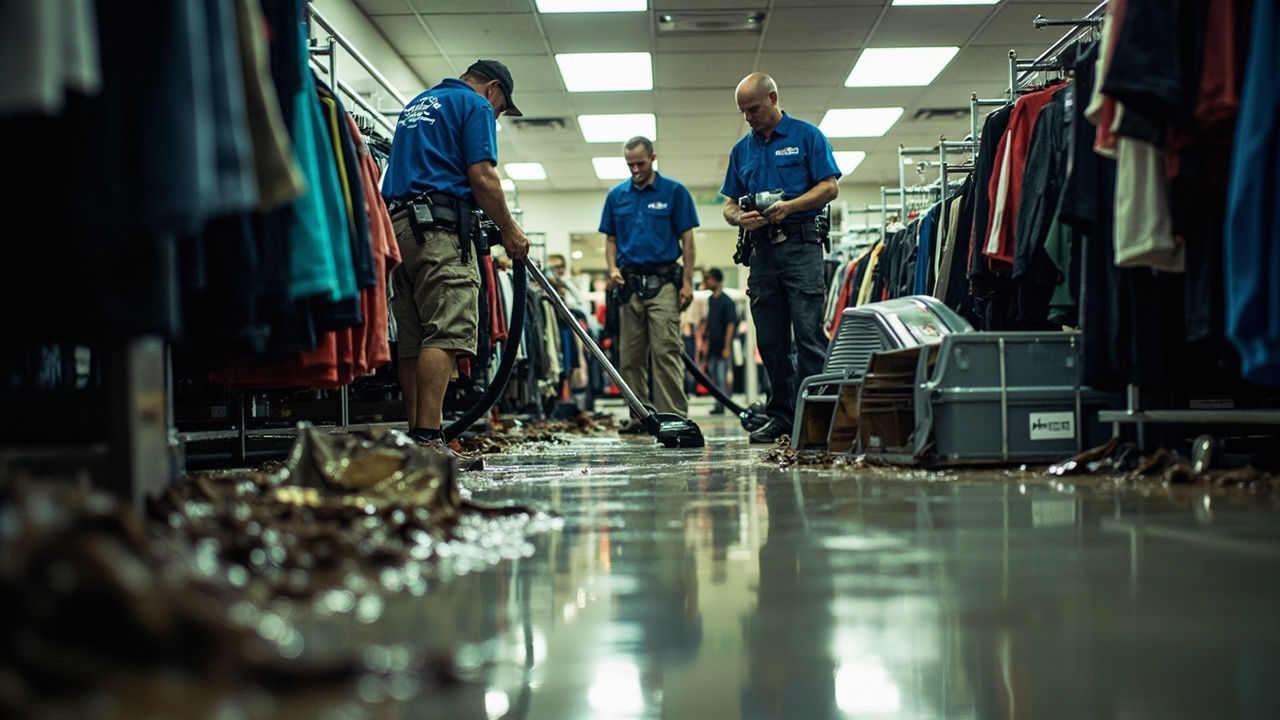
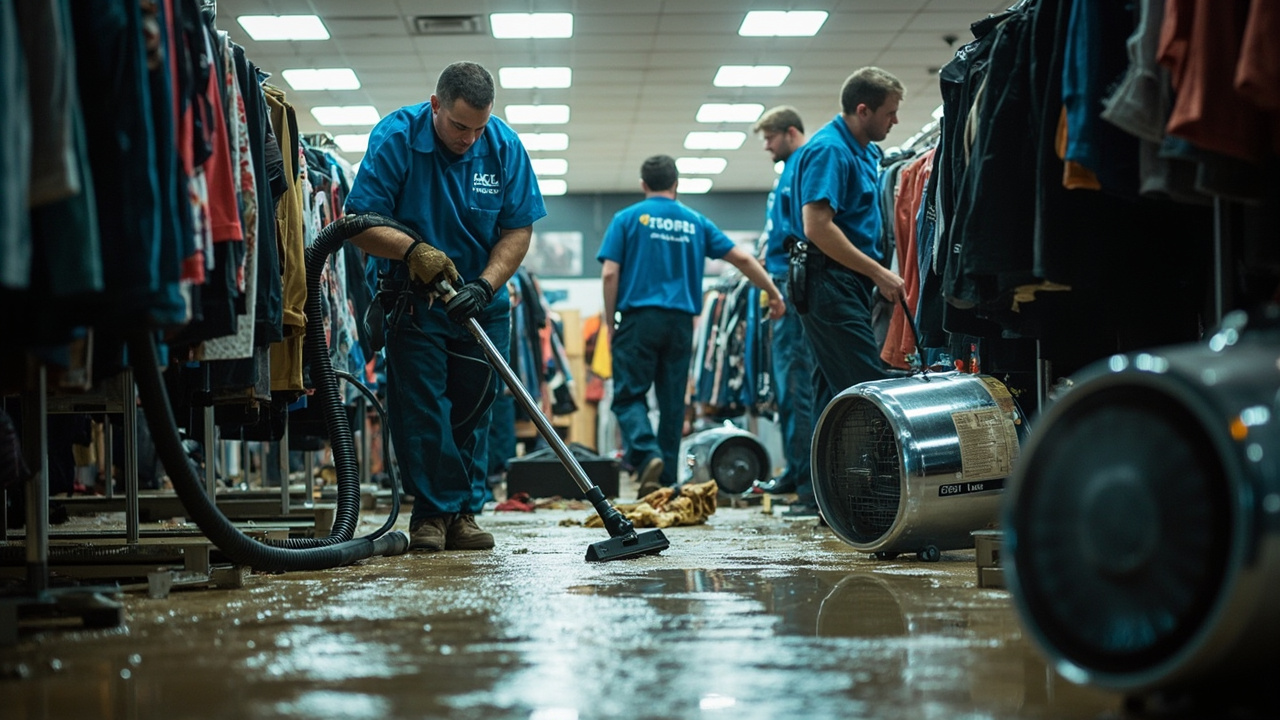
Ace Water Damage Restoration Cincinnati uses truck-mounted extraction units that pull 200 gallons per minute from flooded retail spaces. Portable equipment cannot match that throughput. We deploy commercial-grade air movers rated at 3,000 CFM to create negative air pressure zones, preventing cross-contamination between affected and dry areas. This allows you to keep portions of your store operational while we work.

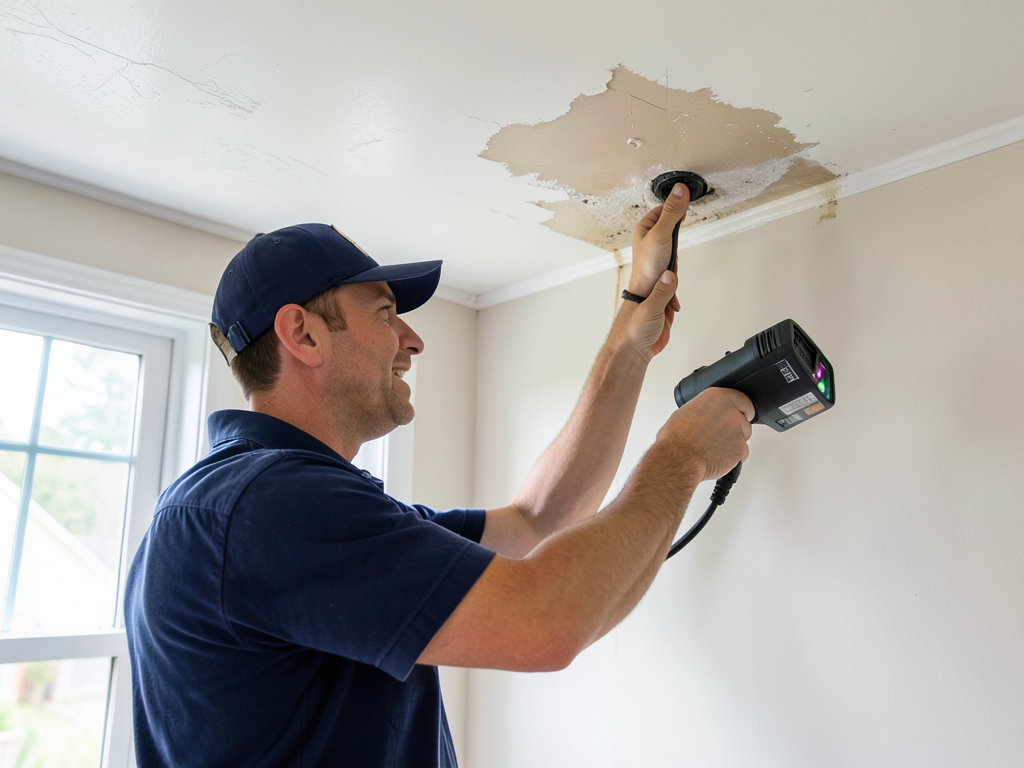
We map moisture intrusion using thermal imaging cameras to identify hidden water in drywall cavities, under fixtures, and behind displays. Moisture meters confirm material saturation levels. We do not guess. We document everything for your insurance claim and provide daily moisture readings so you can track progress.

Our containment barriers use polyethylene sheeting and zippered access points to isolate work zones. You can continue selling in unaffected sections while we extract water, remove damaged materials, and dry structural components. We coordinate with your HVAC contractor to prevent mold spore distribution through duct systems during the drying process.

We handle inventory documentation for your insurance adjuster. We photograph damaged goods, log SKU numbers, and separate salvageable merchandise from total losses. Our team understands depreciation schedules and replacement cost versus actual cash value. We work with your adjuster to substantiate claims, not inflate them.

After extraction, we apply antimicrobial treatments to all affected surfaces using EPA-registered disinfectants. High-traffic retail environments require pathogen control. We treat floors, walls, and fixtures to prevent bacterial growth and eliminate odors before reinstallation begins. Our drying protocols meet IICRC S500 standards for commercial water damage restoration, which most residential contractors ignore.

How We Execute Retail Store Water Cleanup

Retail Store Water Cleanup in Cincinnati – Minimize Downtime and Protect Revenue
01

Emergency Assessment and Containment

We arrive within 90 minutes to assess source control and begin water extraction. Our team identifies the failure point, stops active water flow, and establishes containment zones to protect unaffected inventory. We document pre-loss conditions with photography and moisture mapping. You receive an initial scope of work within two hours so you can notify your insurance carrier and landlord immediately.
02

High-Volume Extraction and Drying

Truck-mounted pumps remove standing water while our crew pulls saturated baseboards, damaged drywall, and compromised flooring. We stage desiccant dehumidifiers and air movers to create controlled drying conditions. Thermal imaging tracks moisture migration. We monitor humidity levels every six hours and adjust equipment placement to maximize drying efficiency. You get daily progress reports with moisture readings and estimated completion timelines.
03

Sanitization and Rebuild Coordination

Once all materials reach dry standards, we apply antimicrobial treatments and begin reconstruction. We coordinate with your contractors, electricians, and HVAC technicians to restore fixtures, flooring, and displays. Our team works nights and weekends to minimize operational disruption. Final walkthrough includes moisture verification testing and documentation for your certificate of occupancy if required by Cincinnati's Department of Buildings and Inspections.

Why Cincinnati Retailers Choose Ace Water Damage Restoration Cincinnati

We understand Ohio commercial lease terms and how water damage triggers force majeure clauses. Most residential restoration companies do not grasp the urgency of lease compliance or the liability exposure you face when water migrates to adjacent tenant spaces. We have worked with property management firms throughout Cincinnati, from Kenwood Towne Centre to Rookwood Commons, and we know how to navigate landlord notification requirements and insurance coordination.

Our team holds IICRC certifications in commercial water damage restoration and applied structural drying. We are not generalists. We specialize in retail environments where drying timelines directly impact revenue. We have restored everything from boutique clothing stores in Hyde Park to grocery chains in Westwood, and we know the difference between drying hardwood floors under clothing racks versus extracting water from refrigerated display cases in produce sections.

We carry commercial liability insurance that meets most Cincinnati landlord requirements, including Hamilton County commercial property standards. Your lease probably mandates specific insurance coverage from contractors working on the premises. We provide certificates of insurance within hours, not days. We also understand Ohio building codes for commercial occupancy and coordinate inspections with the city when structural repairs require permits.

We work directly with your insurance adjuster to document losses, substantiate claims, and expedite payment. We have processed hundreds of commercial water damage claims through Cincinnati-based carriers and understand how to present documentation that reduces disputes and speeds settlements. You get detailed line-item estimates, moisture logs, and photographic evidence that supports your claim without unnecessary back-and-forth.

What to Expect During Retail Water Cleanup

Rapid Response and Operational Continuity

We mobilize within 90 minutes of your call, arriving with truck-mounted extraction equipment and containment materials. Our goal is to establish partial operations within 24 hours for unaffected sections of your store. Most retail water extraction projects take three to seven days for complete drying, depending on the extent of saturation and materials involved. We work around your business hours when possible, staging equipment after close and monitoring remotely overnight. You receive text updates every morning with moisture readings and projected completion dates. We do not leave your store until all materials test dry and antimicrobial treatments are complete.

Comprehensive Damage Assessment and Documentation

Our initial assessment includes thermal imaging of all affected areas, moisture meter readings at 12-inch intervals, and photographic documentation of pre-loss conditions. We identify hidden moisture in wall cavities, under fixtures, and behind displays that standard inspections miss. You receive a written scope of work within two hours that outlines extraction procedures, drying timelines, and material removal requirements. We inventory damaged goods with SKU numbers and replacement costs for your insurance claim. Our documentation meets Ohio Department of Insurance standards and includes moisture maps, equipment logs, and daily progress reports that adjusters require for claim approval.

Certified Drying and Antimicrobial Treatment

We do not rely on airflow alone. Our drying protocols use psychrometric calculations to determine optimal temperature, humidity, and air movement for your specific materials. Hardwood floors require different drying parameters than concrete or vinyl composite tile. We monitor grain moisture content in wood fixtures and relative humidity in enclosed spaces to prevent secondary damage like warping or delamination. After drying, we apply EPA-registered antimicrobial treatments to all affected surfaces, including subfloors, walls, and fixtures. High-traffic retail environments demand pathogen control. We treat for bacteria, mold spores, and odor-causing microorganisms before any reconstruction begins.

Post-Restoration Verification and Compliance

Final verification includes moisture testing all materials to confirm they meet industry dry standards before we release the space. You receive a certificate of completion with final moisture readings and photographic evidence of restored conditions. If reconstruction required permits from Cincinnati's Department of Buildings and Inspections, we coordinate final inspections and provide documentation for your certificate of occupancy. We also provide a post-restoration checklist for your facilities team, outlining maintenance procedures to prevent future water intrusion. Follow-up moisture checks at 30 and 60 days ensure no hidden moisture remains that could trigger mold growth after we leave.

Frequently Asked Questions

You Have Questions,
We Have Answers

How much does a water restoration company charge? +

Retail water restoration costs vary based on damage extent, square footage affected, and contamination level. You can expect charges for emergency water extraction, structural drying, antimicrobial treatment, and equipment rental. Most companies bill by category of water damage: clean water (Category 1) costs less than gray water (Category 2) or sewage (Category 3). Cincinnati's older retail buildings often require additional structural assessment due to brick construction and basement flooding risks. Commercial projects typically involve after-hours work to minimize business interruption. Request an itemized estimate that separates water removal, drying, and restoration phases to understand your total investment.

How to clean up large amounts of water? +

Large-scale water cleanup requires commercial-grade extraction equipment and a systematic approach. Start by stopping the water source immediately. Deploy truck-mounted extractors and portable pumps to remove standing water quickly. Position industrial air movers and dehumidifiers to dry affected areas within 48 hours, preventing mold colonization. Document everything for insurance and liability purposes. In Cincinnati retail spaces, prioritize inventory protection and customer areas. Remove wet materials like drywall and insulation if saturated beyond 24 hours. Professional teams use moisture meters to track drying progress in walls and floors. Speed matters for business continuity and preventing secondary damage.

What kills mold after a water leak? +

EPA-registered antimicrobial agents effectively kill mold after water damage. Professional remediation uses specific solutions based on surface type and contamination level. Porous materials like drywall and insulation often require removal rather than treatment. Non-porous surfaces respond to commercial-grade disinfectants containing quaternary ammonium compounds or hydrogen peroxide. Cincinnati's humidity creates ideal mold conditions, making rapid treatment critical. HEPA filtration during cleanup prevents airborne spore spread to unaffected areas. Retail environments need safe, odorless solutions that allow quick reopening. Simply killing visible mold is insufficient. You must address moisture sources and ensure complete structural drying to prevent regrowth.

What is the average insurance payout for water damage? +

Commercial water damage payouts vary significantly based on policy limits, deductibles, and damage classification. Business policies typically cover sudden and accidental discharge but exclude gradual leaks or maintenance failures. Category 3 contamination (sewage) often triggers higher payouts due to health hazards and inventory loss. Cincinnati businesses should review business interruption coverage, which compensates for lost revenue during repairs. Retail claims average between policy deductible and coverage caps, depending on structural damage, inventory replacement, and code compliance upgrades. Document everything immediately with photos and professional assessments. Your adjuster evaluates actual cash value versus replacement cost when determining final payout amounts.

Do you need a license for water restoration? +

Ohio requires water restoration contractors to maintain proper business licensing and insurance but does not mandate a specific state restoration license. However, professional certification through IICRC demonstrates technical competency in water damage restoration. Commercial projects in Cincinnati often require general contractor licensing if structural repairs exceed basic extraction and drying. Legitimate restoration companies carry liability insurance and workers compensation coverage. Verify your contractor holds appropriate business registration through Ohio Secretary of State. For retail properties, confirm they understand commercial building codes and health department requirements. Proper credentials protect your business from liability if restoration work fails or causes additional damage.

Does insurance pay for water restoration? +

Commercial property insurance typically covers sudden and accidental water damage, including pipe bursts, sprinkler malfunctions, and roof leaks. Policies usually pay for both structural restoration and business interruption losses. Gradual damage from deferred maintenance, foundation seepage, or repeated leaks often faces denial. Cincinnati retail properties need specific endorsements for sewer backup and flood coverage, as standard policies exclude these perils. Your carrier evaluates contamination category, damage origin, and policy exclusions before approving claims. Submit professional documentation immediately to strengthen your claim. Restoration companies often work directly with adjusters to expedite approval and minimize your out-of-pocket costs.

How to purify 100 gallons of water? +

This question addresses potable water treatment, not commercial water damage restoration. Retail water cleanup involves extracting contaminated water from buildings, not purifying it for consumption. Professional restoration focuses on removing water, drying structures, and preventing microbial growth. If your Cincinnati retail space experienced flooding requiring large-volume water treatment for reuse, consult industrial water treatment specialists. Restoration companies handle structural drying and decontamination using commercial dehumidifiers, extractors, and antimicrobial agents. For drinking water system restoration after contamination, contact licensed plumbers and water quality specialists who perform bacteriological testing and system sanitization per health department standards.

How much money is needed to clean the water? +

Water damage restoration costs depend on contamination category, affected square footage, materials involved, and required drying time. Emergency extraction and initial mitigation represent the smallest portion. Structural drying, dehumidification, and antimicrobial treatment drive costs higher. Retail spaces require specialized equipment and after-hours scheduling to minimize business disruption. Cincinnati's climate demands aggressive moisture control due to humidity. Category 3 contamination requires complete removal of porous materials and intensive disinfection. Budget for documentation, testing, and potential code compliance upgrades. Most commercial projects require professional assessment before accurate estimates. Insurance coverage significantly impacts your final out-of-pocket expense. Delaying restoration increases total costs exponentially.

How to get rid of a lot of water fast? +

Rapid water removal requires truck-mounted extraction equipment and portable submersible pumps capable of moving hundreds of gallons per minute. Professional teams deploy multiple extraction units simultaneously across affected areas. Use wet vacuums for residual moisture in carpets and tight spaces. Cincinnati retail spaces benefit from coordinated extraction that protects merchandise and fixtures. Position water away from building foundations and storm drains per local codes. After extraction, industrial air movers and dehumidifiers accelerate evaporation and prevent secondary damage. Speed matters for business continuity and mold prevention. Professional equipment removes water 50 times faster than shop vacuums, minimizing downtime and structural damage.

What are the 10 warning signs of mold toxicity? +

Mold toxicity symptoms include persistent respiratory issues, chronic fatigue, difficulty concentrating, headaches, skin irritation, sinus congestion, eye irritation, persistent cough, joint pain, and digestive problems. Commercial properties risk employee health complaints and liability exposure. Cincinnati's humidity accelerates mold growth after water damage. Retail managers must recognize these symptoms in staff and address moisture problems immediately. Professional air quality testing identifies mold species and spore concentrations. Visible mold represents a fraction of total contamination. If multiple employees report similar symptoms after water damage, evacuate affected areas and hire certified remediation specialists. Document everything for workers compensation and liability protection.

How Cincinnati's Aging Commercial Infrastructure Increases Water Damage Risk for Retailers

Cincinnati's commercial retail districts include buildings constructed between 1880 and 1950, particularly in Over-the-Rhine, downtown, and older suburban corridors like Montgomery Road and Colerain Avenue. These structures house cast iron supply lines, galvanized steel drains, and outdated sprinkler systems that fail without warning. When freeze-thaw cycles hit, pipe joints crack, and retailers wake up to flooded sales floors. The city's topography, built on hillsides above the Ohio River basin, also creates hydrostatic pressure issues in below-grade storage areas. Retail water damage restoration in Cincinnati requires understanding how old infrastructure and local geography combine to create sudden water intrusion events that newer markets rarely see.

Cincinnati's commercial property owners face strict lease terms around water damage response times, often requiring mitigation within 24 hours to avoid default provisions. The city's Department of Buildings and Inspections enforces Chapter 1113 of the Cincinnati Municipal Code for commercial occupancy, which mandates structural inspections after significant water events. Local restoration contractors familiar with these requirements can expedite permit processes and coordinate inspections efficiently. Choosing a Cincinnati-based team for retail store water cleanup means working with professionals who already have relationships with local building inspectors, insurance adjusters, and property management firms throughout Hamilton County. That local knowledge reduces delays and keeps your business compliant during recovery.
Water Damage Restoration Services in The Cincinnati Area

We are proud to serve the entire Cincinnati area, providing expert water damage restoration services wherever and whenever they are needed. We understand the unique challenges our local community faces and are committed to being there for our neighbors. View our service area on the map to see how we can assist you, or simply give us a call for immediate dispatch to your location.

Address:
Ace Water Damage Restoration Cincinnati, 1507 Dana Ave, Cincinnati, OH, 45207

Additional Services We Offer

Our news updates

Latest Articles & News from The Blogs

Finding the Source of a Slab Leak in Your Mack Home Slab leaks in Mack OH homes are more than…

Finding the Source of a Slab Leak in Your Mack Home

Finding the Source of a Slab Leak in Your Mack Home Slab leaks in Mack OH homes are more than…

What to Do When Your Water Heater Bursts in Madisonville

Emergency Water Heater Burst Cleanup in Madisonville, Cincinnati \n\n A water heater burst in Madisonville creates immediate flooding that can…

Salvaging Important Paper Documents and Photos After an Amberley Village Flood

Salvaging Important Paper Documents and Photos After an Amberley Village Flood When floodwaters rush through Amberley Village basements, the damage…

Contact Us

Every hour of delay increases your loss. Call (513) 717-2522 now for emergency retail water extraction in Cincinnati. Our team mobilizes within 90 minutes with commercial-grade equipment to minimize downtime and preserve your revenue.