




Blue Ash sits in the Little Miami River watershed where clay soil creates unique drainage challenges. The high clay content prevents proper water absorption, directing runoff toward foundations and creating hydrostatic pressure against basement walls. Homes near Summit Park and the neighborhoods surrounding Kenwood Plaza face additional risk from aging storm sewers that backup during heavy rainfall events common to Southwest Ohio.
The region experiences dramatic temperature swings that stress plumbing systems. Winter freeze-thaw cycles crack pipes in crawlspaces and attics. Spring brings severe thunderstorms that dump inches of rain in hours, overwhelming gutters and foundation drains. Summer humidity accelerates mold growth in any space that stays damp for more than 48 hours.
Properties in established neighborhoods like Carrington Woods and areas near Reed Hartman Highway contain original plumbing from the 1970s and 1980s. These galvanized pipes corrode from the inside, leading to sudden failures that flood finished basements without warning. Water heaters installed in upper floors create catastrophic damage when they fail. The combination of clay soil drainage issues, aging infrastructure, and extreme weather makes professional water extraction and structural drying essential for protecting Blue Ash homes from permanent damage and dangerous mold contamination.
We maintain emergency response vehicles stationed throughout Hamilton County to reach Blue Ash properties in under an hour. When water floods your home, the clock starts immediately. Drywall wicks moisture upward at alarming rates. Hardwood floors cup and buckle within hours. Furniture finishes delaminate. Our rapid response stops this cascade of destruction before it becomes permanent.
Our technicians hold IICRC certifications in water damage restoration and applied structural drying. This is not basic cleanup. We use thermal imaging cameras to find hidden moisture in wall cavities and under flooring. Our truck-mounted extraction units remove thousands of gallons per hour. We deploy commercial-grade dehumidifiers and air movers in configurations designed for your specific floor plan and damage pattern. Every job follows strict protocols that satisfy insurance requirements and prevent future mold issues.
We document everything for your insurance claim. Our estimators photograph damage, measure moisture levels with calibrated meters, and create detailed scope reports that adjusters accept without argument. We know what AllState, State Farm, and Nationwide require. We handle the paperwork while you focus on your family. Most homeowners pay only their deductible.
Blue Ash families call us because we answer the phone at 2 AM when pipes burst. We show up fast, work clean, and restore properties to pre-loss condition. We have restored hundreds of homes throughout Hamilton County. Our work protects your biggest investment and keeps your family safe from contaminated water and hidden mold growth.

Emergency crews dispatch immediately from our Hamilton County staging locations. We arrive with truck-mounted extraction equipment and begin water removal within the first hour. Fast response prevents secondary damage that turns a manageable cleanup into a major reconstruction project. Every minute we save protects your property value.

We work directly with your insurance carrier to document damage and submit claims. Our estimates meet adjuster standards for scope and pricing. We handle all paperwork and follow up to get your claim approved fast. Most Blue Ash homeowners pay only their policy deductible for complete restoration.
Our restoration specialists complete rigorous training in water damage restoration and applied structural drying. We follow industry protocols that prevent mold growth and structural damage. Certified technicians use thermal imaging and moisture meters to find hidden water that basic cleanup misses. This expertise protects your home from long-term problems.
We know Blue Ash properties and the unique challenges they face. We understand local soil conditions, common plumbing issues in neighborhoods like Carrington Woods, and how storm water affects homes near Summit Park. Local knowledge means faster diagnosis and better solutions for your specific situation.
Ace Water Damage Restoration Cincinnati provides comprehensive emergency response for every type of water intrusion. We handle everything from burst pipes in finished basements to storm flooding that affects entire neighborhoods. Our services include emergency water extraction, structural drying, sewage cleanup, mold remediation, and complete reconstruction.
We respond to residential and commercial properties throughout Blue Ash with the right equipment for your specific damage. Truck-mounted extraction units remove standing water in minutes. Commercial dehumidifiers and air movers create optimal drying conditions. Thermal imaging cameras locate moisture hidden behind walls and under flooring. Hydroxyl generators eliminate odors without toxic chemicals.
Every water damage event is different. Basement flooding requires different techniques than second-floor bathroom leaks. Clean water from supply lines needs different protocols than contaminated water from sewage backups. We categorize damage by water source and contamination level, then deploy the appropriate equipment and procedures. Our technicians adjust their approach based on building materials, extent of saturation, and time elapsed since the initial damage occurred. This systematic methodology ensures complete moisture removal and prevents secondary damage that appears weeks or months after the initial event. Blue Ash property owners get professional restoration that protects their investment and keeps their families safe.
Immediate response to flooded basements, burst pipes, and appliance failures throughout Blue Ash. Our truck-mounted extraction units remove thousands of gallons per hour from carpets, hardwood floors, and concrete slabs. We deploy commercial air movers and dehumidifiers to prevent secondary damage to drywall, insulation, and structural components. Emergency water removal stops the damage cascade that destroys furnishings, electronics, and building materials. We work around the clock until your property is stabilized and drying properly.
Advanced drying systems remove moisture from wall cavities, subfloors, and building materials that simple cleanup misses. We use thermal imaging to map moisture migration patterns and place equipment for maximum efficiency. Certified technicians monitor moisture levels daily with calibrated meters until materials return to normal dry standards. This prevents mold growth, wood rot, and structural damage that appears months after water intrusion. Professional structural drying protects your investment and satisfies insurance requirements.
Specialized response to sewage backups, toilet overflows, and contaminated floodwater containing dangerous bacteria and pathogens. Our technicians follow strict safety protocols with protective equipment and EPA-registered antimicrobial treatments. We remove contaminated materials, disinfect affected surfaces, and eliminate health hazards that threaten your family. Sewage cleanup requires immediate professional intervention to prevent illness and permanent contamination. We restore safe, clean conditions while handling all biohazard disposal according to Ohio regulations.
Blue Ash homeowners face predictable water damage patterns tied to local conditions and housing characteristics. Properties in established neighborhoods contain aging plumbing systems that fail without warning. Spring storms overwhelm drainage systems designed decades ago for lighter rainfall. Winter freezes burst pipes in attics and crawlspaces. Recognizing these common scenarios helps property owners respond fast when disaster strikes.
The combination of clay soil and aging infrastructure creates perfect conditions for basement flooding. Storm sewers backup during heavy rainfall, sending contaminated water into finished lower levels. Sump pumps fail during power outages that coincide with the worst weather. Foundation cracks allow groundwater intrusion that appears as mysterious dampness or active seepage. These issues affect homes throughout Blue Ash but hit older neighborhoods particularly hard.
Homeowners often discover water damage too late. A small leak behind a washing machine soaks drywall for weeks before someone notices the musty smell. A slow toilet leak saturates subfloors until the ceiling below collapses. A pinhole leak in copper piping sprays water inside walls for months. By the time the problem becomes visible, extensive damage has already occurred. Understanding common failure points helps property owners catch problems early and minimize damage when prevention fails.
Heavy rainfall overwhelms Blue Ash storm sewers and foundation drainage systems. Water backs up through floor drains or seeps through foundation cracks, flooding finished basements in minutes. Clay soil prevents proper absorption, directing runoff toward vulnerable below-grade spaces. Immediate extraction prevents permanent damage to drywall, carpeting, and stored belongings while stopping dangerous mold contamination.
Ohio winter temperatures cause pipes in attics, crawlspaces, and exterior walls to freeze and burst. When ice thaws, water floods multiple rooms before homeowners discover the damage. Burst pipes release hundreds of gallons under pressure, saturating insulation, drywall, and flooring throughout the structure. Fast response limits damage and prevents secondary issues like ceiling collapse and electrical hazards.
Most Blue Ash homes contain water heaters near the end of their 10-year lifespan. Tank failures release 40 to 80 gallons instantly. Water heaters in upper floors or finished spaces cause catastrophic damage as water migrates through ceilings and walls. Corroded tanks and failed pressure relief valves flood garages, utility rooms, and living spaces without warning.
Small leaks behind walls, under floors, and in ceiling cavities cause extensive damage before homeowners notice problems. Pinhole leaks in copper pipes, failed washing machine hoses, and toilet seal failures saturate building materials for weeks or months. By the time musty odors or visible stains appear, mold has colonized and structural damage requires major repairs.
Water damage creates panic. Your home is flooding. Your possessions are soaking. You need help now. When you call our emergency line, you reach a live person who dispatches a crew immediately. No voicemail. No waiting until morning. We answer 24/7 because water damage does not respect business hours.
Our response begins with a phone assessment. We ask targeted questions about the water source, affected areas, and safety concerns. This helps us bring the right equipment and prepare for your specific situation. We provide a realistic arrival time and call if we hit delays. Most Blue Ash properties receive service within 60 minutes of your initial call.
When our crew arrives, they assess the damage and explain the restoration process. You get a clear explanation of what needs to happen and why. We walk you through insurance requirements and documentation. Our technicians start water extraction immediately while explaining each step. You will not get surprises or pressure tactics. We focus on stopping damage and restoring your property to pre-loss condition. Our goal is to reduce your stress while protecting your home from permanent damage and contamination.
Your call triggers immediate dispatch of emergency crews equipped for your specific damage type. We arrive with truck-mounted extraction equipment, thermal imaging cameras, and moisture detection meters. Our technicians assess the water source, measure the extent of saturation, and identify safety hazards like electrical risks or structural concerns. You receive a clear explanation of the damage and our recommended action plan. We start water removal immediately while documenting everything for your insurance claim.
Structural drying requires constant monitoring and adjustment. Our technicians visit daily to measure moisture levels in affected materials with calibrated meters. We document progress with detailed logs that satisfy insurance requirements. Equipment gets repositioned for optimal airflow as materials dry. Dehumidifiers are emptied and serviced. You receive updates on drying progress and realistic timelines for restoration completion. This attention prevents mold growth and ensures thorough moisture removal.
Once materials reach dry standards, we remove drying equipment and begin reconstruction if needed. Damaged drywall gets replaced. Flooring is reinstalled. Paint matches existing finishes. Our final moisture verification ensures no hidden dampness remains. You receive documentation showing your property meets industry standards for complete drying. We do not consider a job finished until your home is fully restored and you are completely satisfied with the results.
Every water damage restoration follows a proven sequence that stops damage, removes moisture, and restores your property. This systematic approach ensures nothing gets missed and prevents problems that appear weeks after the initial damage.
Our crew arrives with truck-mounted extraction units capable of removing thousands of gallons per hour. We extract standing water from carpets, hardwood floors, tile, and concrete. Technicians move furniture to protected areas and remove soaked materials that cannot be saved. Thermal imaging cameras identify water migration patterns behind walls and under flooring. This initial extraction stops the damage cascade and prepares your property for structural drying.
Commercial dehumidifiers and air movers create optimal drying conditions throughout affected areas. We position equipment based on moisture readings and building layout for maximum efficiency. Technicians visit daily to monitor progress with calibrated moisture meters. Detailed logs document drying rates and equipment performance. This phase continues until all building materials return to normal dry standards. Proper structural drying prevents mold growth and permanent damage to your home.
After materials reach dry standards verified by moisture testing, we remove equipment and begin repairs. Damaged drywall gets replaced and finished to match existing surfaces. Flooring is reinstalled. Trim and baseboards go back in place. Final verification confirms no moisture remains in building cavities or materials. You receive complete documentation showing your property meets industry restoration standards and is ready for occupancy.
Professional water damage restoration follows strict protocols established by the Institute of Inspection Cleaning and Restoration Certification. These industry standards define proper procedures for water extraction, structural drying, and contamination control. Insurance companies require IICRC compliance for claim approval. Homeowners benefit from proven methods that prevent secondary damage and protect property value.
Water damage gets classified into three categories based on contamination level. Category 1 involves clean water from supply lines. Category 2 contains some contamination from washing machines or dishwashers. Category 3 includes sewage and grossly contaminated water that poses serious health risks. Each category requires different handling procedures and safety equipment. Misidentifying water category leads to inadequate cleanup and dangerous conditions.
Materials are classified by how easily they absorb water. Class 1 affects materials with low absorption like concrete. Class 2 involves fast-evaporating materials and affects entire rooms. Class 3 means water comes from above, saturating walls and ceilings. Class 4 indicates specialty drying situations with materials like hardwood and plaster that dry slowly. Understanding these classifications helps technicians select appropriate equipment and drying strategies.
Structural drying requires specific psychrometric conditions. We measure temperature, humidity, and moisture content to calculate vapor pressure and drying potential. Dehumidifiers must process enough air volume to maintain proper conditions throughout affected spaces. Air movers create circulation that accelerates evaporation without causing secondary damage. Daily monitoring ensures drying progresses at expected rates. Materials must reach moisture content levels that match unaffected areas of the structure. This scientific approach prevents mold growth and structural damage that simple cleanup misses. Blue Ash properties restored to IICRC standards maintain their value and remain safe for occupancy.
Water damage classification determines proper restoration procedures. Category 1 clean water requires different protocols than Category 3 sewage contamination. Class ratings measure absorption and evaporation rates to guide equipment selection. Proper classification ensures appropriate safety measures and prevents inadequate cleanup that leads to mold growth and health hazards. Insurance adjusters verify classification accuracy before approving claims.
Restoration costs depend on water category, affected square footage, and materials involved. Category 3 sewage cleanup costs more than clean water extraction due to contamination protocols and disposal requirements. Hardwood floors require specialty drying that costs more than carpet extraction. Time elapsed before professional response drives costs higher as secondary damage spreads. Most insurance policies cover water damage restoration minus your deductible.
Structural drying takes three to five days for most residential water damage when proper equipment is deployed immediately. Hardwood floors may require two weeks to reach stable moisture levels. Category 3 contamination adds time for antimicrobial treatment and verification testing. Delays in professional response extend drying time and increase damage severity. Weather conditions affect drying rates as outdoor humidity influences indoor moisture removal efficiency.
Ohio building codes require proper permits for structural repairs following water damage. Insurance companies mandate IICRC-certified restoration and detailed moisture documentation for claim approval. Carriers require proof that materials reached dry standards before reconstruction begins. Antimicrobial treatments must use EPA-registered products. Complete documentation protects homeowners from claim denials and ensures quality restoration that maintains property value and safety.
Professional water damage restoration expert explains how water intrusion affects Blue Ash, Ohio homes and why immediate professional response is essential. Video covers common water damage scenarios in Blue Ash including basement flooding, burst pipes, and appliance failures. Demonstrates proper water extraction techniques, structural drying procedures, and moisture monitoring protocols used by IICRC certified restoration technicians. Explains how clay soil conditions and regional weather patterns create unique challenges for Blue Ash properties.
Ace Water Damage Restoration Cincinnati maintains rapid response capabilities throughout Blue Ash and surrounding Hamilton County communities. We know the neighborhoods, building types, and common water damage patterns that affect properties in this region. Our crews respond to homes and businesses from the established residential areas near Summit Park to the commercial corridors along Reed Hartman Highway.
Properties in Carrington Woods and the neighborhoods surrounding Kenwood Plaza face unique challenges from aging infrastructure and mature landscaping that directs water toward foundations. These areas contain homes built in the 1970s and 1980s with original plumbing systems approaching failure. We respond to frequent basement flooding during storm events and burst pipe emergencies during winter freezes. Our technicians understand the split-level and ranch home designs common to these neighborhoods and know how water migrates through their specific floor plans.
The residential areas near Cooper Road and Hunt Road contain newer construction with finished basements vulnerable to sump pump failures and foundation drainage issues. Clay soil throughout Blue Ash prevents proper water absorption, creating hydrostatic pressure against basement walls during heavy rainfall. We have restored dozens of properties in these neighborhoods and maintain relationships with local plumbers and contractors who understand regional conditions.
Commercial properties along the Reed Hartman Highway corridor require specialized response for large-scale water damage affecting office spaces, retail locations, and medical facilities. We deploy commercial extraction equipment and coordinate with property managers to minimize business interruption. Our crews work after hours when needed to restore operations fast.
We also serve neighboring communities including Montgomery, Sycamore Township, and Deer Park. Water damage does not respect municipal boundaries. A burst pipe at 2 AM requires the same urgent response whether you live in central Blue Ash or near the city limits. Our Hamilton County coverage area ensures fast response times and local expertise for every property we serve. We understand Southwest Ohio weather patterns, soil conditions, and building characteristics that affect water damage severity and restoration requirements.
Most water damage restoration companies in Blue Ash offer 24/7 emergency response. Response times typically range from 60 to 90 minutes after your initial call. Fast response is critical because water damage worsens every hour. Within the first 24 hours, mold begins growing and building materials start deteriorating. Local Blue Ash companies maintain on-call crews ready to deploy immediately. When you call, have your address and a brief description of the damage ready. The team will arrive with extraction equipment and begin stabilizing your property right away.
Water damage restoration pricing in Blue Ash varies based on several factors. The extent of damage, affected square footage, water source, and required services all influence final expenses. Small incidents involving clean water might be less expensive, while sewage backups or extensive structural damage increase fees. Your restoration company will provide a detailed assessment and estimate after inspecting your property. Many companies bill by category of water damage and restoration phases. Getting multiple quotes from Blue Ash providers helps you understand market rates. Insurance coverage often reduces your out-of-pocket expenses significantly.
Most homeowners insurance policies cover sudden and accidental water damage in Blue Ash. This includes burst pipes, appliance malfunctions, and storm damage. Your policy typically excludes gradual damage from neglect or maintenance issues. Flood damage requires separate flood insurance through the National Flood Insurance Program. Review your policy details or call your insurance agent to understand your coverage limits and deductibles. Blue Ash restoration companies often work directly with insurance adjusters. They document damage, provide estimates, and help streamline your claim process to maximize your coverage benefits.
Most water damage restoration companies in Blue Ash offer 24/7 emergency response. Response times typically range from 60 to 90 minutes after your initial call. Fast response is critical because water damage worsens every hour. Within the first 24 hours, mold begins growing and building materials start deteriorating. Local Blue Ash companies maintain on-call crews ready to deploy immediately. When you call, have your address and a brief description of the damage ready. The team will arrive with extraction equipment and begin stabilizing your property right away.
Water damage restoration pricing in Blue Ash varies based on several factors. The extent of damage, affected square footage, water source, and required services all influence final expenses. Small incidents involving clean water might be less expensive, while sewage backups or extensive structural damage increase fees. Your restoration company will provide a detailed assessment and estimate after inspecting your property. Many companies bill by category of water damage and restoration phases. Getting multiple quotes from Blue Ash providers helps you understand market rates. Insurance coverage often reduces your out-of-pocket expenses significantly.
Most homeowners insurance policies cover sudden and accidental water damage in Blue Ash. This includes burst pipes, appliance malfunctions, and storm damage. Your policy typically excludes gradual damage from neglect or maintenance issues. Flood damage requires separate flood insurance through the National Flood Insurance Program. Review your policy details or call your insurance agent to understand your coverage limits and deductibles. Blue Ash restoration companies often work directly with insurance adjusters. They document damage, provide estimates, and help streamline your claim process to maximize your coverage benefits.
Water damage restoration in Blue Ash homes typically takes three to five days for minor damage. Extensive damage requiring structural repairs extends the timeline to several weeks. The process includes water extraction, drying, cleaning, and restoration. Drying alone takes two to four days, depending on humidity levels and affected materials. Hardwood floors need longer drying times than carpet. Mold remediation adds several days if growth occurred. Your restoration company provides a timeline after their initial assessment. Weather conditions and material availability affect completion dates. Proper drying prevents future problems, so rushing this phase creates risks.
Look for Blue Ash water damage restoration companies with IICRC certification. The Institute of Inspection, Cleaning and Restoration Certification sets industry standards. IICRC-certified technicians complete training in water damage restoration, structural drying, and applied microbial remediation. WRT certification indicates water damage restoration training. ASD certification shows advanced structural drying knowledge. Companies should carry general liability insurance and workers compensation coverage. Ask about technician certifications and company credentials before hiring. Experienced Blue Ash companies display certifications on their websites and provide proof upon request. These qualifications ensure your property receives proper treatment following industry best practices.
Staying in your Blue Ash home during water damage restoration depends on damage severity and location. Minor water damage confined to one room often allows you to remain home. Extensive damage affecting multiple rooms, electrical systems, or creating safety hazards requires temporary relocation. Sewage contamination makes your home unsafe until professional cleaning and sanitizing finish. Loud equipment running 24/7 during drying creates noise and inconvenience. Your restoration company assesses safety conditions and provides recommendations. Some insurance policies cover temporary housing expenses during major restoration projects. Prioritize your family's health and safety when making this decision.
Blue Ash restoration companies prevent mold growth through rapid moisture removal and controlled drying. They extract standing water within hours of arrival. Industrial dehumidifiers and air movers reduce humidity levels below 60 percent where mold thrives. Moisture meters track drying progress in walls, floors, and ceilings. Technicians remove wet materials that cannot dry properly within 48 hours. Antimicrobial treatments applied to affected surfaces inhibit mold spore growth. Proper ventilation and temperature control speed drying. HEPA air scrubbers capture airborne spores. Professional monitoring ensures complete drying before reconstruction begins, eliminating conditions mold needs to grow.
Blue Ash water damage restoration professionals use specialized equipment for efficient restoration. Truck-mounted extractors remove thousands of gallons of standing water. Industrial dehumidifiers pull moisture from air and materials. High-velocity air movers create airflow to accelerate evaporation. Moisture meters and thermal imaging cameras detect hidden water in walls and floors. Injectidry systems dry inside wall cavities without removing drywall. HEPA air scrubbers filter contaminants and mold spores. Submersible pumps handle flooded basements. Hydroxyl generators and ozone machines eliminate odors. This commercial-grade equipment works faster and more effectively than consumer products available at hardware stores.
Most Blue Ash water damage restoration companies work with all major insurance providers. Experienced companies understand various policy types and claim procedures. They communicate directly with adjusters, provide documentation, and submit detailed estimates. This relationship streamlines your claim process and reduces your stress. Some restoration companies belong to insurance provider networks, which expedites approval. Your insurance company might recommend preferred vendors, but you choose your restoration contractor. Blue Ash companies help you understand your coverage and explain what your policy will pay. Their expertise with insurance claims helps ensure you receive maximum benefits available under your policy terms.
Professional water damage restoration in Blue Ash becomes necessary for several situations. Burst pipes flooding multiple rooms require immediate expert intervention. Sewage backups create health hazards demanding specialized cleaning. Storm damage allowing water intrusion through roofs or windows needs prompt attention. Appliance failures flooding finished basements affect electrical systems and building materials. Any water damage exceeding one room warrants professional help. Standing water deeper than two inches proves difficult to manage alone. If water affects HVAC systems, walls, or subflooring, call professionals. Homeowners lack equipment and expertise to properly dry structural components and prevent mold growth.
Water damage restoration in Blue Ash homes typically takes three to five days for minor damage. Extensive damage requiring structural repairs extends the timeline to several weeks. The process includes water extraction, drying, cleaning, and restoration. Drying alone takes two to four days, depending on humidity levels and affected materials. Hardwood floors need longer drying times than carpet. Mold remediation adds several days if growth occurred. Your restoration company provides a timeline after their initial assessment. Weather conditions and material availability affect completion dates. Proper drying prevents future problems, so rushing this phase creates risks.
Look for Blue Ash water damage restoration companies with IICRC certification. The Institute of Inspection, Cleaning and Restoration Certification sets industry standards. IICRC-certified technicians complete training in water damage restoration, structural drying, and applied microbial remediation. WRT certification indicates water damage restoration training. ASD certification shows advanced structural drying knowledge. Companies should carry general liability insurance and workers compensation coverage. Ask about technician certifications and company credentials before hiring. Experienced Blue Ash companies display certifications on their websites and provide proof upon request. These qualifications ensure your property receives proper treatment following industry best practices.
Staying in your Blue Ash home during water damage restoration depends on damage severity and location. Minor water damage confined to one room often allows you to remain home. Extensive damage affecting multiple rooms, electrical systems, or creating safety hazards requires temporary relocation. Sewage contamination makes your home unsafe until professional cleaning and sanitizing finish. Loud equipment running 24/7 during drying creates noise and inconvenience. Your restoration company assesses safety conditions and provides recommendations. Some insurance policies cover temporary housing expenses during major restoration projects. Prioritize your family's health and safety when making this decision.
Blue Ash restoration companies prevent mold growth through rapid moisture removal and controlled drying. They extract standing water within hours of arrival. Industrial dehumidifiers and air movers reduce humidity levels below 60 percent where mold thrives. Moisture meters track drying progress in walls, floors, and ceilings. Technicians remove wet materials that cannot dry properly within 48 hours. Antimicrobial treatments applied to affected surfaces inhibit mold spore growth. Proper ventilation and temperature control speed drying. HEPA air scrubbers capture airborne spores. Professional monitoring ensures complete drying before reconstruction begins, eliminating conditions mold needs to grow.
Blue Ash water damage restoration professionals use specialized equipment for efficient restoration. Truck-mounted extractors remove thousands of gallons of standing water. Industrial dehumidifiers pull moisture from air and materials. High-velocity air movers create airflow to accelerate evaporation. Moisture meters and thermal imaging cameras detect hidden water in walls and floors. Injectidry systems dry inside wall cavities without removing drywall. HEPA air scrubbers filter contaminants and mold spores. Submersible pumps handle flooded basements. Hydroxyl generators and ozone machines eliminate odors. This commercial-grade equipment works faster and more effectively than consumer products available at hardware stores.
Most Blue Ash water damage restoration companies work with all major insurance providers. Experienced companies understand various policy types and claim procedures. They communicate directly with adjusters, provide documentation, and submit detailed estimates. This relationship streamlines your claim process and reduces your stress. Some restoration companies belong to insurance provider networks, which expedites approval. Your insurance company might recommend preferred vendors, but you choose your restoration contractor. Blue Ash companies help you understand your coverage and explain what your policy will pay. Their expertise with insurance claims helps ensure you receive maximum benefits available under your policy terms.
Professional water damage restoration in Blue Ash becomes necessary for several situations. Burst pipes flooding multiple rooms require immediate expert intervention. Sewage backups create health hazards demanding specialized cleaning. Storm damage allowing water intrusion through roofs or windows needs prompt attention. Appliance failures flooding finished basements affect electrical systems and building materials. Any water damage exceeding one room warrants professional help. Standing water deeper than two inches proves difficult to manage alone. If water affects HVAC systems, walls, or subflooring, call professionals. Homeowners lack equipment and expertise to properly dry structural components and prevent mold growth.
We are proud to serve the entire Cincinnati area, providing expert water damage restoration services wherever and whenever they are needed. We understand the unique challenges our local community faces and are committed to being there for our neighbors. View our service area on the map to see how we can assist you, or simply give us a call for immediate dispatch to your location.
Address:
Blue Ash, OH, 45242
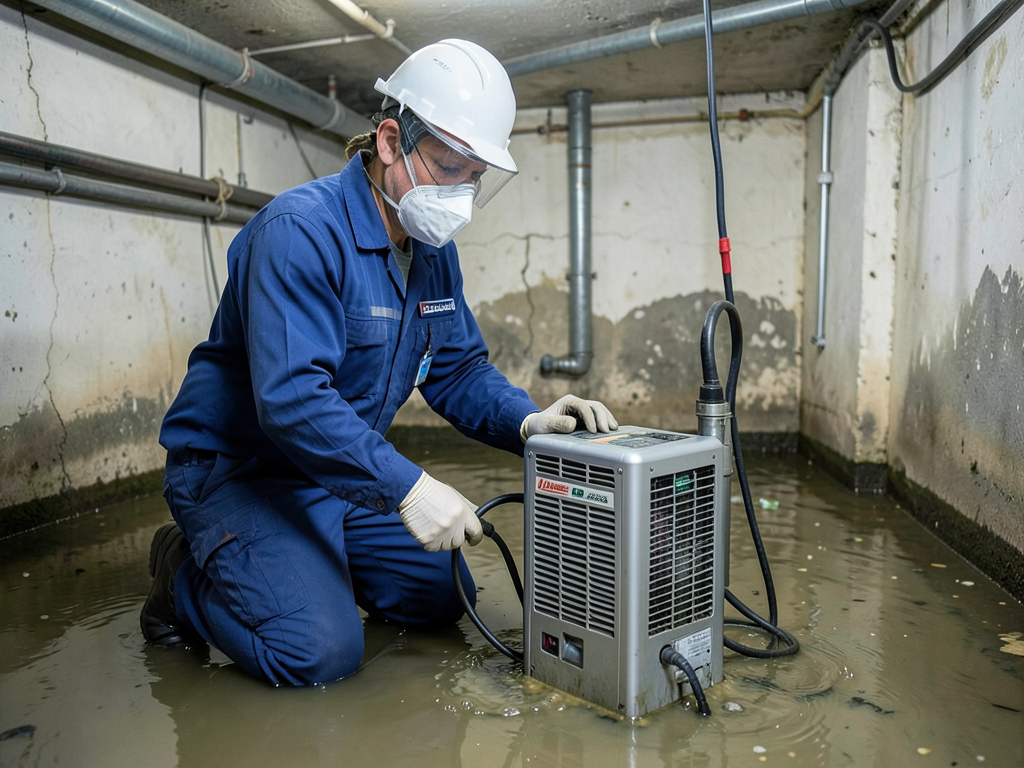
How Invasive Tree Roots Can Cause Your Older Woodlawn Sewer Line to Backup Tree roots can infiltrate your sewer line without warning causing sewage to back up into your basement or yard. In Woodlawn where…
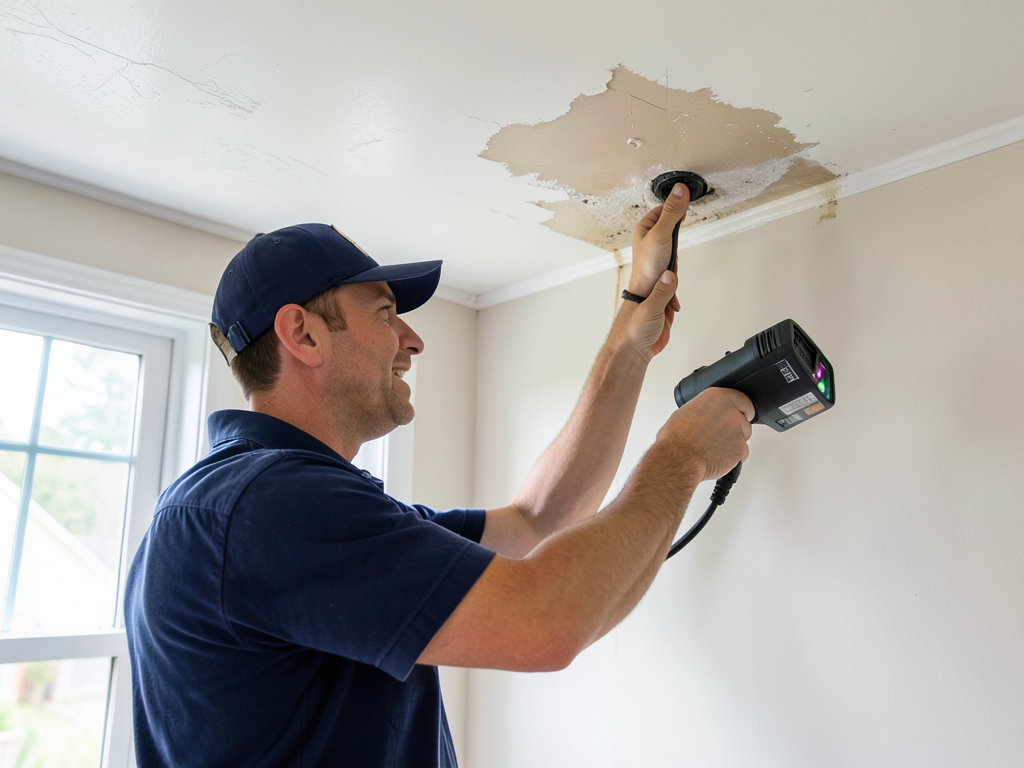
Why the Paint on Your Ceiling is Bubbling or Peeling and How to Fix It…
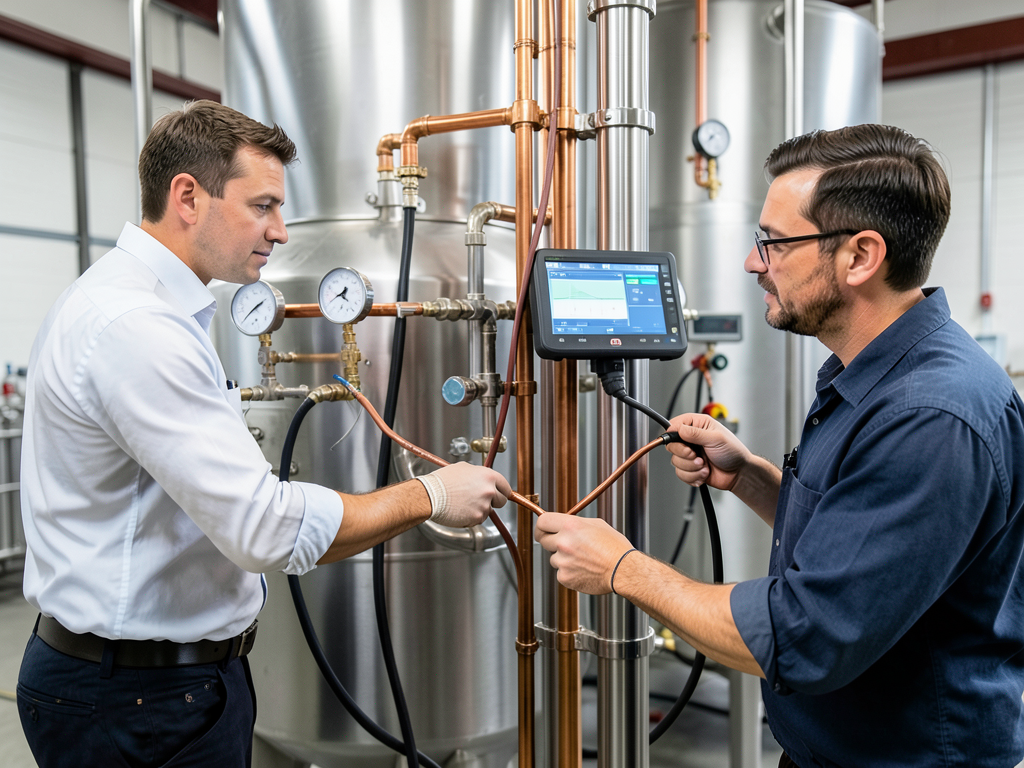
Water Damage Prevention Tips for Craft Breweries and Distilleries in Over-the-Rhine Craft breweries and distilleries…
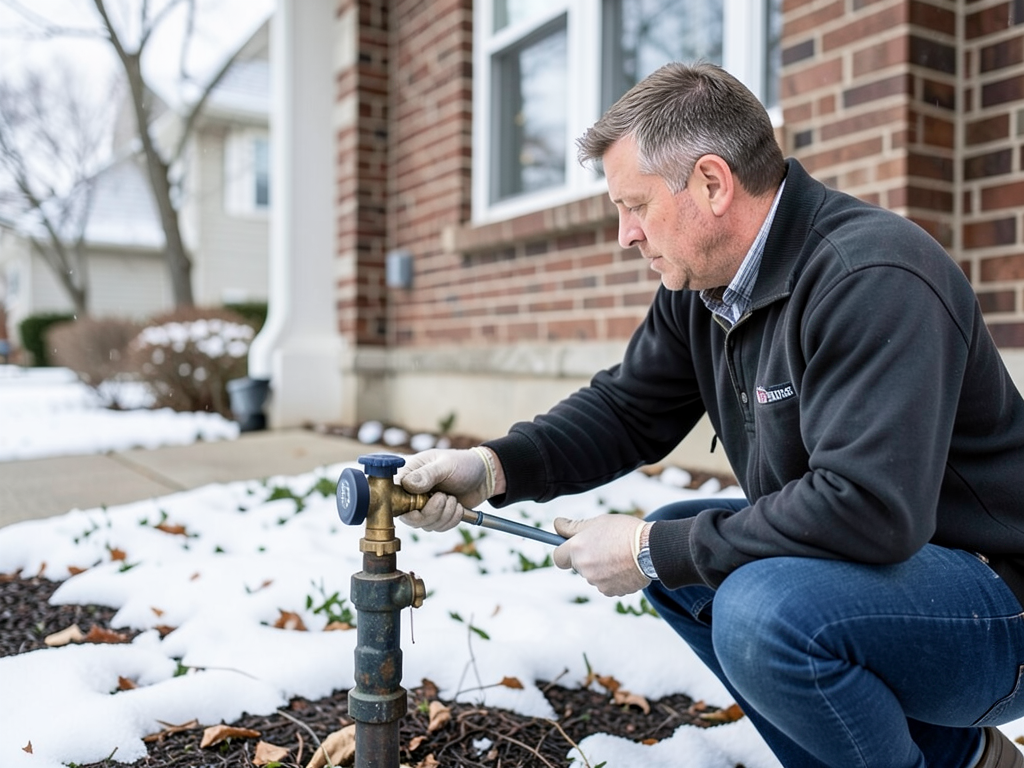
Protecting Your Outdoor Spigots from the Brutal Cincinnati Freeze-Thaw Cycle The first hard freeze in…
Water damage destroys more of your property every minute you wait. Our emergency crews respond 24/7 to stop the damage and start restoration immediately. Call (513) 717-2522 now for rapid response that protects your Blue Ash home and saves you thousands in unnecessary damage.