




Menu

Soggy Insulation in Cincinnati – Get Expert Water Damage Diagnosis and Proper Repairs Fast

Stop guessing about wet insulation problems. Our technicians identify the source of moisture intrusion, assess structural damage, and restore your home's thermal barrier before mold spreads.

Slider Image 1
Slider Image 2
Slider Image 3
Slider Image 4
Slider Image 5
Slider Image 7
Slider Image 8
Slider Image 9
Slider Image 10
Slider Image 11

Why Your Cincinnati Attic or Crawlspace Insulation Gets Waterlogged

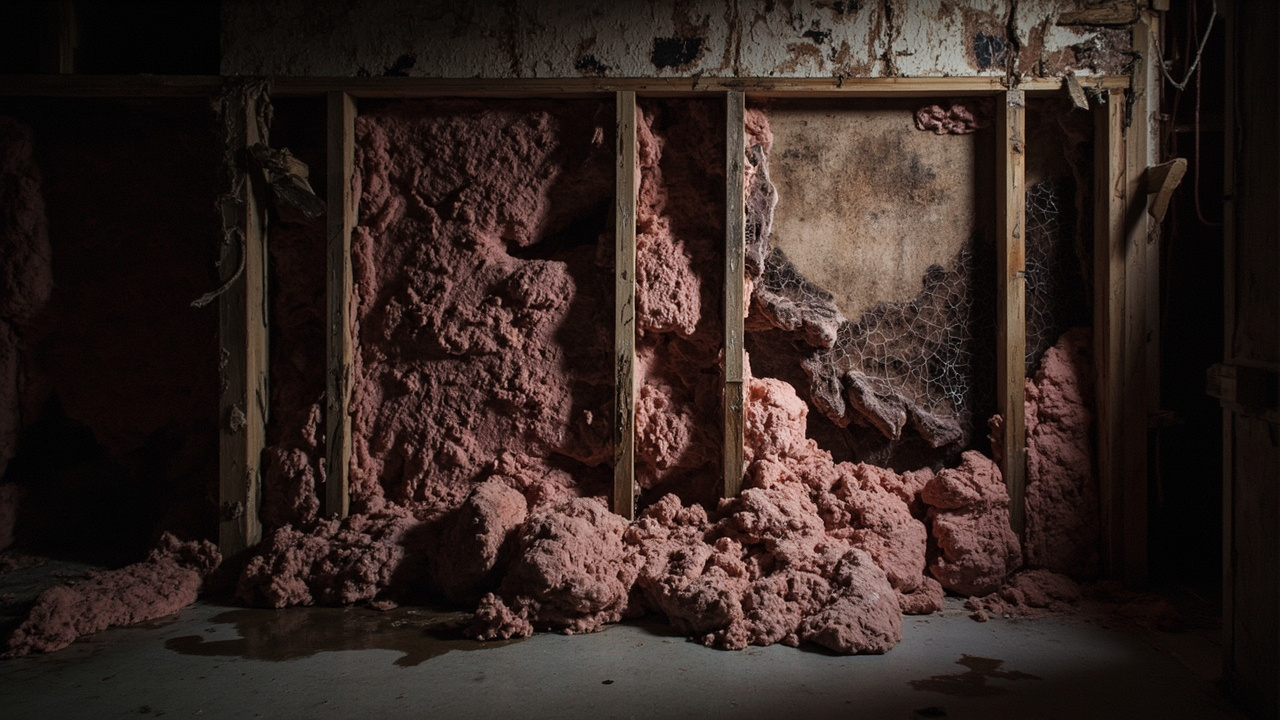
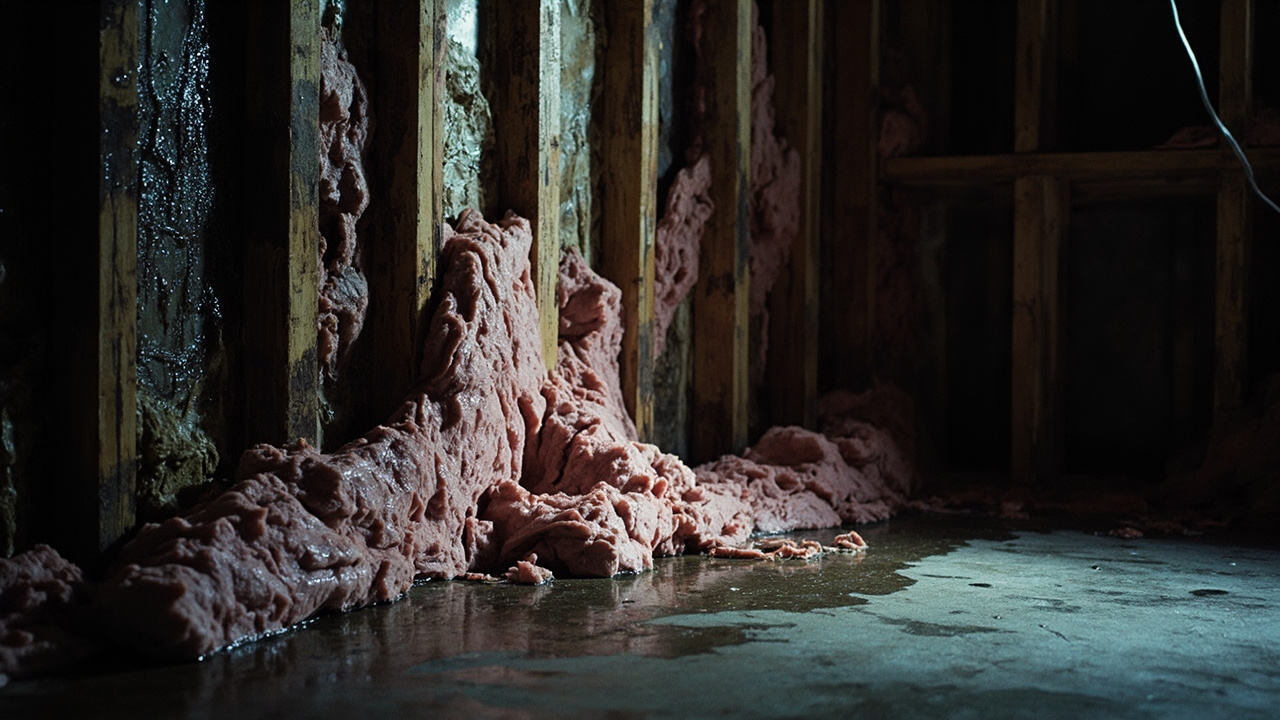
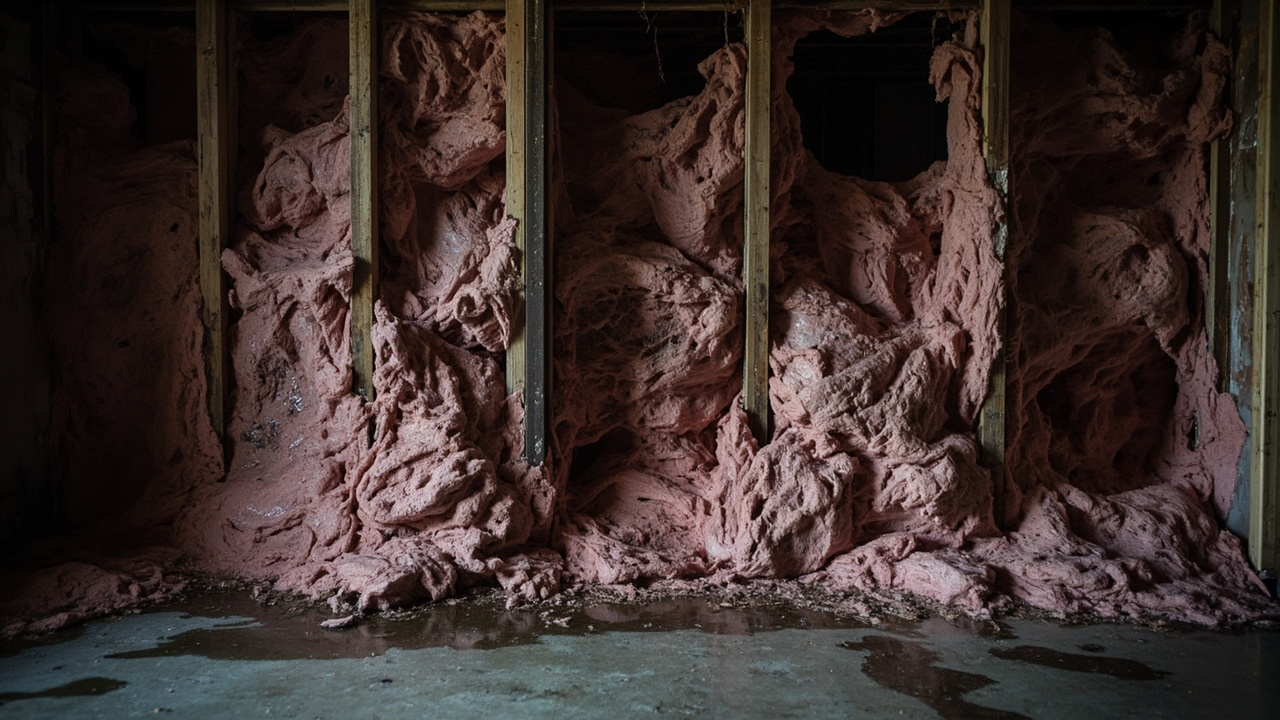
You walk into your basement and smell it. Musty. Wrong. Or you notice your energy bills creeping up despite keeping the thermostat steady. When you check the attic, you find it. Wet insulation sagging from the rafters. Damp insulation compressed into dense, dark clumps. Water damaged insulation that no longer does its job.

Cincinnati's weather makes this problem worse. We see freeze-thaw cycles that crack roof penetrations. High summer humidity that condenses in poorly vented attics. Heavy spring rains that overwhelm gutters and leak through aging flashing. The Ohio River Valley climate is unforgiving. Water finds a way in.

Saturated insulation does not dry out on its own. The material acts like a sponge. It holds moisture against wood framing, drywall backing, and electrical conduits. You get rot. You get rust. You get mold colonies blooming in 24 to 48 hours.

The cause is not always obvious. A roof leak is easy to spot. But condensation from an improperly vented bathroom fan? That takes experience to diagnose. A pinhole leak in a second-floor supply line that runs through the ceiling cavity? You need thermal imaging to find it.

Soaked insulation is not just an efficiency problem. It is a health hazard. Fiberglass batts become breeding grounds for mold spores. Cellulose insulation turns into a wet paper mass that collapses. Spray foam that gets wet can delaminate from the substrate and trap moisture behind vapor barriers.

If your insulation is wet, you have a water intrusion problem somewhere upstream. The insulation is the symptom. The leak is the disease.

Why Your Cincinnati Attic or Crawlspace Insulation Gets Waterlogged
How We Diagnose and Fix Water-Damaged Insulation the Right Way

How We Diagnose and Fix Water-Damaged Insulation the Right Way

Most companies pull out wet insulation and call it done. That is like treating a fever without finding the infection. We do not work that way.

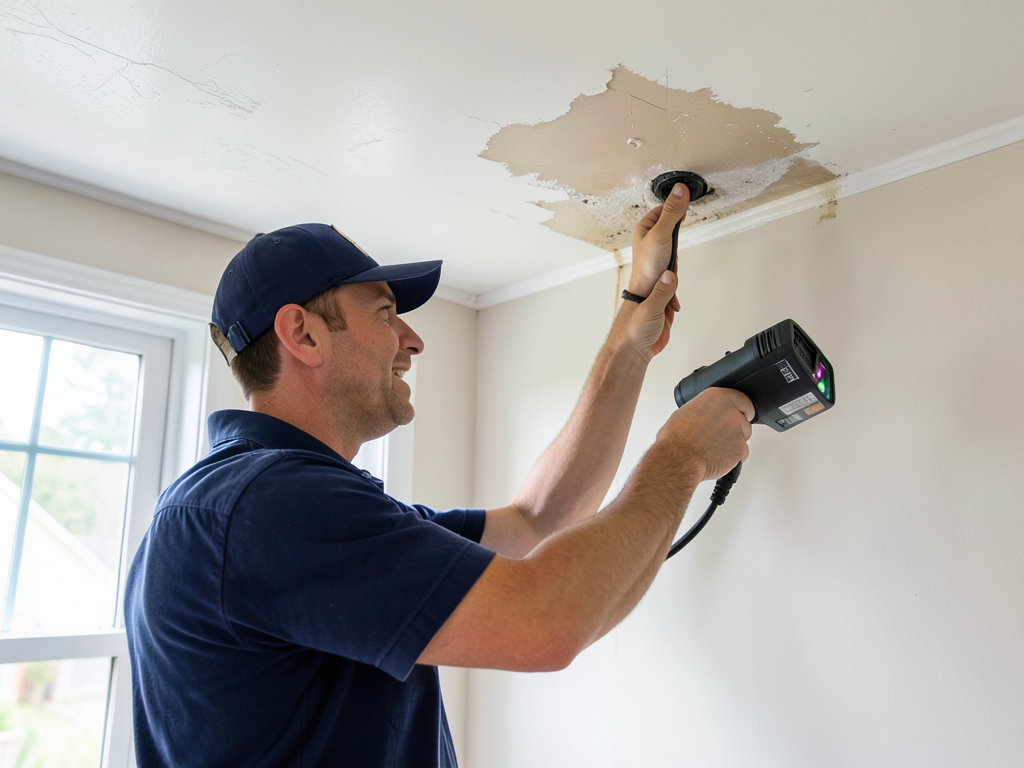
We start with a full moisture intrusion assessment. We use infrared cameras to scan wall cavities and ceiling planes. We check moisture content in framing lumber with pin-type and pinless meters. We inspect roof penetrations, plumbing stacks, HVAC condensate lines, and attic ventilation ratios. We find the source before we touch the insulation.

Once we locate the water entry point, we stop it. That might mean resealing a chimney cricket, replacing a worn wax ring under a toilet, or rerouting a dryer vent that terminates in the attic instead of outside. No shortcuts.

Then we extract the damaged insulation. Wet fiberglass batts get bagged and removed. Blown-in cellulose gets vacuumed out using HEPA-filtered equipment to prevent mold spore dispersal. If spray foam is compromised, we cut it out in sections and inspect the sheathing or drywall behind it for secondary damage.

We dry the affected area using commercial-grade dehumidifiers and air movers. We monitor daily moisture readings in wood framing. If readings stay above 19 percent for more than 72 hours, we know there is still a moisture source we need to address. We do not reinstall insulation until the structure is confirmed dry.

After drying, we treat exposed framing with antimicrobial solutions if mold growth is present. We inspect for wood rot. If joists or studs show structural damage, we flag them for repair before insulation goes back in.

Finally, we reinstall insulation to meet or exceed the original R-value. We match the insulation type to the application. We ensure proper ventilation channels in attics. We seal gaps and voids that compromise thermal performance.

What Happens When You Call Us About Wet Insulation

Soggy Insulation in Cincinnati – Get Expert Water Damage Diagnosis and Proper Repairs Fast
01

Rapid Inspection and Diagnosis

We arrive within hours, not days. Our technician uses thermal imaging and moisture meters to map the extent of water intrusion. We trace the moisture to its origin, whether that is a roof leak, plumbing failure, or condensation issue. You get a written assessment that explains what happened, what is damaged, and what it takes to fix it correctly.
02

Water Source Elimination and Drying

We stop the water entry first. Then we extract soaked insulation and set up drying equipment. We monitor moisture levels in framing and sheathing daily until readings drop below 15 percent. This phase takes three to five days depending on saturation depth. We document everything for your insurance adjuster if a claim is filed.
03

Restoration and Prevention

After the structure is dry and treated, we reinstall insulation to code. We check attic ventilation ratios and correct deficiencies that contributed to moisture buildup. We seal gaps and ensure vapor barriers are intact. You get a final walkthrough and photos showing the completed work. We also provide a maintenance checklist to prevent recurrence.

Why Cincinnati Homeowners Trust Ace Water Damage Restoration for Insulation Problems

Water damage companies fall into two camps. The first group rushes in, pulls out wet material, and leaves. The second group takes time to understand why the water got there in the first place. We are the second group.

We have worked in every neighborhood in Cincinnati. We know the building styles. We have seen the older homes in Mount Adams with knob-and-tube wiring and no vapor barriers. We have dried out ranch homes in Westwood with shallow attic spaces and poor ventilation. We have dealt with the brick-and-slate Victorians in Oakley where ice dams form every winter and melt into the eaves.

Cincinnati's clay soil shifts. Foundations settle. Gutters pull away from fascia boards. Roof valleys accumulate debris and hold standing water. These are not problems you solve with a shop vac and a box fan. You need technicians who understand how buildings fail in this specific climate.

We work directly with insurance adjusters. We document everything. We provide detailed estimates that break down labor, materials, and disposal costs. If your claim gets denied, we can explain why the damage is covered under standard water damage provisions. We have been through this process hundreds of times.

You also get transparency. We do not upsell services you do not need. If your insulation can be dried and reused, we tell you. If it needs replacement, we explain why. We do not inflate scope to pad the bill.

Our technicians are trained in IICRC water damage restoration protocols. They understand psychrometry, vapor pressure differentials, and drying chamber principles. That is not marketing talk. That is the science of getting buildings dry.

We also know when to call in specialists. If we find structural rot, we bring in a licensed contractor. If we see mold growth beyond surface contamination, we refer you to a certified mold remediation company. We stay in our lane and do what we do well.

What to Expect When You Hire Us for Soggy Insulation Repair

Fast Response Time

We answer the phone 24/7. If you call us in the morning, we can be on site by afternoon. Emergency situations get priority. We understand that wet insulation means active water intrusion somewhere. The longer you wait, the worse it gets. Mold starts colonizing within 48 hours. Wood rot follows. We stop the damage progression immediately. Our goal is to get equipment running within the first visit so drying starts the same day.

Thorough Moisture Assessment

We do not guess. We measure. Our technicians use calibrated moisture meters and infrared cameras to map water intrusion. We check areas you cannot see, like wall cavities and ceiling voids. We test moisture content in framing lumber, subflooring, and sheathing. We create a moisture map that shows affected zones and saturation levels. This data drives our drying plan and gives your insurance company the documentation they need to process your claim.

Complete Restoration

We do not leave you with bare studs and exposed drywall. Once the structure is dry and treated, we reinstall insulation to match or exceed the original R-value. We seal air leaks. We restore ventilation pathways. If drywall or trim was removed for access, we coordinate repairs or refer you to trusted contractors. You get a finished result, not a half-done project. We also provide before-and-after photos for your records.

Ongoing Support

After we finish, we check back. We schedule a follow-up visit to verify moisture levels remain stable. We provide maintenance guidance specific to your home. If you had an attic ventilation issue, we explain how to monitor it. If your gutters contributed to the problem, we recommend cleaning schedules. You also get our contact information for future questions. If something feels wrong months later, call us. We would rather catch a small problem early than see another major water event.

Frequently Asked Questions

You Have Questions,
We Have Answers

Will wet insulation ever dry out? +

Some insulation materials can dry, but most will not recover. Fiberglass and cellulose absorb water like a sponge and lose their insulating value when wet. Cincinnati's humidity makes natural drying slow and incomplete. Even if the material feels dry to the touch, moisture trapped inside promotes mold growth and structural damage. Closed-cell spray foam resists water better, but open-cell types hold moisture. If your insulation got soaked from a roof leak, burst pipe, or basement flooding, drying alone will not restore its performance. Professional water extraction and assessment determine if replacement is necessary to protect your home.

How to fix wet insulation? +

First, stop the water source. Fix the leaking pipe, patch the roof, or address the foundation crack. Remove standing water immediately using pumps or extraction equipment. Pull out wet fiberglass or cellulose insulation because these materials do not recover once saturated. Cincinnati's humid climate accelerates mold growth, so speed matters. Use industrial fans and dehumidifiers to dry structural elements like studs and joists. Inspect for hidden moisture using moisture meters. Replace damaged insulation with new material rated for your application. Do not reinstall wet insulation. If mold is visible or the smell is strong, call a water damage restoration professional.

Why would insulation be wet? +

Water reaches insulation through roof leaks, burst pipes, foundation cracks, or condensation buildup. In Cincinnati, heavy spring rains and summer storms often overwhelm gutters, causing attic leaks. Frozen pipes during winter cold snaps can burst and flood walls. Basements in older homes experience seepage through porous block foundations. Poor ventilation in crawl spaces traps humidity, soaking floor insulation. HVAC ductwork condensation also drips onto surrounding material. Ice dams form on roofs when warm attic air melts snow, which refreezes at the eaves and backs water under shingles. Identifying the exact source is critical before replacing wet insulation.

Will wet insulation grow mold? +

Yes. Mold spores exist everywhere and need only moisture, organic material, and warmth to grow. Wet insulation provides all three. Fiberglass has paper or organic backing. Cellulose is made from recycled paper. Both feed mold colonies. Cincinnati's humidity and warm summers create ideal conditions for rapid mold spread. Once mold starts, it releases spores into your air, triggering respiratory issues and allergic reactions. Mold also damages wood framing, drywall, and structural components. If your insulation stayed wet for more than 48 hours, mold growth is likely. Professional mold remediation and insulation replacement become necessary to protect your health.

How long does it take for mold to grow on wet insulation? +

Mold can begin growing on wet insulation within 24 to 48 hours under the right conditions. Cincinnati's warm, humid climate accelerates this timeline. Temperature between 60 and 80 degrees, combined with organic material and moisture, creates a perfect environment. Fiberglass with paper backing and cellulose insulation provide food sources for mold spores. You may not see visible mold immediately, but colonies establish quickly beneath the surface. Musty odors signal active growth. The longer insulation stays wet, the deeper mold penetrates into surrounding materials like studs, drywall, and subfloors. Fast action prevents extensive contamination and costly remediation.

Does insulation need to be replaced after water damage? +

In most cases, yes. Fiberglass and cellulose insulation lose their insulating properties permanently once soaked. They compress, clump, and hold moisture, which degrades R-value and promotes mold. Even after drying, these materials do not return to their original form. Cincinnati's building codes require proper insulation levels for energy efficiency. Wet insulation fails to meet those standards. Closed-cell spray foam may survive minor water exposure, but open-cell spray foam absorbs water and requires replacement. If your insulation experienced significant water damage from flooding, leaks, or sewage backups, removal and replacement protect your home's structural integrity and air quality.

Can mold grow under spray foam insulation? +

Yes, but less commonly than with other insulation types. Closed-cell spray foam creates a moisture barrier, but if water penetrates through cracks, gaps, or improper installation, mold can grow on the substrate beneath. Wood sheathing, studs, or drywall trapped behind foam can harbor mold if moisture gets in. Open-cell spray foam absorbs water more readily, increasing mold risk. In Cincinnati, roof leaks or condensation from HVAC systems sometimes bypass spray foam and saturate underlying materials. You will not see the mold because foam covers it. Musty smells or visible staining around edges indicate hidden problems requiring professional inspection.

What does water damaged insulation look like? +

Water damaged insulation appears discolored, sagging, or compressed. Fiberglass turns yellow, brown, or gray and loses its fluffy texture. You may see visible water stains or dark spots indicating mold growth. Cellulose clumps together and feels heavy or matted. Wet insulation emits a musty, earthy smell. In Cincinnati attics, check for wet spots after heavy rains or ice dam events. Basement insulation may show tide lines or watermarks from flooding. Spray foam may appear darkened or have visible gaps where water penetrated. If you touch the material and it feels damp, cold, or crumbles easily, water damage has occurred.

How do I know if my insulation needs to be replaced? +

Check for visible water damage, mold growth, musty odors, or sagging material. If your insulation looks discolored, compressed, or clumped, replacement is necessary. Cincinnati homeowners should inspect attics after severe storms and basements during spring rains. Rising energy bills signal failing insulation that no longer regulates temperature. Cold spots on walls or uneven heating indicate gaps or damaged material. If you experienced a roof leak, burst pipe, or flooding event, assume insulation in affected areas needs replacement. Moisture meter readings above 20 percent confirm water saturation. Do not ignore these signs. Damaged insulation compromises energy efficiency, air quality, and structural integrity.

Why is it hard to sell a house with spray foam insulation? +

Spray foam insulation complicates home sales because lenders and inspectors worry about improper installation. If foam was applied incorrectly, it can trap moisture in walls or attics, causing hidden rot and mold. Some buyers fear removal costs if issues arise. FHA and VA loans sometimes require additional inspections when spray foam covers roof sheathing because moisture problems become invisible. In Cincinnati, older homes with spray foam retrofits may lack proper ventilation, leading to condensation issues. Mortgage appraisers flag these concerns. Homes with documented professional installation and proper ventilation sell without issue. Poor DIY jobs create deal-breakers.

How Cincinnati's Humidity and Freeze-Thaw Cycles Destroy Attic Insulation

Cincinnati sits in a humid subtropical climate zone. Summer dewpoints regularly hit 70 degrees. That moisture-laden air infiltrates attics through soffit vents and ridge vents. If your attic ventilation is inadequate, that moisture condenses on the underside of roof sheathing when temperatures drop at night. The condensation drips onto insulation. Over weeks and months, fiberglass batts absorb water and compress. Winter makes it worse. Ice dams form along eaves when heat escapes through under-insulated attic floors. The ice melts during the day and refreezes at night, forcing water under shingles and into the attic cavity. This cycle repeats all winter. By spring, your insulation is saturated and useless.

Ace Water Damage Restoration Cincinnati has worked in this region for years. We understand how local building practices from the 1960s and 1970s, common in neighborhoods like Price Hill and Northside, often lack proper vapor barriers and attic ventilation. We know the signs of long-term moisture intrusion versus acute water events. We also work with local building inspectors and insurance adjusters who are familiar with our documentation standards. When you hire us, you get a team that speaks the same language as the people reviewing your claim and approving your repairs.

Water Damage Restoration Services in The Cincinnati Area

We are proud to serve the entire Cincinnati area, providing expert water damage restoration services wherever and whenever they are needed. We understand the unique challenges our local community faces and are committed to being there for our neighbors. View our service area on the map to see how we can assist you, or simply give us a call for immediate dispatch to your location.

Address:
Ace Water Damage Restoration Cincinnati, 1507 Dana Ave, Cincinnati, OH, 45207

Additional Services We Offer

Our news updates

Latest Articles & News from The Blogs

Finding the Source of a Slab Leak in Your Mack Home Slab leaks in Mack OH homes are more than…

Finding the Source of a Slab Leak in Your Mack Home

Finding the Source of a Slab Leak in Your Mack Home Slab leaks in Mack OH homes are more than…

What to Do When Your Water Heater Bursts in Madisonville

Emergency Water Heater Burst Cleanup in Madisonville, Cincinnati \n\n A water heater burst in Madisonville creates immediate flooding that can…

Salvaging Important Paper Documents and Photos After an Amberley Village Flood

Salvaging Important Paper Documents and Photos After an Amberley Village Flood When floodwaters rush through Amberley Village basements, the damage…

Contact Us

Call Ace Water Damage Restoration Cincinnati now at (513) 717-2522. We will inspect your property, locate the water source, and start drying immediately. Do not wait until the damage spreads.