




Springdale sits in a flood-prone corridor where Mill Creek and the Little Miami River drainage systems converge, making basement flooding a recurring threat during Ohio's intense spring storms and summer downpours. The clay-heavy soil throughout Hamilton County creates poor drainage conditions that trap water around foundations, especially in older neighborhoods near Kemper Road and the Tri-County Mall area where homes were built before modern waterproofing standards existed.
Winter freeze-thaw cycles wreak havoc on Springdale plumbing systems. When temperatures drop below freezing and then spike back up, pipes in crawl spaces and exterior walls rupture without warning. Slab foundations common in homes built during the 1960s construction boom provide no buffer zone, meaning burst pipes flood finished living spaces within minutes.
The combination of aging infrastructure, severe weather patterns, and soil conditions means Springdale residents face higher water damage risk than communities just fifteen miles north. Properties near the I-275 corridor experience additional foundation stress from groundwater table fluctuations. When disaster strikes, immediate professional response prevents thousands in secondary damage from mold colonization and structural deterioration.
Ace Water Damage Restoration Cincinnati has served Hamilton County for over a decade, building our reputation on rapid response and complete restoration rather than quick fixes that leave problems festering behind walls. We maintain equipment staging throughout the Cincinnati metro area, which means our crews reach Springdale properties in under an hour, even during peak emergency periods when national franchises are overwhelmed.
Our approach differs from competitors who focus purely on water extraction. We treat water damage as a structural threat requiring comprehensive mitigation. After removing standing water, our technicians use thermal imaging to map moisture penetration through drywall, insulation, and subflooring. We document everything with photo evidence and moisture readings that satisfy insurance adjusters, eliminating the claim disputes that delay restoration and leave homeowners stuck in hotels.
What sets us apart is our investment in commercial-grade drying equipment rather than relying on basic fans and dehumidifiers. Our truck-mounted extractors pull water from carpet padding and concrete slabs that standard equipment cannot reach. We deploy low-grain refrigerant dehumidifiers that remove moisture from structural cavities in days instead of weeks, preventing the mold growth that turns water damage into health hazards.
We handle the insurance process from first call to final inspection. Our estimators speak the language adjusters understand, documenting loss with Xactimate software and supporting every line item with industry-standard protocols. This expertise means faster claim approval and full coverage for restoration costs. Springdale families get back into dry, safe homes while we handle the paperwork nightmare.

Our dispatch system guarantees crew arrival within one hour for Springdale emergencies. We stage equipment throughout Hamilton County and maintain 24/7 staffing so you never wait while water destroys your property. When you call at 2 AM with a flooded basement, we answer and deploy immediately.

Thermal imaging cameras and pin-type moisture meters find hidden water inside wall cavities and under flooring that basic inspections miss. We map moisture spread through your structure to target drying equipment where it matters most, preventing mold growth in areas other companies never check.
We document every aspect of water damage with photo evidence, moisture readings, and detailed estimates formatted in Xactimate software that adjusters require. Our estimators communicate directly with insurance companies to justify necessary work, eliminating disputes and maximizing coverage so you receive full restoration benefits without fighting your carrier.
We understand Springdale's unique flooding patterns, soil conditions, and building construction methods from decades serving this community. Our crews know which neighborhoods face recurrent basement seepage and where aging infrastructure creates burst pipe risks, allowing us to anticipate problems and implement solutions that address local conditions.
Ace Water Damage Restoration Cincinnati provides end-to-end water damage mitigation and structural drying services for residential and commercial properties across Hamilton County. Our service range covers everything from emergency water extraction after catastrophic flooding to controlled demolition of unsalvageable materials and reconstruction of damaged structures back to pre-loss condition.
We organize our capabilities into three core service categories based on damage severity and restoration complexity. Emergency water removal addresses active flooding situations where immediate extraction prevents damage escalation. Structural drying and dehumidification targets moisture trapped inside building materials after visible water is removed. Full restoration and reconstruction rebuilds properties after severe water events that compromise structural integrity.
Each category requires specialized equipment, technical expertise, and coordinated processes. A flooded basement might need only extraction and drying, while a burst pipe in finished living space requires demolition, antimicrobial treatment, and complete reconstruction. Our crews assess damage severity during initial response and deploy appropriate resources rather than applying one-size-fits-all approaches that either under-serve or overcharge customers.
When water invades your property, immediate extraction stops damage from spreading through flooring, walls, and personal belongings. Our truck-mounted pumps remove hundreds of gallons per minute from flooded basements and crawl spaces. Portable extractors pull water from carpet, padding, and upholstery before saturation causes permanent staining. We contain affected areas to prevent water migration into undamaged rooms, protecting your property while we work.
Water absorbed into drywall, insulation, and framing lumber creates mold growth conditions within 48 hours if not properly dried. We deploy commercial dehumidifiers and air movers in strategic configurations that extract moisture from structural cavities. Daily moisture readings track drying progress until materials return to normal levels. Thermal imaging verifies complete dryness before we remove equipment, eliminating hidden moisture pockets that cause future problems.
Catastrophic flooding and long-term water exposure require demolition of unsalvageable materials and complete rebuilding to restore properties. We remove damaged drywall, flooring, and insulation, treat framing with antimicrobial solutions, and reconstruct spaces to match original finishes. Our licensed contractors handle electrical, plumbing, and HVAC repairs needed after severe water damage. You get a single point of contact from emergency response through final walkthrough.
Springdale's position in the Mill Creek watershed and Hamilton County's clay soil composition create specific water damage vulnerabilities that homeowners must address quickly to prevent catastrophic loss. The intersection of severe weather patterns, aging residential infrastructure, and poor natural drainage means properties throughout the Tri-County area face higher flooding risk than regional averages.
Homes built before 1980 lack modern waterproofing systems, making basement seepage common during spring rainfall when water tables rise. Properties near Kemper Road and along the I-275 corridor experience foundation stress from expansive clay soils that swell when wet and contract during dry periods, creating cracks that channel water into living spaces. Sewer backups affect older neighborhoods where combined stormwater and sanitary systems become overwhelmed during heavy precipitation.
Understanding these local risk factors helps homeowners recognize warning signs before minor moisture problems escalate into structural emergencies requiring extensive remediation and reconstruction services.
Heavy rainfall overwhelms perimeter drainage systems and foundation waterproofing, sending water through basement walls and floor joints. Sump pump failures during power outages leave basements vulnerable when protection is most needed. Standing water damages furnaces, water heaters, and electrical panels while saturating finished living spaces.
Freezing temperatures rupture pipes in exterior walls and crawl spaces, releasing hundreds of gallons into finished rooms before shutoff valves are located. Failed water heaters and washing machine supply lines flood homes during work hours when no one is present to respond. Every minute of flow increases damage severity exponentially.
Water absorbed into wall cavities and insulation goes unnoticed until mold colonies produce visible growth and musty odors. Slow leaks from roof penetrations and plumbing joints cause rot in framing lumber and subflooring that compromises structural integrity. Detection requires specialized equipment that homeowners do not possess.
Combined sewer systems throughout older Springdale neighborhoods reverse flow during heavy storms, sending contaminated water into homes through floor drains and toilets. This category 3 water contains dangerous pathogens requiring specialized cleaning protocols and disposal procedures. Standard extraction and drying is insufficient and potentially hazardous.
Ace Water Damage Restoration Cincinnati operates with one goal during water emergencies: stop damage progression immediately, then restore your property to pre-loss condition with minimal disruption to your life. From your first phone call through final inspection, we maintain constant communication about what we are doing, why it matters, and what comes next.
You are not dealing with a different person at each stage. Your project manager coordinates everything from emergency response through reconstruction, providing a single point of contact who understands your property and situation. We show up when promised, explain findings in plain language, and never recommend unnecessary work to inflate invoices.
Most importantly, we handle insurance coordination as part of our service rather than leaving you to navigate claims alone. Our documentation satisfies adjuster requirements without multiple site visits and supplement negotiations that delay restoration for weeks. You focus on your family while we manage the technical and administrative nightmare that follows water damage.
Our crew arrives within 60 minutes to assess damage severity and begin water extraction. We identify the moisture source, shut it off if possible, and contain affected areas to prevent damage spread. You receive an honest assessment of what needs immediate attention versus what can wait. We take extensive photos and document conditions before moving anything, creating the evidence trail your insurance company requires for claims processing.
Your project manager contacts you every day during active restoration to report progress, moisture reading trends, and any discoveries that affect timeline or scope. We never perform additional work without approval and detailed explanation of why it is necessary. Equipment placement and drying progress gets documented with photos sent to your phone so you see what is happening even when you cannot be on site.
We do not consider work complete until moisture readings confirm all building materials have returned to normal dry standards and thermal imaging shows no hidden moisture. Your final walkthrough covers every aspect of restoration with opportunity to identify any concerns before we demobilize equipment. You receive complete documentation including moisture logs, photos, and detailed invoices formatted for insurance submission.
Speed and systematic methodology prevent water damage from escalating into structural disasters. Our three-phase process addresses immediate threats first, then eliminates moisture from building materials, and finally restores your property to pre-loss condition.
Our dispatcher collects critical information about damage severity and location while crews mobilize with appropriate equipment. We arrive prepared for the specific emergency you face rather than showing up to assess and then leaving to get proper tools. Extraction begins within minutes of arrival. We remove standing water, move salvageable contents to dry areas, and begin documentation for insurance purposes.
Commercial dehumidifiers and air movers get positioned based on thermal imaging that reveals moisture spread through walls and flooring. We create negative air pressure in affected rooms to pull moisture from structural cavities. Daily monitoring tracks drying progress with pin-type meters and readings logged for insurance documentation. Antimicrobial treatment prevents mold growth during the drying period.
After complete structural drying is verified, reconstruction begins on damaged areas. We replace drywall, flooring, and trim to match existing finishes. Licensed contractors handle electrical and plumbing repairs. Paint and finish work returns rooms to pre-loss appearance. Your final walkthrough confirms satisfaction before we close the project and submit final documentation to your insurance carrier.
Professional water damage restoration follows strict protocols established by the Institute of Inspection, Cleaning and Restoration Certification, the industry authority for technical standards and training. IICRC S500 Standard for Professional Water Damage Restoration defines moisture measurement procedures, drying equipment specifications, and antimicrobial treatment protocols that separate legitimate restoration companies from franchises using inadequate methods.
Ace Water Damage Restoration Cincinnati maintains IICRC Water Damage Restoration Technician certification for all field crews and Advanced Structural Drying certification for project managers. This training covers psychrometry, the science of moisture behavior in air and building materials that determines equipment placement and drying timeframes. Understanding vapor pressure, dew point, and grain depression allows us to optimize dehumidification efficiency rather than just setting up fans and hoping for the best.
We classify water damage by contamination level using IICRC categories. Category 1 clean water from supply lines receives standard extraction and drying. Category 2 gray water from washing machine overflows requires antimicrobial treatment due to potential bacterial growth. Category 3 black water from sewer backups and flooding demands specialized handling with protective equipment and disposal of porous materials that cannot be adequately sanitized.
Ohio does not require state licensing for water damage restoration contractors, making IICRC certification the only verification of technical competence. Companies without certified technicians lack the knowledge to properly assess moisture spread, select appropriate equipment, or verify complete drying. This leads to callback situations where mold growth appears weeks after "restoration" because moisture remained trapped inside wall cavities. Insurance companies recognize IICRC standards as the benchmark for defensible work that will not result in future claims.
Moisture measurement follows precise protocols. We establish baseline readings in unaffected areas to determine normal moisture content for your specific building materials. Affected areas get mapped with detailed documentation showing moisture levels at multiple depths and locations. Drying continues until readings return to within 1-2% of baseline, not just until surfaces feel dry. This verification process prevents premature equipment removal that leaves hidden moisture.
The IICRC S500 Standard establishes moisture measurement protocols, drying equipment specifications, and verification procedures that professional restoration must follow. We document baseline moisture readings in unaffected areas, then track drying progress until affected materials return to within 1-2% of normal levels. This prevents premature equipment removal that leaves hidden moisture.
Category 1 clean water from supply lines receives extraction and drying. Category 2 gray water contains contaminants requiring antimicrobial treatment. Category 3 black water from sewage or flooding demands protective equipment and disposal of porous materials that cannot be sanitized. Proper classification determines safe handling procedures and material restoration versus replacement.
Complete structural drying requires 3-7 days depending on water category, building materials, and environmental conditions. Concrete and hardwood need longer drying than carpet and drywall. Companies promising 24-hour restoration are extracting surface water but leaving moisture in structural cavities where mold will develop. We remove equipment only after verified drying to industry standards.
Carriers require photo documentation before, during, and after restoration, moisture reading logs proving complete drying, and detailed estimates in Xactimate software format. We provide documentation packages that satisfy adjuster requirements without multiple site visits and supplement negotiations. Proper paperwork means faster claim approval and full coverage for necessary restoration work.
This video explains the complete water damage restoration process for Springdale, Ohio homeowners, covering emergency water extraction, structural drying, and reconstruction services. Learn about Hamilton County flooding risks, IICRC restoration standards, moisture detection methods, and insurance claim procedures. Ace Water Damage Restoration Cincinnati demonstrates rapid response protocols for burst pipes, basement flooding, and storm damage throughout the greater Cincinnati area.
Ace Water Damage Restoration Cincinnati provides rapid emergency response throughout the greater Springdale area, with crews staged strategically to reach properties within 60 minutes regardless of location. Our service territory covers all of Hamilton County from the Mill Creek corridor through the eastern suburbs, with extensive experience addressing water damage challenges specific to each community.
Springdale's central location near the Tri-County Mall and I-275 interchange puts us at the heart of neighborhoods facing diverse flooding risks. Properties in the Glendale and Woodlawn areas to the south deal with basement seepage from high water tables and aging sump pump systems installed during the post-war construction boom. Forest Park and Greenhills to the west experience foundation stress from expansive clay soils that crack during drought periods and then channel water during heavy rainfall.
The communities along Kemper Road toward Sharonville face unique challenges from commercial development that altered natural drainage patterns. Parking lots and warehouse roofs concentrate stormwater runoff that overwhelms residential drainage systems never designed for current volumes. Blue Ash and Montgomery properties to the east typically feature newer construction with better waterproofing, but still face burst pipe risks during winter freeze-thaw cycles.
We understand that water damage emergencies do not respect municipal boundaries. Our crews serve Reading, Evendale, and Lockland with the same rapid response promised to Springdale residents. Properties near the Mill Creek itself face periodic flooding when the waterway exceeds banks during sustained precipitation events. The Cincinnati metro area's interconnected drainage systems mean heavy rain anywhere in the watershed affects neighborhoods miles away.
Our familiarity with local geography, soil conditions, and building construction methods across Hamilton County allows us to anticipate problems and implement solutions appropriate for each specific area. A home built in 1950s Springdale requires different moisture control strategies than a property constructed in 1990s Montgomery. We adjust our approach based on decades of experience serving these communities rather than applying generic protocols developed for other regions.
Water damage restoration pricing in Springdale OH varies based on several factors. The extent of damage affects the final price. Water category matters. Clean water from supply lines differs from contaminated water. Square footage of affected areas influences pricing. Services needed include water extraction, drying, decontamination, and repairs. Most Springdale restoration companies provide free inspections and estimates. They assess your specific situation before quoting. Your homeowner's insurance often covers restoration expenses, which reduces your out-of-pocket expenses. Get multiple estimates from local Springdale companies. Compare their services, response times, and equipment quality before deciding.
Stop the water source if safe to do so. Turn off your main water valve for plumbing issues. Document everything with photos and videos for insurance claims. Remove standing water using towels, mops, or a wet vacuum if you have one. Move furniture, electronics, and valuables to dry areas. Open windows to increase air circulation if weather permits. Contact a Springdale water damage restoration company immediately. Time matters because mold grows within 24-48 hours. Call your insurance company to report the damage. Avoid using electrical appliances in wet areas for safety.
Water damage restoration timelines in Springdale depend on damage severity. Minor water damage takes 3-5 days for drying and restoration. Moderate damage requiring extensive drying and repairs takes 1-2 weeks. Severe damage involving structural repairs needs several weeks to months. The water extraction phase takes hours to one day. Drying and dehumidification require 3-7 days minimum. Restoration and reconstruction add more time based on necessary repairs. Mold remediation extends timelines if present. Weather and humidity levels in Springdale affect drying times. Your restoration company provides a specific timeline after their initial assessment.
Water damage restoration pricing in Springdale OH varies based on several factors. The extent of damage affects the final price. Water category matters. Clean water from supply lines differs from contaminated water. Square footage of affected areas influences pricing. Services needed include water extraction, drying, decontamination, and repairs. Most Springdale restoration companies provide free inspections and estimates. They assess your specific situation before quoting. Your homeowner's insurance often covers restoration expenses, which reduces your out-of-pocket expenses. Get multiple estimates from local Springdale companies. Compare their services, response times, and equipment quality before deciding.
Stop the water source if safe to do so. Turn off your main water valve for plumbing issues. Document everything with photos and videos for insurance claims. Remove standing water using towels, mops, or a wet vacuum if you have one. Move furniture, electronics, and valuables to dry areas. Open windows to increase air circulation if weather permits. Contact a Springdale water damage restoration company immediately. Time matters because mold grows within 24-48 hours. Call your insurance company to report the damage. Avoid using electrical appliances in wet areas for safety.
Water damage restoration timelines in Springdale depend on damage severity. Minor water damage takes 3-5 days for drying and restoration. Moderate damage requiring extensive drying and repairs takes 1-2 weeks. Severe damage involving structural repairs needs several weeks to months. The water extraction phase takes hours to one day. Drying and dehumidification require 3-7 days minimum. Restoration and reconstruction add more time based on necessary repairs. Mold remediation extends timelines if present. Weather and humidity levels in Springdale affect drying times. Your restoration company provides a specific timeline after their initial assessment.
Most homeowners insurance policies in Springdale OH cover sudden and accidental water damage. Burst pipes, appliance malfunctions, and storm damage typically qualify for coverage. Your policy excludes flood damage, which requires separate flood insurance. Gradual damage from neglected maintenance usually gets denied. Review your policy or contact your agent to understand your specific coverage. Take photos and document everything before cleanup begins. Keep receipts for emergency expenses. Most Springdale restoration companies work directly with insurance providers. They help file claims and communicate with adjusters. Your deductible applies to approved claims.
Choose a Springdale water damage restoration company with proper certifications. Look for IICRC certification, which demonstrates professional training. Check online reviews on Google and the Better Business Bureau. Ask about their response time. Water emergencies need immediate attention. Confirm they offer 24/7 emergency services. Verify they have commercial-grade equipment for extraction and drying. Ask if they work with insurance companies. Get multiple written estimates. Compare their services, not prices alone. Ask for references from past Springdale customers. Choose a local company familiar with Springdale building codes and common regional water damage issues.
Staying in your Springdale home during restoration depends on damage severity. Minor water damage affecting one room allows you to remain home. Major damage involving multiple areas or contaminated water requires temporary relocation. Safety concerns include electrical hazards, structural instability, and mold exposure. The restoration company assesses whether your home is safe for occupancy. Noise from equipment like air movers and dehumidifiers makes staying uncomfortable. Humidity levels during drying create unpleasant conditions. Children, elderly family members, and those with respiratory issues should relocate during restoration. Your insurance policy often covers temporary housing expenses.
Mold grows when moisture and organic materials combine in Springdale homes. Water damage creates ideal conditions for mold growth within 24-48 hours. Humidity levels above 60% encourage mold spores to multiply. Porous materials like drywall, carpet, and wood absorb water and feed mold. Poor ventilation traps moisture inside your home. Springdale's humid climate accelerates mold development after water damage. Hidden moisture in walls and under floors creates undetected growth. Inadequate drying after water damage leaves residual moisture. Temperature between 60-80 degrees promotes mold. Professional restoration includes thorough drying to prevent mold growth.
Yes, most water damage restoration companies in Springdale work directly with insurance providers. They understand insurance claim processes and documentation requirements. Restoration companies communicate with adjusters to explain necessary services. They provide detailed estimates and damage assessments for your claim. Many offer direct billing to your insurance company. This reduces your upfront payment to just your deductible. They document the restoration process with photos and reports. Experienced companies know what insurance typically covers and excludes. They help maximize your claim by properly documenting all damage. Choose a company experienced with insurance work to simplify your claim process.
Hidden water damage in your Springdale property shows several warning signs. Musty odors indicate moisture problems in walls or under floors. Discoloration or staining on walls and ceilings reveals water intrusion. Warped or buckling flooring suggests moisture underneath. Peeling paint or wallpaper indicates water behind surfaces. Increased utility bills point to plumbing leaks. Unexplained mold growth signals hidden moisture. Water meter runs when no water is being used. Soft or spongy drywall reveals water absorption. Professional moisture meters and thermal imaging cameras detect hidden water. Schedule regular inspections to catch hidden damage early.
Water mitigation and water restoration are two distinct phases in Springdale. Mitigation happens first and focuses on stopping damage from spreading. It includes water extraction, initial drying, and emergency protective measures. Mitigation prevents secondary damage like mold growth. This phase takes hours to days. Restoration comes second and returns your home to pre-damage condition. It includes repairs, reconstruction, and replacing damaged materials. Restoration rebuilds walls, installs new flooring, and repaints. This phase takes days to weeks. Most Springdale companies provide both services. Mitigation requires immediate response while restoration follows a planned timeline.
Most homeowners insurance policies in Springdale OH cover sudden and accidental water damage. Burst pipes, appliance malfunctions, and storm damage typically qualify for coverage. Your policy excludes flood damage, which requires separate flood insurance. Gradual damage from neglected maintenance usually gets denied. Review your policy or contact your agent to understand your specific coverage. Take photos and document everything before cleanup begins. Keep receipts for emergency expenses. Most Springdale restoration companies work directly with insurance providers. They help file claims and communicate with adjusters. Your deductible applies to approved claims.
Choose a Springdale water damage restoration company with proper certifications. Look for IICRC certification, which demonstrates professional training. Check online reviews on Google and the Better Business Bureau. Ask about their response time. Water emergencies need immediate attention. Confirm they offer 24/7 emergency services. Verify they have commercial-grade equipment for extraction and drying. Ask if they work with insurance companies. Get multiple written estimates. Compare their services, not prices alone. Ask for references from past Springdale customers. Choose a local company familiar with Springdale building codes and common regional water damage issues.
Staying in your Springdale home during restoration depends on damage severity. Minor water damage affecting one room allows you to remain home. Major damage involving multiple areas or contaminated water requires temporary relocation. Safety concerns include electrical hazards, structural instability, and mold exposure. The restoration company assesses whether your home is safe for occupancy. Noise from equipment like air movers and dehumidifiers makes staying uncomfortable. Humidity levels during drying create unpleasant conditions. Children, elderly family members, and those with respiratory issues should relocate during restoration. Your insurance policy often covers temporary housing expenses.
Mold grows when moisture and organic materials combine in Springdale homes. Water damage creates ideal conditions for mold growth within 24-48 hours. Humidity levels above 60% encourage mold spores to multiply. Porous materials like drywall, carpet, and wood absorb water and feed mold. Poor ventilation traps moisture inside your home. Springdale's humid climate accelerates mold development after water damage. Hidden moisture in walls and under floors creates undetected growth. Inadequate drying after water damage leaves residual moisture. Temperature between 60-80 degrees promotes mold. Professional restoration includes thorough drying to prevent mold growth.
Yes, most water damage restoration companies in Springdale work directly with insurance providers. They understand insurance claim processes and documentation requirements. Restoration companies communicate with adjusters to explain necessary services. They provide detailed estimates and damage assessments for your claim. Many offer direct billing to your insurance company. This reduces your upfront payment to just your deductible. They document the restoration process with photos and reports. Experienced companies know what insurance typically covers and excludes. They help maximize your claim by properly documenting all damage. Choose a company experienced with insurance work to simplify your claim process.
Hidden water damage in your Springdale property shows several warning signs. Musty odors indicate moisture problems in walls or under floors. Discoloration or staining on walls and ceilings reveals water intrusion. Warped or buckling flooring suggests moisture underneath. Peeling paint or wallpaper indicates water behind surfaces. Increased utility bills point to plumbing leaks. Unexplained mold growth signals hidden moisture. Water meter runs when no water is being used. Soft or spongy drywall reveals water absorption. Professional moisture meters and thermal imaging cameras detect hidden water. Schedule regular inspections to catch hidden damage early.
Water mitigation and water restoration are two distinct phases in Springdale. Mitigation happens first and focuses on stopping damage from spreading. It includes water extraction, initial drying, and emergency protective measures. Mitigation prevents secondary damage like mold growth. This phase takes hours to days. Restoration comes second and returns your home to pre-damage condition. It includes repairs, reconstruction, and replacing damaged materials. Restoration rebuilds walls, installs new flooring, and repaints. This phase takes days to weeks. Most Springdale companies provide both services. Mitigation requires immediate response while restoration follows a planned timeline.
We are proud to serve the entire Cincinnati area, providing expert water damage restoration services wherever and whenever they are needed. We understand the unique challenges our local community faces and are committed to being there for our neighbors. View our service area on the map to see how we can assist you, or simply give us a call for immediate dispatch to your location.
Address:
Springdale, OH, 45246
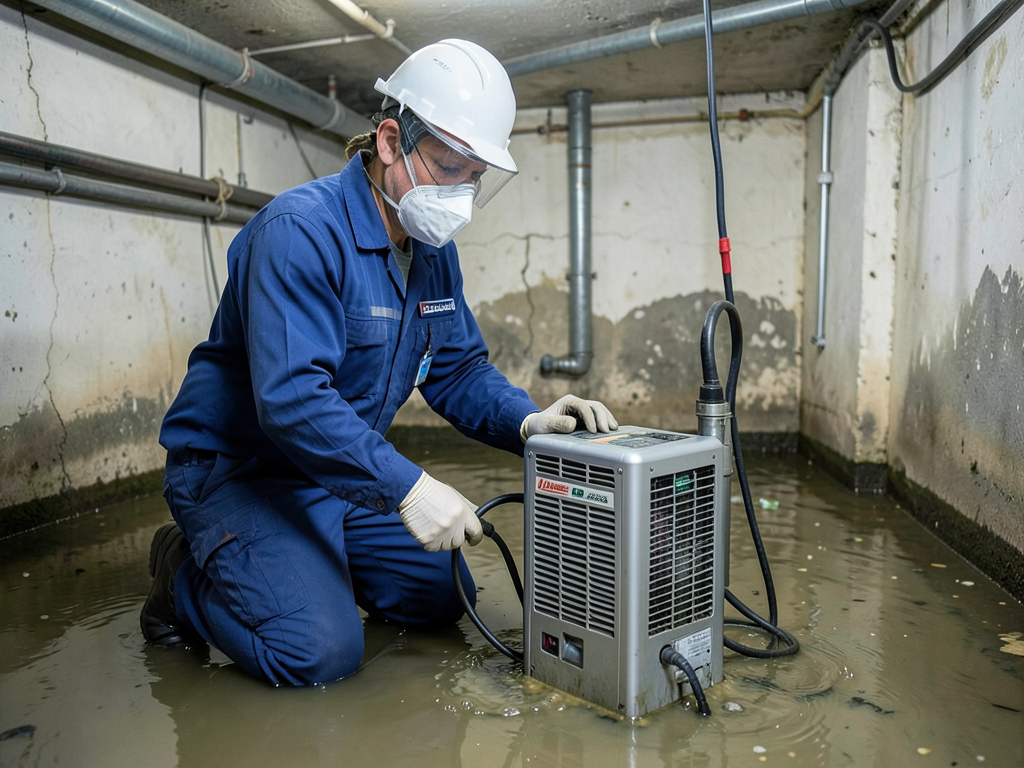
How Invasive Tree Roots Can Cause Your Older Woodlawn Sewer Line to Backup Tree roots can infiltrate your sewer line without warning causing sewage to back up into your basement or yard. In Woodlawn where…
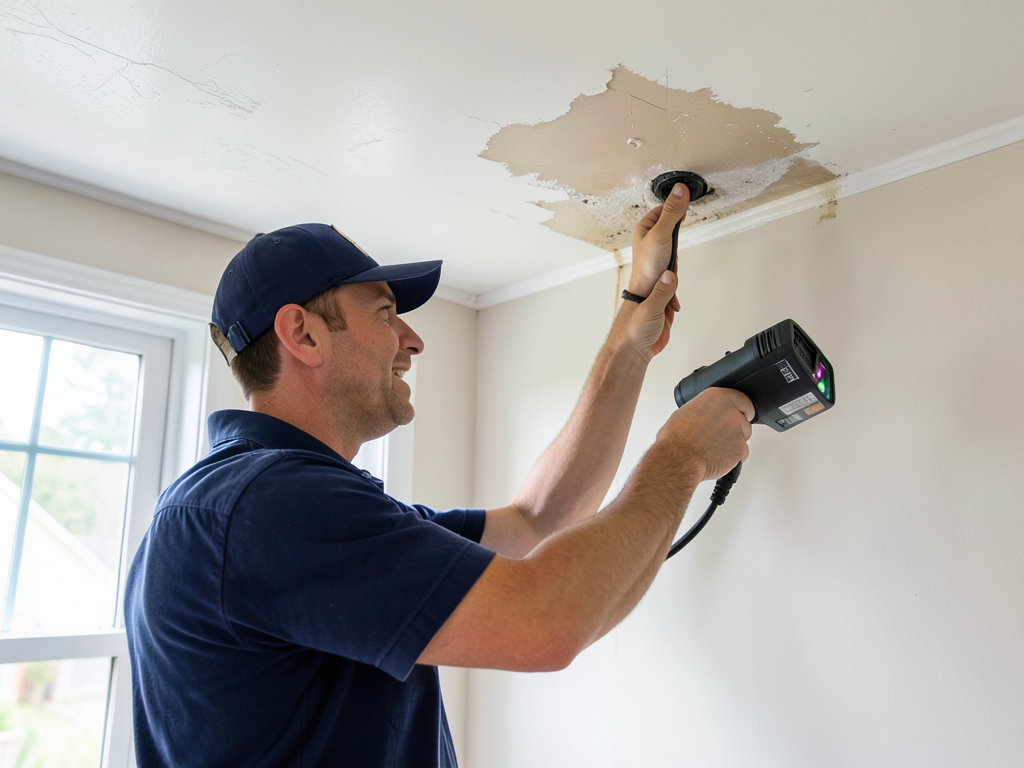
Why the Paint on Your Ceiling is Bubbling or Peeling and How to Fix It…
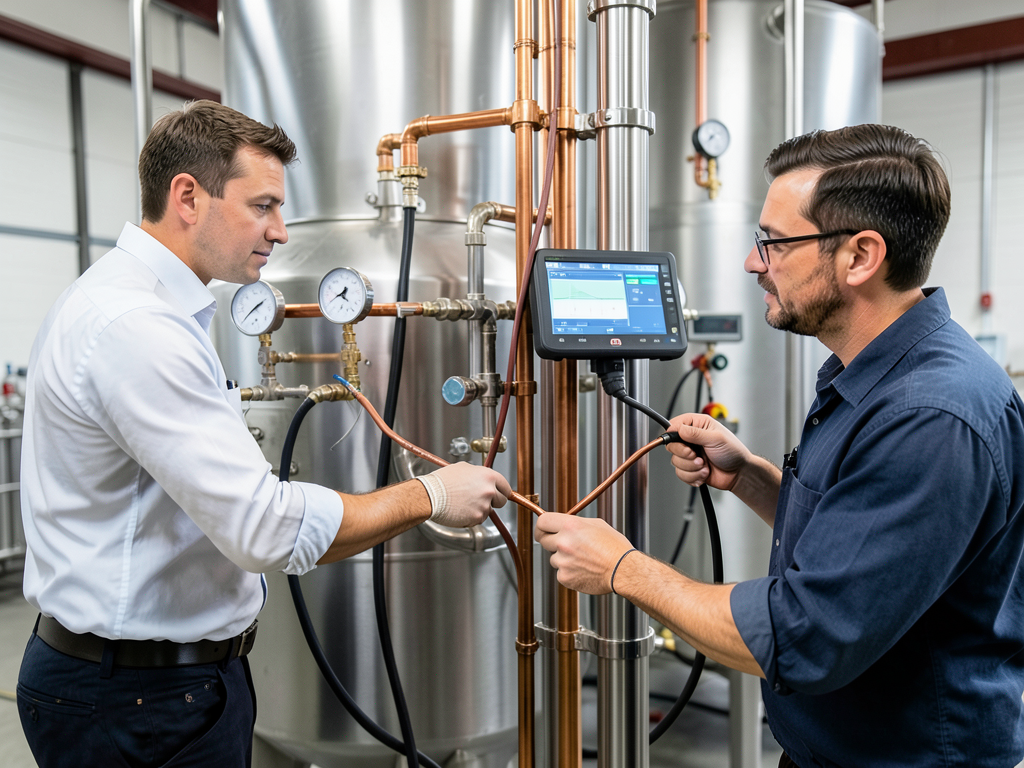
Water Damage Prevention Tips for Craft Breweries and Distilleries in Over-the-Rhine Craft breweries and distilleries…
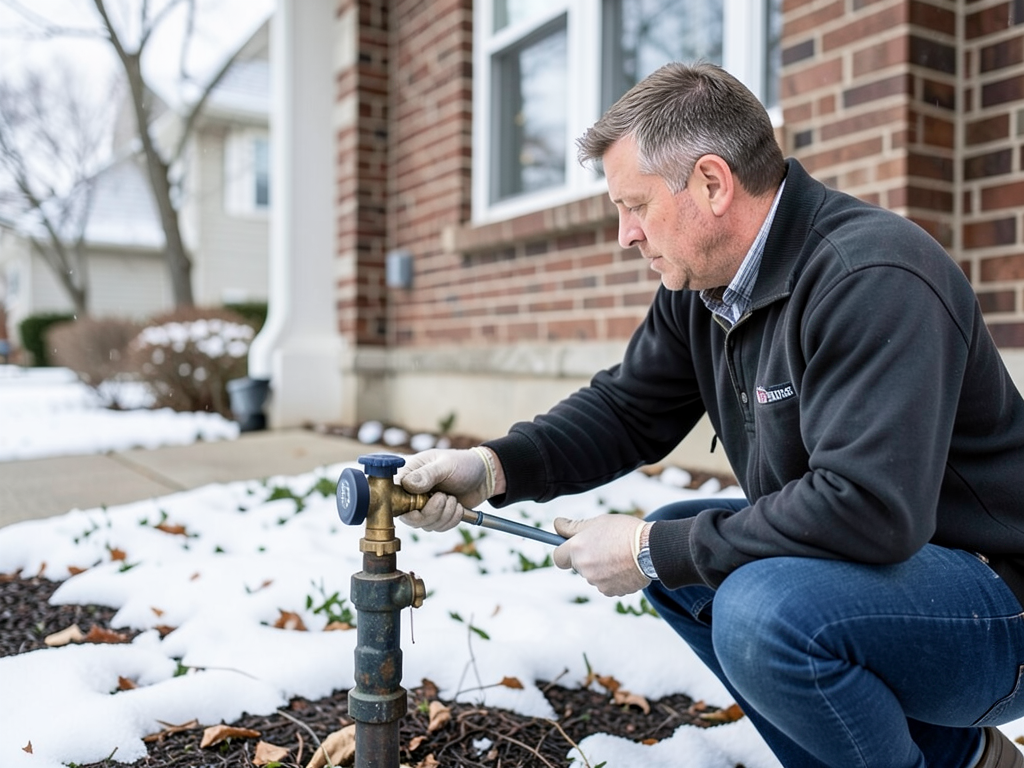
Protecting Your Outdoor Spigots from the Brutal Cincinnati Freeze-Thaw Cycle The first hard freeze in…
Every minute counts when water invades your Springdale home. Our certified crews deploy immediately with truck-mounted extraction equipment and commercial drying systems. Call (513) 717-2522 now for rapid response. We handle your emergency and insurance paperwork so you can focus on your family.