






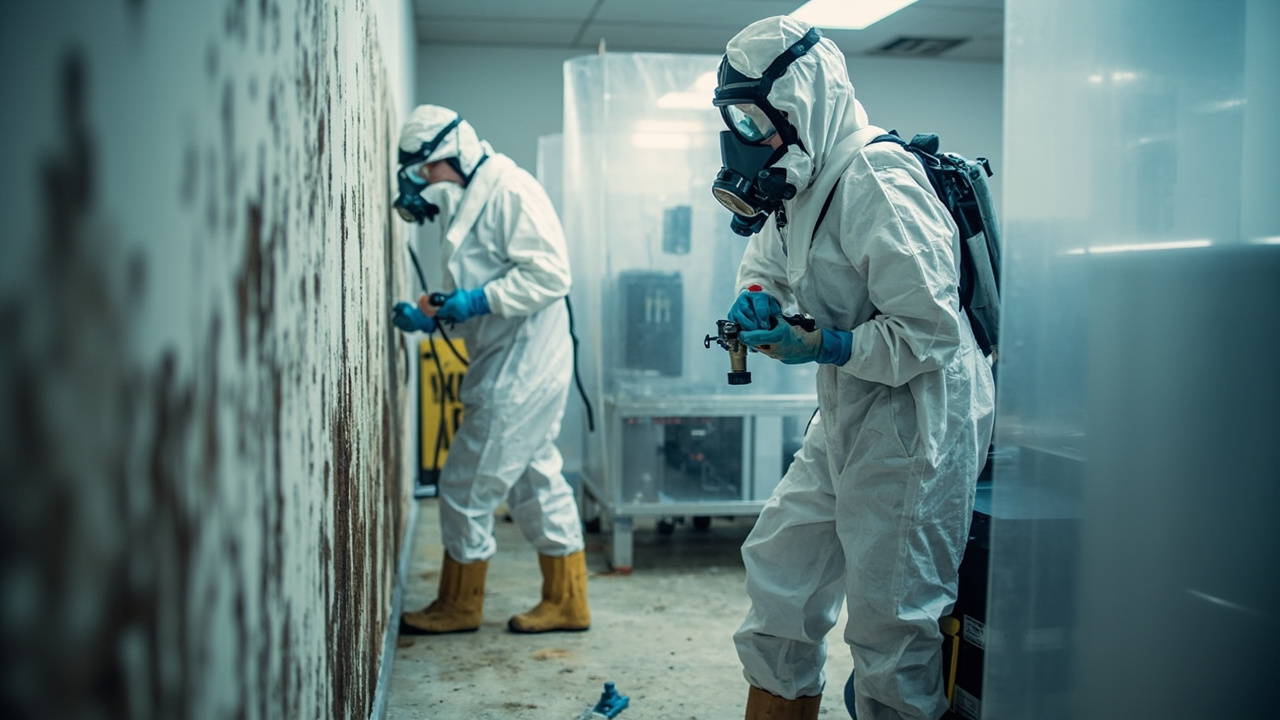
Cincinnati sits in a geographic bowl where the Ohio River meets the Mill Creek and Little Miami River valleys. This topography traps humid air, particularly during summer months when dew points regularly exceed 65 degrees. Commercial buildings with inadequate dehumidification see interior relative humidity climb above 60 percent. At that threshold, mold spores germinate within 48 hours on any organic surface. Warehouses in the Queensgate industrial area and distribution centers near the I-75 corridor face the highest risk because these facilities often lack climate control in loading dock areas where exterior air infiltrates every time a bay door opens.
Ace Water Damage Restoration Cincinnati works with commercial property managers who understand that local building codes require specific ventilation rates for different occupancy types. The Ohio Building Code references ASHRAE standards for commercial HVAC design, but many older Cincinnati facilities were built before these requirements. We coordinate with mechanical engineers and building officials to ensure your post-remediation facility meets current code. This local expertise prevents failed inspections and protects you from future liability. When your insurance carrier or legal team needs documentation, we provide reports that satisfy Hamilton County standards.