




Menu

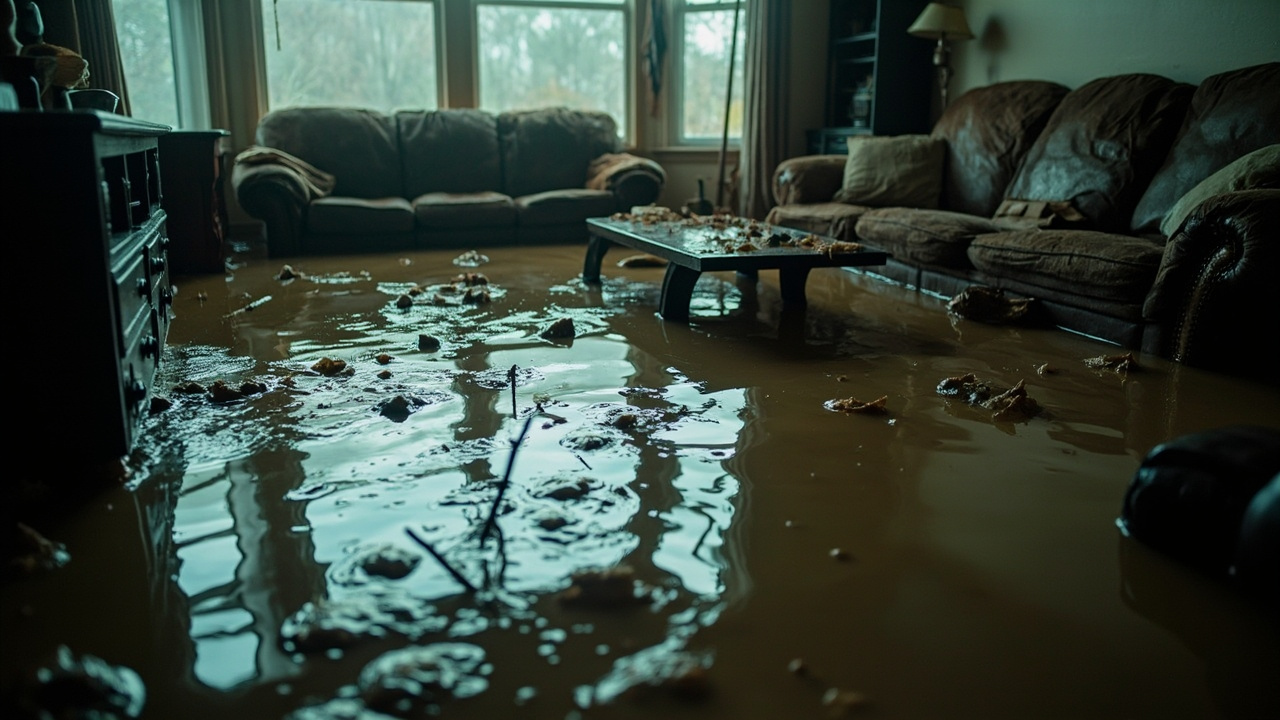
Storm Flooding Emergency Service in Cincinnati – Immediate Dispatch, 24/7 Response Teams Standing By

When storm water invades your home or business, every minute counts. Our rapid storm water extraction crews arrive fast across greater Cincinnati with industrial pumps, thermal imaging, and direct insurance billing to stop the damage now.

Slider Image 1
Slider Image 2
Slider Image 3
Slider Image 4
Slider Image 5
Slider Image 7
Slider Image 8
Slider Image 9
Slider Image 10
Slider Image 11

Why Cincinnati Storm Flooding Demands Immediate Professional Response

Cincinnati sits in a natural basin where the Ohio River meets the Licking and Little Miami Rivers. When severe thunderstorms dump two inches of rain in an hour, the water has nowhere to go. Steep hillsides in neighborhoods like Mount Adams and Price Hill funnel runoff directly into basements. Clay soil beneath most Cincinnati foundations does not absorb water. It pools. It pushes hydrostatic pressure against foundation walls until it finds the crack, the window well, the sump pump that failed during the power outage.

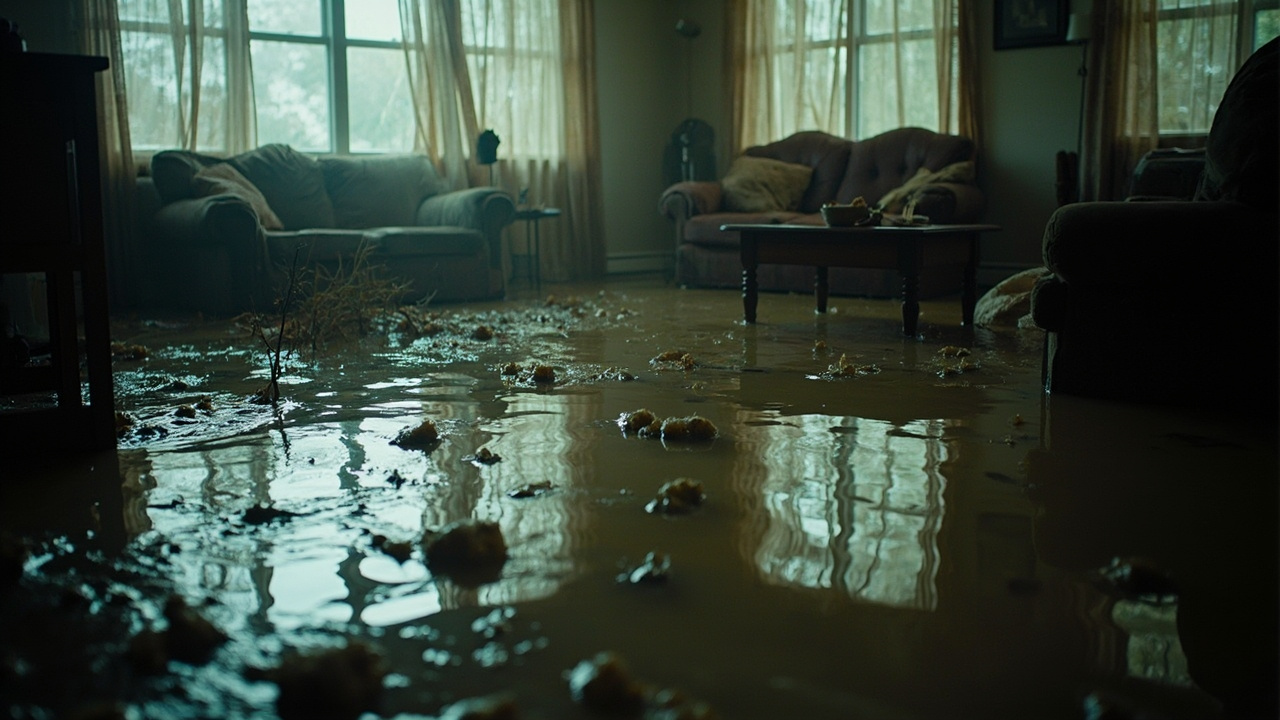
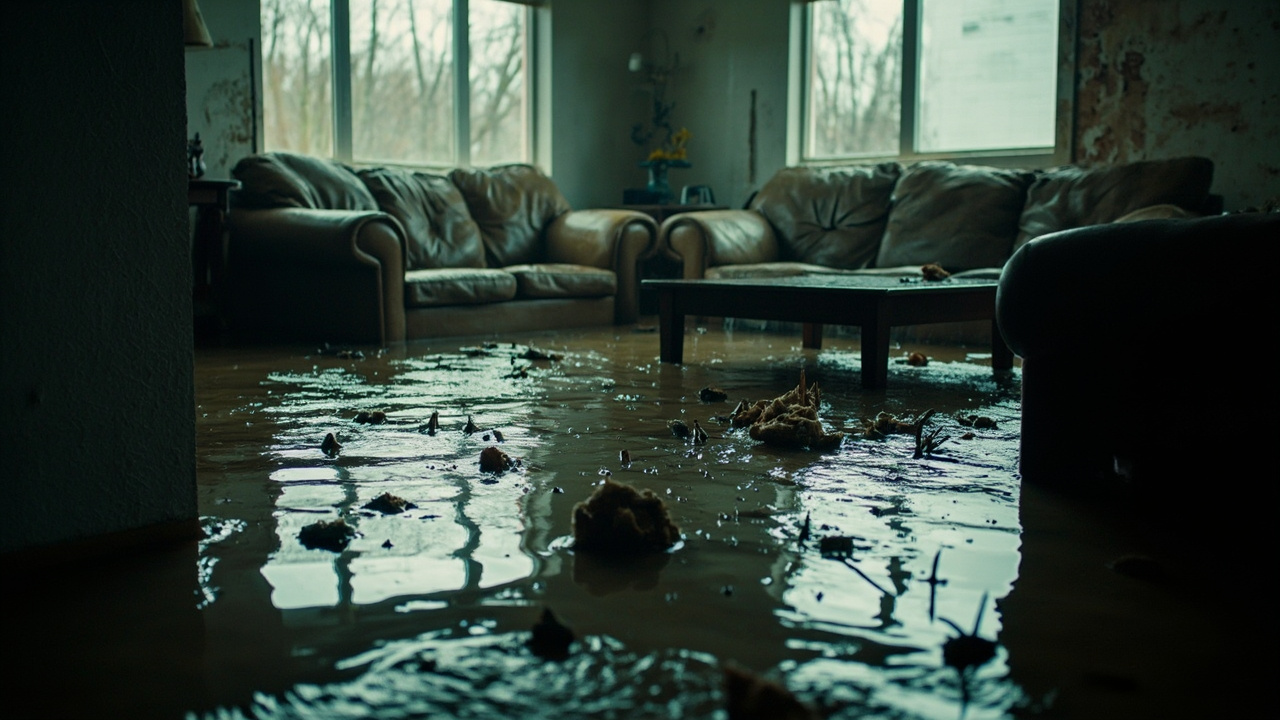
Storm flooding does not wait for business hours. The longer contaminated floodwater sits on your floors, the faster mold colonizes your drywall. Within 24 hours, porous materials begin irreversible degradation. Within 48 hours, you are looking at full demolition instead of targeted drying. Emergency storm damage restoration is not about convenience. It is about stopping a small crisis from becoming a total loss.

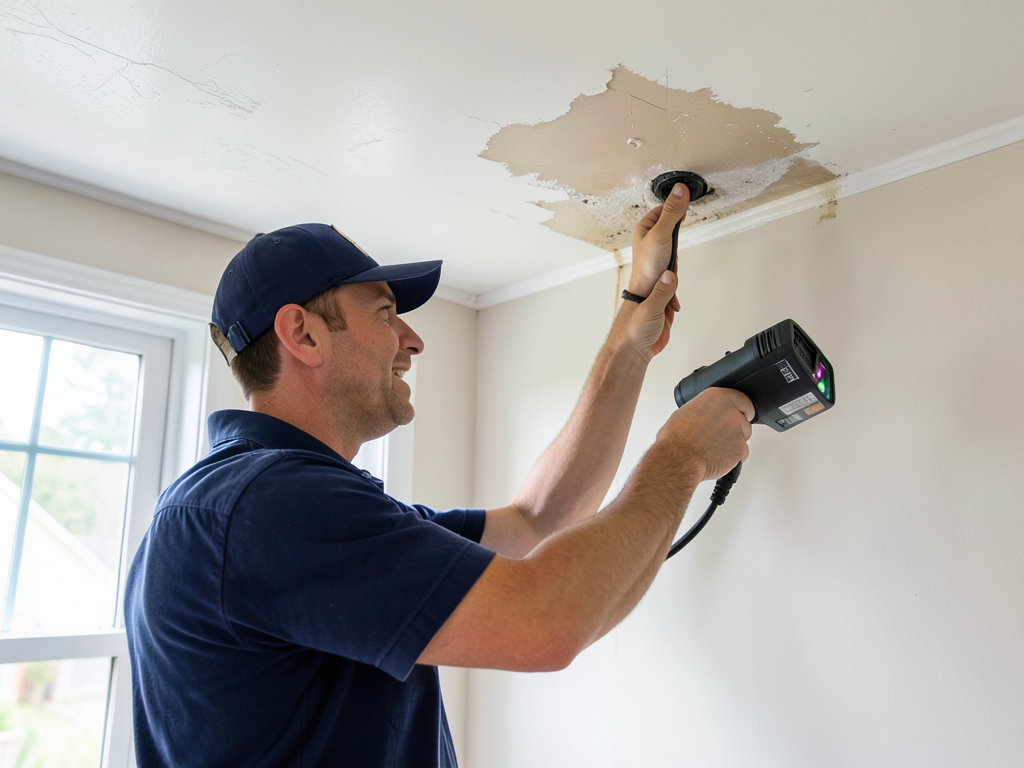
You need 24/7 flood water removal the moment you see water rising. Ace Water Damage Restoration Cincinnati operates around the clock because storms do not check the forecast before they hit. Our trucks carry truck-mounted extraction units capable of removing thousands of gallons per hour. We deploy moisture meters and infrared cameras to find hidden saturation in wall cavities and subfloors. Urgent flood cleanup services mean we arrive with containment barriers, antimicrobial agents, and commercial dehumidifiers before secondary damage takes hold. When the storm hits, the clock starts. We stop it.

Why Cincinnati Storm Flooding Demands Immediate Professional Response
How Professional Rapid Storm Water Extraction Prevents Total Loss

How Professional Rapid Storm Water Extraction Prevents Total Loss

You cannot shop-vac your way out of storm flooding. Category 3 water contains sewage backflow, pesticides from lawns, and bacteria from street runoff. Standing water creates vapor pressure that drives moisture deep into building assemblies. Without proper extraction and drying protocol, you are left with hidden microbial growth and compromised structural integrity.

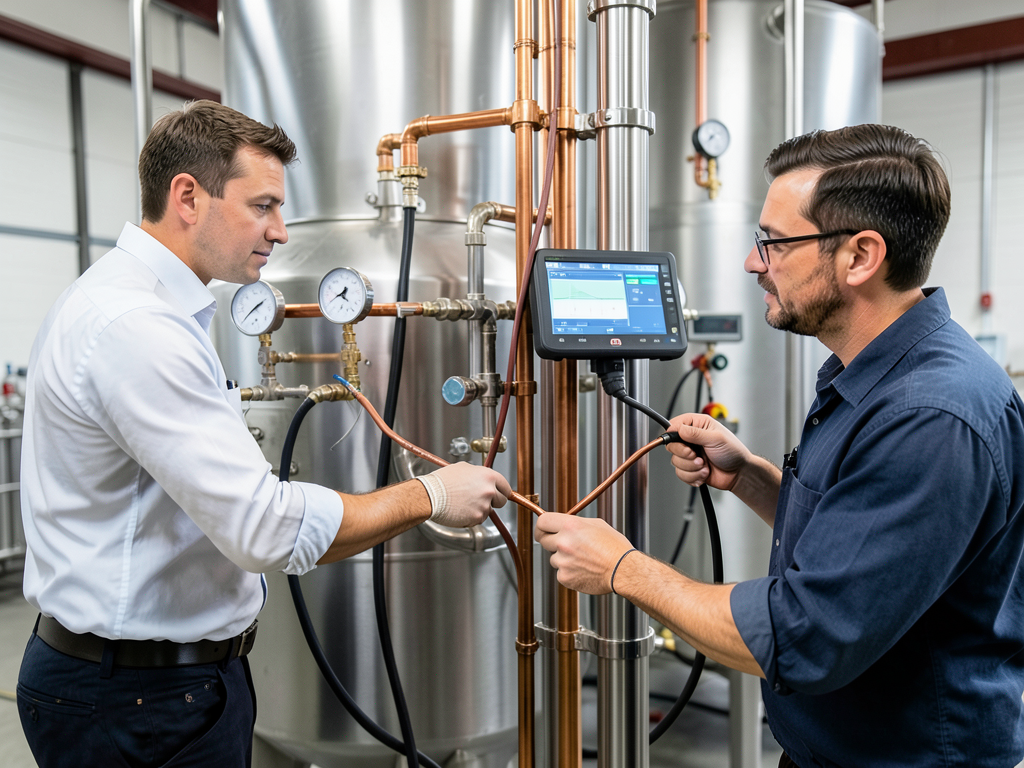
Our emergency flood repair company uses a three-phase mitigation process designed for speed and thoroughness. First, we perform emergency water extraction using truck-mounted pumps and portable extractors. We remove standing water down to the slab or subfloor. Then we deploy air movers and low-grain refrigerant dehumidifiers to create rapid evaporation. We do not just dry the surface. We measure moisture content in framing lumber, insulation, and subflooring using penetrating pin meters and non-invasive sensors.

Third, we apply EPA-registered antimicrobials to all affected surfaces. Storm water carries pathogens. We treat every surface as contaminated until proven otherwise. We document moisture readings daily and adjust equipment placement to ensure complete drying. Most residential flood jobs reach drying standards within three to five days if we start immediately. Wait 48 hours and you are looking at two weeks plus demolition.

We also coordinate directly with your insurance adjuster. We photograph everything, log all readings, and provide detailed estimates using Xactimate software. You do not pay out of pocket and wait for reimbursement. We bill your carrier directly after approval. Speed matters, but so does documentation. We do both.

What Happens When You Call for Emergency Flood Response

Storm Flooding Emergency Service in Cincinnati – Immediate Dispatch, 24/7 Response Teams Standing By
01

Immediate Dispatch and Assessment

When you call our emergency line, a live technician answers. No voicemail. No call-back queue. We dispatch the nearest truck within 60 minutes across Cincinnati and surrounding counties. Our crew arrives with extraction equipment, moisture detection tools, and protective gear. We assess the source, the category of water, and the extent of saturation before we start any work. You get a verbal action plan on-site, not a sales pitch.
02

Water Removal and Containment

We begin extraction immediately using submersible pumps for deep water and weighted wands for carpets and padding. We pull baseboards to ventilate wall cavities and drill weep holes in trapped areas if needed. Containment barriers go up to isolate affected zones and prevent cross-contamination. Air scrubbers with HEPA filtration run continuously to capture airborne particulates. Our goal is zero standing water and maximum airflow within the first four hours.
03

Drying and Monitoring

We place commercial dehumidifiers and air movers in a strategic drying chamber configuration. Moisture meters go into walls, floors, and ceilings. We return daily to record readings and reposition equipment until all materials reach industry-standard dry goals. Once drying is verified, we remove equipment, apply final antimicrobial treatment, and provide a certificate of completion for your insurer. You are cleared to begin repairs with confidence that hidden moisture will not return.

Why Cincinnati Property Owners Choose Local Emergency Restoration Experts

Storm flooding in Cincinnati is not the same as storm flooding in Phoenix. Our crews understand how the Ohio Valley's humidity extends drying time. They know which neighborhoods flood first when Mill Creek overflows. They know that basement apartments in Clifton and Northside sit below street level and flood even when the storm is two miles away. Local knowledge is not a marketing phrase. It is the difference between fast response and guessing where to stage equipment.

Ace Water Damage Restoration Cincinnati maintains relationships with local adjusters, plumbers, and electricians. When your sump pump fails during extraction, we know who can replace it same-day. When your main panel gets submerged, we have a licensed electrician on call who knows Cincinnati electrical code. National franchises dispatch crews from out of state. They do not know the local suppliers. They do not know which streets flood first. They do not know the soil conditions that make your foundation vulnerable.

We also understand Cincinnati's older housing stock. Homes in historic districts like Over-the-Rhine and Mount Auburn have limestone foundations and plaster walls. You cannot treat those materials the same way you treat modern drywall. We adapt our drying protocol to protect original finishes when possible. We have restored flooded basements in century-old rowhouses and new construction in Mason. Experience with both ends of the spectrum matters when the water is rising.

You need a team that answers the phone at 2 a.m. and arrives before the sun comes up. That is what we do.

What to Expect During Emergency Storm Flood Cleanup

Arrival Time and Availability

We maintain 24/7 dispatch with live technicians, not answering services. When you call, a crew is dispatched immediately. Most Cincinnati-area properties see arrival within 60 to 90 minutes depending on traffic and storm conditions. We do not wait until morning. Flooding does not stop at 5 p.m., and neither do we. Our trucks are pre-loaded with extraction equipment, air movers, dehumidifiers, and antimicrobial agents. We arrive ready to work, not to give estimates. Emergency response means we start mitigation the moment we assess the damage.

Damage Assessment and Documentation

Before we extract a single gallon, we document everything. Photos of standing water, moisture meter readings in walls and floors, infrared scans of hidden saturation. We map the affected area and identify the water category. Storm flooding typically qualifies as Category 3, which requires specific treatment protocols. We provide a written scope of work and communicate directly with your insurance adjuster. You get a detailed moisture map and a projected drying timeline. No surprises. No upselling. Just clear documentation of what needs to happen and how long it will take.

Complete Drying and Verification

Drying is not guesswork. We use IICRC S500 standards to define dry goals for every material type. Wood framing must reach below 15 percent moisture content. Concrete slabs must read below 4 percent on a calibrated moisture meter. We measure daily and adjust equipment placement until every reading meets or exceeds the standard. Only then do we remove equipment. You receive a certificate of completion with final moisture readings and thermal images showing complete drying. That documentation protects you if mold appears later due to improper drying elsewhere.

Post-Mitigation Support

Once drying is verified, we provide referrals to licensed contractors for reconstruction if needed. We also offer follow-up inspections to ensure no hidden moisture returned during rebuild. Many homeowners install battery backup sump pumps or whole-house surge protectors after a flood. We can connect you with local suppliers who specialize in flood prevention. Our goal is not just to dry your property. It is to make sure you are better prepared if it happens again. We stay available for questions long after the equipment is gone.

Frequently Asked Questions

You Have Questions,
We Have Answers

What are the emergency procedures for flooding? +

Cut power to affected areas immediately to prevent electrocution. Evacuate if water rises rapidly or local authorities issue warnings. Move valuables and electronics to higher floors. Do not walk through moving water above ankle height. Document damage with photos for insurance claims. Call a 24/7 water damage restoration company to begin extraction and drying within the first 24 hours. Cincinnati's clay soil and aging sewer systems increase basement flooding risk, so acting fast prevents structural damage and mold growth. Never enter a flooded basement until power is confirmed off.

Is flooding considered an emergency? +

Yes. Flooding is a life-threatening emergency that demands immediate action. Standing water breeds mold within 24 to 48 hours, compromises structural integrity, and poses electrocution risks if power remains on. In Cincinnati, flash flooding from severe thunderstorms and Ohio River overflow can escalate quickly, especially in low-lying neighborhoods near Mill Creek or the riverfront. Contaminated floodwater from sewage backups carries bacteria and pathogens. Treat all flooding as urgent. Evacuate if unsafe, then contact emergency restoration services to mitigate damage and protect your property and health.

How to apply for FEMA $750? +

FEMA's Serious Needs Assistance provides $750 for immediate emergency expenses after a federally declared disaster. Apply online at DisasterAssistance.gov or call 1-800-621-3362. You need your Social insurance number, address, contact information, and insurance details. Document all flood damage with photos and receipts. The $750 is an upfront payment, not a total payout. Additional assistance may follow after FEMA inspects your property. Register within 60 days of the disaster declaration. Cincinnati residents affected by Ohio River flooding or severe storms should apply immediately to access critical funds for temporary housing, food, or cleanup costs.

Who do you call if your house is flooding? +

Call a 24/7 emergency water damage restoration company immediately. They dispatch crews to extract water, assess structural damage, and begin drying to prevent mold. If flooding threatens life or safety, call 911 first. Contact your insurance provider to start a claim while restoration is underway. Cincinnati homeowners facing basement flooding from burst pipes, sump pump failures, or heavy rainfall need rapid response. Local restoration teams understand the area's clay soil drainage issues and high humidity, which accelerate mold growth. Do not wait. Every hour delays recovery and increases repair costs and health risks.

What are 5 emergency procedures? +

First, evacuate if water rises quickly or authorities order it. Second, shut off electricity to flooded areas to prevent electrocution. Third, stop the water source if possible, like a burst pipe or overflowing appliance. Fourth, document all damage with photos and video for insurance claims. Fifth, contact a professional water damage restoration company within 24 hours to begin extraction, drying, and mold prevention. Cincinnati's humid climate and older housing stock make rapid drying critical. Do not attempt large-scale cleanup alone. Contaminated floodwater and hidden moisture behind walls require professional equipment and expertise.

What are 10 items in an emergency kit for flood? +

Pack a waterproof bag with these essentials. First, bottled water for three days per person. Second, non-perishable food like canned goods and energy bars. Third, a battery-powered or hand-crank weather radio. Fourth, flashlights with extra batteries. Fifth, a first aid kit. Sixth, prescription medications and copies of medical records. Seventh, important documents in waterproof bags, including insurance policies and IDs. Eighth, cash in small bills. Ninth, a multi-tool or knife. Tenth, personal hygiene items and blankets. Cincinnati residents near the Ohio River or Mill Creek should keep kits accessible on upper floors.

Who is liable for flooding? +

Liability depends on the flooding source. Property owners are responsible for maintaining their land to prevent runoff damage to neighbors. If a burst pipe or faulty appliance causes flooding, the homeowner is typically liable. Landlords are liable if negligence, like ignoring roof leaks or broken gutters, leads to tenant flooding. Municipalities may be liable if storm drain failures or sewer backups cause damage. In Cincinnati, where aging infrastructure and heavy rainfall strain systems, determining liability requires documentation and sometimes legal counsel. Always document damage, contact your insurance provider, and consult a local attorney for complex claims.

What are four types of emergencies? +

Natural emergencies include floods, tornadoes, earthquakes, and wildfires. Technological emergencies involve hazardous material spills, power outages, or infrastructure failures. Health emergencies include pandemics, disease outbreaks, or mass casualties. Human-caused emergencies cover terrorism, civil unrest, or active shooter situations. Cincinnati faces flood risks from the Ohio River and severe thunderstorms, plus occasional tornadoes. The city's older water and sewer systems can fail during heavy rain, creating secondary emergencies. Understanding these categories helps you prepare response plans, stock emergency supplies, and know when to evacuate or shelter in place. Preparation saves lives and property.

Can you flush a toilet during a flood? +

Avoid flushing toilets during active flooding. If floodwater reaches your sewer line or septic system, it can back up into your home, spreading contaminated waste throughout your property. Cincinnati's combined sewer system can overflow during heavy rain, causing raw sewage to mix with floodwater. If you must use the toilet, check if your plumbing is still functional and water is draining properly. Once flooding recedes, inspect your system before resuming normal use. Professional restoration teams can assess sewer backups and sanitize affected areas. Never assume floodwater is clean. Treat all standing water as contaminated.

What is the average FEMA flood payout? +

FEMA flood payouts vary widely based on damage severity, insurance coverage, and eligibility. The average ranges from $5,000 to $15,000 for Individual Assistance programs, but this is not flood insurance. FEMA assistance covers temporary housing, essential repairs, and personal property losses not covered by insurance. It does not replace everything. If you have flood insurance through the National Flood Insurance Program, claims average $30,000 to $40,000 but depend on coverage limits. Cincinnati homeowners near floodplains should carry flood insurance. FEMA assistance is a safety net, not full compensation. Document all damage thoroughly to maximize your payout.

Why Cincinnati's Topography and River Basin Make Rapid Flood Response Critical

Cincinnati's location at the confluence of three rivers creates a perfect storm for flash flooding. Steep hillsides in neighborhoods like Mount Washington and Columbia Tusculum channel rainwater downhill faster than storm drains can handle. Clay soil beneath most homes prevents absorption, forcing water to pool against foundations and infiltrate through cracks and window wells. When the National Weather Service issues a flash flood warning, basements in low-lying areas like Lower Price Hill and Sedamsville flood within minutes. Emergency storm damage restoration cannot wait until the rain stops. By then, contaminated water has soaked insulation, drywall, and subflooring.

Choosing a local Cincinnati emergency flood repair company means working with crews who know which streets flood first and how to navigate road closures during severe weather. We stage equipment in multiple locations across Hamilton County to reduce response time. We maintain relationships with local insurance adjusters who trust our documentation and understand how Cincinnati's unique flood risks affect claims. National chains dispatch crews from Columbus or Louisville. They do not know the Mill Creek Expressway floods during heavy rain. They do not know your basement in Clifton floods because the city storm sewer backs up. Local knowledge saves hours. Hours save your property.
Water Damage Restoration Services in The Cincinnati Area

We are proud to serve the entire Cincinnati area, providing expert water damage restoration services wherever and whenever they are needed. We understand the unique challenges our local community faces and are committed to being there for our neighbors. View our service area on the map to see how we can assist you, or simply give us a call for immediate dispatch to your location.

Address:
Ace Water Damage Restoration Cincinnati, 1507 Dana Ave, Cincinnati, OH, 45207

Additional Services We Offer

Our news updates

Latest Articles & News from The Blogs

Finding the Source of a Slab Leak in Your Mack Home Slab leaks in Mack OH homes are more than…

Finding the Source of a Slab Leak in Your Mack Home

Finding the Source of a Slab Leak in Your Mack Home Slab leaks in Mack OH homes are more than…

What to Do When Your Water Heater Bursts in Madisonville

Emergency Water Heater Burst Cleanup in Madisonville, Cincinnati \n\n A water heater burst in Madisonville creates immediate flooding that can…

Salvaging Important Paper Documents and Photos After an Amberley Village Flood

Salvaging Important Paper Documents and Photos After an Amberley Village Flood When floodwaters rush through Amberley Village basements, the damage…

Contact Us

Storm water does not wait. Neither should you. Our crews are standing by 24/7 with rapid storm water extraction equipment ready to deploy. Call (513) 717-2522 now for immediate dispatch across greater Cincinnati.