




Menu

Sump Pump Failure Cleanup in Cincinnati | 24/7 Emergency Response Within 60 Minutes

When your sump pump fails and water floods your basement, every minute counts. Our emergency sump pump failure cleanup teams are dispatched immediately across Cincinnati to stop water damage, extract standing water, and restore your property before mold takes hold.

Slider Image 1
Slider Image 2
Slider Image 3
Slider Image 4
Slider Image 5
Slider Image 7
Slider Image 8
Slider Image 9
Slider Image 10
Slider Image 11

Why Sump Pump Failures Happen Without Warning in Cincinnati Basements

You walk downstairs and step into two inches of cold water. Your sump pump died, and your basement is flooding.

Cincinnati's weather patterns make sump pump failure particularly destructive. When spring storms dump three inches of rain in six hours, the water table around your foundation surges. Your sump pump kicks on and runs continuously until the motor burns out or the float switch jams. By the time you notice, groundwater has already flooded your basement.

The clay soil common throughout Hamilton County compounds the problem. Clay absorbs water slowly, which means heavy rains create hydrostatic pressure against your foundation walls for days after the storm passes. A working sump pump handles this pressure by pumping water away from your foundation continuously. When it fails, that pressure forces water through foundation cracks, floor joints, and window wells.

Sump pump overflow cleanup is not just about removing water. Groundwater carries soil, bacteria, and dissolved minerals into your basement. This contaminated water soaks into drywall, insulation, and wooden framing within hours. Without immediate sump pump backup water removal, you face structural damage, mold growth, and destroyed belongings.

Most sump pump failures happen at the worst possible time: during heavy rain when you need the pump most. The motor overheats from continuous operation, or debris clogs the discharge line. Power outages during storms leave the pump useless even if it works perfectly. Broken sump pump water damage restoration requires specialized equipment to extract water, dry structural materials, and prevent secondary damage. Waiting until morning or trying to handle it yourself with a shop vacuum will cost you thousands more in repairs.

Why Sump Pump Failures Happen Without Warning in Cincinnati Basements
How Professional Sump Pump Failure Water Extraction Prevents Structural Damage

How Professional Sump Pump Failure Water Extraction Prevents Structural Damage

Emergency sump pump cleanup services start the moment you call. Our dispatch sends the closest crew to your location immediately, not "when someone becomes available." We arrive with truck-mounted extraction units that remove hundreds of gallons per hour, not the five gallons a household wet vac holds.

The first priority is stopping the water source. We assess whether your sump pump can be repaired immediately or needs temporary bypass pumping while you arrange replacement. Our technicians install emergency pumps that discharge water away from your foundation, preventing additional groundwater infiltration while we work.

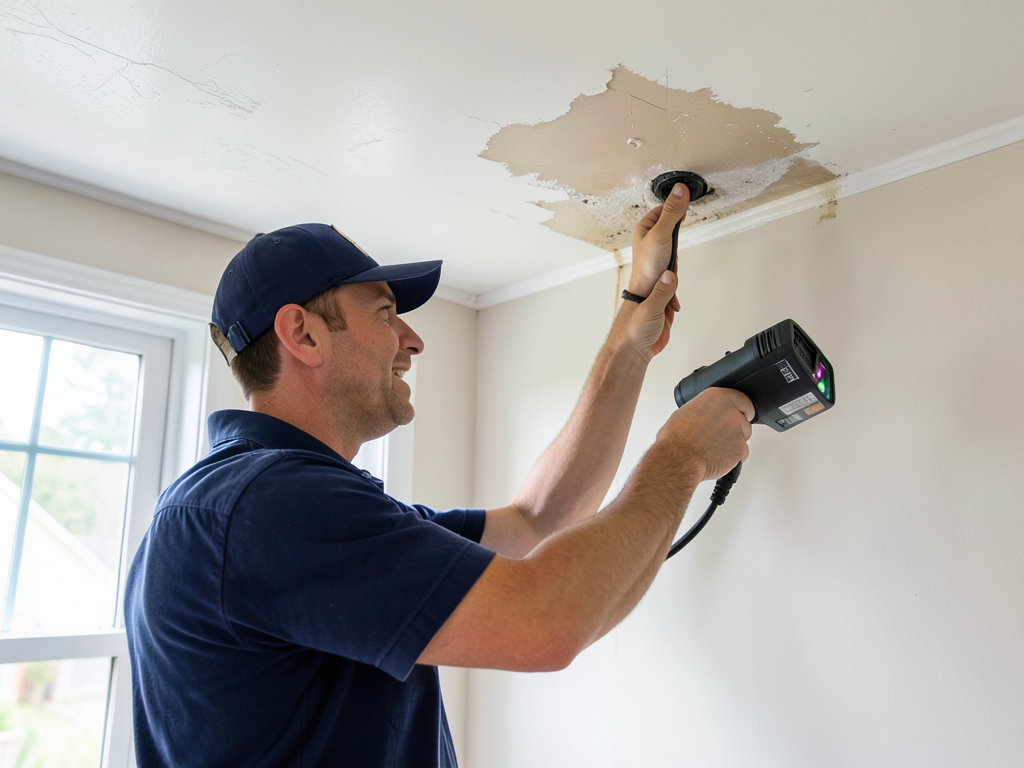
Water extraction uses high-capacity submersible pumps and weighted wands that pull water from carpet padding, behind baseboards, and under finished flooring. We document water levels and affected areas with moisture meters and thermal imaging cameras. This documentation proves the extent of damage to your insurance adjuster and ensures nothing gets missed during restoration.

After extraction, we deploy commercial air movers and dehumidifiers calibrated to your basement's square footage and humidity levels. Proper drying is not about pointing fans at wet spots. Air movement must create controlled evaporation while dehumidifiers capture moisture from the air before it condenses on cooler surfaces. We monitor moisture content in framing, subfloors, and drywall daily until readings return to normal.

Antimicrobial treatment follows drying. Groundwater contains bacteria and organic matter that feeds mold growth. We apply EPA-registered disinfectants to all affected surfaces, including areas you cannot see like wall cavities and under cabinets. This treatment kills existing contamination and inhibits future growth during the drying process.

The difference between professional sump pump failure water extraction and DIY cleanup is structural preservation. We save your foundation, framing, and mechanicals instead of just removing surface water.

What Happens During Emergency Sump Pump Cleanup

Sump Pump Failure Cleanup in Cincinnati | 24/7 Emergency Response Within 60 Minutes
01

Immediate Water Removal

We deploy truck-mounted extractors and submersible pumps within minutes of arrival to remove standing water from your basement. Our technicians identify the failure point in your sump system and install temporary pumping solutions to prevent additional water infiltration while extraction continues. We document initial water depth and affected areas with moisture mapping technology for insurance claims and restoration planning.
02

Structural Drying Setup

After extraction, we position commercial air movers and dehumidifiers throughout the affected space to create controlled evaporation. Our technicians measure moisture content in walls, floors, and structural framing to establish drying targets. We seal off the work area to maximize drying efficiency and prevent humidity from migrating to unaffected areas. Equipment runs continuously with daily monitoring until all materials reach normal moisture levels.
03

Sanitization and Restoration

Once structural materials are dry, we apply antimicrobial treatments to all surfaces exposed to groundwater contamination. Our technicians remove and dispose of materials that cannot be salvaged, including saturated insulation, damaged drywall, and compromised flooring. We provide detailed documentation of the restoration process and coordinate with your insurance provider to ensure proper claim handling. Your basement is returned to pre-loss condition and ready for use.

Why Cincinnati Homeowners Trust Local Sump Pump Emergency Response

When your sump pump fails at 2 AM during a thunderstorm, you need a team that knows Cincinnati's neighborhoods and can navigate to your property quickly. Ace Water Damage Restoration Cincinnati maintains response teams throughout Hamilton County, which means we reach homes in Westwood, Anderson Township, and Blue Ash faster than regional franchises routing calls through out-of-state call centers.

Our technicians understand the specific foundation and drainage challenges in Cincinnati properties. Homes built in the 1950s and 1960s in neighborhoods like Mount Washington and Hyde Park have stone foundations with weep holes that require different treatment than poured concrete foundations in newer developments. We know which basement configurations are common in each area and adjust our extraction and drying strategies accordingly.

Local building codes in Cincinnati require specific procedures for water damage restoration, particularly regarding mold remediation and structural drying verification. Our crews follow these requirements without delays or callbacks. We work directly with local insurance adjusters who handle claims in Hamilton County regularly, which speeds up approval processes and ensures you receive fair compensation for damages.

The Ohio River valley's humidity creates unique drying challenges that out-of-town contractors often underestimate. Summer humidity above 70 percent slows evaporation and requires more aggressive dehumidification than drier climates. We calibrate equipment based on current local weather conditions and seasonal humidity patterns, not generic drying charts. This prevents extended drying times that allow mold to develop in hidden spaces.

You also get direct communication with the crew working in your home. No call centers, no automated updates, no confusion about who is responsible for what. When you call our number, you speak with someone who knows your property and can answer specific questions about your restoration progress.

What to Expect During Sump Pump Failure Cleanup

Response Time and Availability

We answer emergency calls 24 hours a day, seven days a week, including holidays. Our dispatch protocol sends the closest available crew to your location immediately, with arrival typically within 60 minutes for most Cincinnati addresses. Night and weekend calls receive the same priority as weekday emergencies. Our technicians arrive with fully equipped trucks ready to begin extraction immediately, not just to provide estimates. You will receive a phone call when the crew is en route with an updated arrival time. We understand that every hour of delay increases damage severity and restoration costs.

Initial Assessment and Documentation

The crew chief conducts a detailed assessment before beginning work, identifying all affected areas and moisture intrusion points. We use thermal imaging cameras to detect hidden water in walls and under flooring that is not visible to the eye. Moisture meters provide baseline readings for structural materials including subfloors, drywall, and wooden framing. We document everything with photographs and written reports for your insurance claim. This assessment determines equipment needs and drying timelines. You receive a clear explanation of the restoration process and timeline before we begin work, with no surprises about scope or procedures.

Restoration Quality and Standards

Our restoration follows IICRC S500 standards for water damage remediation, which establishes specific protocols for extraction, drying, and contamination control. We dry structural materials to verified moisture levels using daily meter readings, not guesswork or timelines. Your basement will be restored to pre-loss condition with proper sanitization of all affected surfaces. Materials that cannot be salvaged are removed and disposed of properly, with clear documentation of what was discarded and why. We coordinate with your insurance adjuster to ensure claim accuracy and prevent disputes. The work area is left clean and ready for any finish work or repairs you arrange separately.

Post-Restoration Support and Prevention

After completing restoration, we provide recommendations for preventing future sump pump failures, including backup pump systems and battery backup options. Our technicians explain warning signs that indicate your sump pump needs maintenance or replacement before it fails. We remain available to answer questions about the restoration process or address any concerns that arise after we complete the work. If your insurance company requests additional documentation or moisture verification, we provide it promptly. We also offer periodic basement inspections to check for recurring moisture issues or drainage problems that could lead to future water damage.

Frequently Asked Questions

You Have Questions,
We Have Answers

How to clean up after sump pump failure? +

Stop the water source first. If your sump pump failed, shut off power to it and remove standing water with a wet vac or pump. Move furniture and belongings to dry areas. Document everything with photos for insurance. In Cincinnati basements, humidity spikes fast after flooding, so open windows and run fans immediately. Remove soaked drywall, carpeting, and insulation within 24 hours to prevent mold. Disinfect all surfaces with antimicrobial cleaner. Call a professional restoration team immediately. They use industrial extractors and dehumidifiers to dry structural materials you cannot reach. Speed matters. Delay risks mold and structural damage.

How much does it cost to have a sump pump cleaned? +

Routine sump pump cleaning typically costs between affordable and reasonable, but post-failure cleanup is different. Water damage restoration after a sump pump failure involves water extraction, structural drying, mold prevention, and repairs. Costs depend on how much water entered your basement, how long it sat, and what materials got damaged. Cincinnati basements with finished spaces or older foundations face higher costs. Most homeowners insurance policies cover sudden sump pump failures, so document everything immediately. Contact a restoration company for a free assessment. They work directly with your insurance adjuster to streamline claims and minimize your out-of-pocket expense.

How do you clean sludge out of a sump pump? +

Disconnect power to the sump pump first. Remove the pump from the pit and take it outside. Use a garden hose to rinse loose debris and sludge from the impeller and intake screen. Scrub the pump housing with a stiff brush and white vinegar to break down mineral buildup common in Cincinnati groundwater. Check the float switch for sediment buildup. For the sump pit itself, scoop out heavy sludge with a bucket, then use a wet vac to remove remaining debris. Flush the pit with clean water. Inspect the discharge line for clogs. Replace the pump if corrosion or damage exists.

What to do when a sump pump fails? +

Act fast. Shut off power to the sump pump immediately. If water is rising, use a backup pump or wet vac to remove standing water. Move valuables and furniture to higher ground. Call a 24-hour water damage restoration company right away. In Cincinnati, basement flooding spreads quickly through porous concrete and can saturate floor joists within hours. Open windows and run fans if safe to do so. Take photos and videos for your insurance claim. Do not wait to see if the pump restarts. Hesitation allows mold to take hold and structural damage to worsen. Professional help stops the damage fast.

Can I put a chlorine tablet in my sump pump? +

No. Chlorine tablets dissolve slowly and create uneven chemical concentrations that can corrode your sump pump components and discharge pipes. They also produce harmful fumes in enclosed basement spaces. For odor control in Cincinnati sump pits, use a small amount of white vinegar or a pump-specific cleaner instead. If you smell sewage or standing water odors after a sump failure, the issue is contamination, not a cleaning problem. You need professional disinfection and odor removal. Chlorine tablets will not address bacterial growth in saturated drywall, insulation, or subflooring. Focus on drying and sanitizing affected materials properly.

How to sanitize a floor after a flood? +

Remove all standing water first. Scrub the floor with hot water and a stiff brush to loosen dirt and contaminants. Mix a disinfectant solution of one cup bleach per gallon of water, or use a commercial antimicrobial cleaner rated for flood cleanup. Apply it generously and let it sit for 10 minutes. Scrub again, then rinse with clean water. In Cincinnati basements with porous concrete, groundwater flooding often brings bacteria and sediment. Use fans and dehumidifiers to dry the floor completely within 48 hours. If the flood touched drywall or insulation, those materials need professional removal and replacement to prevent hidden mold growth.

How Cincinnati's Spring Storms and Clay Soil Create Sump Pump Emergencies

Cincinnati receives an average of 44 inches of rain annually, with the heaviest rainfall occurring during spring months when the water table is already elevated from snowmelt. The clay-heavy soil throughout Hamilton County absorbs water slowly, which means heavy rains create sustained hydrostatic pressure against basement foundations for days after storms pass. This extended pressure overwhelms sump pumps that run continuously until motors burn out or discharge lines freeze during cold snaps. Homes in low-lying areas near Mill Creek, the Little Miami River, and tributaries of the Ohio River face the highest risk during multi-day rain events when groundwater has nowhere to drain.

Cincinnati's mix of historic homes and newer construction requires restoration contractors who understand different foundation types and basement configurations. Stone foundations common in pre-1950s homes in neighborhoods like Clifton and Northside require different moisture management than modern poured concrete foundations. Local contractors familiar with these variations provide more effective restoration because we adjust techniques based on your home's construction. Working with a Cincinnati-based team also means faster response times during widespread storm events when national franchises are overwhelmed with calls from multiple states. We focus exclusively on this region, which means your emergency gets immediate attention.
Water Damage Restoration Services in The Cincinnati Area

We are proud to serve the entire Cincinnati area, providing expert water damage restoration services wherever and whenever they are needed. We understand the unique challenges our local community faces and are committed to being there for our neighbors. View our service area on the map to see how we can assist you, or simply give us a call for immediate dispatch to your location.

Address:
Ace Water Damage Restoration Cincinnati, 1507 Dana Ave, Cincinnati, OH, 45207

Additional Services We Offer

Our news updates

Latest Articles & News from The Blogs

Finding the Source of a Slab Leak in Your Mack Home Slab leaks in Mack OH homes are more than…

Finding the Source of a Slab Leak in Your Mack Home

Finding the Source of a Slab Leak in Your Mack Home Slab leaks in Mack OH homes are more than…

What to Do When Your Water Heater Bursts in Madisonville

Emergency Water Heater Burst Cleanup in Madisonville, Cincinnati \n\n A water heater burst in Madisonville creates immediate flooding that can…

Salvaging Important Paper Documents and Photos After an Amberley Village Flood

Salvaging Important Paper Documents and Photos After an Amberley Village Flood When floodwaters rush through Amberley Village basements, the damage…

Contact Us

Your basement is flooding right now. Every minute you wait allows more water damage, higher restoration costs, and greater mold risk. Call Ace Water Damage Restoration Cincinnati at (513) 717-2522 for immediate dispatch. Our crews are standing by 24/7 to stop the water and start restoration.