




Menu

Steps to Take After a Flood in Cincinnati – Your Complete Recovery Checklist from Assessment to Full Restoration

When floodwater invades your Cincinnati home, every hour counts. Learn the exact immediate actions after flooding that protect your property, prevent secondary damage, and streamline insurance claims from start to finish.

Slider Image 1
Slider Image 2
Slider Image 3
Slider Image 4
Slider Image 5
Slider Image 7
Slider Image 8
Slider Image 9
Slider Image 10
Slider Image 11

Why Cincinnati Flooding Creates Unique Recovery Challenges

Cincinnati's position along the Ohio River and its tributaries makes flooding a recurring threat, not a rare event. The city's mix of historic brick homes in Over-the-Rhine, mid-century ranches in Anderson Township, and newer construction in Mason each react differently to floodwater intrusion. Clay-heavy soils throughout Hamilton County hold water longer, which means basements stay saturated days after the visible water recedes.

What to do after a house flood depends heavily on water category and exposure time. River flooding brings Category 3 contaminated water carrying sewage, chemicals, and bacteria. This creates immediate health risks that demand professional mitigation, not DIY cleanup. Older Cincinnati homes with limestone foundations absorb floodwater differently than poured concrete, and many historic properties have crawlspaces that trap moisture and breed mold within 48 hours.

The post-flood recovery checklist starts the moment water enters your home. Insurance documentation, structural assessment, and contamination evaluation must happen simultaneously. Many Cincinnati residents delay critical steps because they underestimate hidden damage behind drywall or beneath hardwood floors. By the time visible mold appears in Oakley or Clifton homes, spore counts have already reached dangerous levels.

Cincinnati's humid summers compound flood damage. Even after visible water disappears, relative humidity above 60 percent keeps building materials wet. This creates perfect conditions for microbial growth and structural deterioration. Understanding these local factors separates effective water damage clean up steps from incomplete restoration that leads to recurring problems.

Why Cincinnati Flooding Creates Unique Recovery Challenges
The Professional Approach to Flood Recovery

The Professional Approach to Flood Recovery

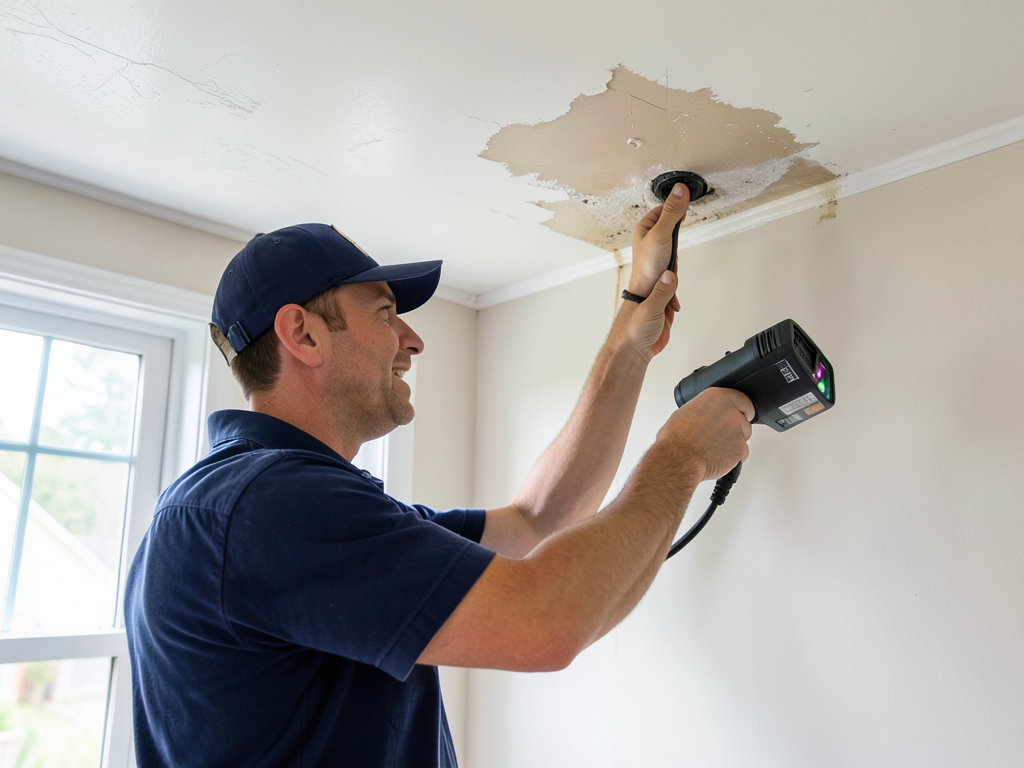
Professional flood restoration follows Institute of Inspection, Cleaning and Restoration Certification protocols, not guesswork. The process begins with moisture mapping using thermal imaging cameras and penetrating moisture meters. These tools detect water migration patterns invisible to the naked eye. In Cincinnati's brick homes, water wicks up through mortar joints and can travel 15 feet horizontally before showing surface signs.

Immediate actions after flooding include establishing negative air pressure zones. This prevents cross-contamination between affected and unaffected areas. Industrial air movers create directional airflow that pushes moisture toward dehumidification equipment, not into adjacent rooms. This controlled drying prevents secondary damage that insurance adjusters classify as neglect rather than covered loss.

Antimicrobial treatment addresses Category 3 water contamination. EPA-registered disinfectants applied through electrostatic sprayers reach surfaces that manual wiping misses. This step matters in Cincinnati because Ohio River floodwater carries agricultural runoff, industrial discharge, and raw sewage. Surface cleaning does not eliminate embedded pathogens in porous materials like drywall, insulation, and subflooring.

Documentation drives insurance claim success. Timestamped photos, moisture readings logged twice daily, and detailed scope of loss reports provide the evidence adjusters require. Many Cincinnati homeowners lose thousands in claim denials because they lack professional documentation showing damage progression and mitigation efforts. Guide to handling flood damage means creating an evidence trail from initial loss through final restoration.

Structural drying targets specific moisture content levels, not arbitrary timeframes. Wood framing must reach 15 percent moisture content or below. Concrete slabs require different protocols than wood subfloors. Ace Water Damage Restoration Cincinnati uses psychrometric calculations to determine exact equipment placement and runtime, turning art into science.

What Happens During Professional Flood Recovery

Steps to Take After a Flood in Cincinnati – Your Complete Recovery Checklist from Assessment to Full Restoration
01

Emergency Contact and Assessment

When you call our 24/7 emergency line, we dispatch a crew to your Cincinnati property within 90 minutes. The initial assessment documents water category, affected square footage, and structural concerns. We identify immediate safety hazards like electrical risks and compromised flooring. Thermal imaging reveals hidden water intrusion in walls and ceilings. This creates your customized mitigation plan and provides documentation your insurance adjuster needs before approving work.
02

Water Extraction and Containment

Truck-mounted extractors remove standing water at 200 gallons per minute. We establish containment barriers using polyethylene sheeting to isolate damaged areas and prevent airborne contaminants from spreading. HEPA air scrubbers run continuously to filter particulates and odors. Flooring, baseboards, and lower drywall sections are removed to expose wet framing and insulation. This controlled demolition follows industry standards for structural drying and prevents unnecessary destruction of salvageable materials.
03

Drying and Final Verification

Industrial dehumidifiers and air movers run 24/7 until moisture meters confirm all materials meet dry standards. We monitor conditions twice daily and adjust equipment placement based on psychrometric readings. After structures dry completely, we conduct final antimicrobial treatment and provide detailed documentation showing your property returned to preloss condition. This certification satisfies insurance requirements and protects you from future liability if moisture problems resurface.

Why Cincinnati Homeowners Trust Local Flood Restoration Experts

Cincinnati's building stock ranges from 1880s Italianate homes in Mount Adams to 1990s subdivisions in West Chester. Each construction type requires different restoration approaches. Ace Water Damage Restoration Cincinnati understands how balloon framing in historic districts allows water to travel vertically through wall cavities, while platform framing in newer homes contains water damage to single floors.

We work directly with Cincinnati-area insurance adjusters from Cincinnati Insurance, Grange, and State Auto who know local flood patterns. This relationship streamlines claim approval because adjusters trust our documentation and restoration protocols. Out-of-town restoration companies often over-document or under-document, triggering claim disputes that delay your recovery by weeks.

Local expertise extends to understanding Hamilton County building codes and permit requirements. Electrical systems exposed to floodwater require inspection before power restoration. HVAC systems with wet ductwork need professional cleaning or replacement to prevent mold distribution. We coordinate these inspections and arrange required permits so you avoid code violations that complicate future property sales.

Our equipment inventory stays in Cincinnati, not three states away. When flooding hits multiple neighborhoods simultaneously, national franchises ship equipment from regional hubs. This creates 48-hour delays that turn manageable water damage into total losses requiring gut renovations. Our local response means we start mitigation within hours, not days.

Cincinnati's microbial profile matters for antimicrobial selection. Ohio River basin molds include Stachybotrys, Aspergillus, and Penicillium species that require specific treatment protocols. We test air and surface samples at independent labs and select EPA-registered biocides proven effective against identified species. Generic cleaning does not eliminate these resilient organisms that thrive in Cincinnati's humid climate.

What to Expect During Your Flood Recovery

Immediate Response Timeline

We answer emergency calls 24/7/365 and dispatch crews within 90 minutes anywhere in Hamilton County, including Loveland, Norwood, and Milford. Our initial assessment takes 45-60 minutes and includes thermal imaging, moisture mapping, and safety evaluation. Water extraction begins immediately upon arrival with truck-mounted equipment. Containment barriers and air filtration start within the first two hours. You receive a detailed mitigation plan and insurance documentation before our crew leaves your property on day one. This immediate response prevents secondary damage that multiplies restoration costs and extends displacement time.

Comprehensive Damage Assessment

Our certified technicians use moisture meters to test wood framing, drywall, insulation, and subflooring at dozens of locations throughout affected areas. Thermal imaging cameras identify water migration patterns behind finished surfaces. We document findings with timestamped photos and detailed notes that satisfy insurance requirements. The assessment identifies water category, contamination levels, and necessary antimicrobial protocols. You receive a complete scope of work detailing every affected material and required remediation step. This eliminates surprise costs and gives insurance adjusters the documentation they need for rapid claim approval.

Certified Dry Standards

We do not guess when structures are dry. Wood framing must reach 15 percent moisture content or below, measured with calibrated penetrating meters. Concrete and masonry require specific protocols based on material density and saturation depth. Drying time varies from three days for surface water on hardwood floors to 14 days for saturated basement walls. We monitor conditions twice daily and adjust equipment based on psychrometric calculations. Final verification testing confirms all materials meet industry dry standards before equipment removal. This science-based approach prevents callback issues and gives you documentation proving complete restoration.

Post-Restoration Support

After completing structural drying and antimicrobial treatment, we provide detailed final documentation including moisture readings, equipment logs, and photographic evidence of restored conditions. This certificate of completion satisfies insurance closeout requirements and protects you if future issues arise. We coordinate with your contractor for rebuild scheduling so restoration flows seamlessly into reconstruction. If you detect musty odors or moisture problems within 30 days of completion, we return to retest and address any concerns at no charge. Our relationship extends beyond the final invoice because your long-term satisfaction matters more than short-term profit.

Frequently Asked Questions

You Have Questions,
We Have Answers

What steps to take after a flood? +

First, ensure your safety. Shut off electricity at the breaker box if you can do so safely. Document all damage with photos and video for your insurance claim. Remove standing water using pumps or wet vacuums. Move valuables and furniture to dry areas. Contact your insurance company immediately to start the claims process. Begin drying out the space with fans and dehumidifiers within 24 hours to prevent mold growth. In Cincinnati, basements flood frequently due to clay soil and heavy spring rains. Call a certified water damage restoration company to assess structural damage and humidity levels.

What should be done after the flood? +

After a flood, prioritize safety and damage control. Turn off power and gas if safe. Extract standing water quickly to minimize damage to floors, walls, and belongings. Discard porous materials like carpet padding, drywall, and insulation that absorbed floodwater. Disinfect hard surfaces with antimicrobial cleaners to kill bacteria from sewage or river water. Dry the structure thoroughly using industrial fans and dehumidifiers. Cincinnati homes with older plumbing systems face higher contamination risks. Professional water extraction and structural drying prevent warping, mold colonization, and long-term moisture problems that compromise your foundation.

What should you do after going through a flood? +

Going through a flood is stressful. Start by contacting your insurance provider to file a claim. Remove wet contents from the home to prevent further damage and allow airflow. Pull up soaked carpeting and padding immediately. Wipe down furniture and salvage what you can. Use air movers and dehumidifiers to dry walls, floors, and framing. Monitor humidity levels daily. Cincinnati's humid summers slow natural drying, so mechanical drying is critical. Inspect for hidden moisture in wall cavities and under flooring. A professional moisture assessment identifies problem areas you cannot see and prevents future mold issues.

What step should be taken when there is a flood? +

When a flood occurs, act fast. Evacuate if water is rising or authorities issue warnings. Once safe to return, document everything before cleanup begins. Shut off utilities to prevent electrical hazards and gas leaks. Remove water immediately using pumps or extraction equipment. Strip out wet materials like drywall, insulation, and flooring that cannot be salvaged. Ventilate the space with fans. Disinfect all surfaces exposed to floodwater. Cincinnati homes near the Ohio River or Mill Creek face contamination from overflowing storm sewers. Professional restoration ensures thorough drying, proper disinfection, and prevents structural damage or mold colonization.

How quickly does mold grow after a flood? +

Mold begins growing within 24 to 48 hours after a flood. Spores are always present in the air and only need moisture to colonize. Cincinnati's humidity accelerates this process, especially in basements and crawl spaces with poor ventilation. Porous materials like drywall, carpet, and insulation absorb water quickly and become mold breeding grounds. Black mold and other toxic species thrive in damp, dark spaces. Speed is critical. Extract water, remove wet materials, and dry the structure within 24 hours. Professional drying equipment and moisture meters ensure complete drying and prevent hidden mold growth behind walls.

What are the 5 steps of disaster recovery? +

The five steps of disaster recovery are assessment, water extraction, drying and dehumidification, cleaning and sanitizing, and restoration. First, evaluate the damage and safety hazards. Next, remove all standing water using pumps and extractors. Then, dry the structure with industrial fans and dehumidifiers while monitoring moisture levels. Clean and disinfect all affected surfaces to kill bacteria and prevent mold. Finally, restore or rebuild damaged areas like drywall, flooring, and cabinetry. In Cincinnati, basements and crawl spaces require special attention due to high water tables and clay soil. Professional restoration teams follow this proven protocol to return your home to pre-loss condition.

What should you avoid doing after a flood? +

Avoid entering floodwater without protective gear. Never touch electrical outlets or appliances while standing in water. Do not use household vacuums to remove water, as they pose electrocution risks. Avoid using bleach on porous materials like drywall, as it only kills surface mold and does not penetrate deep enough. Do not ignore hidden moisture in wall cavities or under flooring. Never delay water extraction beyond 24 hours. In Cincinnati, floodwater often contains sewage from combined sewer overflows. Do not attempt cleanup without proper disinfectants and safety equipment. Professional restoration prevents contamination exposure and ensures thorough drying.

What are the 5 steps of preparedness? +

The five steps of preparedness are planning, training, equipping, exercising, and evaluating. Create a family emergency plan with evacuation routes and meeting points. Train household members on shutting off utilities and using fire extinguishers. Equip your home with emergency supplies like water, flashlights, batteries, and first aid kits. Practice your plan through drills and tabletop exercises. Evaluate and update your plan annually. Cincinnati residents near the Ohio River or in low-lying neighborhoods should include flood-specific preparations. Store valuables on upper floors. Know your flood zone. Keep insurance documents in waterproof containers. Preparation reduces panic and property damage when disaster strikes.

How long to dry out a house after a flood? +

Drying a house after a flood takes three to five days with professional equipment, longer without it. Concrete and hardwood floors need extra time. Wall cavities and insulation may require a week or more. Cincinnati's humidity slows natural evaporation, so mechanical drying with industrial dehumidifiers and air movers is necessary. Moisture meters track progress and confirm dryness before reconstruction begins. Ambient conditions, airflow, and temperature affect drying time. Porous materials like drywall and carpet padding often need removal. Waiting too long invites mold growth and structural damage. Professional restoration teams optimize drying time and prevent secondary damage.

Can I shower after a flood? +

You can shower after a flood only if your water supply is confirmed safe. Municipal water systems in Cincinnati undergo testing after flood events. Well water requires lab testing before use. Check for boil water advisories issued by local health departments. Floodwater contaminates plumbing with bacteria, chemicals, and sewage. Run faucets for several minutes to flush lines before showering. Inspect hot water heaters for sediment or contamination. If floodwater entered your plumbing system or water heater, have a plumber inspect and sanitize it. Never shower in water that looks, smells, or tastes unusual. When in doubt, use bottled water until authorities declare your supply safe.

How Cincinnati's Ohio River Flooding Patterns Demand Specialized Recovery Protocols

The Ohio River's flood stage at Cincinnati occurs when water reaches 52 feet at the McAlpine Dam. This happens multiple times most years, affecting low-lying neighborhoods like East End, Riverside, and parts of Anderson Township. Unlike sudden pipe bursts that release clean water, river flooding brings Category 3 black water contaminated with sewage, agricultural chemicals, and industrial discharge. This contamination penetrates porous building materials and creates health hazards that persist long after visible water recedes. Cincinnati's brick homes with limestone foundations absorb this contaminated water through capillary action, requiring specialized antimicrobial protocols beyond standard water extraction. Understanding these local flood characteristics separates effective restoration from incomplete cleanup that endangers occupant health and fails building code requirements.

Ace Water Damage Restoration Cincinnati maintains relationships with local insurance adjusters, building inspectors, and environmental testing labs that expedite your recovery. We understand Hamilton County permit requirements for electrical and HVAC system restoration after flood exposure. Our crews recognize architectural details common to Cincinnati neighborhoods, from German Village brick construction to Ranch homes in Blue Ash, which dictates proper drying protocols. This local knowledge means we anticipate complications before they delay your project and coordinate inspections that out-of-area companies miss until code enforcement issues stop tags. When floodwater damages your Cincinnati property, you need experts who understand Ohio River flood patterns, local building stock, and regulatory requirements specific to Hamilton County.
Water Damage Restoration Services in The Cincinnati Area

We are proud to serve the entire Cincinnati area, providing expert water damage restoration services wherever and whenever they are needed. We understand the unique challenges our local community faces and are committed to being there for our neighbors. View our service area on the map to see how we can assist you, or simply give us a call for immediate dispatch to your location.

Address:
Ace Water Damage Restoration Cincinnati, 1507 Dana Ave, Cincinnati, OH, 45207

Additional Services We Offer

Our news updates

Latest Articles & News from The Blogs

Finding the Source of a Slab Leak in Your Mack Home Slab leaks in Mack OH homes are more than…

Finding the Source of a Slab Leak in Your Mack Home

Finding the Source of a Slab Leak in Your Mack Home Slab leaks in Mack OH homes are more than…

What to Do When Your Water Heater Bursts in Madisonville

Emergency Water Heater Burst Cleanup in Madisonville, Cincinnati \n\n A water heater burst in Madisonville creates immediate flooding that can…

Salvaging Important Paper Documents and Photos After an Amberley Village Flood

Salvaging Important Paper Documents and Photos After an Amberley Village Flood When floodwaters rush through Amberley Village basements, the damage…

Contact Us

Every hour you wait allows water damage to spread and mold spores to colonize. Call Ace Water Damage Restoration Cincinnati now at (513) 717-2522 for immediate dispatch. Our crews arrive within 90 minutes ready to stop damage progression and start your property recovery.