




Menu

Structural Drying Services in Cincinnati – Advanced Moisture Elimination for Complete Building Recovery

When water invades your property, surface drying is not enough. Ace Water Damage Restoration Cincinnati uses precision structural drying services to eliminate trapped moisture from walls, floors, and substructures, preventing mold growth and structural failure across the greater Cincinnati metro.

Slider Image 1
Slider Image 2
Slider Image 3
Slider Image 4
Slider Image 5
Slider Image 7
Slider Image 8
Slider Image 9
Slider Image 10
Slider Image 11

Why Cincinnati Buildings Need Professional Structural Drying

Cincinnati's location along the Ohio River creates persistent humidity levels that make structural drying uniquely challenging. When water infiltrates your building through flooding, pipe breaks, or roof leaks, it does not just sit on the surface. It migrates into wall cavities, beneath flooring systems, and into structural framing where you cannot see it.

The clay-heavy soil common throughout Hamilton County compounds the problem. This soil expands when wet and contracts when dry, creating foundation movement that opens new pathways for water intrusion. Combine this with Cincinnati's freeze-thaw cycles, and you have a recipe for moisture becoming trapped in building materials where it causes rot, mold colonization, and structural compromise.

Surface drying with fans and shop vacuums does not address this hidden moisture. You need restorative drying services that use controlled heat, airflow, and dehumidification to extract water from within the structure itself. Without professional structural drying, moisture readings in framing lumber, drywall, and insulation remain elevated for weeks or months. This creates the perfect environment for mold growth and wood decay that threatens your building's integrity.

Rapid structural drying is not optional after significant water intrusion. It is the only method that brings moisture content back to acceptable levels before secondary damage occurs. Waiting or using inadequate equipment allows damage to spread throughout your property's hidden spaces.

Why Cincinnati Buildings Need Professional Structural Drying
How Structure Drying Solutions Work

How Structure Drying Solutions Work

Structural dehumidification services rely on thermodynamics and vapor pressure differentials to remove moisture from building materials. We create controlled drying chambers within your property using containment barriers. This allows us to manipulate temperature, humidity, and airflow to maximum effect.

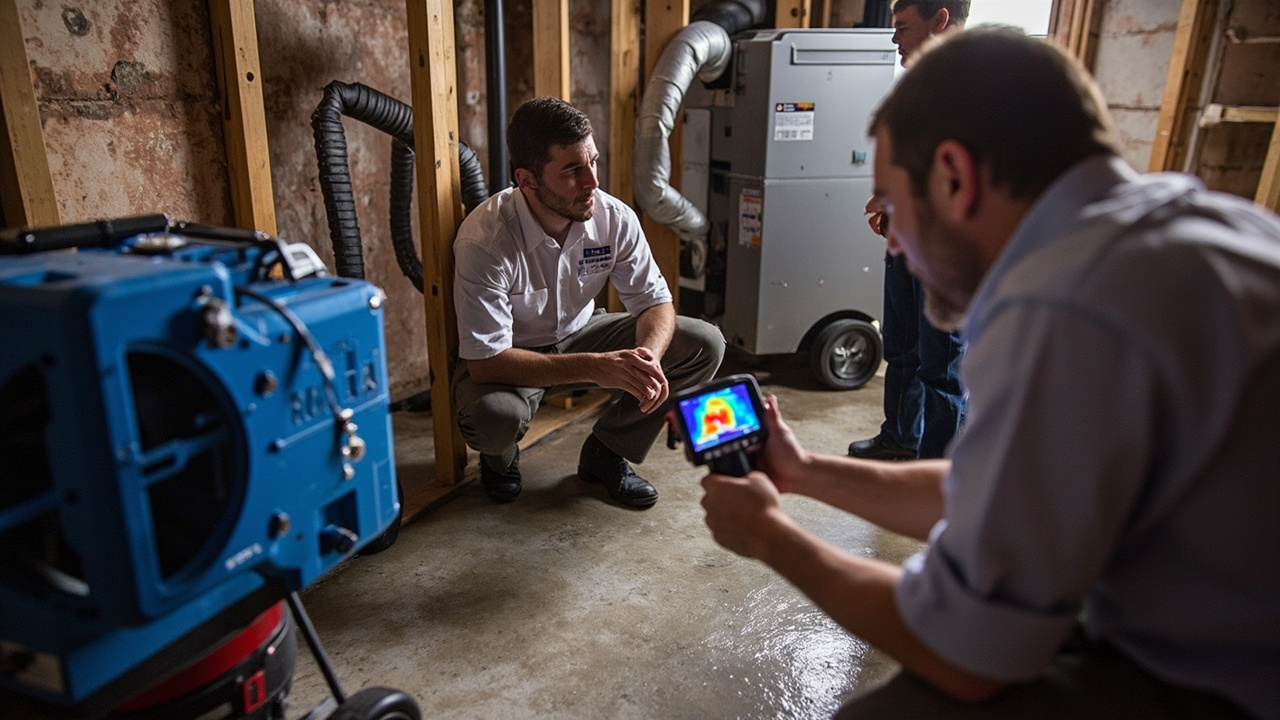
Our equipment selection depends on materials and moisture levels. Low-grain refrigerant dehumidifiers pull moisture from the air in cooler conditions. Desiccant dehumidifiers work better in colder environments or when extremely low humidity levels are required. We deploy axial air movers to create surface evaporation and injecti-dry systems to force warm, dry air into wall cavities and beneath flooring.

The key is monitoring. We place moisture meters and thermo-hygrometers throughout the affected areas to track drying progress in real time. Moisture content in wood framing must drop below 15 percent. Concrete slabs need to reach acceptable calcium chloride test levels before we install new flooring. Gypsum drywall requires specific moisture readings depending on whether we can dry it in place or need to remove it.

Professional structural drying creates negative pressure to prevent contaminated air from spreading to unaffected areas. We adjust equipment placement and settings multiple times per day based on moisture readings. This precision prevents over-drying that can cause cracking in hardwood floors or under-drying that allows mold growth.

The difference between adequate drying and professional structural drying is the difference between a cosmetic fix and true building restoration. We dry the structure, not just the visible surfaces.

What Happens During Professional Structural Drying

Structural Drying Services in Cincinnati – Advanced Moisture Elimination for Complete Building Recovery
01

Moisture Mapping and Assessment

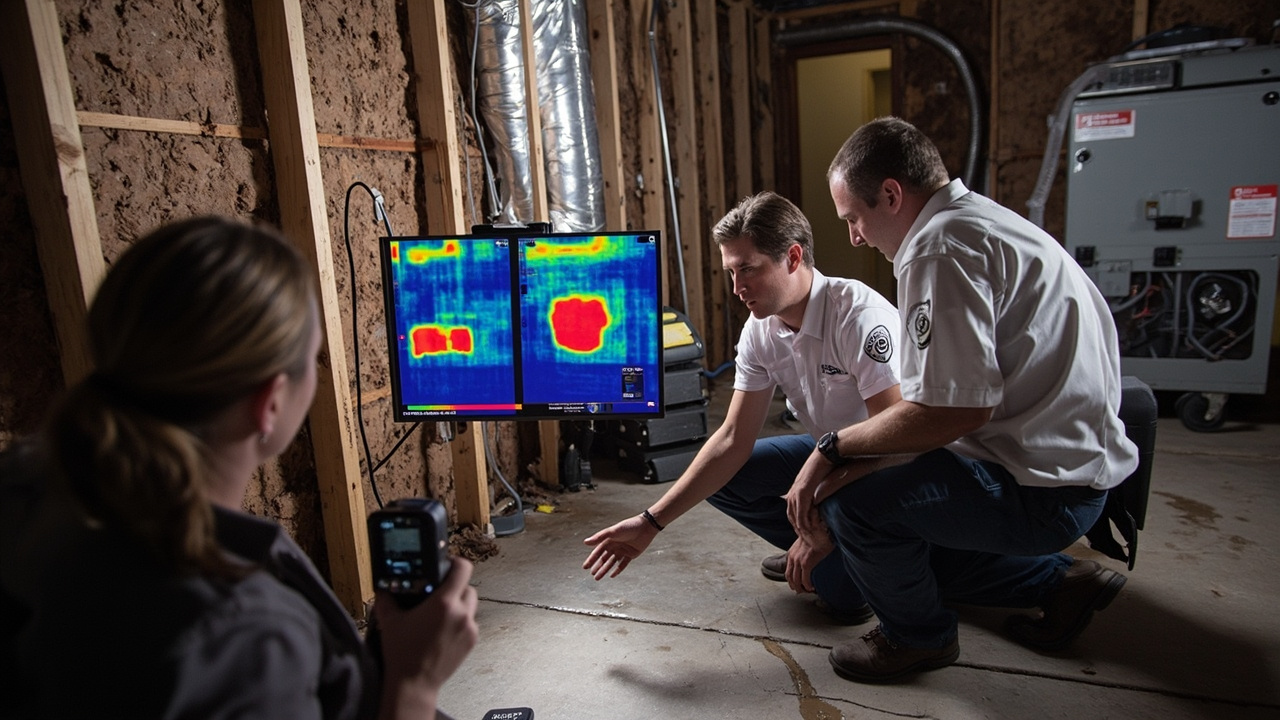
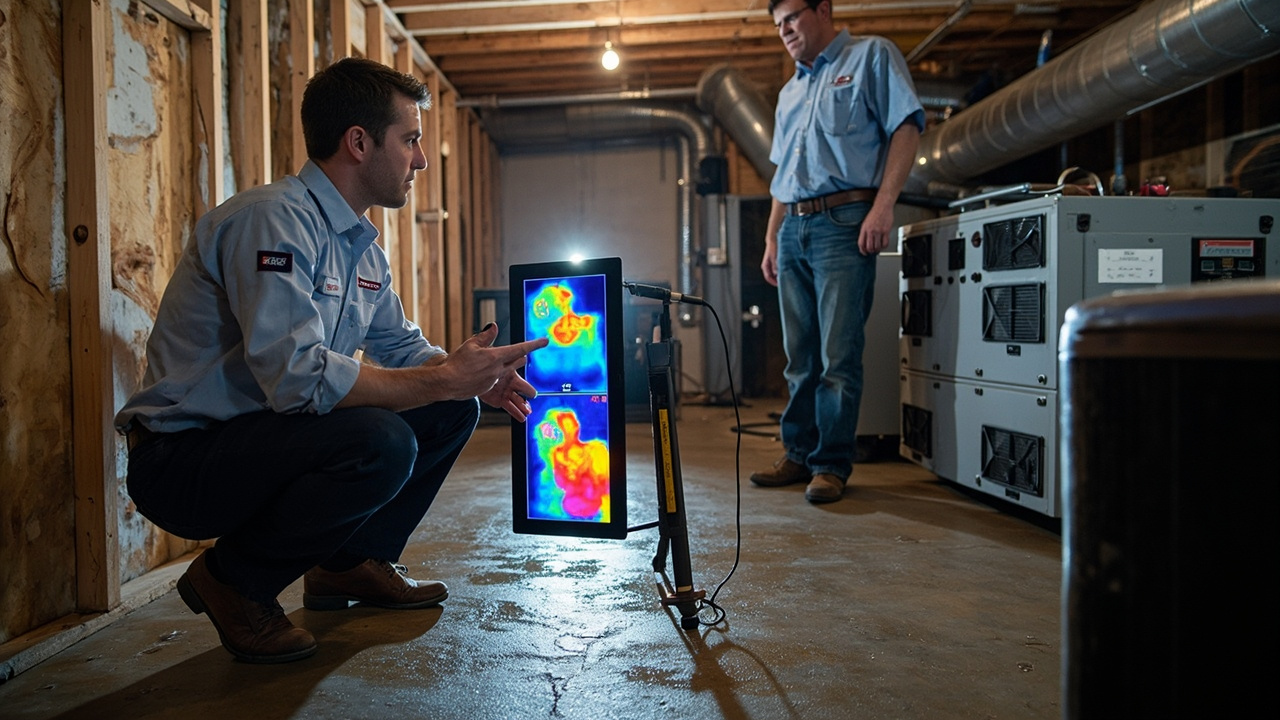
We document moisture levels throughout your property using thermal imaging and penetrating moisture meters. This creates a baseline map showing where water has traveled within your walls, floors, and ceilings. We identify hidden pockets of saturation that visual inspection misses. This data determines equipment placement, drying goals, and project timeline. Without accurate moisture mapping, you are guessing about what actually needs drying.
02

Equipment Deployment and Monitoring

We install industrial dehumidifiers, air movers, and specialty drying equipment based on your building's specific conditions. Equipment runs continuously while we monitor moisture levels twice daily. We adjust airflow patterns, add heat when appropriate, and modify humidity targets as materials dry. This is not a set-it-and-forget-it process. Active management ensures you reach dry standards in the shortest time possible without causing secondary damage from aggressive drying techniques.
03

Verification and Documentation

Drying is complete only when moisture readings meet industry standards for each affected material. We document final readings with dated photographs and written logs your insurance company needs for claim processing. You receive a complete drying report showing before and after measurements. This documentation proves your property is ready for reconstruction and protects you from future liability if hidden moisture becomes a problem later.

Why Cincinnati Property Owners Choose Ace Water Damage Restoration

Cincinnati's building stock includes everything from historic Over-the-Rhine brick structures to modern suburban construction in Mason and West Chester. Each building type requires different drying strategies. Plaster walls in century-old homes need gentler drying than modern drywall. Hardwood floors common in Hyde Park and Mount Adams cannot tolerate the same heat and airflow you would use on engineered flooring.

We understand how Cincinnati's climate affects drying times. High summer humidity means dehumidification equipment must work harder. Winter heating systems can actually slow structural drying if not managed correctly. Our technicians adjust protocols based on outdoor conditions and your building's HVAC capabilities.

Local building codes and insurance requirements matter. We document our work to meet Ohio Department of Insurance standards and provide the evidence adjusters need to process claims efficiently. Many property owners in Cincinnati have learned the hard way that inadequate documentation leads to claim delays or denials.

Experience with Cincinnati's water sources matters too. Ohio River flooding creates different contamination concerns than a clean water supply line break. Storm surge through the Mill Creek watershed brings different contaminants than groundwater seepage through Northside basements. We classify water correctly and apply appropriate safety protocols during drying.

Choosing a structural drying provider based solely on price is a mistake. Incomplete drying costs more in the long run through mold remediation, structural repairs, and health problems. We dry your building correctly the first time, using equipment and methods that meet IICRC S500 standards for water damage restoration.

What You Can Expect From Our Structural Drying Services

Response Time and Equipment Mobilization

Water damage worsens by the hour. We mobilize structural drying equipment within hours of your call, not days. Our trucks carry industrial dehumidifiers, air movers, moisture detection tools, and specialty drying equipment so we can begin the process immediately. Most structural drying projects require 3-7 days of continuous equipment operation, but we have the capacity to handle properties of any size. Commercial buildings may require additional equipment and longer drying times depending on construction type and the extent of water intrusion. We provide 24-hour monitoring and daily progress reports so you know exactly where the project stands.

Moisture Assessment and Testing Protocols

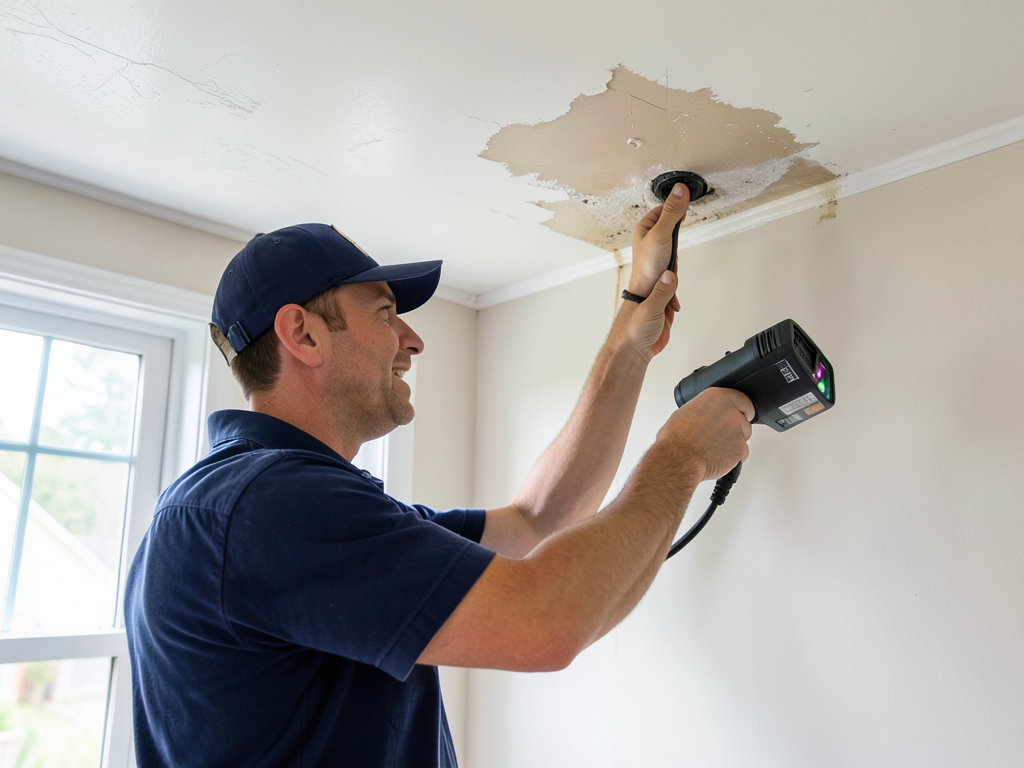
We use thermal imaging cameras to see moisture inside walls and ceilings without demolition. Penetrating moisture meters measure water content in wood framing and subflooring. Non-invasive meters check drywall and plaster without creating holes. Each material type has specific dry standards we must meet before drying is complete. Wood framing needs to drop below 15 percent moisture content. Concrete requires vapor emission testing if we will install impermeable flooring. We test multiple locations throughout the affected area because moisture distribution is never uniform. Your final report includes photographs, meter readings, and dated documentation your insurance company requires.

Final Results and Building Restoration

Properly dried structures are stable, safe, and ready for reconstruction. You will not smell musty odors or see visible mold growth if structural drying is done correctly. Materials that can be saved will be saved, reducing your overall restoration costs. Flooring, trim, and cabinetry that might seem ruined can often be preserved with rapid structural drying. We remove only materials that are contaminated, structurally compromised, or impossible to dry within acceptable timeframes. The goal is returning your property to pre-loss condition with minimal demolition and maximum preservation of existing materials. You receive documentation proving your building is dry and safe for reconstruction work to begin.

Post-Drying Support and Recommendations

Structural drying is one phase of complete water damage restoration. After drying is verified, we provide recommendations for repairs, mold prevention, and moisture control improvements. Many Cincinnati properties benefit from improved drainage, upgraded sump pump systems, or better foundation waterproofing to prevent future water intrusion. We can coordinate with your contractor or insurance company to ensure reconstruction proceeds correctly. If issues arise after drying is complete, we provide follow-up moisture testing to verify conditions remain stable. Our documentation serves as a baseline for future comparisons if you have concerns about recurring moisture problems. Complete restoration means more than just drying. It means giving you confidence your property is safe and protected.

Frequently Asked Questions

You Have Questions,
We Have Answers

How Cincinnati's River Valley Climate Demands Advanced Structural Drying

Cincinnati sits in a river valley where humidity levels regularly exceed 70 percent during summer months. This ambient moisture slows natural drying and creates ideal conditions for mold growth after water intrusion. The Ohio River and its tributaries, including the Little Miami River and Mill Creek, create microclimates that trap moisture in low-lying neighborhoods like East End, Lower Price Hill, and Riverside. Professional structural drying services must overcome this environmental humidity using controlled dehumidification that creates drying conditions inside your building regardless of outdoor weather. Without this intervention, buildings affected by flooding or pipe breaks remain damp for weeks.

Building codes in Hamilton County require proper moisture remediation before reconstruction work can proceed after significant water damage. Inspectors may require documentation showing moisture levels meet acceptable standards before issuing permits for repairs. Ace Water Damage Restoration Cincinnati provides the testing reports and documentation local inspectors expect. Our familiarity with Cincinnati's building stock, from brick multi-family buildings in Clifton to ranch homes in Green Township, means we understand which materials can be dried in place and which require removal. This local knowledge prevents mistakes that delay your recovery and increase costs.
Water Damage Restoration Services in The Cincinnati Area

We are proud to serve the entire Cincinnati area, providing expert water damage restoration services wherever and whenever they are needed. We understand the unique challenges our local community faces and are committed to being there for our neighbors. View our service area on the map to see how we can assist you, or simply give us a call for immediate dispatch to your location.

Address:
Ace Water Damage Restoration Cincinnati, 1507 Dana Ave, Cincinnati, OH, 45207

Additional Services We Offer

Our news updates

Latest Articles & News from The Blogs

What to Do When Your Historic Mt. Lookout Radiator Springs a Leak Your radiator just started dripping rusty water onto…

What to Do When Your Historic Mt. Lookout Radiator Springs a Leak

What to Do When Your Historic Mt. Lookout Radiator Springs a Leak Your radiator just started dripping rusty water onto…

Why Cincinnati Clay Soil Is Making Your Basement Walls Bow and Leak

Why Cincinnati Clay Soil Is Making Your Basement Walls Bow and Leak Cincinnati’s unique clay soil composition is the primary…

Why you need a pack-out service to protect your belongings during a major restoration in Montgomery

Why you need a pack-out service to protect your belongings during a major restoration in Montgomery When your Montgomery home…

Contact Us

Water does not wait, and neither should you. Call Ace Water Damage Restoration Cincinnati at (513) 717-2522 right now to mobilize structural drying equipment. Every hour of delay allows moisture to spread deeper into your building's structure. We are standing by to respond.