




Cincinnati sits in a bowl geography where the Ohio River, Little Miami River, and Mill Creek converge. This creates persistent flooding risks across neighborhoods from Lower Price Hill to Riverside. Spring storms dump heavy rainfall that overwhelms aging storm sewers in older districts like Over-the-Rhine and Clifton. Clay-heavy soil common throughout Hamilton County does not absorb water quickly, causing basement seepage and foundation cracks.
Freeze-thaw cycles damage pipes in older homes throughout Northside and Mount Adams during winter months. When temperatures drop below freezing, pipes burst and flood properties before homeowners realize what happened. Summer humidity accelerates mold growth after any water intrusion, creating health hazards within 48 hours if not dried properly.
Properties near the Ohio River floodplain face additional risks during heavy rain events. Neighborhoods like East End, California, and Sedamsville experience backup from overwhelmed drainage systems. Older homes with limestone foundations absorb ground water during wet seasons, causing persistent dampness and structural concerns. Cincinnati's mix of historic architecture and modern construction means water damage manifests differently across the city, requiring local knowledge to address properly.
Water damage requires immediate response and complete remediation. Ace Water Damage Restoration Cincinnati operates 24 hours daily with crews stationed across Hamilton County for rapid arrival times. We extract standing water, remove damaged materials, dry structures completely, and rebuild what was lost. Our technicians hold IICRC certifications in water damage restoration and applied structural drying, meaning we follow industry standards that insurance companies recognize and trust.
We own thermal imaging cameras that detect hidden moisture behind walls and under floors. This technology prevents mold growth by finding water other companies miss. Our industrial dehumidifiers and air movers dry properties faster than standard equipment, reducing damage and costs. We document everything with photos, moisture readings, and detailed reports that streamline insurance claims.
Cincinnati property owners choose us because we handle the entire process from emergency call to final walkthrough. We coordinate with your insurance adjuster, provide detailed estimates, and advocate for complete coverage of necessary repairs. Our crews understand how water moves through different foundation types common in Cincinnati neighborhoods. We know which materials need immediate removal and which can be saved with proper drying.
Most importantly, we answer our phones when disaster strikes at midnight or on holidays. Water does not respect your schedule, and neither do we. Our dispatch center routes calls to available crews immediately, ensuring someone heads to your property while water is still spreading. Fast response limits damage, reduces costs, and prevents secondary problems like mold that create health hazards.

Every technician on our crews holds IICRC certification in water damage restoration and applied structural drying. We follow national standards for moisture removal, structural drying, and mold prevention. Insurance companies recognize our training, which speeds approvals and ensures proper restoration work that protects your property investment.

We document damage thoroughly with photos, moisture readings, and detailed scope reports that insurance adjusters need. Our team communicates directly with your carrier, answers their questions, and provides estimates that reflect necessary restoration work. This advocacy reduces your stress and helps maximize your claim payout for complete property restoration.
Thermal imaging cameras reveal hidden moisture behind walls, under floors, and in ceiling cavities that visual inspection misses. We measure moisture levels in materials using industry-standard meters, tracking drying progress daily. This technology prevents mold growth by ensuring complete drying before we close walls and start reconstruction work.
Our crews stage across Hamilton County for fast arrival when you call. We know Cincinnati flood zones, basement vulnerabilities in different neighborhoods, and how water behaves in Ohio River valley properties. This local knowledge means we bring the right equipment and make smart decisions that limit damage from the moment we arrive.
Water damage restoration requires multiple specialized services working together. Ace Water Damage Restoration Cincinnati provides emergency water removal, structural drying, mold remediation, and complete reconstruction under one roof. This integrated approach means faster restoration, better communication, and accountability from start to finish.
Emergency water removal stops damage from spreading. Structural drying prevents mold and saves materials. Reconstruction returns your property to pre-loss condition. We handle insurance documentation throughout the process, providing detailed reports and photos that support your claim. Our project managers coordinate each phase, keeping you informed and ensuring work meets IICRC standards.
Different water sources require different approaches. Clean water from supply line breaks allows material salvage. Gray water from washing machines or dishwashers needs sanitization. Black water from sewage backups or flood water requires complete removal of contaminated materials. Our crews assess the water category, determine what can be saved, and execute the proper restoration protocol for your specific situation. We serve residential homes, commercial buildings, and industrial facilities throughout the Cincinnati metro area.
Standing water spreads quickly through properties, saturating flooring, drywall, and furnishings. Our crews arrive with truck-mounted extractors and portable pumps that remove thousands of gallons per hour. We pull water from basements, crawl spaces, and flooded rooms before it migrates to unaffected areas. Fast extraction limits damage, reduces drying time, and saves materials that would be lost to prolonged saturation. We move furniture to dry areas, remove wet contents, and start drying equipment immediately.
After extraction, moisture remains in walls, floors, and structural cavities. Industrial dehumidifiers and air movers create controlled drying environments that pull moisture from materials without causing secondary damage. We monitor moisture levels daily using calibrated meters, documenting progress for insurance purposes. Proper drying takes days, not hours, and prevents mold growth that creates health hazards. Our technicians position equipment strategically based on airflow patterns and building construction to achieve complete drying efficiently.
Once structures dry completely, reconstruction begins. We remove damaged drywall, replace wet insulation, install new flooring, and repaint affected areas. Our crews handle everything from minor repairs to major rebuilds involving multiple rooms. Working with one company from emergency through completion means better coordination, faster timelines, and clear accountability. We match materials to existing finishes, ensuring restored areas blend seamlessly with untouched portions of your property.
Cincinnati's geography and housing stock create specific water damage vulnerabilities. The Ohio River valley experiences heavy spring rainfall that overwhelms storm sewers and causes basement flooding. Clay soil common throughout Hamilton County prevents drainage, forcing water against foundations until it finds entry points. Older neighborhoods contain homes built before modern waterproofing standards existed, making them susceptible to seepage.
Freeze-thaw cycles burst pipes in unheated areas during winter. Summer humidity accelerates mold growth after water intrusion, creating health hazards if drying is incomplete. Commercial buildings face additional challenges from roof leaks, HVAC condensation, and plumbing failures in multi-story structures. These common problems require fast response and proper remediation to prevent escalating damage and costs. Understanding what causes water damage helps property owners recognize problems early and call for help before minor issues become major disasters.
Spring storms dump inches of rain in hours, overwhelming aging storm sewers throughout Cincinnati. Water backs up through floor drains or seeps through foundation cracks in neighborhoods across Hamilton County. Sump pumps fail during power outages, allowing basements to flood while homeowners sleep. Fast extraction prevents damage to furnaces, water heaters, and stored belongings.
Cincinnati temperatures drop below freezing multiple times each winter. Pipes in exterior walls, attics, and crawl spaces freeze and burst when temperatures rise. Homeowners discover the damage when water starts pouring through ceilings or flooding rooms. Immediate shutoff and extraction limit damage, but repairs require removing wet materials and drying structural cavities completely.
Combined sewer systems in older Cincinnati neighborhoods back up during heavy rain events. Sewage enters basements through floor drains, creating health hazards and requiring specialized cleanup. Black water contains bacteria and pathogens that contaminate everything it touches. Professional remediation removes contaminated materials, sanitizes affected areas, and ensures safe occupancy after complete drying.
Slow leaks behind walls or under floors go unnoticed until mold appears or musty odors develop. Cincinnati's humidity accelerates mold growth in damp conditions. Thermal imaging detects hidden moisture before visible mold develops. Proper remediation removes contaminated materials, treats affected areas with antimicrobial solutions, and addresses the moisture source to prevent recurrence.
Water damage creates panic. You need help fast and reassurance that someone capable is coming. When you call Ace Water Damage Restoration Cincinnati, a real person answers and dispatches a crew immediately. Our technicians arrive with extraction equipment, drying tools, and the knowledge to stop damage from spreading.
We assess the situation quickly, identifying the water source, affected areas, and necessary equipment. You receive a clear explanation of what happened, what needs to be done, and what the process looks like. We start water removal immediately while documenting damage for insurance purposes. Communication continues throughout the restoration process with updates on drying progress, reconstruction timelines, and insurance coordination.
Our goal is removing your stress by handling everything competently. You should not have to manage multiple contractors or fight with insurance adjusters while dealing with a flooded property. We take ownership of the entire restoration process, providing single-point accountability from emergency through final walkthrough. Our crews show up when promised, communicate clearly, and treat your property with respect throughout the restoration process.
Our dispatch center routes emergency calls to available crews across Hamilton County. Technicians arrive with truck-mounted extraction equipment and portable tools for immediate water removal. We locate the water source, shut it off if possible, and assess damage extent. You receive a clear explanation of what happened, what areas are affected, and what steps are necessary. We start extracting water immediately while documenting conditions with photos and moisture readings.
Our project managers provide daily updates during the drying process. You know what equipment is running, what moisture levels we are tracking, and when drying will be complete. We coordinate directly with your insurance adjuster, providing documentation they need and answering their questions. If reconstruction is necessary, you receive a detailed estimate and timeline before work starts. You should never wonder what is happening with your property.
Once drying is complete and repairs are finished, we walk through the property together. You inspect the work, ask questions, and confirm everything meets your standards. We provide documentation showing moisture levels returned to normal ranges and repairs were completed properly. Our goal is your complete satisfaction and confidence that your property is fully restored. You should not see evidence that water damage ever occurred.
Water damage restoration follows specific steps that ensure complete drying and prevent secondary problems. Our process combines rapid response, thorough moisture removal, and quality reconstruction into a seamless experience.
You call our 24-hour emergency line at any time. A real person answers, gathers information about your situation, and dispatches the nearest crew immediately. Our technicians arrive quickly with extraction equipment, moisture meters, and thermal imaging cameras. We assess damage extent, locate the water source, and begin extraction while documenting conditions for insurance purposes. You receive a clear explanation of what happened and what needs to happen next.
Truck-mounted extractors remove standing water quickly. We position industrial dehumidifiers and air movers to create controlled drying environments. Moisture meters track progress in affected materials daily. Thermal imaging reveals hidden moisture in walls and ceilings. This phase takes several days depending on damage extent and materials affected. We monitor conditions continuously, adjusting equipment positioning to maximize drying efficiency and prevent mold growth.
Once materials reach normal moisture levels, reconstruction begins. We remove unsalvageable materials, replace damaged components, and restore your property to pre-loss condition. Drywall, flooring, paint, and trim match existing finishes. Final walkthrough ensures your satisfaction with completed work. We provide documentation showing moisture levels normalized and repairs completed to industry standards. Your property is ready for normal occupancy.
Professional water damage restoration follows standards established by the Institute of Inspection, Cleaning and Restoration Certification. These protocols ensure thorough moisture removal, prevent mold growth, and protect building structures from long-term damage. Water is categorized by contamination level, which determines handling procedures. Category 1 is clean water from supply lines. Category 2 is gray water from appliances containing some contamination. Category 3 is black water from sewage or flood water containing dangerous pathogens.
Drying protocols depend on materials affected and environmental conditions. Hardwood floors require different techniques than carpet or drywall. High humidity climates like Cincinnati need more aggressive dehumidification than dry regions. Technicians monitor moisture levels using calibrated meters, taking readings at multiple depths in affected materials. Drying is complete when moisture content returns to normal ranges for that material type.
Structural cavities behind walls and under floors require special attention. Moisture trapped in these spaces causes hidden damage and supports mold growth. We create access points for airflow, place equipment strategically, and verify complete drying with moisture meters before closing cavities. Insurance companies recognize IICRC standards, making proper documentation critical for claim approval. Detailed moisture logs, equipment placement diagrams, and progress photos demonstrate that restoration followed industry best practices. This documentation protects your investment and ensures your insurance carrier covers necessary work.
The Institute of Inspection, Cleaning and Restoration Certification establishes national standards for water damage restoration. Certified technicians understand moisture behavior, drying principles, and proper equipment application. They follow documented protocols that ensure complete restoration and prevent secondary damage. Insurance companies trust IICRC certification because it demonstrates professional training and adherence to industry best practices.
Water source determines handling procedures and what materials can be saved. Clean water from supply lines allows salvage of most materials with proper drying. Gray water from appliances requires sanitization of affected areas. Black water from sewage or flooding contains pathogens requiring removal of contaminated materials and specialized disinfection. Proper classification protects occupants and ensures appropriate restoration procedures.
Professional restoration requires daily moisture monitoring using calibrated meters. Readings are taken at multiple depths in affected materials and compared to normal ranges for that material type. Drying is not complete when surfaces feel dry. Hidden moisture in structural cavities causes long-term damage and mold growth. Documented moisture readings prove complete drying and support insurance claims.
Complete drying takes days, not hours. Timeframes depend on materials affected, water category, and environmental conditions. Hardwood floors dry slower than carpet. High humidity extends drying time. Rushing the process leaves hidden moisture that causes future problems. Professional restoration balances speed with thoroughness, using industrial equipment and daily monitoring to achieve complete drying safely.
Educational video explaining water damage restoration processes, IICRC standards, and Cincinnati-specific challenges for property owners. Covers water category classification, structural drying protocols, moisture measurement techniques, and insurance coordination. Discusses Ohio River valley flooding risks, clay soil drainage issues, and freeze-thaw pipe damage common to Hamilton County properties. Provides actionable guidance for emergency response and professional restoration services.
Ace Water Damage Restoration Cincinnati responds to emergencies throughout the Greater Cincinnati metropolitan area. Our crews serve neighborhoods from downtown to the outer suburbs, understanding the unique challenges each area faces. Historic homes in Mount Adams and Over-the-Rhine contain older plumbing and foundations vulnerable to water intrusion. Properties near the Ohio River in East End and California face flooding risks during heavy rainfall. Newer developments in West Chester and Mason experience burst pipes during winter freezes and appliance failures common to modern homes.
We maintain rapid response capability across Hamilton County by staging equipment strategically. When you call from Hyde Park, Oakley, or Norwood, a crew arrives quickly with industrial extraction equipment and drying tools. Residents of Clifton, Northside, and College Hill receive the same fast service because water damage does not respect boundaries. Commercial properties in downtown Cincinnati, Blue Ash, and Kenwood benefit from our experience with large-scale flooding and multi-story drying challenges.
Lower Price Hill, Riverside, and Sedamsville face basement flooding from overwhelmed storm sewers during spring storms. Anderson Township, Madeira, and Indian Hill properties deal with foundation seepage in clay-heavy soil. We understand these localized challenges because we work in these neighborhoods daily. Our technicians know which basements flood regularly, where sump pumps fail most often, and what water damage patterns emerge in different parts of the city.
Properties along Mill Creek and the Little Miami River experience unique flooding patterns during heavy rain events. We coordinate with insurance adjusters familiar with Cincinnati flood zones, streamlining claims for homeowners in affected areas. From Cheviot to Deer Park, from Finneytown to Springdale, our coverage extends throughout the Cincinnati metro because water emergencies happen everywhere. Fast response and local knowledge make the difference between minor damage and major loss.
Water damage restoration costs in Cincinnati typically range from a few hundred dollars for minor leaks to several thousand for significant flooding. The price depends on the water category (clean, gray, or black water), affected square footage, materials damaged, and structural repairs needed. Basement flooding is common here due to clay soil and Ohio River proximity, which can increase costs. Most homeowners insurance policies cover sudden water damage events like burst pipes. Get a detailed estimate before work begins, and ask if the company works directly with your insurance adjuster to streamline claims.
Yes, professional water damage restoration is worth it in Cincinnati. DIY attempts often miss hidden moisture in walls, crawl spaces, and subflooring, which leads to mold growth within 48 hours in our humid climate. Mold remediation costs significantly more than initial restoration. Professional crews use thermal imaging, moisture meters, and industrial dehumidifiers to ensure complete drying. You also protect your property value. Unaddressed water damage reduces home resale value and creates liability issues. Insurance companies may deny future claims if you skip professional restoration, especially for significant losses requiring documentation.
Stop the water source immediately if safe to do so. Shut off your main water valve for pipe bursts or turn off appliances causing leaks. Move furniture and valuables to dry areas. Document everything with photos and videos for insurance claims. Remove standing water with towels or a wet vacuum if the amount is small. Open windows if weather permits to increase airflow. Contact your insurance company right away, then call a professional restoration company. In Cincinnati's humid conditions, mold starts growing within 24 to 48 hours, so speed matters. Do not use electrical appliances in wet areas.
Water damage restoration costs in Cincinnati typically range from a few hundred dollars for minor leaks to several thousand for significant flooding. The price depends on the water category (clean, gray, or black water), affected square footage, materials damaged, and structural repairs needed. Basement flooding is common here due to clay soil and Ohio River proximity, which can increase costs. Most homeowners insurance policies cover sudden water damage events like burst pipes. Get a detailed estimate before work begins, and ask if the company works directly with your insurance adjuster to streamline claims.
Yes, professional water damage restoration is worth it in Cincinnati. DIY attempts often miss hidden moisture in walls, crawl spaces, and subflooring, which leads to mold growth within 48 hours in our humid climate. Mold remediation costs significantly more than initial restoration. Professional crews use thermal imaging, moisture meters, and industrial dehumidifiers to ensure complete drying. You also protect your property value. Unaddressed water damage reduces home resale value and creates liability issues. Insurance companies may deny future claims if you skip professional restoration, especially for significant losses requiring documentation.
Stop the water source immediately if safe to do so. Shut off your main water valve for pipe bursts or turn off appliances causing leaks. Move furniture and valuables to dry areas. Document everything with photos and videos for insurance claims. Remove standing water with towels or a wet vacuum if the amount is small. Open windows if weather permits to increase airflow. Contact your insurance company right away, then call a professional restoration company. In Cincinnati's humid conditions, mold starts growing within 24 to 48 hours, so speed matters. Do not use electrical appliances in wet areas.
Servpro typically responds within hours and completes most residential water damage restoration projects in three to five days, depending on severity. Drying time varies based on water category, materials affected, and humidity levels. Cincinnati's seasonal humidity can extend drying times, especially in basements with poor ventilation. Large commercial jobs or severe flooding may take one to two weeks. The process includes water extraction, drying, dehumidification, cleaning, and restoration. Timeline also depends on insurance approval and material availability. Always get a written timeline estimate upfront and ask about their monitoring process to ensure complete moisture removal before reconstruction begins.
Servpro typically responds within hours and completes most residential water damage restoration projects in three to five days, depending on severity. Drying time varies based on water category, materials affected, and humidity levels. Cincinnati's seasonal humidity can extend drying times, especially in basements with poor ventilation. Large commercial jobs or severe flooding may take one to two weeks. The process includes water extraction, drying, dehumidification, cleaning, and restoration. Timeline also depends on insurance approval and material availability. Always get a written timeline estimate upfront and ask about their monitoring process to ensure complete moisture removal before reconstruction begins.
We are proud to serve the entire Cincinnati area, providing expert water damage restoration services wherever and whenever they are needed. We understand the unique challenges our local community faces and are committed to being there for our neighbors. View our service area on the map to see how we can assist you, or simply give us a call for immediate dispatch to your location.
Address:
Cincinnati, OH, 45203
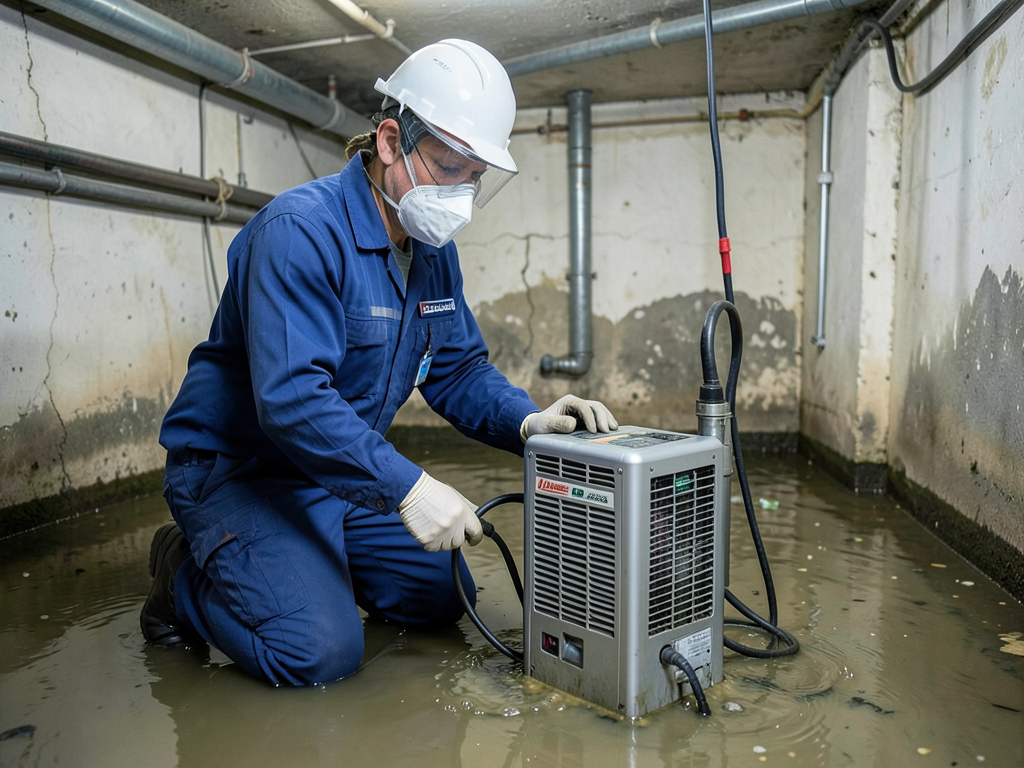
How Invasive Tree Roots Can Cause Your Older Woodlawn Sewer Line to Backup Tree roots can infiltrate your sewer line without warning causing sewage to back up into your basement or yard. In Woodlawn where…
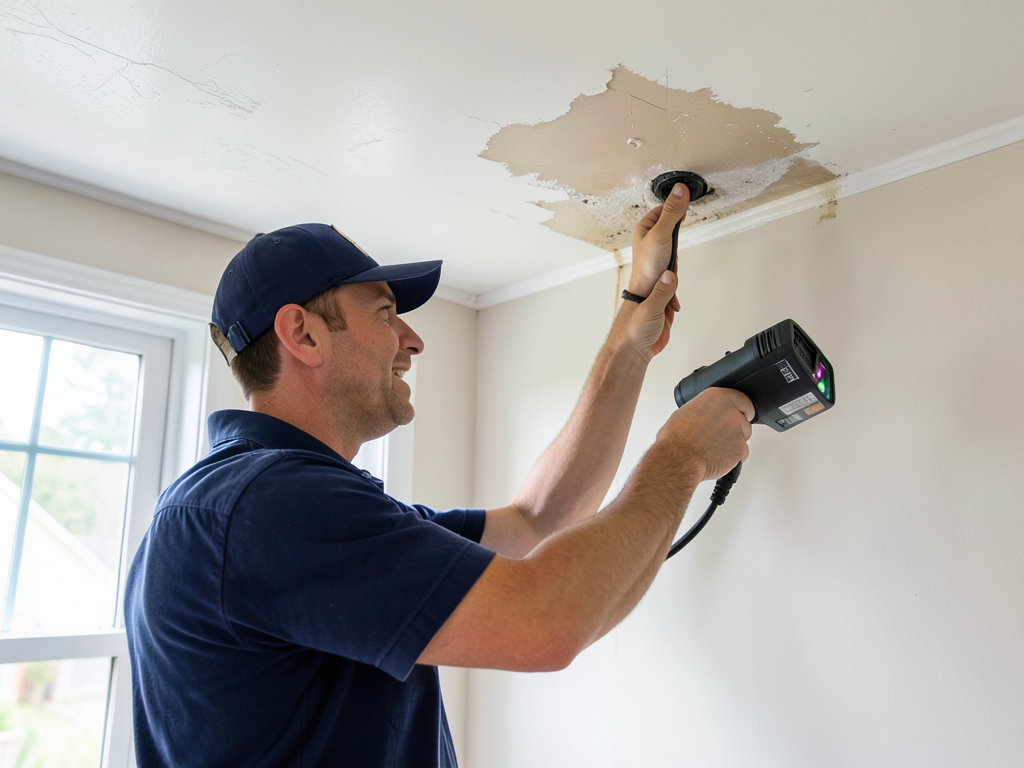
Why the Paint on Your Ceiling is Bubbling or Peeling and How to Fix It…
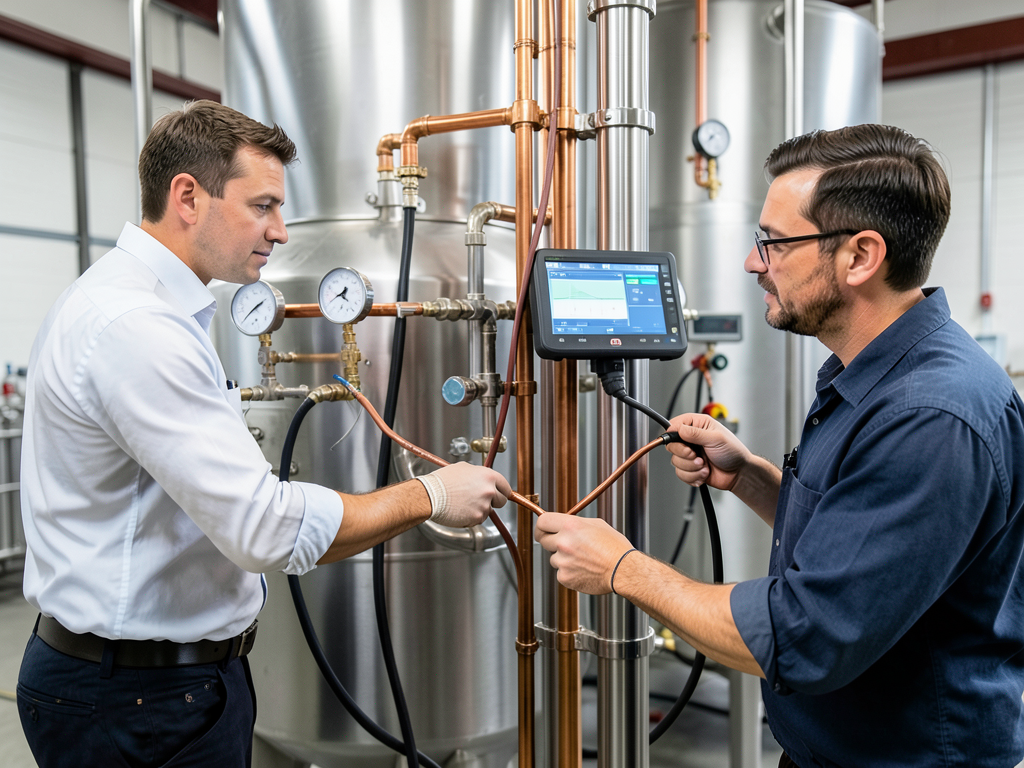
Water Damage Prevention Tips for Craft Breweries and Distilleries in Over-the-Rhine Craft breweries and distilleries…
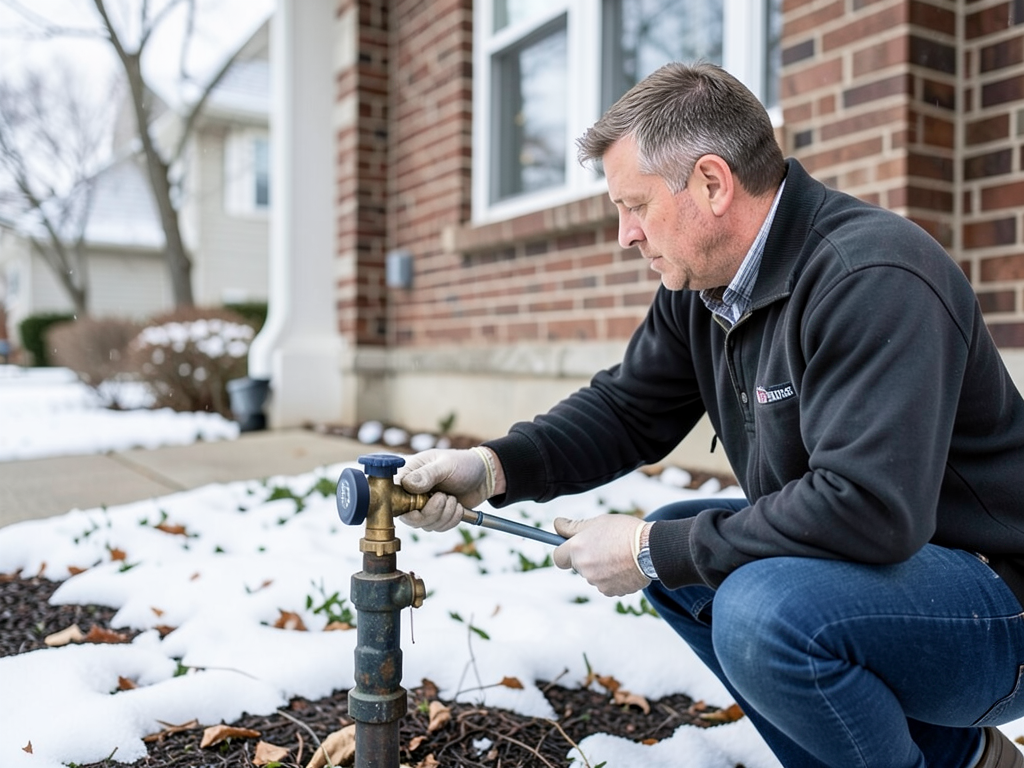
Protecting Your Outdoor Spigots from the Brutal Cincinnati Freeze-Thaw Cycle The first hard freeze in…
Water damage spreads quickly and costs increase every hour you wait. Our crews are available 24 hours daily to stop damage, extract water, and start the drying process immediately. Call Ace Water Damage Restoration Cincinnati now at (513) 717-2522 for emergency response across Hamilton County.