



Menu

Washing Machine Overflow Cleanup in Cincinnati – 60-Minute Response Time When Every Second Counts

Emergency washer water damage restoration with immediate dispatch, 24/7 availability, and industrial-grade water extraction equipment to stop flooding damage before it spreads through your Cincinnati home.

Slider Image 1
Slider Image 2
Slider Image 3
Slider Image 4
Slider Image 5
Slider Image 7
Slider Image 8
Slider Image 9
Slider Image 10
Slider Image 11

A Washing Machine Flood Can Destroy Your Home in Hours

You walk into your laundry room and your feet hit water. The washing machine hose burst during the spin cycle, and now gallons of water are pouring across the floor. In Cincinnati's older homes with hardwood floors and crawl spaces, a washer overflow does not just create a puddle. It seeps into subflooring, soaks drywall, and breeds mold in 24 to 48 hours because of our humid Ohio Valley climate.

The urgency is real. Water travels fast through older lathe-and-plaster walls common in neighborhoods like Over-the-Rhine and Northside. If your washing machine overflow reaches carpet or wooden joists in the basement, you are looking at structural damage, not just cosmetic repairs.

Emergency washer flood remediation means stopping the water source, extracting standing water, and pulling moisture from materials before permanent damage sets in. You need washing machine flood cleanup services that move fast, not a crew that shows up tomorrow. The difference between immediate response and waiting 12 hours is often the difference between drying out a floor and replacing it entirely.

Laundry machine overflow water removal is not about mopping up the surface. It is about pulling water from subflooring, wall cavities, and insulation where your eye cannot see but moisture lingers. Cincinnati's clay soil and high water table mean basements already run damp. Add a washing machine leak, and you create the perfect conditions for mold colonization.

If your washer just flooded, you need washing machine leak water extraction right now, not next week.

A Washing Machine Flood Can Destroy Your Home in Hours
How We Stop Washer Overflow Damage Fast

How We Stop Washer Overflow Damage Fast

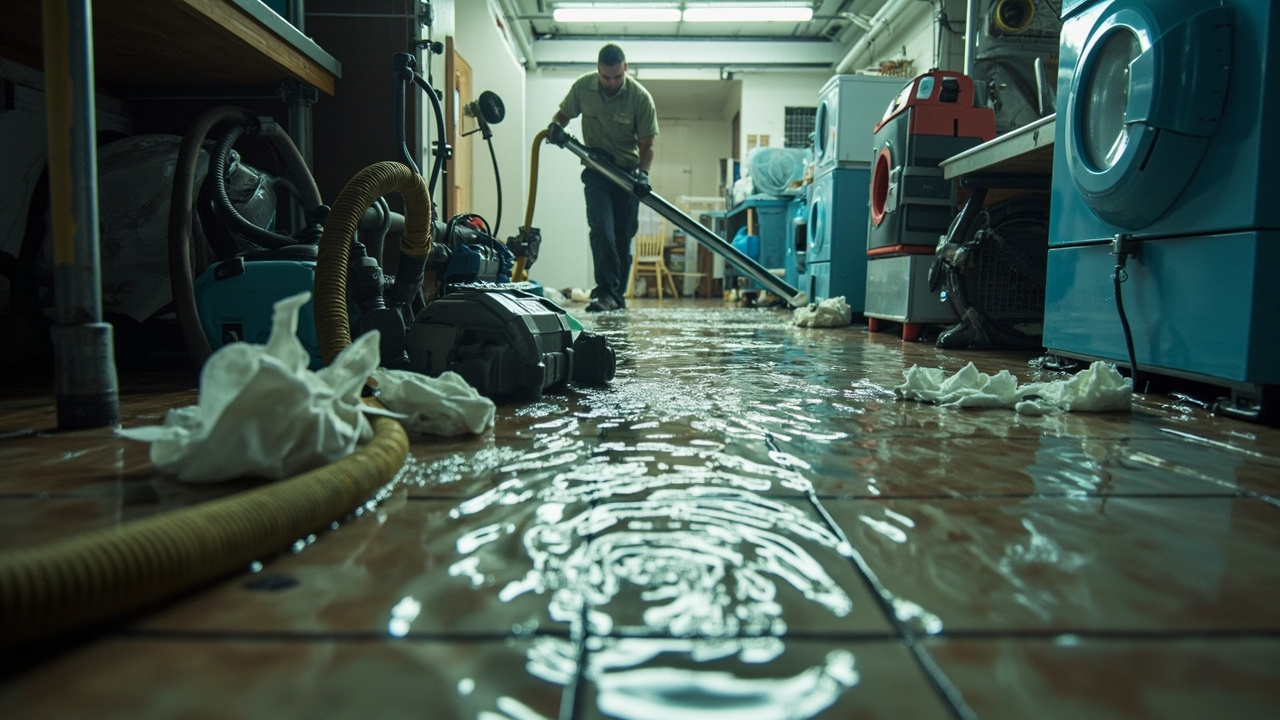
Ace Water Damage Restoration Cincinnati treats every washing machine overflow as a time-sensitive emergency. Our teams carry truck-mounted extraction units that pull thousands of gallons per hour, not small shop vacs that take all day. We deploy within 60 minutes of your call because water damage accelerates exponentially in the first few hours.

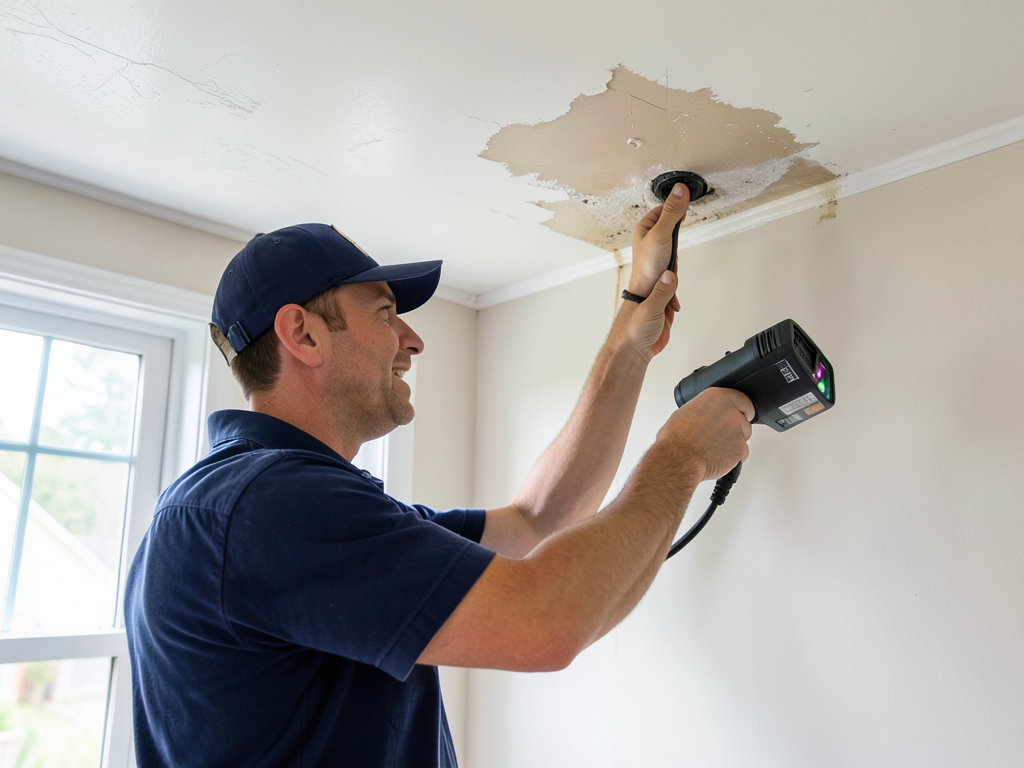
When we arrive, we shut off your water supply, identify whether the overflow came from a burst supply line or a clogged drain hose, and map the affected area with moisture meters. We do not guess where water traveled. We measure it. Walls, subflooring, and adjacent rooms get scanned with infrared cameras to detect hidden saturation.

Our extraction process uses weighted wands that force water out of carpet padding and subflooring. After extraction, we deploy commercial-grade air movers and low-grain refrigerant dehumidifiers to pull residual moisture from materials. This is not a box fan and a prayer. These machines cycle air at high velocity and drop humidity levels to prevent secondary damage.

We pull baseboards when needed to dry wall cavities. We drill weep holes in drywall if water migrated behind it. If your washing machine overflow soaked hardwood floors, we use specialty drying mats that create negative pressure to pull moisture from the wood without warping the planks.

Washer water damage restoration also means treating affected areas with antimicrobial solutions to stop mold before it starts. Cincinnati's average humidity sits above 70 percent in summer. That environment turns damp materials into mold farms within two days. We treat surfaces to break that cycle before spores take hold.

You get real-time updates, photo documentation for insurance claims, and a drying plan with projected timelines.

What Happens During Emergency Washer Cleanup

Washing Machine Overflow Cleanup in Cincinnati – 60-Minute Response Time When Every Second Counts
01

Immediate Water Extraction

We arrive with truck-mounted extraction units and pull standing water from floors, carpet, and padding within the first 30 minutes. Our weighted extraction wands force water out of subflooring and joists, stopping downward migration into crawl spaces and basements. Speed here prevents structural damage and limits the spread to adjacent rooms.
02

Moisture Detection and Mapping

Infrared cameras and pin-type moisture meters map water migration through walls, subflooring, and insulation. We document saturation levels in real time, which gives you the evidence needed for insurance claims and helps us target drying equipment precisely. Hidden moisture in wall cavities gets addressed before it causes secondary damage.
03

Structural Drying and Monitoring

Commercial air movers and dehumidifiers run continuously to pull moisture from materials. We monitor humidity and temperature daily, adjusting equipment placement until moisture readings return to normal. Antimicrobial treatments prevent mold growth during the drying process. You get a dry, safe space without tearing out materials unnecessarily.

Why Cincinnati Homeowners Call Us First

Ace Water Damage Restoration Cincinnati understands how washing machine overflows behave in this region. We work in homes built in the 1890s with pier-and-beam foundations and homes from the 1970s with slab construction. Each structure type requires a different drying approach because water migrates differently.

In older Cincinnati neighborhoods like Mount Adams and Clifton, homes often have crawl spaces with limited ventilation. A washing machine leak that soaks through the floor into that space creates a slow-motion disaster if not addressed with proper airflow and dehumidification. We know how to access tight crawl spaces and set up drying equipment that actually works in confined areas.

Our technicians hold IICRC certifications in water damage restoration and applied structural drying. That means we follow science-based drying protocols, not guesswork. We calculate grain depression and vapor pressure to determine how long drying takes, and we adjust our approach based on materials and environmental conditions.

We also work directly with major insurance carriers. If your washer overflow is covered under your homeowner policy, we document everything with photos, moisture readings, and detailed scope reports. You get the paperwork you need without fighting your adjuster for weeks.

Local expertise matters because we know Cincinnati's building codes and inspection requirements. If your water damage requires permits for structural repairs, we coordinate that process so you do not get stuck navigating city bureaucracy alone.

You get honest answers about what needs repair and what can be saved. No upselling. No unnecessary demolition. Just fast, effective water extraction and drying.

What to Expect When You Call Us

60-Minute Emergency Response

We dispatch a crew within 60 minutes of your call, day or night. Our teams carry full extraction and drying equipment on every truck, so there is no waiting for gear to arrive. You get immediate water removal and damage mitigation while the situation is still controllable. We do not schedule you for tomorrow morning. Emergency means emergency.

Thorough Damage Assessment

Our initial assessment includes moisture mapping with infrared cameras and moisture meters to identify every affected area, including hidden water in walls and subflooring. You get a written scope of damage, a drying plan with timelines, and photo documentation for your insurance claim. We explain what needs to dry, how long it takes, and what materials require replacement versus restoration.

Complete Structural Drying

We do not pull equipment until materials return to dry standard, verified with daily moisture readings. You get commercial-grade air movers and dehumidifiers positioned for maximum efficiency, with adjustments made based on real-time monitoring. Antimicrobial treatments prevent mold during the drying process. The result is a completely dry structure ready for repairs or reconstruction if needed.

Insurance Coordination and Documentation

We work directly with your insurance carrier, providing detailed reports, moisture logs, and photo documentation that adjusters require. You get help filing your claim, and we communicate with your adjuster throughout the process. If repairs require permits or inspections, we coordinate that process so you do not navigate city requirements alone. You get a single point of contact from emergency call to final sign-off.

Frequently Asked Questions

You Have Questions,
We Have Answers

How to clean a washing machine overflow pipe? +

Turn off the water supply and unplug the machine. Remove the overflow pipe by loosening the hose clamp. Flush the pipe with hot water to dislodge debris. Use a pipe brush or bottle brush to scrub the interior walls. For stubborn buildup, soak the pipe in a vinegar solution for 30 minutes. Rinse thoroughly and reattach. If the blockage persists or you see water damage around the machine, shut off the water immediately. Cincinnati homes with hard water buildup face frequent clogs. Call a water damage restoration professional to inspect for hidden moisture behind walls or under flooring.

Why are my clothes sopping wet after spin cycle? +

Your washer drum is not spinning fast enough to extract water. Check for an unbalanced load, which stops the spin cycle mid-rotation. A worn drive belt or faulty drain pump can also prevent proper spinning. Inspect the drain hose for kinks or clogs that slow water evacuation. If the pump filter is clogged with lint or small objects, the machine cannot drain properly. Cincinnati humidity can worsen mildew smells in damp clothes left sitting. Remove clothes immediately and rewash. If the issue repeats, call an appliance tech. Persistent leaks require water damage cleanup to prevent subfloor rot.

How do you remove black mold from a washing machine rubber seal? +

Mix one part bleach to four parts water in a spray bottle. Pull back the rubber seal and spray the moldy areas thoroughly. Let sit for five minutes, then scrub with a stiff brush. Wipe clean with a damp cloth. Run an empty hot water cycle with two cups of bleach to sanitize the drum. Leave the door open after every wash to air out moisture. Cincinnati basements stay humid year-round, creating perfect mold conditions. If mold spreads to surrounding drywall or flooring, you need professional mold remediation. Black mold releases spores that spread quickly in damp environments.

What do you do when your washing machine overflows? +

Shut off the water supply immediately. Unplug the machine to prevent electrical hazards. Move wet items to a dry area. Use towels or a wet vacuum to remove standing water fast. Check the drain hose for clogs or disconnections. Inspect hose connections for cracks or loose fittings. Pull the machine forward to check for water pooling underneath. Cincinnati homes with finished basements face serious structural damage from washing machine floods. Even minor overflows can saturate drywall and insulation. Call a water damage restoration company within 24 hours to dry out hidden moisture and prevent mold growth behind walls.

Can I pour bleach down a washing machine drain pipe? +

Yes, but only in small amounts and infrequently. Pour one cup of bleach into an empty drum and run a hot water cycle. This sanitizes the drain pipe and removes soap scum buildup. Do not pour bleach directly into the standpipe drain, as concentrated bleach can corrode older metal pipes. Cincinnati homes built before 1980 often have galvanized pipes that react poorly to harsh chemicals. Never mix bleach with other cleaners, especially vinegar or ammonia. This creates toxic fumes. For recurring drainage issues, a clogged vent stack or sewer line may be the cause. Call a plumber before attempting chemical fixes.

How to unclog an overflow tube washer? +

Disconnect the overflow tube from the tub. Use a wet vacuum to suction out loose debris from both ends. Push a plumber's snake or wire hanger through the tube to break up clogs. Flush with hot water until it runs clear. Inspect the tube for cracks or mineral deposits. Cincinnati hard water creates calcium buildup that narrows the tube diameter over time. If the clog persists, the issue may be deeper in the drainage system. Do not force tools through fragile plastic tubes. If water backs up or leaks around the connection, call a professional to avoid flooding your laundry room.

Why is my washing machine not spinning all the water out of my clothes? +

Check for an unbalanced load, which triggers safety sensors that stop the spin cycle. A worn drive belt cannot turn the drum fast enough to extract water. Inspect the drain pump for blockages like coins, socks, or lint buildup. A faulty lid switch or door latch prevents the machine from entering high-speed spin mode. Cincinnati humidity makes wet clothes feel heavier, worsening the problem. If the machine drains but does not spin, the motor coupling may be broken. Do not keep running the machine. Repeated leaks can saturate subfloors and cause structural damage requiring costly repairs.

What to do if the washer left clothes soaking wet? +

Remove the clothes immediately and wring out excess water in the sink or tub. Check the drain hose for kinks or clogs preventing water evacuation. Inspect the pump filter for blockages like lint, hair, or small items. Run a spin-only cycle to see if the machine drains properly when empty. An unbalanced load or faulty lid switch can stop the spin cycle prematurely. Cincinnati homes with older washers face frequent drainage failures. If water pools around the machine, dry the area fast with towels or a wet vacuum. Call a water damage restoration company if flooring feels soft or smells musty.

Why is my washing machine not getting all the water out of the clothes? +

Your drain pump is failing or clogged with debris. Check the pump filter and remove lint, coins, or small objects. A kinked or clogged drain hose restricts water flow. An unbalanced load triggers sensors that stop the spin cycle early. The drive belt may be worn and slipping, preventing the drum from reaching high spin speeds. Cincinnati hard water deposits can clog drain tubes and reduce pump efficiency. If the machine drains slowly or makes grinding noises, the pump motor is dying. Do not ignore this. A failing pump can overflow and flood your laundry room, causing water damage to walls and flooring.

Can vinegar damage the washing machine seal? +

Undiluted vinegar can dry out rubber seals over time, causing cracks and leaks. Use a diluted solution of one part vinegar to one part water for cleaning. Run vinegar through the drum occasionally to remove soap residue, but do not soak the seal directly. Cincinnati humidity keeps rubber seals damp, making them prone to mold growth. After cleaning with vinegar, wipe the seal dry and leave the door open to air out moisture. If you notice cracks or leaks around the seal, replace it immediately. Even small leaks can saturate flooring and require professional water damage cleanup to prevent rot.

Why Cincinnati's High Humidity Makes Washing Machine Overflows More Dangerous

Cincinnati sits in the Ohio River Valley, where summer humidity regularly exceeds 70 percent. That moisture-heavy air slows evaporation, which means washing machine overflow water lingers in materials longer than it would in drier climates. When water soaks into subflooring or drywall, high ambient humidity prevents it from drying naturally. This creates ideal conditions for mold growth within 24 to 48 hours. Effective washer water damage restoration in this region requires mechanical dehumidification and airflow to overcome the environmental humidity. Simply opening windows does not work here.

Our teams understand how Cincinnati's older housing stock and humid climate create unique challenges for laundry machine overflow water removal. Many homes in neighborhoods like Hyde Park and Oakley have basements that already run damp because of the local clay soil and high water table. Add a washing machine leak, and you compound an existing moisture problem. We tailor our drying approach to local construction types and environmental factors, using equipment calibrated for high-humidity conditions. That local expertise prevents callback issues and ensures materials actually dry, not just appear dry on the surface.
Water Damage Restoration Services in The Cincinnati Area

We are proud to serve the entire Cincinnati area, providing expert water damage restoration services wherever and whenever they are needed. We understand the unique challenges our local community faces and are committed to being there for our neighbors. View our service area on the map to see how we can assist you, or simply give us a call for immediate dispatch to your location.

Address:
Ace Water Damage Restoration Cincinnati, 1507 Dana Ave, Cincinnati, OH, 45207

Additional Services We Offer

Our news updates

Latest Articles & News from The Blogs

Finding the Source of a Slab Leak in Your Mack Home Slab leaks in Mack OH homes are more than…

Finding the Source of a Slab Leak in Your Mack Home

Finding the Source of a Slab Leak in Your Mack Home Slab leaks in Mack OH homes are more than…

What to Do When Your Water Heater Bursts in Madisonville

Emergency Water Heater Burst Cleanup in Madisonville, Cincinnati \n\n A water heater burst in Madisonville creates immediate flooding that can…

Salvaging Important Paper Documents and Photos After an Amberley Village Flood

Salvaging Important Paper Documents and Photos After an Amberley Village Flood When floodwaters rush through Amberley Village basements, the damage…

Contact Us

Every minute counts when water is spreading through your home. Call Ace Water Damage Restoration Cincinnati at (513) 717-2522 right now for 60-minute emergency response. Our crews are ready 24/7 with full extraction equipment to stop the damage before it becomes permanent.