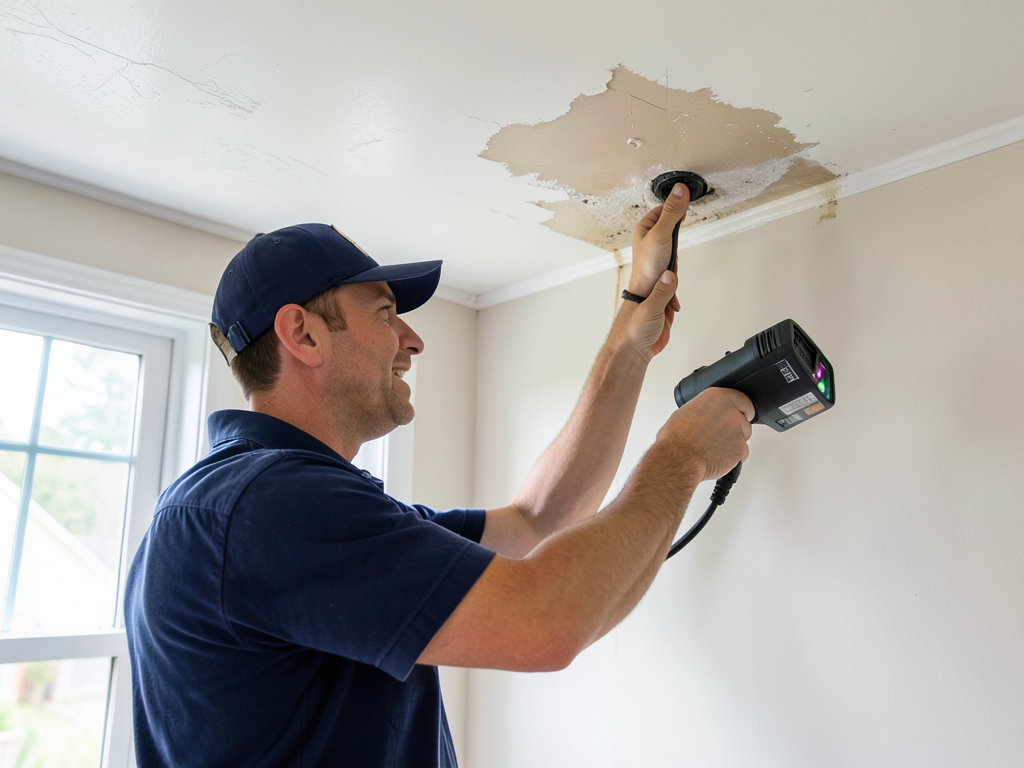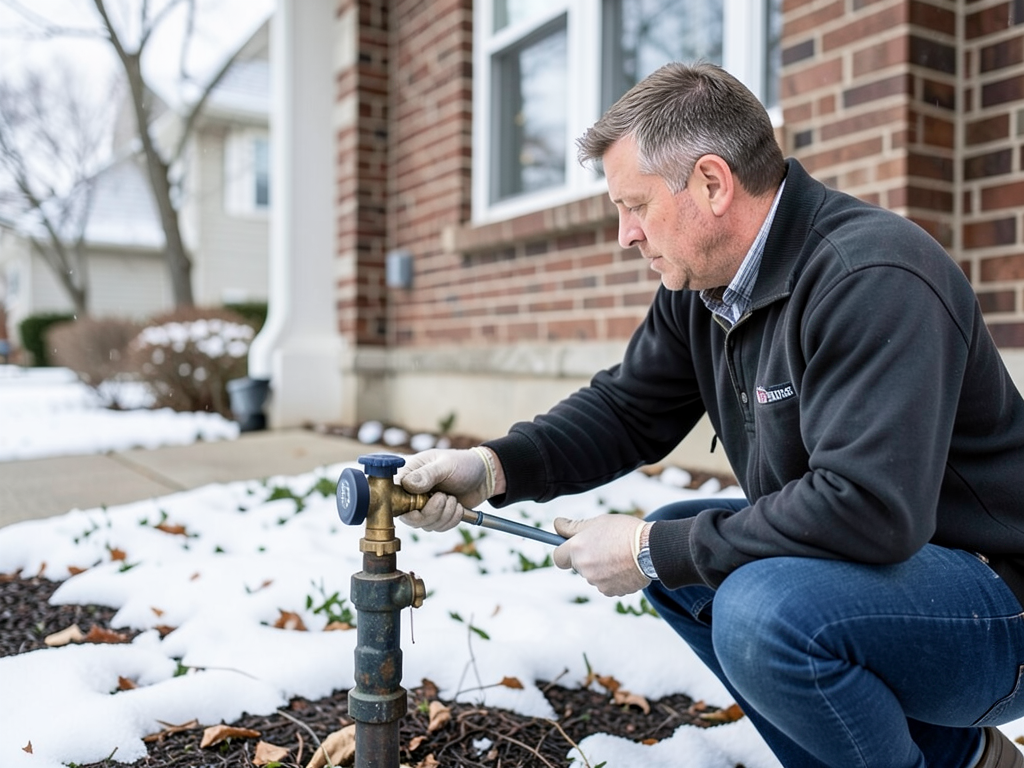







The Ohio River Valley creates a natural bowl that traps humid air against Cincinnati's seven hills, keeping relative humidity above 70 percent for much of the year. This persistent moisture saturates building materials and creates ideal conditions for mold growth inside wall cavities, particularly in homes without modern vapor barriers. Neighborhoods in lower elevations near the riverfront experience even higher humidity levels, with condensation forming inside walls as warm, moisture-laden air contacts cooler surfaces during temperature fluctuations. The clay soil throughout Hamilton County compounds the problem by draining poorly and directing groundwater toward foundations, creating chronic dampness in basements and crawlspaces where hidden mold colonies establish and spread upward through structures.
Properties throughout Cincinnati face mold challenges shaped by the region's specific construction history and climate patterns. Homes built during the city's industrial expansion often lack modern moisture management systems, making them particularly vulnerable to hidden mold growth. Ace Water Damage Restoration Cincinnati understands how German Village brick construction, balloon framing in Clifton homes, and stone foundations in Mount Adams properties each present unique detection challenges. The local expertise required to properly assess these varied building types, combined with knowledge of how seasonal Ohio River flooding and Mill Creek overflow patterns affect specific neighborhoods, makes working with Cincinnati-based professionals essential for accurate mold detection and effective remediation planning.