





Menu

Condensation on Windows & Walls in Cincinnati – Expert Diagnosis Stops Hidden Moisture Damage Before Mold Takes Hold

Condensation on windows and walls signals deeper moisture problems that can destroy drywall, breed mold, and compromise your home's structural integrity. We identify the root cause and fix it right.

Slider Image 1
Slider Image 2
Slider Image 3
Slider Image 4
Slider Image 5
Slider Image 7
Slider Image 8
Slider Image 9
Slider Image 10
Slider Image 11

Why Cincinnati Homes Battle Constant Window Sweating and Wall Moisture

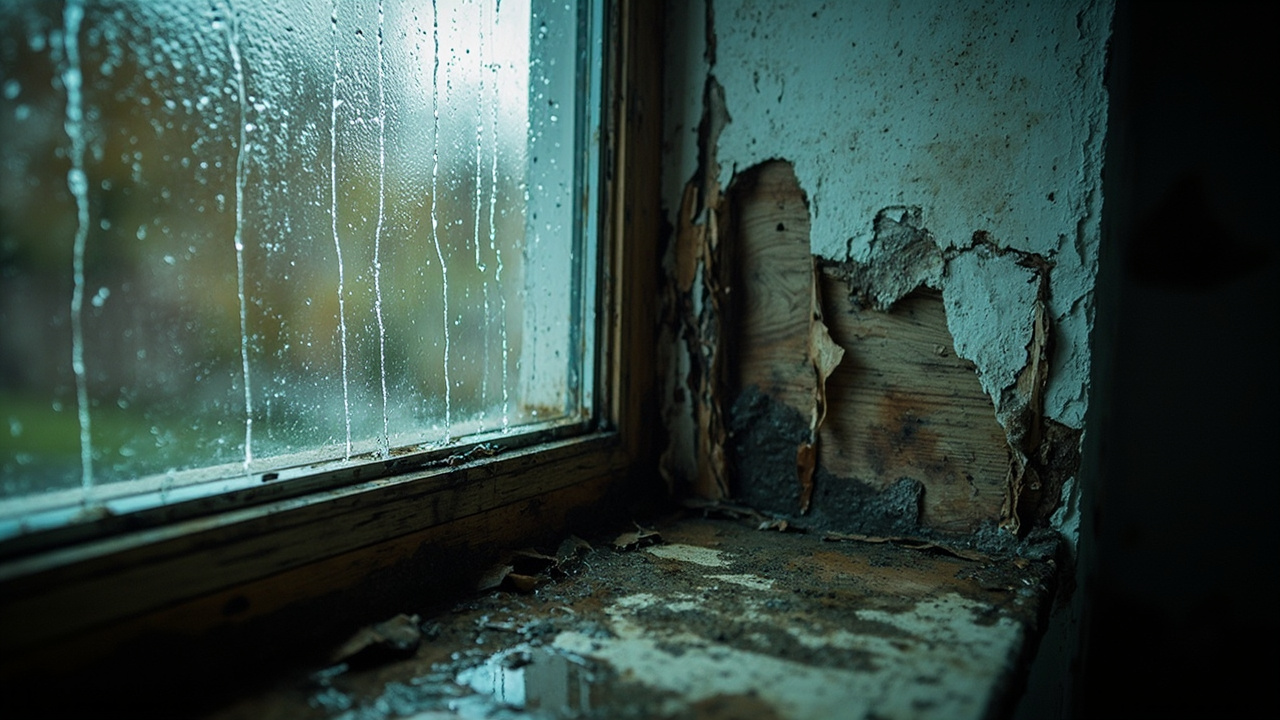
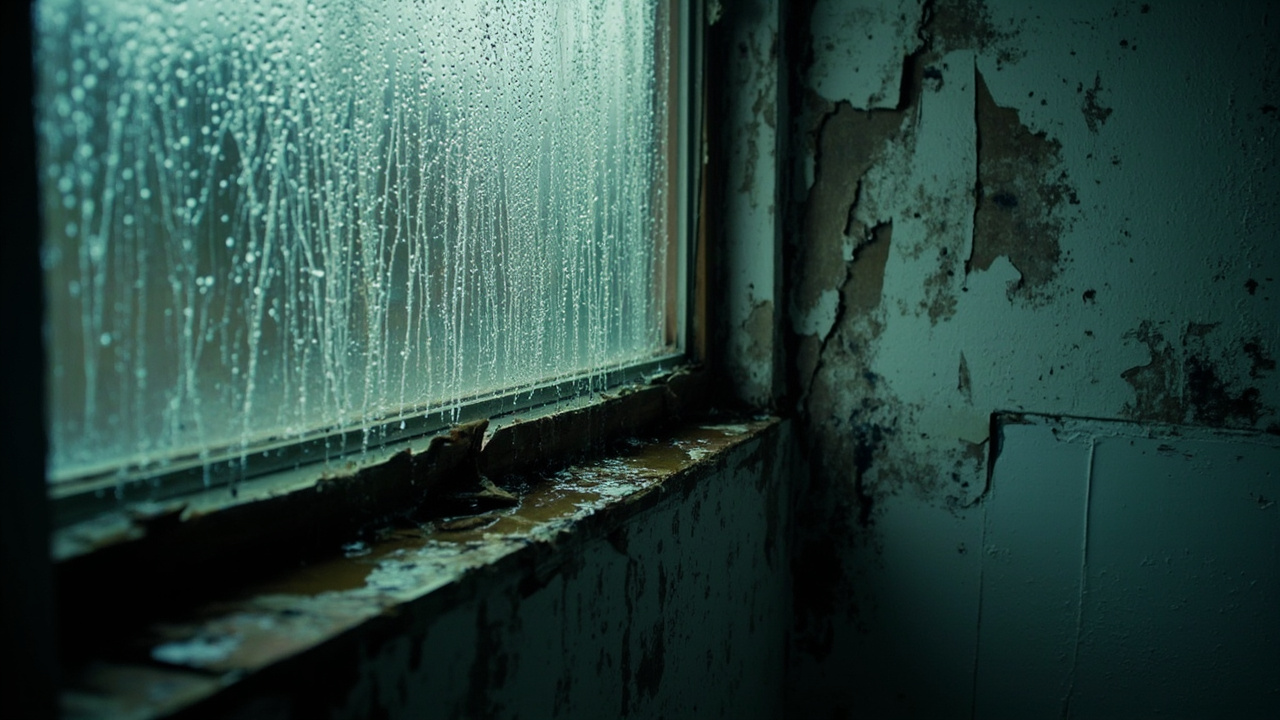
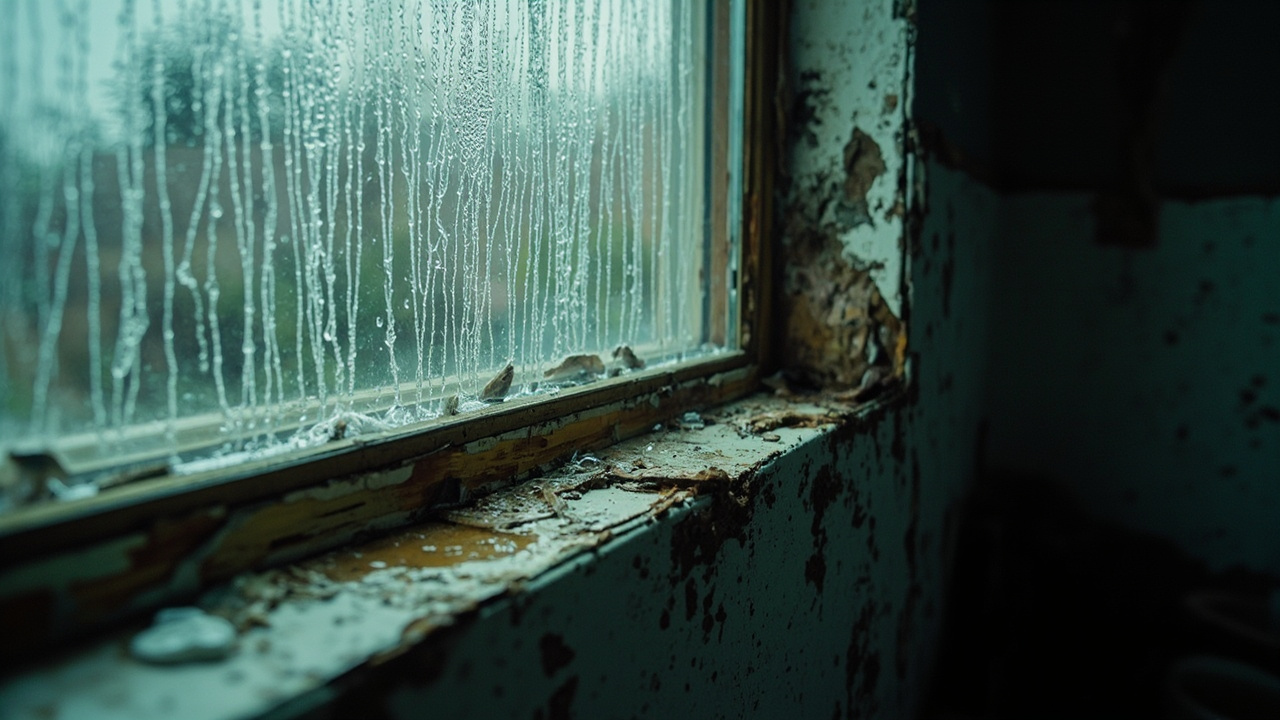
You wake up to find weeping window panes dripping onto the sill. Again. By afternoon, damp drywall patches appear near exterior walls. This is not normal wear and tear. This is Cincinnati's humid climate working against your home.

The Ohio River Valley traps moisture year-round. Summer humidity pushes 80 percent. Winter temperature swings create the perfect storm for interior glass condensation. When warm indoor air hits cold window glass or exterior walls, water vapor condenses instantly. That moisture does not just evaporate. It soaks into drywall, window frames, and wall cavities.

Many Cincinnati homes were built before modern vapor barrier standards. Older brick homes in neighborhoods like Mount Adams and Hyde Park lack proper wall insulation. The result is chronic moisture buildup on walls that homeowners ignore until they see mold or smell mustiness.

Window sweating is not just annoying. It is a warning. That water dripping down your windows is also condensing inside your walls where you cannot see it. Drywall absorbs moisture like a sponge. Within 48 hours, mold spores colonize. Within weeks, you have active mold growth behind baseboards and around window casings.

Poor attic ventilation makes it worse. Humid air rises and gets trapped. It pushes back down through ceiling penetrations and condenses on cooler surfaces. Bathrooms and kitchens without proper exhaust fans dump gallons of water vapor into your home daily. All of that moisture has to go somewhere. Usually, it ends up on your coldest surfaces: windows and exterior walls.

If you see consistent condensation, you have a ventilation problem, an insulation gap, or both. The fix is not wiping down windows every morning. The fix is identifying the moisture source and eliminating it.

Why Cincinnati Homes Battle Constant Window Sweating and Wall Moisture
How We Stop Moisture Buildup Before It Destroys Your Home

How We Stop Moisture Buildup Before It Destroys Your Home

Most homeowners treat the symptom. They buy a dehumidifier or crack a window. That does not solve the problem. We diagnose the source.

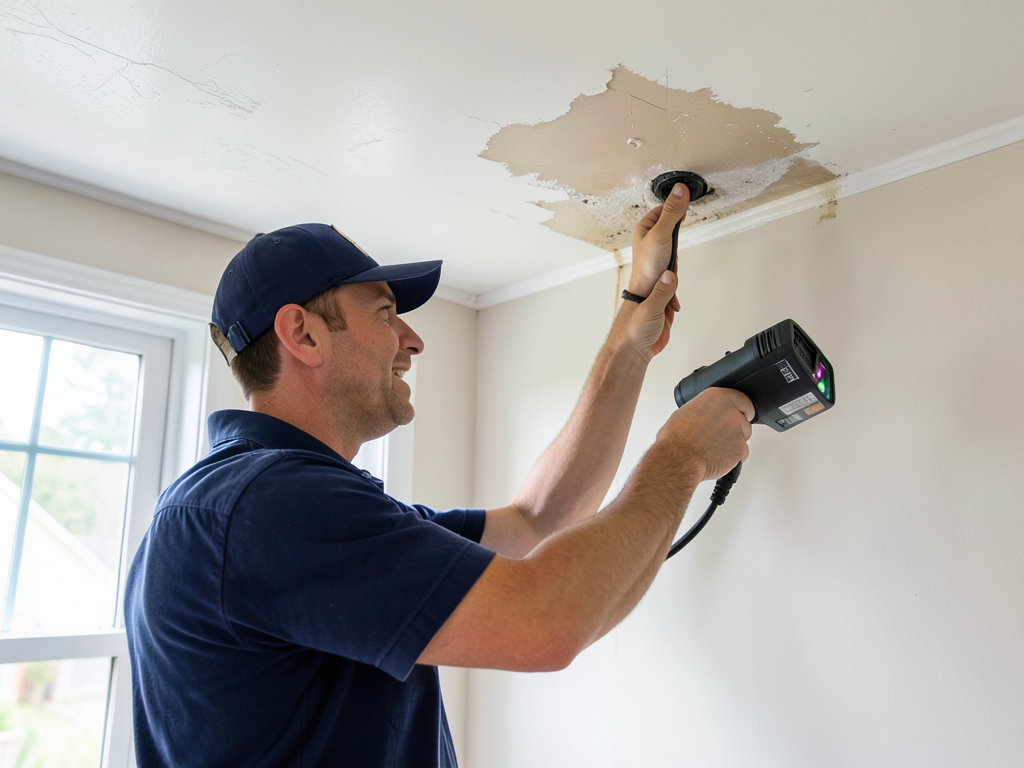
We use thermal imaging cameras to map cold spots on walls and ceilings. These are the areas where warm indoor air meets cold exterior surfaces. Condensation forms in these thermal bridges. Thermal imaging shows us exactly where your insulation is failing or where air leakage is occurring.

We measure indoor humidity levels and compare them to outdoor dew points. If your indoor relative humidity exceeds 50 percent in winter, you are creating condensation conditions. We check attic ventilation ratios. Cincinnati building code requires one square foot of ventilation per 150 square feet of attic space. Most older homes fall short.

We inspect crawl spaces and basements. Ground moisture can evaporate into your home and increase indoor humidity by 20 percent. We look for missing vapor barriers, standing water, and inadequate foundation venting.

We evaluate your HVAC system. Oversized furnaces and air conditioners cycle too quickly. They heat or cool the air but do not run long enough to remove humidity. Short cycling is common in Cincinnati homes where HVAC systems were sized incorrectly during past renovations.

We inspect bathroom and kitchen exhaust fans. Many vent into attics instead of outdoors. This dumps moisture into the attic where it condenses on roof sheathing and drips back into insulation. We verify that all exhaust fans vent through the roof or exterior walls.

Once we identify the moisture source, we fix it. That might mean adding soffit vents, sealing air leaks around windows, upgrading insulation in exterior walls, or installing a whole-home dehumidifier. We do not guess. We measure, diagnose, and correct.

What Happens During a Moisture Assessment

Condensation on Windows & Walls in Cincinnati – Expert Diagnosis Stops Hidden Moisture Damage Before Mold Takes Hold
01

Thermal and Moisture Mapping

We scan every exterior wall, window, and ceiling with thermal imaging. This shows us surface temperature variations that indicate insulation voids or air leakage. We use pin-type and non-invasive moisture meters to measure moisture content in drywall, baseboards, and window frames. Any reading above 16 percent indicates active moisture intrusion that requires immediate attention.
02

Ventilation and Humidity Testing

We measure indoor humidity levels in multiple rooms and compare them to outdoor dew points. We inspect attic ventilation, crawl space venting, and HVAC performance. We test all exhaust fans to verify proper CFM ratings and confirm they vent outdoors, not into attics. We check for ductwork leaks that can introduce humid outdoor air into conditioned spaces.
03

Corrective Action Plan

We provide a detailed report showing moisture sources, thermal deficiencies, and ventilation failures. You get a prioritized action plan with specific fixes: sealing air leaks, upgrading insulation, adding ventilation, or installing mechanical dehumidification. We explain what each fix accomplishes and how it stops condensation. You know exactly what needs to happen and why.

Why Cincinnati Homeowners Trust Ace Water Damage Restoration Cincinnati

Cincinnati's housing stock is diverse. You have 1920s brick bungalows in Northside, 1950s ranch homes in Finneytown, and modern builds in Mason. Each building type has unique moisture vulnerabilities. We have worked in all of them.

Older brick homes lack wall insulation. The brick absorbs rainwater and releases it slowly into interior walls. Single-pane windows create extreme temperature differentials. We know how to retrofit these homes without destroying original plaster or trim.

Post-war ranch homes often have inadequate attic ventilation and minimal wall insulation. Many have uninsulated rim joists in basements where condensation forms on cold concrete. We upgrade these homes systematically to stop moisture intrusion at every weak point.

Modern homes have tight building envelopes. That is good for energy efficiency but bad for moisture control if mechanical ventilation is inadequate. We balance air sealing with controlled ventilation to maintain indoor air quality without creating condensation.

We understand Cincinnati's building codes. Hamilton County and surrounding jurisdictions have specific requirements for vapor barriers, attic ventilation, and crawl space encapsulation. We know what passes inspection and what creates long-term moisture problems even if it meets code minimums.

We work directly with insurance adjusters on claims involving hidden mold from chronic condensation. We document moisture intrusion, photograph damage, and provide detailed estimates that insurance companies accept. We know how to frame a claim so it gets approved.

You do not want a general contractor guessing about moisture problems. You want specialists who understand building science, psychrometrics, and how Cincinnati's climate interacts with your home's construction. That is what we do.

What to Expect When You Call Us

Same-Day Assessment Availability

We schedule moisture assessments within 24 hours of your call. Most appointments happen same-day or next-day. The assessment takes 60 to 90 minutes depending on home size. We inspect attics, crawl spaces, basements, and all affected rooms. You get a verbal summary immediately after the inspection. We email the full written report with thermal images and moisture readings within 24 hours. If we find active mold, we can begin remediation immediately.

Comprehensive Moisture and Thermal Analysis

We do not just look at the obvious condensation. We trace the moisture source through your entire building envelope. We check for plumbing leaks, roof leaks, foundation seepage, and HVAC condensation. We measure indoor and outdoor humidity. We inspect insulation coverage and air sealing. We test exhaust fans and check ductwork for leaks. You get a complete picture of every moisture source in your home, not just a Band-Aid fix for sweating windows.

Permanent Fixes That Stop Moisture

We do not sell you a dehumidifier and walk away. We fix the building defects that create condensation. That means sealing air leaks, adding insulation, upgrading ventilation, or installing vapor barriers. We use materials rated for Cincinnati's climate. We follow building science best practices, not outdated rules of thumb. When we finish, your windows stay clear and your walls stay dry. The problem is solved, not managed.

Post-Repair Monitoring and Verification

After we complete moisture control work, we return for a follow-up inspection. We re-scan with thermal imaging to confirm cold spots are eliminated. We measure moisture levels in previously wet areas to verify they are drying correctly. We check that new ventilation systems are functioning as designed. If condensation recurs, we come back and make it right. You get verification that the problem is fixed, not just our word that it should be better.

Frequently Asked Questions

You Have Questions,
We Have Answers

How to stop condensation on windows and walls? +

Reduce indoor humidity by running exhaust fans in bathrooms and kitchens during use. Keep your home between 30-50% humidity with a dehumidifier. Improve air circulation by opening blinds and moving furniture away from exterior walls. Check your HVAC system for proper ventilation. In Cincinnati's humid summers and cold winters, temperature swings worsen condensation. Seal air leaks around windows with caulk or weatherstripping. Upgrade to double-pane windows if you have single-pane glass. Run ceiling fans to circulate air year-round. Address drainage issues outside that create moisture problems inside.

Is it normal to have condensation on the inside of house windows? +

Some condensation during Cincinnati's cold winter mornings is normal, especially on older single-pane windows. When warm indoor air hits cold glass, moisture forms. If you see light fog that clears within an hour, that's typical. Heavy condensation that pools on sills, drips down walls, or persists all day signals a problem. High indoor humidity, poor ventilation, or failing window seals create excessive moisture. Normal condensation happens occasionally during extreme temperature drops. Persistent condensation leads to mold, wood rot, and paint damage. You need to address the root cause.

Should you wipe condensation off windows? +

Wipe away condensation immediately to prevent water damage and mold growth. Use a microfiber cloth or squeegee to remove standing water from glass and sills. This stops moisture from soaking into wood frames or drywall. Wiping is a temporary fix that does not solve the underlying humidity problem. You must identify why condensation forms. Check for ventilation issues, high indoor humidity, or air leaks. In Cincinnati homes, condensation often appears during winter temperature swings. Clean water spots regularly to prevent mineral deposits and mildew. Address the source to stop the cycle.

Does condensation on windows mean the house is too cold? +

Condensation happens when warm, humid indoor air contacts cold window glass. The glass temperature matters more than room temperature. Your home could be warm, but if windows are poorly insulated, exterior cold transfers through the glass. This creates a cold surface where moisture condenses. Cincinnati's winter temperatures combined with indoor heating create ideal conditions. Single-pane windows and metal frames conduct cold efficiently. The issue is temperature difference, not necessarily a cold house. Upgrading windows or improving insulation reduces the cold surface area where condensation forms.

Does condensation on windows mean poor insulation? +

Condensation on windows often indicates poor insulation, but not always. Single-pane windows or older double-pane units with broken seals lose insulating value. Cold penetrates easily, creating condensation. However, high indoor humidity causes condensation even with good windows. Check for both problems. In Cincinnati's older neighborhoods, homes with original windows face both issues. Inspect window frames for air leaks. Look for condensation between double-pane glass, which signals seal failure. Test indoor humidity levels. If humidity stays below 40% and condensation persists, insulation is likely the culprit.

What to put on walls to stop condensation? +

Apply mold-resistant primer and paint to walls prone to condensation. Install vapor barriers during renovation in bathrooms and basements. Use anti-condensation paint with insulating properties in cold exterior walls. Increase wall insulation to raise surface temperature above the dew point. Install rigid foam insulation boards on interior basement walls. In Cincinnati's humid climate, basements and north-facing walls collect moisture easily. Address ventilation first before adding products. No surface treatment fixes poor air circulation or excessive humidity. Combine surface protection with dehumidification and proper HVAC function for lasting results.

How to stop condensation on windows overnight in winter? +

Lower indoor humidity before bed by running a dehumidifier. Set your thermostat at a consistent temperature rather than dropping it at night. Crack a window slightly to improve air exchange if outdoor temperatures allow. Keep bedroom doors open to circulate air. Close curtains and blinds to create an insulating air pocket between fabric and glass. Run a small fan to keep air moving across windows. In Cincinnati winters, temperature drops overnight trigger condensation. Check that bathroom exhaust fans vent outside, not into attics. Morning condensation often clears once heating resumes.

What causes condensation on walls? +

Wall condensation occurs when warm, moist indoor air contacts cold wall surfaces. Poor insulation allows exterior cold to penetrate walls, creating a condensation point. High indoor humidity from cooking, showering, or drying clothes adds moisture to the air. Lack of vapor barriers in exterior walls lets moisture migrate into wall cavities. Cincinnati's temperature swings between seasons stress building envelopes. Basements and exterior walls on north-facing sides experience the most condensation. Leaky ducts or HVAC issues create humid pockets. Water intrusion from outside masquerades as condensation but requires immediate water damage repair.

Will a dehumidifier stop condensation on windows? +

A dehumidifier reduces indoor humidity, which prevents condensation on windows. If your humidity stays above 50%, condensation forms easily on cold glass. Running a dehumidifier maintains 30-40% humidity, the ideal range. This stops moisture from condensing when air hits cold surfaces. In Cincinnati's humid summers, dehumidifiers work hard to control moisture. They help but do not fix poor ventilation or inadequate insulation. Use a hygrometer to monitor humidity levels. Place the dehumidifier centrally for whole-home effect. Empty collection tanks regularly. Combine dehumidification with proper ventilation for best results.

What are signs of excessive condensation? +

Excessive condensation shows as water pooling on window sills, dripping down walls, or forming between double-pane glass. You notice musty odors from mold growth. Paint peels or bubbles on walls and ceilings. Wood window frames swell, rot, or show black mold spots. Wallpaper loosens or develops mildew. Carpets near exterior walls feel damp. In Cincinnati basements, you see efflorescence on concrete walls. Persistent foggy windows that never clear indicate a serious problem. Stains on ceilings below bathrooms signal moisture issues. If you see these signs, test humidity levels and improve ventilation immediately.

How Cincinnati's Humid Climate Makes Condensation a Year-Round Threat

Cincinnati sits in the Ohio River Valley where humidity stays high even in winter. Summer dew points regularly hit 70 degrees. Winter indoor heating creates large temperature differentials between warm interior air and cold window glass. This combination produces chronic condensation that many homeowners assume is normal. It is not. Persistent window sweating and damp drywall patches indicate ventilation failures, insulation gaps, or excessive indoor humidity. Left unchecked, this moisture destroys window sills, rots framing, and feeds mold growth inside wall cavities where you cannot see it until the damage is severe.

Ace Water Damage Restoration Cincinnati works throughout Hamilton, Clermont, Warren, and Butler counties. We understand the construction methods used in Cincinnati's diverse neighborhoods. We know how 1920s brick homes in Oakley differ from 1970s vinyl-sided homes in West Chester. We know which local HVAC contractors properly size systems and which ones oversell equipment that short cycles and fails to control humidity. We work with local building inspectors and insurance adjusters who trust our assessments. When you need moisture problems diagnosed correctly the first time, local expertise matters.

Water Damage Restoration Services in The Cincinnati Area

We are proud to serve the entire Cincinnati area, providing expert water damage restoration services wherever and whenever they are needed. We understand the unique challenges our local community faces and are committed to being there for our neighbors. View our service area on the map to see how we can assist you, or simply give us a call for immediate dispatch to your location.

Address:
Ace Water Damage Restoration Cincinnati, 1507 Dana Ave, Cincinnati, OH, 45207

Additional Services We Offer

Our news updates

Latest Articles & News from The Blogs

Finding the Source of a Slab Leak in Your Mack Home Slab leaks in Mack OH homes are more than…

Finding the Source of a Slab Leak in Your Mack Home

Finding the Source of a Slab Leak in Your Mack Home Slab leaks in Mack OH homes are more than…

What to Do When Your Water Heater Bursts in Madisonville

Emergency Water Heater Burst Cleanup in Madisonville, Cincinnati \n\n A water heater burst in Madisonville creates immediate flooding that can…

Salvaging Important Paper Documents and Photos After an Amberley Village Flood

Salvaging Important Paper Documents and Photos After an Amberley Village Flood When floodwaters rush through Amberley Village basements, the damage…

Contact Us

Condensation is not cosmetic. It is structural damage in progress. Call Ace Water Damage Restoration Cincinnati now at (513) 717-2522. We will schedule your moisture assessment today and give you a clear action plan to eliminate condensation permanently.