What to Do When Your Historic Mt. Lookout Radiator Springs a Leak
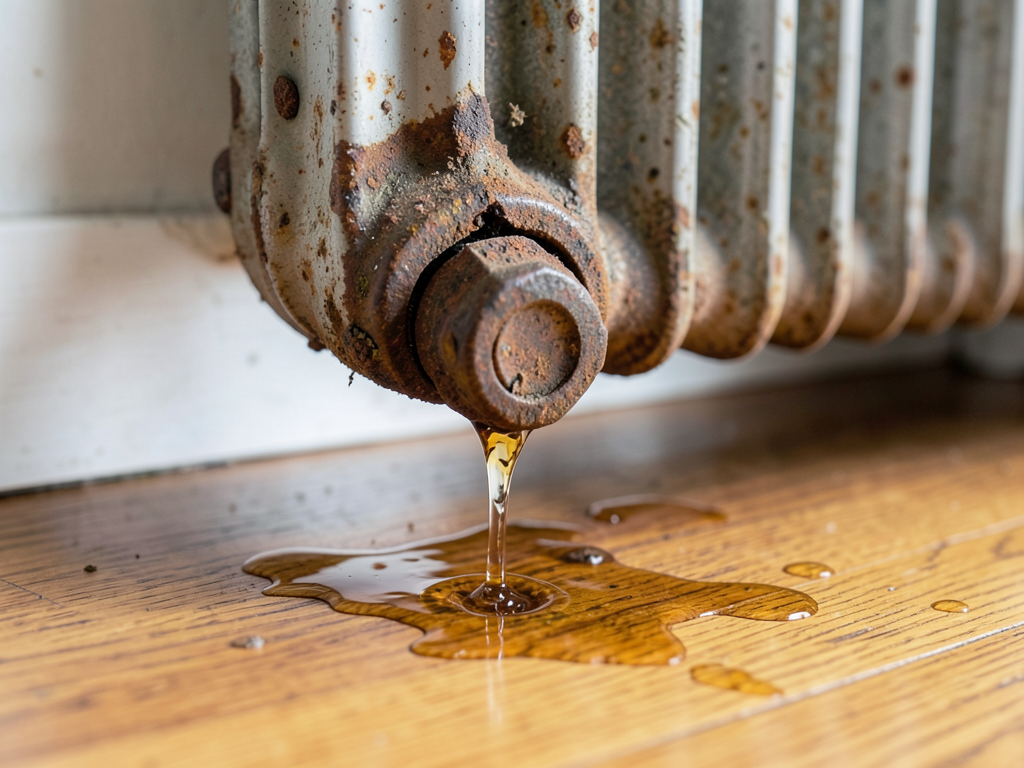
Your radiator just started dripping rusty water onto your hardwood floors. That antique steam system in your Mt. Lookout home is leaking and you need to act fast before it damages your century-old woodwork and plaster walls. Here’s exactly what to do right now and how to prevent long-term damage to your historic Cincinnati property. Restoring Your Hardwood Floors After Water Damage in Madeira.
Immediate Steps to Stop the Leak and Protect Your Home
The first priority is stopping the water flow. Locate the radiator’s manual shutoff valve near the floor. Turn it clockwise until it stops. If you cannot find the valve or it’s stuck, find your home’s main water supply valve and turn it off. Place towels or a bucket under the leak to catch dripping water. Water Damage Restoration Blue Ash.
Next, turn off your boiler system. For steam radiators, this prevents pressure from building up. For hot water systems, it stops circulation. If you smell gas or see steam escaping from unusual places, evacuate immediately and call the fire department. EPA mold information.
Move furniture and rugs away from the affected area. Water can travel along floor joists and damage rooms below. Check your basement or crawl space for water dripping through the ceiling. What to Do When Your Indian Hill Basement Floods Unexpectedly.
Common Causes of Radiator Leaks in Mt. Lookout’s Historic Homes
Most radiator leaks in Cincinnati’s older neighborhoods stem from corrosion inside the system. Mt. Lookout homes built before 1950 often have original cast iron radiators and steel pipes that develop pinhole leaks after decades of use. The high iron content in Cincinnati’s water accelerates this process.
Valve failures are another frequent issue. The manual shutoff valves on older radiators can freeze in place or develop slow drips around the stem. Steam vent valves can also fail, causing water to spray from the air vent instead of steam. Reliable Sump Pump Failure Repair and Cleanup in Anderson Township.
Improper maintenance leads to pressure problems. Many homeowners forget to bleed their radiators annually, causing air pockets that create hot spots and accelerate corrosion. Others overtighten valves, cracking the radiator body.
Assessing the Water Damage to Your Historic Property
Radiator leaks can cause several types of damage to your Mt. Lookout home. Hardwood floors are particularly vulnerable. Water seeps between boards, causing them to cup, warp, or develop black stains from mineral deposits in the rusty water.
Plaster walls behind radiators often show damage first. The combination of heat and moisture causes plaster to crack and separate from the lath. You might notice bubbling paint or soft spots in the wall surface.
Subflooring can absorb water without showing immediate signs. Press on the floor near the leak. If it feels soft or spongy, water has likely penetrated the subfloor and possibly the floor joists below.
Check for water stains on ceilings below the radiator. Even small leaks can travel along floor joists and appear as dark spots on the ceiling of the room below.
The Hidden Danger: Mold Growth in Cincinnati’s Humid Climate
Ohio’s high humidity creates perfect conditions for mold growth after water damage. Mold can begin growing within 24-48 hours of water exposure. The dark, warm space behind a radiator provides ideal conditions for mold spores to multiply.
Look for black, green, or white fuzzy growth on walls, baseboards, or floor surfaces near the leak. Musty odors indicate active mold growth even if you cannot see it. Mold behind walls can spread through your home’s air system.
Steam radiator leaks are particularly problematic because they create both moisture and heat. This combination accelerates mold growth compared to cold water leaks. The rust in the water also provides nutrients that feed mold colonies.
Professional Water Damage Restoration Process for Radiator Leaks
Professional restoration goes beyond mopping up visible water. The process starts with moisture mapping using thermal imaging cameras to detect hidden water behind walls and under floors. This technology shows exactly where water has traveled in your Mt. Lookout home’s structure.
Next comes water extraction using commercial-grade pumps and vacuums. For hardwood floors, specialized drying mats apply suction directly to the wood surface to draw out moisture from between the boards.
Dehumidification follows extraction. Industrial dehumidifiers remove moisture from the air and materials. The goal is reducing humidity to below 40% to prevent mold growth and allow materials to dry properly.
Structural drying may require removing baseboards, drilling small holes in walls, or lifting sections of flooring. This allows air circulation to reach hidden moisture pockets. In historic homes, technicians use minimally invasive techniques to preserve original materials.
Cleaning involves removing rust stains, mineral deposits, and any mold growth. For plaster walls, this might include gentle cleaning solutions that won’t damage the original finish. Hardwood floors may need professional cleaning to remove water spots and prevent staining.
Category 2 Water Contamination from Radiator Leaks
Radiator water is classified as Category 2 or “grey water” contamination. This means it contains significant contamination that could cause discomfort or illness if contacted or consumed. The rust, mineral deposits, and potentially biological growth in the water make it more hazardous than clean water from a broken supply line.
Category 2 water requires specific handling procedures. Technicians wear personal protective equipment including gloves and sometimes respirators. Contaminated materials like soaked carpet padding must be removed and disposed of properly.
The IICRC S500 standard for water damage restoration classifies radiator leaks as Category 2 because of the chemical and biological contaminants present. This classification affects the restoration approach and cleanup requirements. IICRC water damage standards.
Navigating Insurance Claims for Radiator Water Damage
Most homeowners insurance policies cover sudden and accidental water damage from plumbing failures, including radiator leaks. However, damage from lack of maintenance or gradual leaks over time may not be covered.
Document everything immediately. Take photos of the leak source, the water spread, and any damage to floors, walls, or personal belongings. Keep receipts for any emergency measures you take, like renting dehumidifiers or hiring emergency cleanup services.
Insurance companies often require professional estimates for repairs. A certified water damage restoration company can provide detailed documentation of the damage extent and necessary repairs, which helps support your claim.
Some policies have specific exclusions for boiler or radiator system failures. Review your policy or contact your insurance agent to understand your coverage before the damage occurs.
Preventing Future Radiator Leaks in Your Mt. Lookout Home
Annual maintenance prevents most radiator leaks. Bleed your radiators each fall before heating season begins. This removes air pockets that cause pressure problems and corrosion. You’ll need a radiator key and a small container to catch the water.
Check valve operation seasonally. Turn the shutoff valve fully open and closed to ensure it moves freely. Stuck valves often fail during the first cold snap when you need heat most.
Consider having your boiler system inspected by a licensed HVAC technician every two years. They can check for corrosion, pressure problems, and worn components before they cause leaks.
Install water leak detectors near radiators and under-floor areas. These inexpensive devices sound an alarm when they detect moisture, giving you early warning of developing leaks.
Mt. Lookout’s Unique Challenges for Radiator Systems
Mt. Lookout’s historic homes present specific challenges for radiator systems. Many homes in the area were built between 1900 and 1940 with original heating systems still in use. The age of these systems means higher failure rates and more frequent leaks.
The neighborhood’s proximity to the Ohio River affects water quality. Cincinnati’s water contains higher mineral content than many areas, accelerating corrosion in radiator systems. Homes near the river may experience more frequent leaks due to this water chemistry.
Mt. Lookout’s older electrical systems can complicate restoration work. Many historic homes lack grounded outlets needed for modern dehumidifiers and drying equipment. Restoration companies must bring in temporary power solutions or use gas-powered equipment.
The neighborhood’s tree canopy and older construction create unique drying challenges. Limited sunlight and airflow in some Mt. Lookout homes mean moisture takes longer to evaporate naturally, increasing the risk of secondary damage like mold growth.
When to Call Professional Restoration Services
Call professionals if water has spread beyond the immediate area around the radiator. Water traveling along floor joists or through walls requires specialized equipment to detect and remove.
Contact restoration experts if you notice any mold growth or musty odors. Mold remediation requires specific training and equipment to remove safely without spreading spores throughout your home.
Professional help is essential if your home has plaster walls, original hardwood floors, or other historic materials. These require specialized restoration techniques to preserve their value and character.
Emergency services are available 24/7 in Cincinnati. Fast response prevents secondary damage and reduces restoration costs. Most companies can arrive within two hours of your call.
Cost Factors for Radiator Leak Restoration
Restoration costs vary based on several factors. The extent of water spread affects the amount of drying equipment needed. A small leak contained to one room costs significantly less than water that has traveled through multiple levels.
Material types impact restoration complexity. Original hardwood floors and plaster walls require more careful restoration than modern materials, affecting both time and cost.
Category 2 water contamination requires additional safety measures and disposal procedures, increasing costs compared to clean water leaks.
Emergency response timing affects pricing. After-hours calls or holiday service may include premium charges, though many companies offer standard rates for emergency water damage.
Frequently Asked Questions
How long does radiator leak restoration take?
Most radiator leak restoration projects take 3-5 days. The first 24 hours focus on water removal and preventing further damage. Complete drying typically requires 48-72 hours with professional equipment. Additional time may be needed for repairs and restoration of damaged materials.
Can I stay in my home during restoration?
Often yes, but it depends on the damage extent. If only one room is affected and utilities remain functional, you can usually stay. However, if the boiler is off or there’s significant mold risk, temporary relocation may be safer and sometimes required by insurance.
Will my insurance cover the full cost?
Coverage varies by policy. Most standard homeowners insurance covers sudden radiator failures but may exclude damage from lack of maintenance. Review your policy details or contact your insurance agent. Professional restoration companies can help document damage for insurance claims.
How can I prevent radiator leaks?
Annual maintenance is key. Bleed radiators each fall, check valve operation seasonally, and have your boiler system inspected every two years. Install water leak detectors near radiators for early warning. Consider replacing very old components before they fail.
What should I do first when I discover a leak?
Immediately shut off the radiator valve or main water supply. Place containers to catch dripping water. Turn off the boiler system. Move furniture and valuables away from the affected area. Document the damage with photos. Then call a professional restoration company or your HVAC technician.
Don’t Let a Small Leak Become a Big Problem
Radiator leaks in Mt. Lookout’s historic homes require immediate attention. The combination of aging systems, mineral-rich water, and Cincinnati’s humid climate creates perfect conditions for water damage and mold growth. Fast action prevents thousands of dollars in restoration costs and protects your home’s historic value.
Our Cincinnati team understands the unique challenges of restoring water damage in historic properties. We use specialized equipment and techniques designed for plaster walls, original hardwood floors, and century-old construction methods. We work directly with your insurance company to streamline the claims process.
Available 24/7 for emergency response throughout Mt. Lookout, Hyde Park, and surrounding Cincinnati neighborhoods. Don’t wait until Monday morning when a small leak becomes a major restoration project.
Call (513) 717-2522 now for immediate assistance. Our certified technicians will assess the damage, stop the water spread, and begin the restoration process to protect your historic home.
Pick up the phone and call (513) 717-2522 before the next storm hits. Water damage waits for no one, but we’re ready to respond whenever you need us.
{
“@context”: “https://schema.org”,
“@type”: “BlogPosting”,
“headline”: “What to Do When Your Historic Mt. Lookout Radiator Springs a Leak”,
“description”: “Radiator leaks in Mt. Lookout’s historic homes can cause serious water damage. Learn immediate steps to take, how to shut off the system, and when to call Cincinnati’s 24/7 restoration experts.”,
“wordCount”: 2017,
“datePublished”: “2026-05-24T13:49:00.000Z”,
“dateModified”: “2026-05-24T13:49:00.000Z”,
“inLanguage”: “en-US”,
“mainEntityOfPage”: {
“@type”: “WebPage”,
“@id”: “https://acewaterdamagerestorationcincinnati.com”
},
“publisher”: {
“@type”: “LocalBusiness”,
“name”: “Ace Water Damage Restoration Cincinnati”,
“url”: “https://acewaterdamagerestorationcincinnati.com”
},
“author”: {
“@type”: “Organization”,
“name”: “Ace Water Damage Restoration Cincinnati”,
“url”: “https://acewaterdamagerestorationcincinnati.com”
},
“image”: {
“@type”: “ImageObject”,
“url”: “https://acewaterdamagerestorationcincinnati.com/wp-content/uploads/2026/03/what-to-do-when-your-historic-mt-lookout-radiator-1.png”
}
}
{
“@context”: “https://schema.org”,
“@type”: “LocalBusiness”,
“name”: “Ace Water Damage Restoration Cincinnati”,
“url”: “https://acewaterdamagerestorationcincinnati.com”,
“address”: {
“@type”: “PostalAddress”,
“addressLocality”: “Cincinnati”
},
“areaServed”: {
“@type”: “City”,
“name”: “Cincinnati”
}
}
{
“@context”: “https://schema.org”,
“@type”: “FAQPage”,
“mainEntity”: [
{
“@type”: “Question”,
“name”: “How long does radiator leak restoration take?”,
“acceptedAnswer”: {
“@type”: “Answer”,
“text”: “Most radiator leak restoration projects take 3-5 days. The first 24 hours focus on water removal and preventing further damage. Complete drying typically requires 48-72 hours with professional equipment. Additional time may be needed for repairs and restoration of damaged materials.”
}
},
{
“@type”: “Question”,
“name”: “Can I stay in my home during restoration?”,
“acceptedAnswer”: {
“@type”: “Answer”,
“text”: “Often yes, but it depends on the damage extent. If only one room is affected and utilities remain functional, you can usually stay. However, if the boiler is off or there’s significant mold risk, temporary relocation may be safer and sometimes required by insurance.”
}
},
{
“@type”: “Question”,
“name”: “Will my insurance cover the full cost?”,
“acceptedAnswer”: {
“@type”: “Answer”,
“text”: “Coverage varies by policy. Most standard homeowners insurance covers sudden radiator failures but may exclude damage from lack of maintenance. Review your policy details or contact your insurance agent. Professional restoration companies can help document damage for insurance claims.”
}
},
{
“@type”: “Question”,
“name”: “How can I prevent radiator leaks?”,
“acceptedAnswer”: {
“@type”: “Answer”,
“text”: “Annual maintenance is key. Bleed radiators each fall, check valve operation seasonally, and have your boiler system inspected every two years. Install water leak detectors near radiators for early warning. Consider replacing very old components before they fail.”
}
},
{
“@type”: “Question”,
“name”: “What should I do first when I discover a leak?”,
“acceptedAnswer”: {
“@type”: “Answer”,
“text”: “Immediately shut off the radiator valve or main water supply. Place containers to catch dripping water. Turn off the boiler system. Move furniture and valuables away from the affected area. Document the damage with photos. Then call a professional restoration company or your HVAC technician.”
}
}
]
}
{
“@context”: “https://schema.org”,
“@type”: “BreadcrumbList”,
“itemListElement”: [
{
“@type”: “ListItem”,
“position”: 1,
“name”: “Home”,
“item”: “https://acewaterdamagerestorationcincinnati.com”
},
{
“@type”: “ListItem”,
“position”: 2,
“name”: “Blog”,
“item”: “https://acewaterdamagerestorationcincinnati.com/blog”
},
{
“@type”: “ListItem”,
“position”: 3,
“name”: “What to Do When Your Historic Mt. Lookout Radiator Springs a Leak”
}
]
}
{
“@context”: “https://schema.org”,
“@type”: “Service”,
“serviceType”: “Water Damage Restoration”,
“provider”: {
“@type”: “LocalBusiness”,
“name”: “Ace Water Damage Restoration Cincinnati”,
“url”: “https://acewaterdamagerestorationcincinnati.com”
},
“areaServed”: {
“@type”: “City”,
“name”: “Cincinnati”
},
“description”: “Radiator leaks in Mt. Lookout’s historic homes can cause serious water damage. Learn immediate steps to take, how to shut off the system, and when to call Cincinnati’s 24/7 restoration experts.”
}