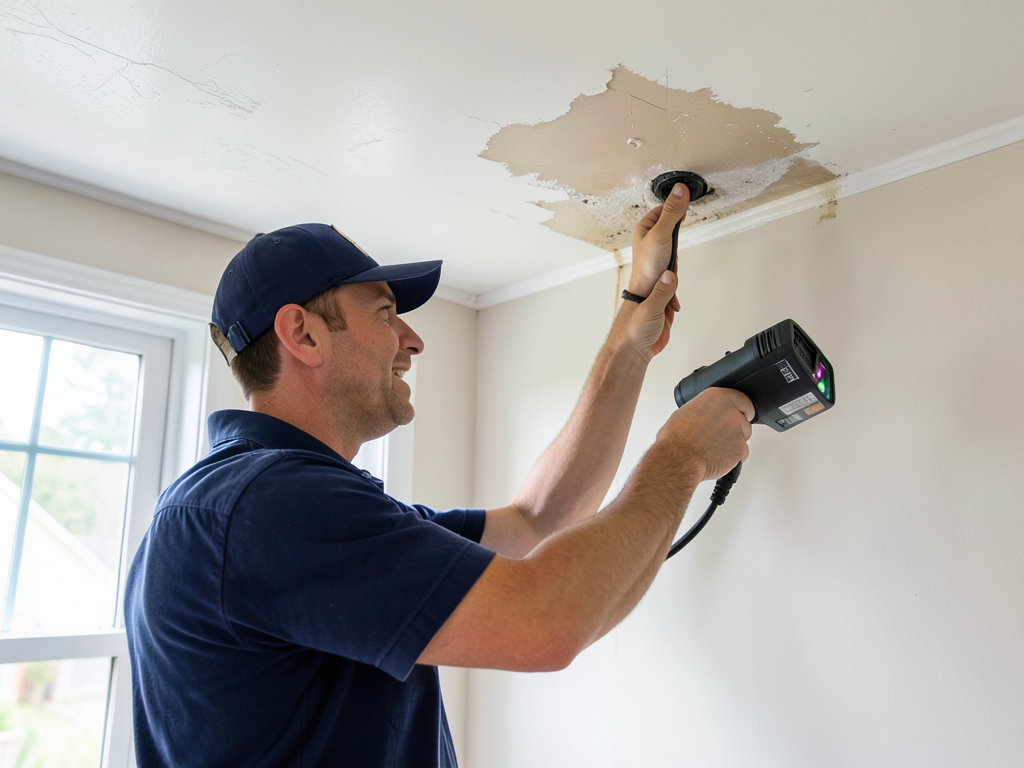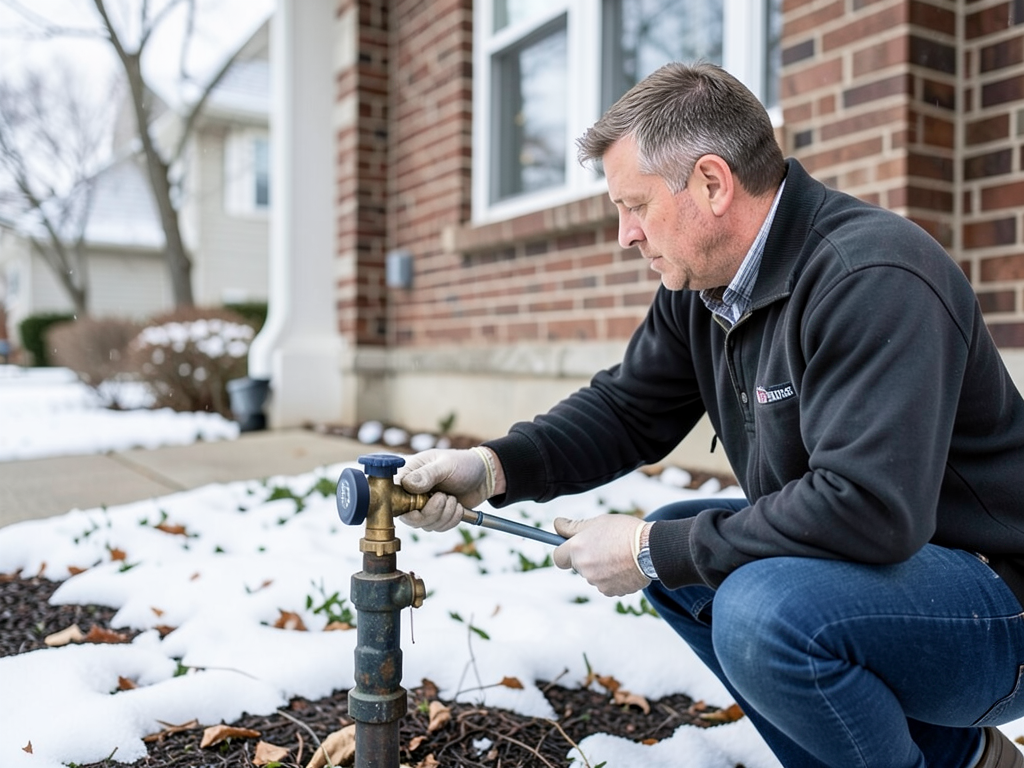








Cincinnati averages 44 inches of rain annually, concentrated in April and May when groundwater tables rise to their highest levels. The Ohio River Valley creates a humidity bowl where summer dew points regularly exceed 70 degrees. This combination means your basement faces water pressure from below and humidity from above simultaneously. Homes in low-lying areas near Mill Creek or the Little Miami River deal with seasonal flooding that saturates soil for weeks. Freeze-thaw cycles crack concrete from December through February, creating new entry points each winter. Proactive water sealing methods must address this continuous moisture assault from multiple directions. Generic waterproofing fails here because it assumes stable, dry conditions between rain events. Cincinnati homes never fully dry out between storms.
Cincinnati building inspectors enforce specific foundation drainage requirements based on decades of local flood data. Contractors who work exclusively in this region understand soil composition varies dramatically between neighborhoods. Clay content in Mount Washington differs from sandy loam in Anderson Township, requiring different drainage solutions. Ace Water Damage Restoration Cincinnati maintains relationships with local building departments and knows which permits you need for exterior excavation work. We source materials from regional distributors who stock products tested in Ohio River Valley conditions. National chains sell waterproofing products designed for desert climates or coastal regions that fail in freeze-thaw environments. Local expertise means you get solutions engineered for the specific challenges your home faces, backed by teams who live and work in the same watershed you do.