




Menu

Swollen Baseboards & Trim in Cincinnati – Expert Diagnosis Stops Hidden Water Damage Before It Spreads

When moisture swollen baseboards appear in your home, you're looking at active water infiltration that won't stop on its own. Our technicians identify the hidden source, extract trapped moisture, and repair damaged trim before mold takes hold in your walls.

Slider Image 1
Slider Image 2
Slider Image 3
Slider Image 4
Slider Image 5
Slider Image 7
Slider Image 8
Slider Image 9
Slider Image 10
Slider Image 11

Why Cincinnati Homes Develop Swollen and Warped Baseboard Molding

You walk past your baseboards every day without noticing them. Then one afternoon, you spot it: a bulge along the bottom edge, paint cracking, or the trim pulling away from the wall. That bloated wood trim didn't appear overnight. It's been absorbing water for weeks, sometimes months.

Cincinnati's humidity and seasonal temperature swings create the perfect environment for water damaged baseboards. Spring rains overwhelm foundation drainage systems. Summer humidity condenses against cold basement walls. Winter freeze-thaw cycles crack foundations and force groundwater through hairline gaps. Your baseboards sit at the intersection of wall cavities and floor slabs, making them the first visible casualty when moisture infiltrates your home.

Expanded MDF trim is especially vulnerable. Medium-density fiberboard absorbs water like a sponge. Once saturated, it swells to twice its original thickness and crumbles when you press it. Solid wood baseboards warp and cup, pulling fasteners through drywall. Paint blisters and peels as trapped moisture tries to escape.

The real problem isn't the baseboard itself. Warped baseboard molding is a symptom. The water source is still active. It could be a slow plumbing leak behind the wall, condensation from uninsulated ductwork, or hydrostatic pressure pushing groundwater through your foundation. Homes in neighborhoods like Hyde Park and Mount Lookout, built on hillsides with clay soil, experience seasonal foundation movement that opens new pathways for water infiltration.

Ignoring moisture swollen baseboards means ignoring the active water source destroying your framing, insulation, and drywall. By the time you smell mold, remediation costs multiply.

Why Cincinnati Homes Develop Swollen and Warped Baseboard Molding
How We Locate the Source and Remove Moisture from Walls and Trim

How We Locate the Source and Remove Moisture from Walls and Trim

When you call Ace Water Damage Restoration Cincinnati about swollen baseboards, we don't just replace the trim and leave. That approach guarantees the problem returns in six months. We treat the symptom by addressing the source.

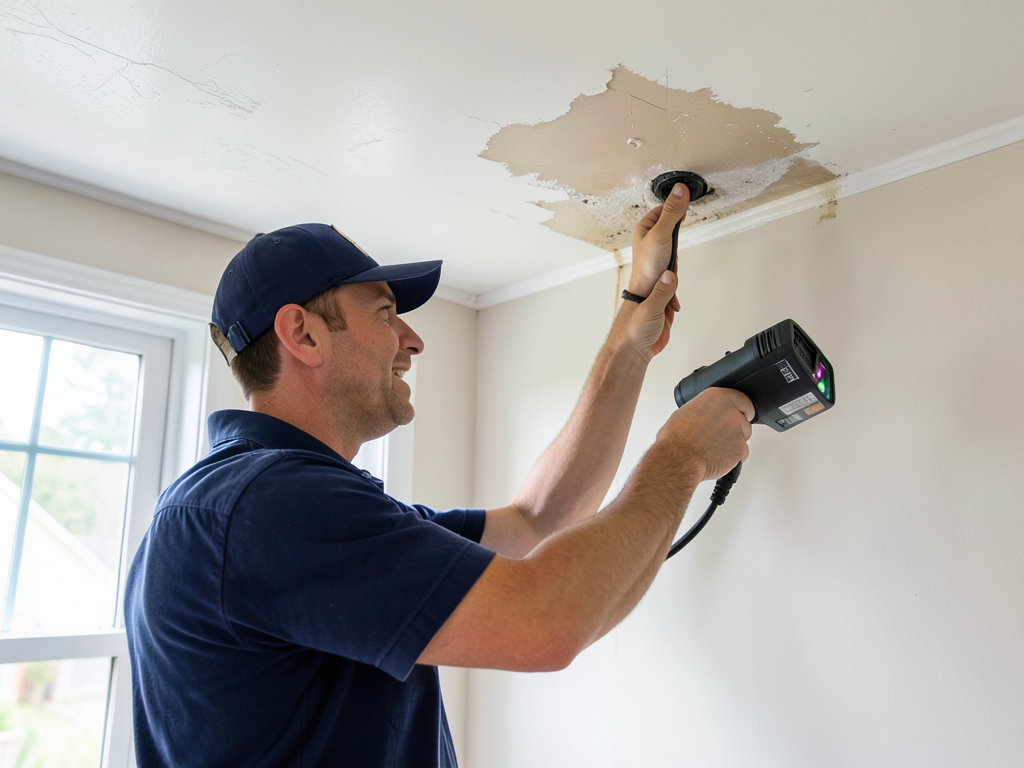
Our technicians arrive with thermal imaging cameras and moisture meters calibrated for wood and drywall. We scan the entire wall cavity, not just the visible damage. Thermal imaging reveals temperature differentials caused by evaporating water. Moisture meters measure saturation levels inside your drywall, studs, and subfloor. We're looking for the wettest point because that's closest to the source.

We remove a section of the damaged baseboard to inspect the wall cavity. This gives us direct access to check for mold growth, measure insulation saturation, and identify whether water is coming from above (plumbing leak), below (foundation seepage), or laterally (exterior infiltration). We use borescope cameras to inspect inside walls without demolishing drywall.

Once we identify the source, we stop it. If it's a leaking drain line, we coordinate with your plumber. If it's foundation seepage, we assess whether you need exterior drainage correction or interior waterproofing. If it's condensation, we address your HVAC system or insulation deficiency.

Then we extract moisture using commercial dehumidifiers and air movers positioned to create negative pressure inside wall cavities. We don't guess when the wall is dry. We measure it. Wood framing must drop below 15% moisture content before we seal it back up. Drywall must hit 12% or lower. We document moisture readings daily until your structure meets safe thresholds. Only then do we replace water damaged baseboards with materials appropriate for the location and future risk level.

What Happens During Your Baseboard Water Damage Assessment and Repair

Swollen Baseboards & Trim in Cincinnati – Expert Diagnosis Stops Hidden Water Damage Before It Spreads
01

Moisture Source Identification

We use thermal imaging and invasive moisture meters to map the extent of water infiltration behind your walls. Our technicians remove damaged baseboard sections to visually inspect wall cavities for mold, insulation damage, and framing saturation. We identify whether water originates from plumbing failures, foundation seepage, or exterior infiltration. This diagnostic phase prevents repeat failures by addressing the root cause before reconstruction begins.
02

Structural Drying and Containment

We establish containment barriers to isolate affected areas and prevent cross-contamination. Commercial dehumidifiers and air movers run continuously to extract moisture from wall cavities, subfloors, and framing. We monitor moisture levels daily with pin-type and non-invasive meters, tracking drying progress across all affected materials. Wood framing must reach below 15% moisture content before we proceed. This phase typically takes three to five days depending on saturation depth and material composition.
03

Trim Replacement and Refinishing

Once structural materials meet dry standards, we replace damaged baseboards with moisture-resistant materials matched to your existing trim profile. We prime all wood surfaces with stain-blocking primer to prevent tannin bleed and seal against future moisture exposure. Joints are caulked, nail holes filled, and surfaces sanded smooth before final paint application. We match your existing paint sheen and color, blending new trim seamlessly with undamaged sections throughout your home.

Why Cincinnati Homeowners Choose Local Water Damage Expertise

National franchise restorers follow corporate protocols designed for generic water damage scenarios. They miss the regional factors that cause moisture problems in Cincinnati homes. Ace Water Damage Restoration Cincinnati operates exclusively in the Greater Cincinnati metro. We've worked in your neighborhood. We know your home's construction type and vulnerabilities.

Homes built in the 1920s through 1950s in neighborhoods like Clifton, Northside, and Westwood have limestone foundations and plaster walls. Water infiltration behaves differently in plaster than in drywall. It wicks horizontally across lath, spreading damage far beyond the visible symptoms. Our technicians know to check three feet beyond any swollen baseboard in older homes because moisture travels along the plaster base coat.

Newer construction in Mason, West Chester, and Liberty Township uses engineered lumber and OSB subfloors. These materials absorb water quickly and lose structural integrity faster than solid wood framing. We adjust our drying protocols and replacement timelines accordingly.

Cincinnati's clay soil expands when saturated and shrinks when dry. This seasonal movement creates hydrostatic pressure against foundation walls, forcing groundwater through cracks and cold joints. We recognize when swollen baseboards indicate a foundation drainage problem rather than a plumbing leak. We can refer you to qualified foundation specialists who understand local soil conditions and can design permanent exterior solutions.

We also understand local building codes and permit requirements. Certain repairs require permits through the Cincinnati Building Department. We know which projects need inspection and how to document repairs for insurance claims. We work directly with adjusters from the carriers most common in this region, speaking their language and providing the documentation they require for claims approval.

Choosing local expertise means faster response, accurate diagnosis, and repairs designed for Cincinnati's climate and construction methods.

What to Expect When You Call About Swollen Baseboards

Response Time and Availability

We dispatch technicians within two hours for emergency water damage scenarios. For non-emergency baseboard assessments, we schedule appointments within 24 hours of your call. Our technicians arrive in marked vehicles with all diagnostic equipment onboard. Initial assessments take 45 to 90 minutes depending on the size of your home and the extent of visible damage. We provide a written scope of work before starting any demolition or drying procedures. You'll know exactly what we found, why it happened, and what we recommend to fix it permanently.

Diagnostic Process and Documentation

Our assessment includes thermal imaging of all suspect walls, invasive moisture readings at multiple depths, and photographic documentation of visible damage. We map moisture levels on floor plans to show the full extent of saturation. If we identify mold growth, we explain whether it requires certified remediation or can be addressed during standard restoration. We provide moisture logs updated daily during the drying phase so you can track progress. This documentation is critical for insurance claims and proves we've returned your home to safe, dry conditions before closing out the project.

Final Results and Material Quality

We match your existing baseboard profile using primed pine, MDF, or PVC trim depending on location and moisture risk. High-risk areas like basements and laundry rooms receive PVC or primed hardboard that resists future water absorption. All trim is primed with stain-blocking primer and finish-painted to match your existing wall color. Joints are caulked with paintable acrylic latex caulk. Nail holes are filled, sanded, and spot-primed. The finished product blends seamlessly with your undamaged trim. You won't be able to identify where repairs occurred once we complete the work.

Follow-Up Monitoring and Prevention

We schedule a follow-up moisture check 30 days after project completion to confirm your walls remain dry. This visit is included in your project cost. If we identified a foundation drainage issue or plumbing deficiency, we provide referrals to qualified contractors and explain what long-term solutions look like. We also offer guidance on humidity control, gutter maintenance, and grading corrections to prevent future moisture intrusion. Our goal is to solve the problem once, not create a repeat customer. If you experience new water damage within six months of our work, we return to reassess at no charge to determine whether it's related to the original issue.

Frequently Asked Questions

You Have Questions,
We Have Answers

How to fix swollen baseboards? +

First, identify and stop the water source causing the swelling. Remove the swollen baseboard carefully to prevent further wall damage. Dry the area completely using fans or dehumidifiers. Cincinnati homes often face basement moisture issues that contribute to baseboard swelling. Inspect the wall framing and subfloor for hidden water damage or mold growth. Replace the damaged baseboard with new material, ensuring you address the underlying moisture problem. If swelling resulted from a burst pipe or flooding, call a water damage restoration professional to assess structural concerns and prevent future problems.

What is the 7 rule for baseboards? +

The 7 rule suggests baseboard height should equal roughly 7 percent of your wall height. For standard 8-foot ceilings common in Cincinnati homes, this translates to baseboards around 5 to 7 inches tall. This proportion creates visual balance and proper scale. Taller ceilings in historic Cincinnati neighborhoods like Over-the-Rhine may accommodate taller baseboards. The rule serves as a guideline, not a strict requirement. Room function, architectural style, and personal preference all factor into the final decision. Modern trends sometimes favor taller baseboards regardless of ceiling height.

Why do baseboards swell? +

Baseboards swell when moisture penetrates the material and causes expansion. Common causes include flooding, plumbing leaks, high humidity, or water wicking up from concrete slabs. Cincinnati's humid summers and freeze-thaw cycles create conditions where condensation forms along exterior walls. Particle board and MDF baseboards absorb water quickly and swell dramatically. Poor ventilation in basements accelerates the problem. Water can migrate through concrete foundations during heavy Ohio River valley rainstorms. Once the material absorbs moisture, the fibers expand and the baseboard warps, buckles, or separates from the wall.

Can you repair swollen particle board? +

You cannot truly repair swollen particle board. Once water saturates particle board, the material loses structural integrity permanently. The fibers break down and the binding agents fail. Even after drying, swollen particle board remains warped, weak, and prone to crumbling. Attempting repairs with wood filler or sanding provides only temporary cosmetic fixes. The material will continue deteriorating. Replacement is the only reliable solution. Remove the damaged section completely, address the moisture source, and install new baseboards using moisture-resistant materials like solid wood or PVC. This prevents recurring problems in Cincinnati's variable climate.

What does water damage on baseboards look like? +

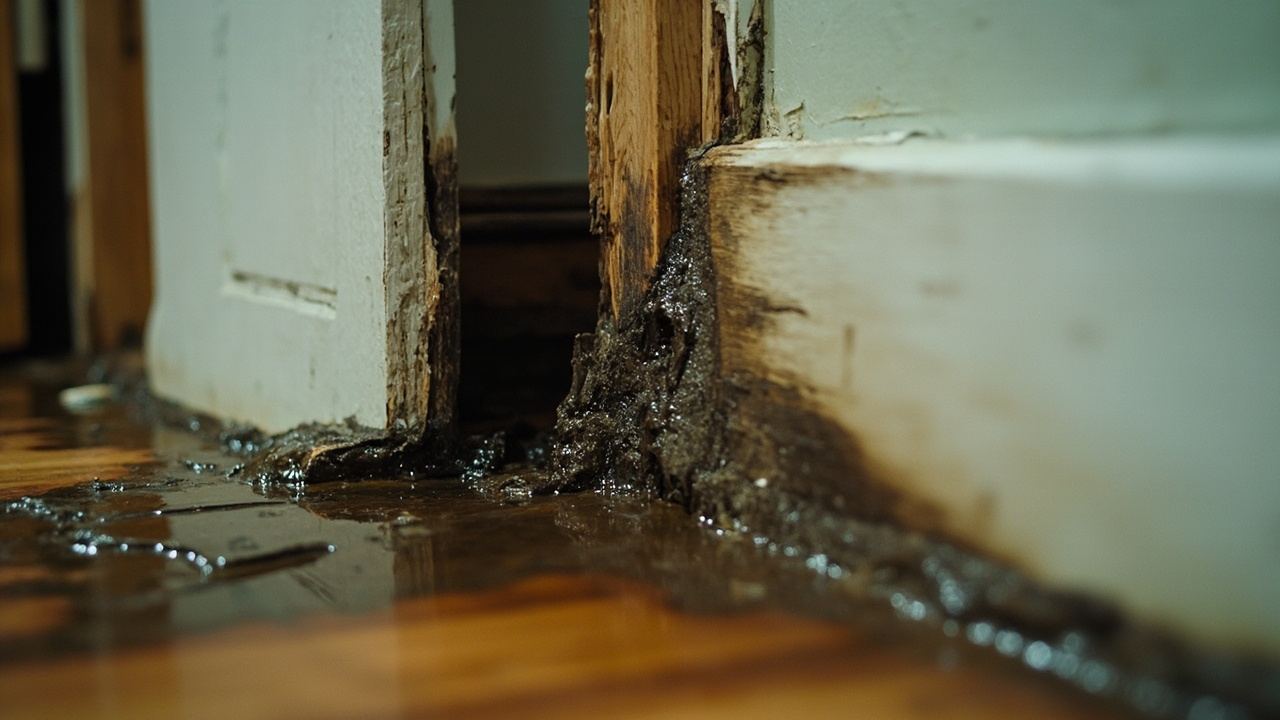
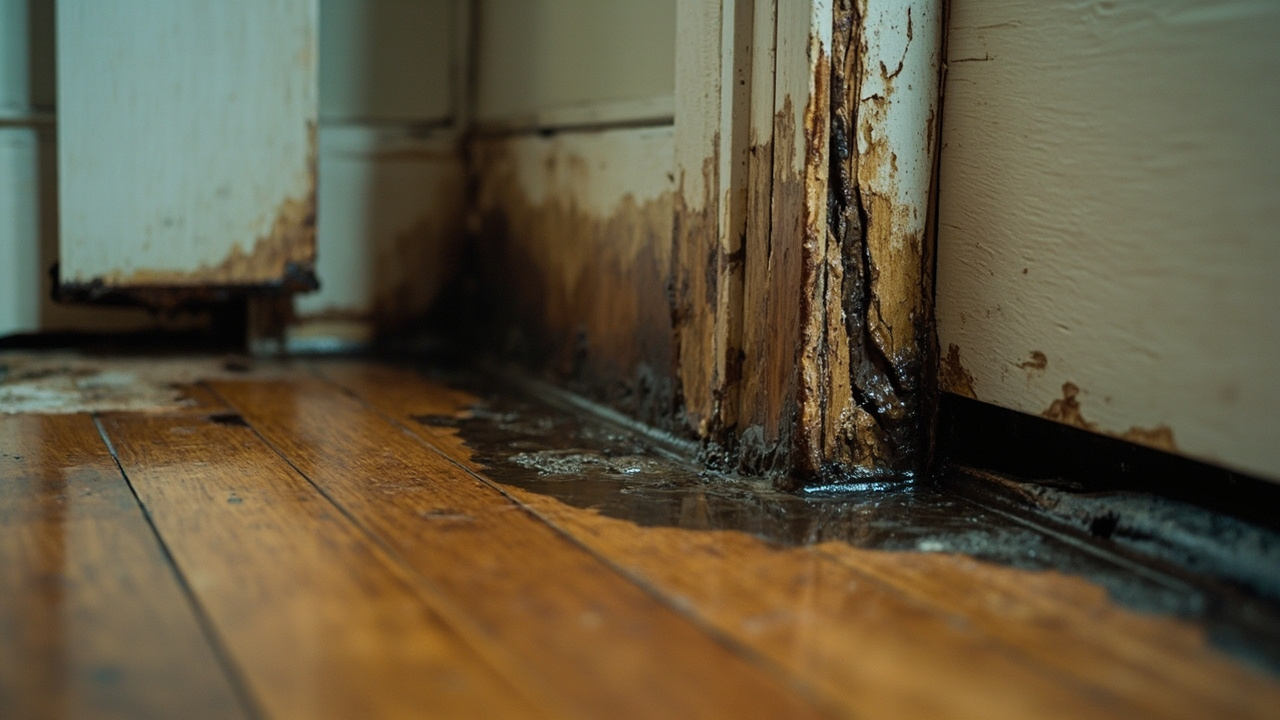
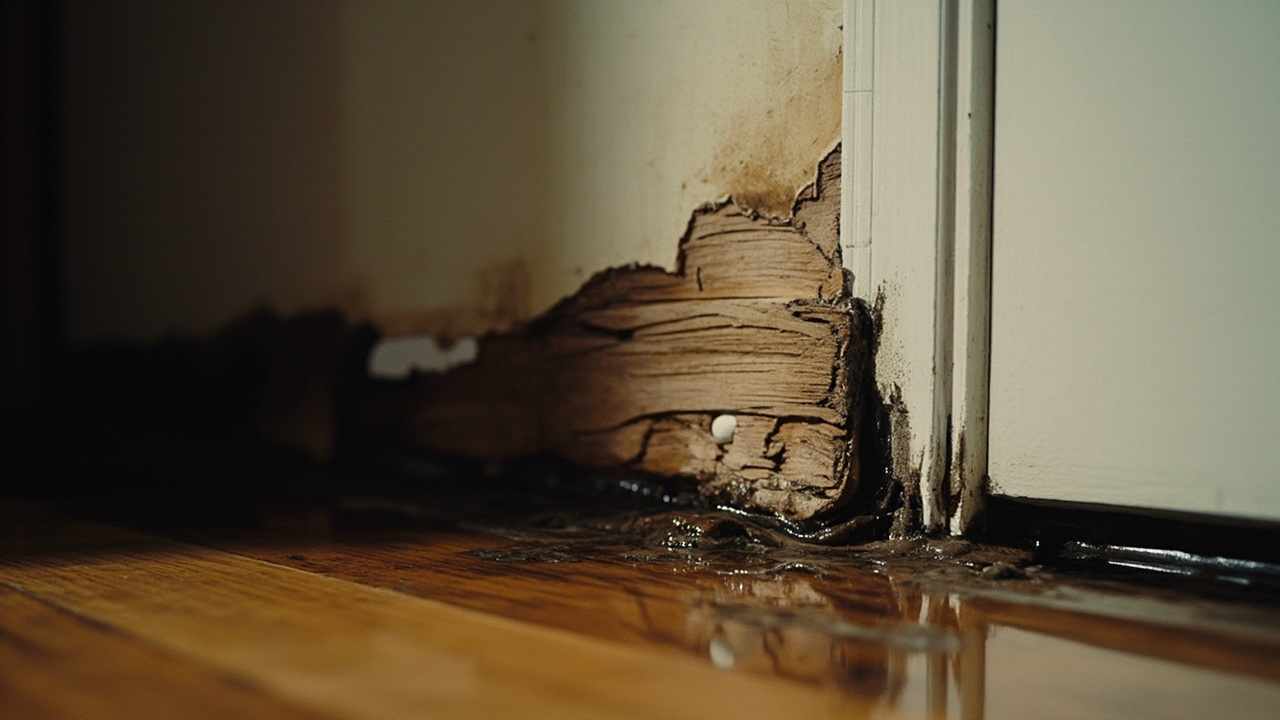
Water damage on baseboards appears as discoloration, warping, peeling paint, or visible swelling. You might notice brown or yellow staining along the bottom edge where water wicked upward. The baseboard may separate from the wall or buckle outward. Paint often bubbles or flakes off. Touch the baseboard to check for soft, spongy spots indicating rot. In Cincinnati homes with basement moisture issues, look for white efflorescence or mold growth behind the trim. The wood may feel damp or emit a musty odor. Severe damage causes the baseboard to crumble when pressed.

What is the average cost to replace baseboards? +

Baseboard replacement costs vary based on material, height, room size, and labor rates. Most Cincinnati homeowners spend between $5 and $15 per linear foot installed. Higher-end hardwood or custom millwork increases costs. Standard MDF or pine baseboards remain affordable. Labor accounts for roughly half the total expense. Additional costs arise if you need water damage repairs, mold remediation, or wall patching before installation. Historic Cincinnati homes requiring custom profiles or specialty matching cost more. Get multiple quotes from local contractors. Addressing water damage properly before replacement prevents costly repeat work.

Should baseboards be flush with the floor? +

Baseboards should sit flush against the wall but not necessarily flush with the floor. A small gap between baseboard and flooring allows for expansion, contraction, and cleaning. Quarter-round or shoe molding covers this gap while permitting floor movement. Cincinnati's seasonal humidity changes cause hardwood floors to expand and contract. If the baseboard sits too tight against flooring, you risk buckling or damage during expansion. The back of the baseboard should contact the wall fully. Gaps between baseboard and wall indicate improper installation or wall irregularities requiring correction before trim installation.

What are common trim installation mistakes? +

Common trim installation mistakes include cutting incorrect angles, leaving visible gaps, using too few fasteners, and failing to fill nail holes properly. Many installers skip caulking between baseboard and wall, creating an unfinished look. Not accounting for floor expansion causes buckling in Cincinnati's humid climate. Using inappropriate fastener lengths damages trim or fails to secure it. Ignoring wall irregularities creates gaps. Installing trim before addressing water damage leads to premature failure. Painters often install baseboards before painting walls, resulting in paint lines. Measure twice and cut once to avoid wasting material.

What is the current trend for baseboards? +

Current trends favor taller baseboards ranging from 5 to 8 inches, regardless of ceiling height. Flat or minimally detailed profiles align with modern and transitional design preferences. White or off-white painted finishes remain popular across Cincinnati neighborhoods. Some homeowners choose stained hardwood baseboards to match flooring. Square-edge profiles without ornate details create clean lines. In historic districts like Mt. Adams, period-appropriate detailed trim maintains architectural authenticity. Waterproof PVC baseboards gain traction in basements and moisture-prone areas. Dark-painted baseboards provide contrast in contemporary spaces. The trend emphasizes simplicity and clean proportions.

Will a swollen wood floor go back to normal? +

Swollen wood floors rarely return to normal once water damage occurs. Solid hardwood may flatten slightly after drying, but cupping, crowning, and gaps often remain permanent. Engineered wood and laminate flooring suffer irreversible damage from swelling. The adhesives and core materials break down when saturated. Cincinnati's humidity fluctuations compound the problem. Quick water extraction within 24 hours improves outcomes. Professional drying equipment and monitoring moisture levels help minimize permanent damage. Severely swollen floors require replacement. Address the water source immediately and document damage for insurance claims. Prevention through proper drainage and humidity control protects your investment.

How Cincinnati's Humid Summers and Clay Soil Drive Baseboard Water Damage

Cincinnati averages 42 inches of annual rainfall with concentrated downpours during spring and summer months. Our clay soil doesn't drain. It holds water, expanding against foundation walls and creating hydrostatic pressure that forces groundwater through foundation cracks and cold joints. Homes built on hillsides in Hyde Park, Mount Adams, and Price Hill experience runoff from upslope properties during heavy rain events. That water saturates soil around your foundation, seeking any available entry point. Baseboard swelling is often the first visible sign that water is infiltrating your foundation and wicking up into wall cavities.

Ace Water Damage Restoration Cincinnati has worked on homes throughout Hamilton County for years. We understand how older homes in historic neighborhoods were built and where their vulnerabilities lie. We know which subdivisions in West Chester and Mason have chronic drainage problems due to grading errors during development. We've documented moisture patterns in hundreds of local homes and can predict where hidden damage exists based on the location of visible symptoms. This local pattern recognition allows us to diagnose problems faster and more accurately than national chains following generic protocols.

Water Damage Restoration Services in The Cincinnati Area

We are proud to serve the entire Cincinnati area, providing expert water damage restoration services wherever and whenever they are needed. We understand the unique challenges our local community faces and are committed to being there for our neighbors. View our service area on the map to see how we can assist you, or simply give us a call for immediate dispatch to your location.

Address:
Ace Water Damage Restoration Cincinnati, 1507 Dana Ave, Cincinnati, OH, 45207

Additional Services We Offer

Our news updates

Latest Articles & News from The Blogs

Finding the Source of a Slab Leak in Your Mack Home Slab leaks in Mack OH homes are more than…

Finding the Source of a Slab Leak in Your Mack Home

Finding the Source of a Slab Leak in Your Mack Home Slab leaks in Mack OH homes are more than…

What to Do When Your Water Heater Bursts in Madisonville

Emergency Water Heater Burst Cleanup in Madisonville, Cincinnati \n\n A water heater burst in Madisonville creates immediate flooding that can…

Salvaging Important Paper Documents and Photos After an Amberley Village Flood

Salvaging Important Paper Documents and Photos After an Amberley Village Flood When floodwaters rush through Amberley Village basements, the damage…

Contact Us

Swollen baseboards mean active water infiltration happening right now. Call Ace Water Damage Restoration Cincinnati at (513) 717-2522 for a thorough assessment within 24 hours. We'll find the source, dry your walls, and prevent mold growth before structural damage multiplies your repair costs.