




Menu

Peeling Paint & Wallpaper in Cincinnati – Expert Diagnosis and Water Damage Repair

When bubbling paint and lifting wallpaper appear in your Cincinnati home, you need specialists who identify the moisture source first and fix both the symptom and the cause.

Slider Image 1
Slider Image 2
Slider Image 3
Slider Image 4
Slider Image 5
Slider Image 7
Slider Image 8
Slider Image 9
Slider Image 10
Slider Image 11

Why Your Paint and Wallpaper Are Failing in Cincinnati Homes

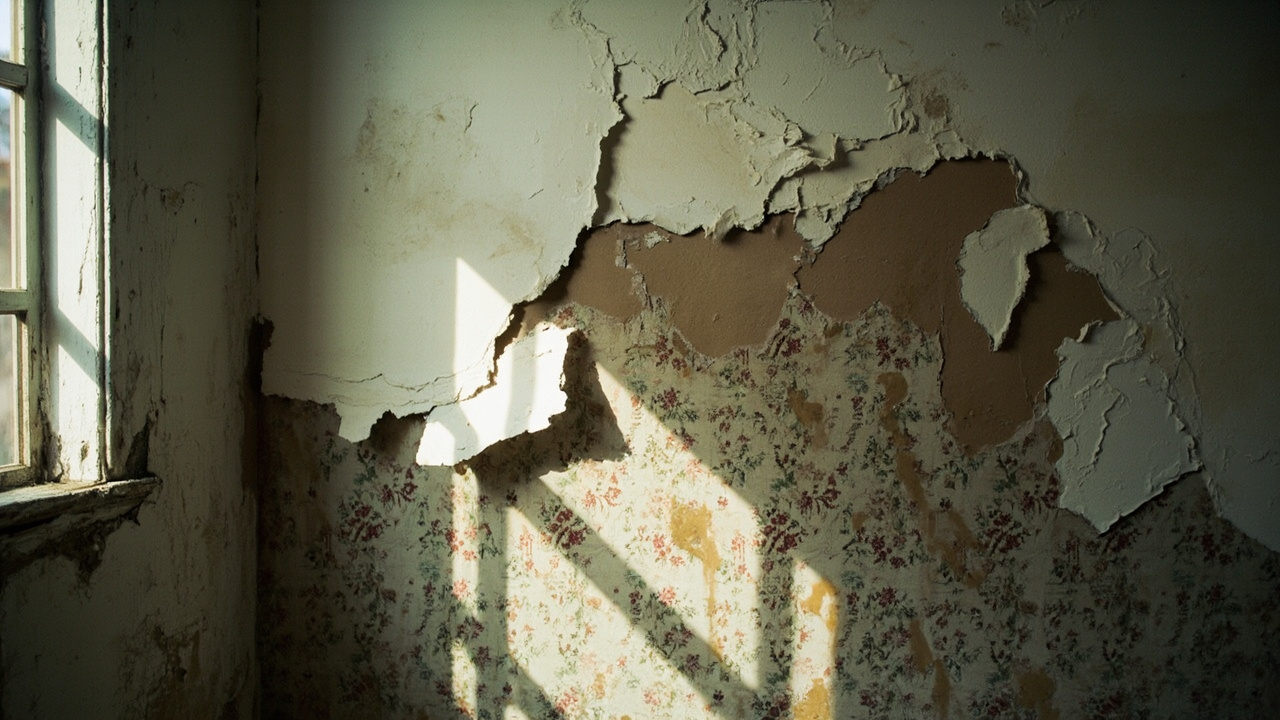
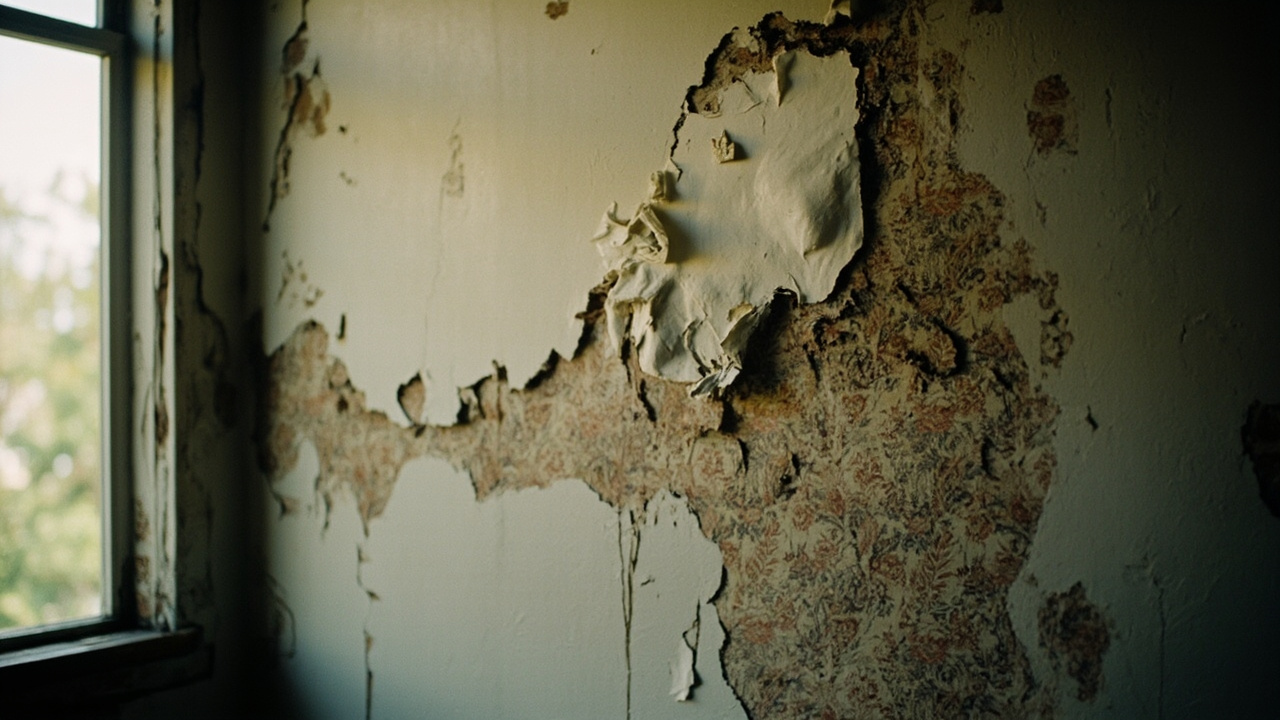
You walk past that same wall every day. The paint bubbles are getting worse. The wallpaper is pulling away at the seams. You touch the surface and it feels damp.

This is not a painting problem. This is a water problem.

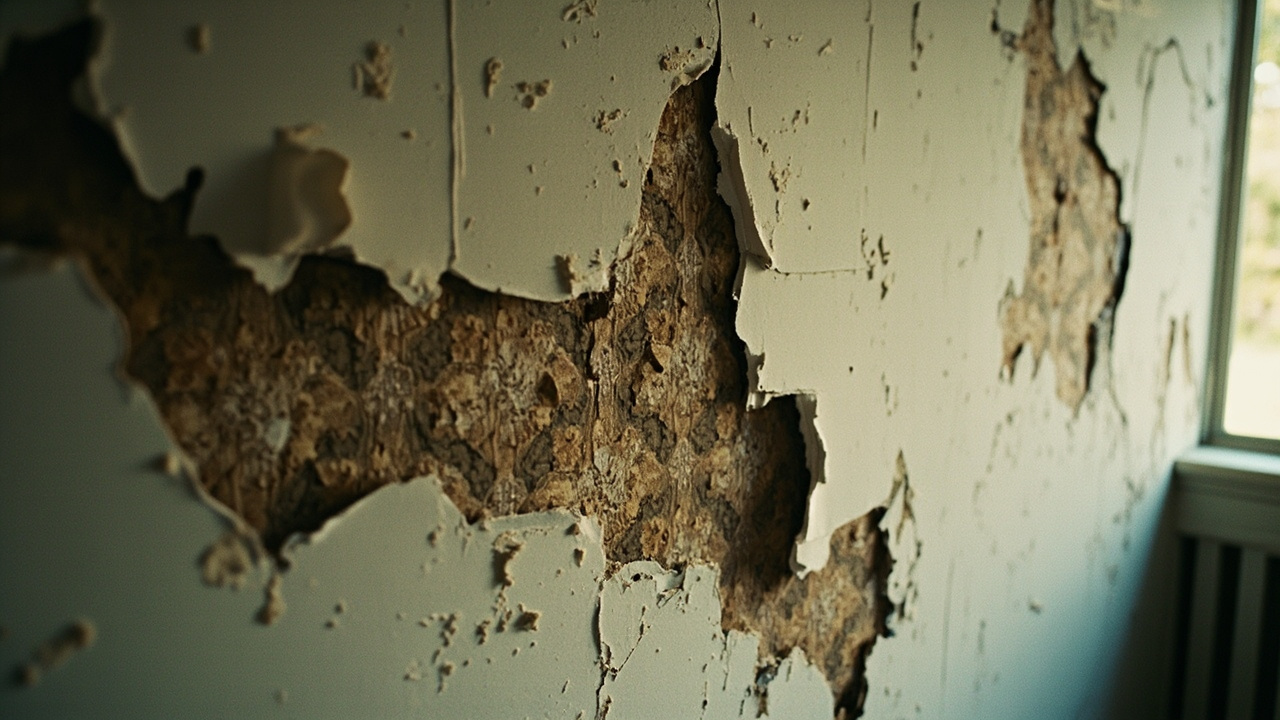
Cincinnati's humidity swings are brutal on interior finishes. Summer months push indoor moisture levels high enough to condense behind paint films. Winter freeze-thaw cycles drive groundwater against foundation walls in older neighborhoods like Mount Adams and Hyde Park. When exterior water penetrates brick facades common to pre-1950 construction, it migrates through plaster and drywall. The result? Blistering wall paint, flaking paint, and loose wallpaper that tells you moisture is trapped inside your walls.

The Ohio River Valley traps humid air against the city. Homes in low-lying areas near the Mill Creek or Little Miami River face elevated groundwater tables. Basement seepage wicks upward through masonry. Poor exterior grading sends rainwater directly against your foundation. Leaking gutters saturate the soil next to your walls. Each of these conditions creates the same symptom: lifting wallpaper and bubbling paint that progressively worsens.

You cannot paint over this problem. You cannot re-glue the wallpaper. The moisture source must be identified and eliminated, or the damage will return within weeks.

Why Your Paint and Wallpaper Are Failing in Cincinnati Homes
How We Diagnose and Repair Hidden Moisture Intrusion

How We Diagnose and Repair Hidden Moisture Intrusion

Ace Water Damage Restoration Cincinnati does not start with a paint scraper. We start with moisture detection equipment.

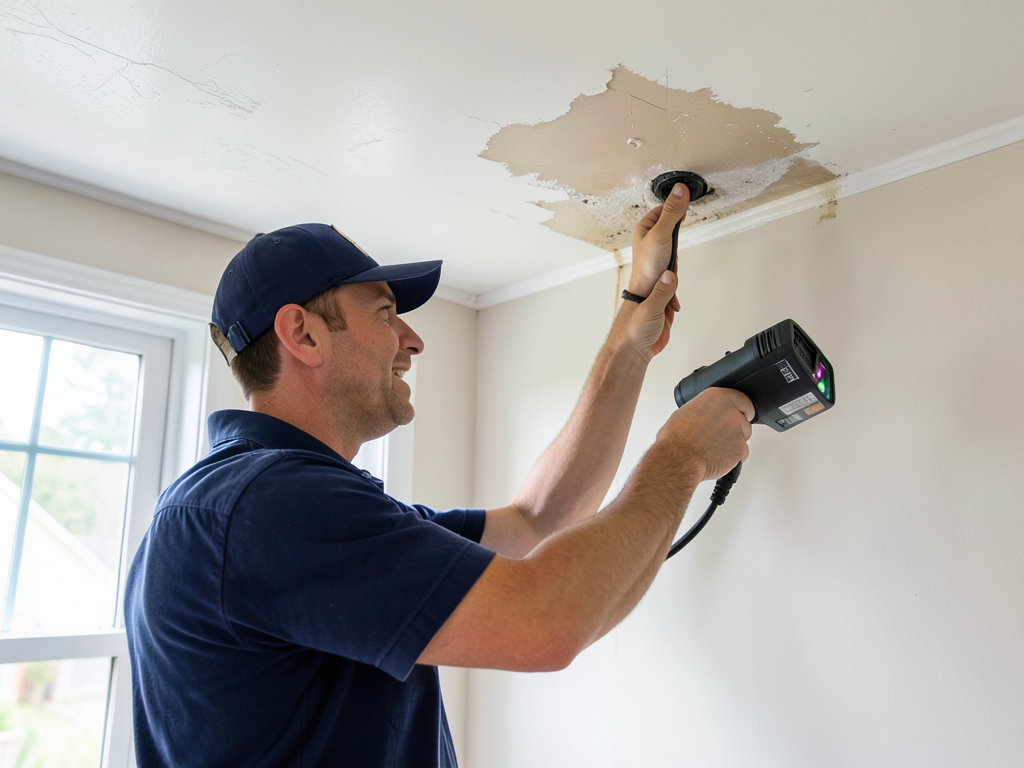
We use pin-type and pinless moisture meters to measure water content inside your drywall, plaster, and framing. We map the affected area to determine whether the source is a roof leak, plumbing failure, exterior infiltration, or high interior humidity. We use thermal imaging cameras to identify temperature differentials that indicate evaporation or active water movement behind finishes.

Once we locate the source, we address it. If a leaking supply line is saturating the wall cavity, we coordinate with a licensed plumber. If exterior water is penetrating through failed mortar joints or missing weep holes, we identify the breach point. If condensation from an unvented bathroom is the culprit, we assess ventilation deficiencies.

After the water source is controlled, we remove damaged materials. Blistering wall paint and flaking paint are stripped back to stable substrate. Loose wallpaper is removed entirely. We assess the underlying drywall or plaster for structural integrity. If the gypsum core is compromised or mold growth is present, we perform selective demolition and replacement.

We then dry the wall cavity using commercial-grade air movers and dehumidifiers. We monitor moisture levels daily until readings return to normal range. Only after complete dryness do we prep and prime surfaces for new finishes. This process prevents recurrence and ensures your investment in new paint or wallpaper is not wasted.

What Happens When You Call Us About Damaged Wall Finishes

Peeling Paint & Wallpaper in Cincinnati – Expert Diagnosis and Water Damage Repair
01

Moisture Source Investigation

We arrive with calibrated meters and thermal imaging cameras. We scan every affected wall to measure moisture depth and distribution. We inspect exterior drainage, roofing, plumbing, and HVAC components. We identify the exact entry point or generation source of the water before touching a single square inch of damaged paint or wallpaper. This diagnostic phase determines the entire scope of repair.
02

Controlled Material Removal

Once the source is controlled, we remove all compromised finishes and substrates. We contain the work area with plastic sheeting to prevent dust migration. We use HEPA vacuums during demolition to control particulates. If mold is visible, we follow IICRC S520 remediation protocols. We expose wall cavities to verify framing condition and ensure no hidden damage remains. This step prevents future callbacks.
03

Drying and Surface Restoration

We install drying equipment and run it until moisture readings normalize. We document daily progress with meter readings. Once dry, we repair or replace drywall, apply appropriate primer, and prepare surfaces for your painter or wallpaper installer. We provide a moisture-free, mold-free substrate ready for finishing. You get a detailed report of all readings and repairs performed.

Why Cincinnati Homeowners Choose Local Water Damage Specialists

A painter will tell you the wall needs another coat. A wallpaper hanger will tell you the adhesive failed. Neither will tell you about the leak.

Ace Water Damage Restoration Cincinnati works exclusively on moisture-related damage. We understand how Cincinnati's building stock behaves. We know that homes in Northside and Clifton have cast iron drain lines prone to pinhole leaks. We know that East Walnut Hills and Oakley properties built in the 1920s often have inadequate vapor barriers. We know that newer construction in Montgomery and Blue Ash can suffer from improperly flashed windows during our heavy spring rains.

We work directly with insurance adjusters and provide documentation formatted for claims submission. We know what carriers expect in terms of moisture readings, photos, and scope justification. We help you navigate the claims process instead of leaving you to figure it out alone.

We do not subcontract the work. Our technicians are IICRC-certified in water damage restoration and applied structural drying. We own our equipment. We control quality at every phase. When we tell you a wall is dry, we show you the meter reading to prove it.

We also understand local building practices. Many Cincinnati homes have plaster-over-lath walls that require different handling than drywall. We know how to preserve historic finishes when possible and match existing textures when replacement is necessary. We respect your home's character while solving the technical problem.

You need someone who treats the disease, not just the symptoms. That requires water damage expertise specific to this region's construction and climate.

What to Expect When You Work With Us

Response and Assessment Speed

We respond to calls within two hours during business hours. For active leaks causing ongoing damage, we arrive faster. Initial assessments take 45 to 90 minutes depending on the size of the affected area. You receive a written moisture map and source diagnosis before we leave. If emergency water extraction is needed, we begin immediately. If the situation is stable, you receive a detailed scope and timeline within 24 hours. We do not waste your time with vague estimates or multiple return visits to figure out the problem.

Comprehensive Moisture Detection

Our assessment includes pin-type meter readings at multiple depths, thermal imaging to detect temperature anomalies, and visual inspection of all potential water entry points. We check adjacent rooms and floors to determine the full extent of saturation. We document every reading with photos and notations. You receive a floor plan marked with moisture zones and severity levels. This level of detail supports insurance claims and ensures nothing is missed. We do not guess. We measure.

Complete Drying and Verification

Drying typically takes three to five days depending on material type and saturation depth. We place air movers and dehumidifiers strategically based on psychrometric calculations. We monitor equipment daily and adjust placement as needed. We take daily moisture readings and record them on a drying log. You receive a certificate of completion with final readings proving the structure is dry. Surfaces are left clean, dust-free, and ready for finish work. No surprises. No shortcuts.

Post-Repair Follow-Up

We provide a final walkthrough to ensure you understand what was done and why. We explain maintenance steps to prevent recurrence, such as gutter cleaning schedules or grading improvements. We offer to return for a complimentary moisture check 30 days after completion to verify the repair is holding. If any issues arise related to our work, we address them immediately. You also receive referrals for trusted local painters and wallpaper installers if you need finishing work completed.

Frequently Asked Questions

You Have Questions,
We Have Answers

Why is my paint peeling off the wall like wallpaper? +

Paint peels like wallpaper when moisture gets trapped behind the surface. In Cincinnati, high humidity and poor ventilation in older homes create perfect conditions for this. Water infiltrates through the wall, breaks the bond between paint and substrate, and causes sheets to lift off. Poor surface prep, painting over dirty or glossy surfaces, or using low-quality paint also causes this. Check for leaks, roof damage, or basement moisture. The Ohio River Valley climate makes moisture control critical. Address the water source first, or new paint will fail the same way.

What to do if paint is peeling off the wall? +

Stop and find the cause before repainting. Check for water leaks, roof damage, or foundation moisture common in Cincinnati homes with older plumbing. Scrape off all loose paint with a putty knife. Sand edges smooth so transitions disappear. Wash walls with TSP to remove dirt and oils. Let dry completely. Prime bare spots with a quality bonding primer. If moisture is the issue, fix it first or you waste time and money. Consider hiring a water damage specialist if peeling is widespread, especially in basements where humidity is high.

Is it cheaper to paint or peel and stick wallpaper? +

Paint costs less upfront but requires proper prep. Quality interior paint runs less per square foot than peel-and-stick wallpaper. However, if your walls need extensive repair due to moisture damage or poor prep, costs climb. Peel-and-stick goes up faster but shows every wall flaw. In Cincinnati's older housing stock, many walls need patching first. Paint hides minor imperfections better and lasts longer when applied correctly. Factor in your skill level and wall condition. Bad prep makes both options fail quickly, wasting money either way.

Can I paint over paint that is peeling? +

No. Painting over peeling paint guarantees failure. The new layer adds weight to an already weak bond, accelerating the peeling. You must scrape off all loose material first. Sand edges smooth, prime bare spots, then paint. Skipping this wastes time and money. Cincinnati's humidity makes this worse. Moisture will continue lifting paint in sheets. If peeling is widespread, the underlying issue is usually water intrusion or poor surface prep from previous jobs. Fix the root cause or repeat this cycle endlessly.

Will Kilz stop peeling paint? +

Kilz primer will not stop active peeling. It bonds to stable surfaces but cannot reattach loose paint. You must scrape off all failing material first. Kilz works well for sealing stains and blocking odors, and it provides a solid base for new paint on properly prepped surfaces. If moisture causes your peeling, Kilz alone will not solve it. Address water leaks, basement seepage, or condensation issues common in Cincinnati homes first. Then scrape, prime with Kilz, and repaint. Primer is not a magic fix for bad prep or ongoing moisture problems.

Should I scrape off all the peeling paint? +

Yes. Remove all loose and bubbling paint before repainting. Use a putty knife or scraper to peel off anything that lifts easily. Feather edges with sandpaper so transitions blend smooth. Leaving loose paint guarantees your new coat will fail. In Cincinnati, moisture often spreads damage beyond visible peeling, so scrape generously. Check surrounding areas. If large sections come off easily, you have a bigger problem requiring professional diagnosis. Scraping reveals the true extent of damage and prepares surfaces for proper adhesion. Skip this step and waste your effort.

What is the difference between flaking and peeling paint? +

Flaking means small chips or fragments break off, usually from surface-level problems like poor-quality paint or minor moisture exposure. Peeling means larger sections lift away in sheets, indicating a deeper bond failure between paint and substrate. Moisture intrusion, improper surface prep, or painting over incompatible coatings cause peeling. Cincinnati's freeze-thaw cycles and humidity accelerate both. Flaking may need simple touch-ups. Peeling requires scraping down to a stable surface, addressing moisture sources, and complete repainting. Peeling signals a more serious underlying issue you cannot ignore.

What do you put on walls to stop paint peeling? +

Apply a quality bonding primer after proper surface prep. The primer creates a strong foundation for topcoat adhesion. First, scrape off all loose paint and sand smooth. Clean walls with TSP to remove contaminants. Let dry completely. Use a primer designed for problem surfaces if dealing with glossy old paint or moisture stains. In Cincinnati, address humidity and water infiltration issues first. Add ventilation in bathrooms and basements. Fix leaks immediately. No product stops peeling if moisture continues attacking the substrate. Proper prep and moisture control prevent future failure.

Can you put primer over peeling paint? +

No. Primer cannot bond to unstable, peeling paint. It will lift off with the failing layer underneath. Scrape all loose material first. Sand edges smooth. Prime only bare spots or stable painted surfaces. Primer works by penetrating and gripping the substrate. It cannot repair a broken bond. Cincinnati's older homes often have multiple paint layers hiding moisture damage. Putting primer over peeling paint wastes money and guarantees quick failure. Do the prep work right. Remove compromised material, address moisture issues, then prime and paint properly.

What is the cost of painting a 1000 sq ft house? +

Costs vary widely based on wall condition, ceiling height, and prep needs. A 1000 square foot house requires more than basic paint and labor. Factor in scraping, patching, priming, and multiple coats. Cincinnati's older homes often need extra prep due to plaster damage or moisture issues. Poor prep leads to quick failure and repeated costs. Expect more if walls show peeling, water stains, or extensive damage. Get multiple quotes from local contractors who inspect your specific situation. DIY saves money but requires proper technique and time. Quality prep matters more than paint brand.

How Cincinnati's Humid Summers and Old Housing Stock Accelerate Paint and Wallpaper Failure

Cincinnati sits in a humid continental climate zone with summer dew points regularly exceeding 65 degrees. This creates persistent condensation risk on exterior walls with poor insulation, common in pre-war construction throughout Mount Auburn, Over-the-Rhine, and Westwood. When warm, moist outdoor air contacts cool interior wall surfaces, water vapor condenses behind paint films and wallpaper. The result is bubbling paint and lifting wallpaper that worsens each summer. Older homes with minimal wall insulation and single-pane windows are especially vulnerable.

Many Cincinnati neighborhoods feature brick-clad masonry construction built before modern waterproofing standards. Mortar joints deteriorate over decades, allowing water penetration during heavy rains. The city's clay-heavy soil retains water against foundations, increasing hydrostatic pressure. Local building codes have evolved, but older homes were not built to current moisture management standards. Ace Water Damage Restoration Cincinnati understands these regional construction characteristics and tailors moisture investigation and drying protocols to the specific building type and era common in your neighborhood.
Water Damage Restoration Services in The Cincinnati Area

We are proud to serve the entire Cincinnati area, providing expert water damage restoration services wherever and whenever they are needed. We understand the unique challenges our local community faces and are committed to being there for our neighbors. View our service area on the map to see how we can assist you, or simply give us a call for immediate dispatch to your location.

Address:
Ace Water Damage Restoration Cincinnati, 1507 Dana Ave, Cincinnati, OH, 45207

Additional Services We Offer

Our news updates

Latest Articles & News from The Blogs

Finding the Source of a Slab Leak in Your Mack Home Slab leaks in Mack OH homes are more than…

Finding the Source of a Slab Leak in Your Mack Home

Finding the Source of a Slab Leak in Your Mack Home Slab leaks in Mack OH homes are more than…

What to Do When Your Water Heater Bursts in Madisonville

Emergency Water Heater Burst Cleanup in Madisonville, Cincinnati \n\n A water heater burst in Madisonville creates immediate flooding that can…

Salvaging Important Paper Documents and Photos After an Amberley Village Flood

Salvaging Important Paper Documents and Photos After an Amberley Village Flood When floodwaters rush through Amberley Village basements, the damage…

Contact Us

Peeling paint and loose wallpaper are early warnings. The longer moisture stays in your walls, the more damage it causes. Call Ace Water Damage Restoration Cincinnati at (513) 717-2522 now for same-day assessment and source diagnosis.