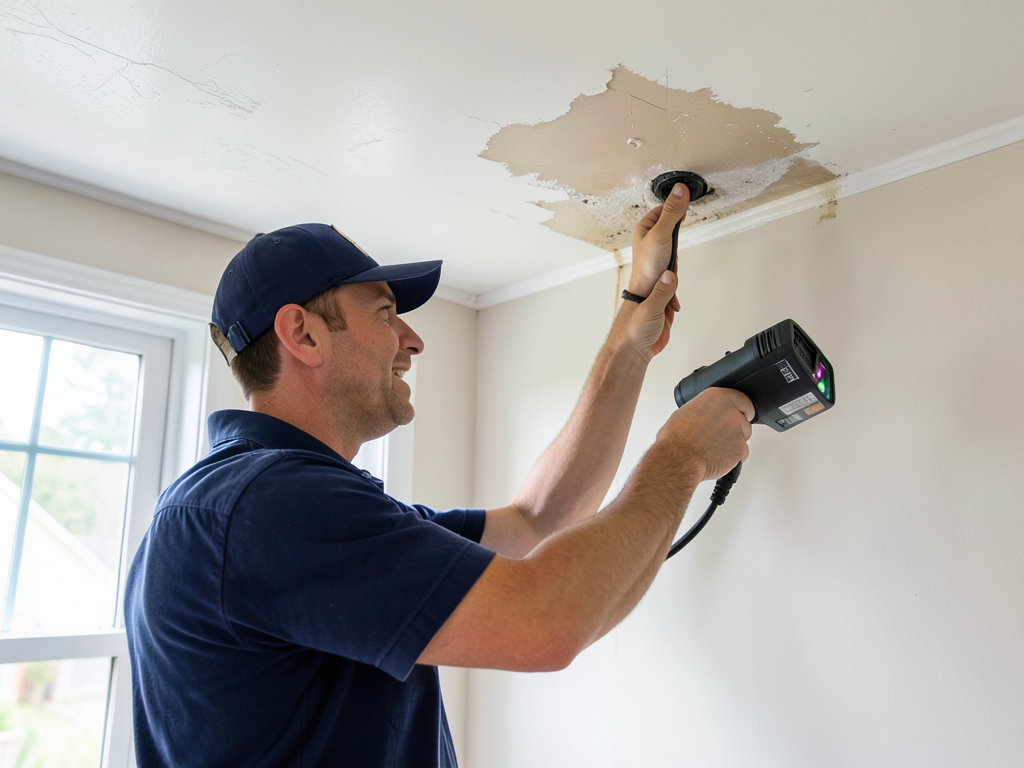







The Ohio River Valley creates a natural humidity trap. Summer dew points regularly hit 65 to 70 degrees, which means indoor relative humidity climbs above 60 percent without dehumidification. That exceeds the threshold where mold colonizes drywall and wood. Cincinnati's building stock makes it worse. Thousands of homes built between 1900 and 1960 lack vapor barriers in exterior walls. They rely on natural ventilation through leaky windows and doors. When homeowners upgrade to modern windows and seal air leaks for energy efficiency, they trap moisture inside wall cavities with no escape route. That moisture feeds black mold spots on drywall and creates widespread fungal growth on wall surfaces within months.
Cincinnati homeowners need local expertise because mold remediation requirements vary by project scope. Hamilton County requires permits for work involving structural alterations or projects exceeding certain square footage thresholds. Some contractors ignore these rules. That creates liability for you as the property owner. Ace Water Damage Restoration Cincinnati works with local building inspectors regularly. We know what triggers permit requirements and how to document remediation work properly. We also understand how Cincinnati's clay soil affects foundation walls. Soil expansion and contraction creates cracks that let groundwater seep into basements, feeding mold growth on interior walls. We address both the symptom and the source.