




Menu

Fire Sprinkler Water Cleanup in Cincinnati – 24/7 Emergency Response Within 60 Minutes

When your fire suppression system discharges unexpectedly, we stop the damage fast with emergency sprinkler water removal, professional water extraction, and complete drying to protect your property and prevent mold growth.

Slider Image 1
Slider Image 2
Slider Image 3
Slider Image 4
Slider Image 5
Slider Image 7
Slider Image 8
Slider Image 9
Slider Image 10
Slider Image 11

Accidental Sprinkler Discharge Can Destroy Your Property in Minutes

You walk into your building and water is raining from the ceiling. A contractor hit a sprinkler head. Someone left a heat source too close. The system malfunctioned. Whatever the cause, fire suppression system water extraction needs to happen right now.

Fire sprinkler systems discharge between 15 and 50 gallons per minute. In a typical commercial space, that means thousands of gallons flooding your floors, walls, and equipment before you can shut it down. In Cincinnati's older buildings, especially in Over-the-Rhine and Downtown, sprinkler pipes run through uninsulated spaces where freezing temperatures or corrosion can trigger spontaneous discharge during winter months.

The water is under pressure. It penetrates deeper and faster than a typical leak. It soaks into drywall cavities, insulation, subfloors, and ceiling tiles within minutes. If you have drop ceilings, the weight of saturated tiles can cause collapse. If you have hardwood floors, cupping starts in hours. Electronics and inventory are at immediate risk.

Cincinnati's humidity makes secondary damage worse. Once sprinkler water saturates your building materials, mold spores activate within 24 to 48 hours. The longer water sits, the more you lose. Burst fire sprinkler flood remediation is not a tomorrow problem. It is a right-now problem. Every minute you wait adds to the damage and the cost.

Accidental sprinkler discharge cleanup requires industrial extraction equipment, rapid structural drying, and moisture monitoring. You need a team that understands building systems and can work around your operations.

Accidental Sprinkler Discharge Can Destroy Your Property in Minutes
How We Stop Fire Sprinkler Water Damage in Its Tracks

How We Stop Fire Sprinkler Water Damage in Its Tracks

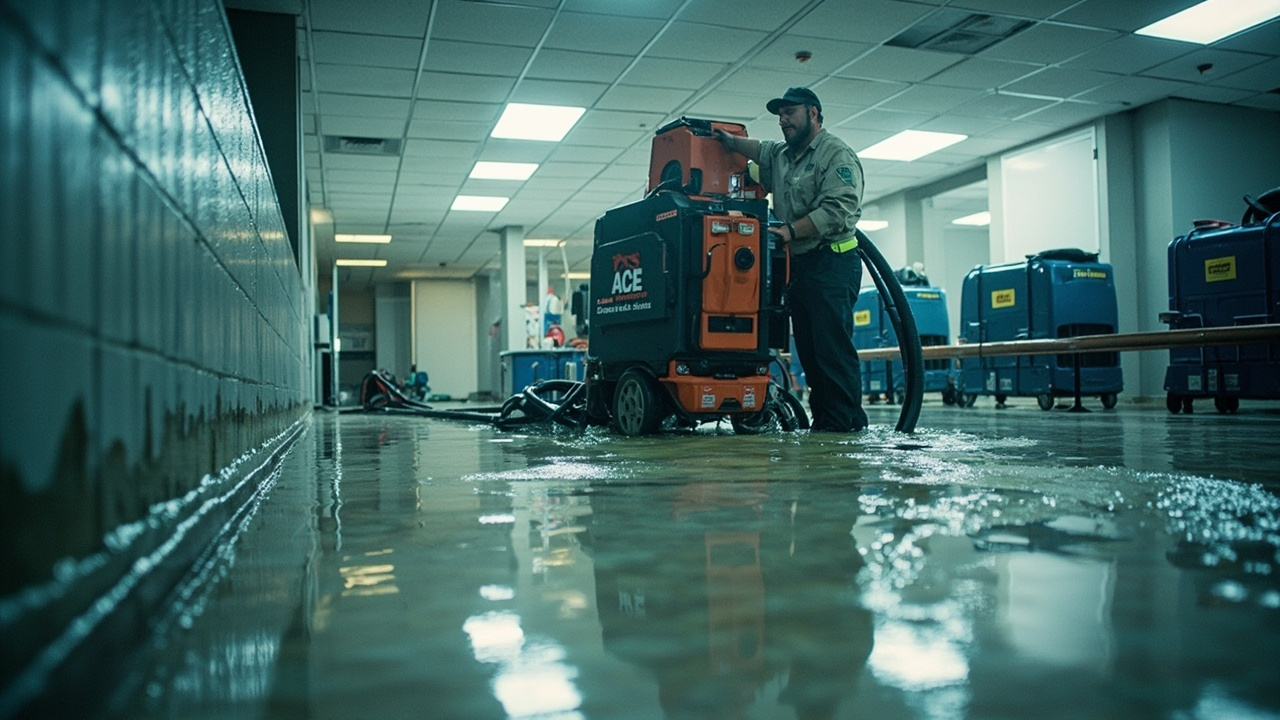
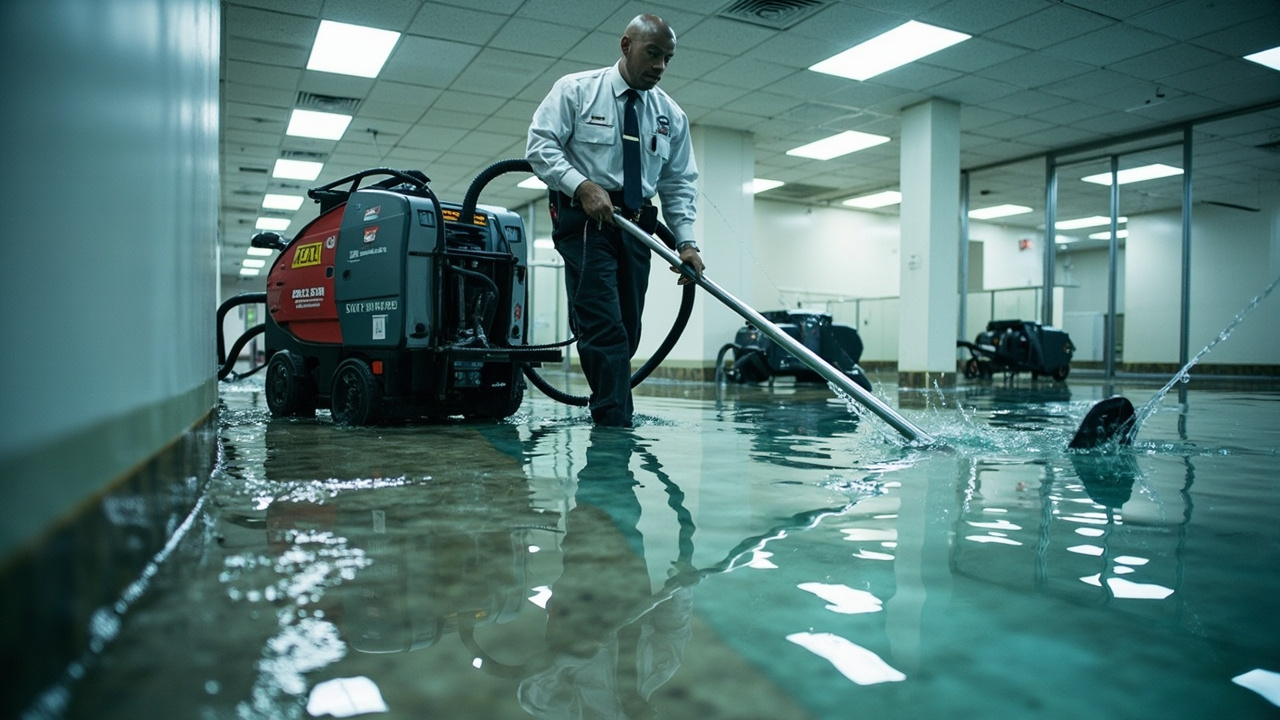
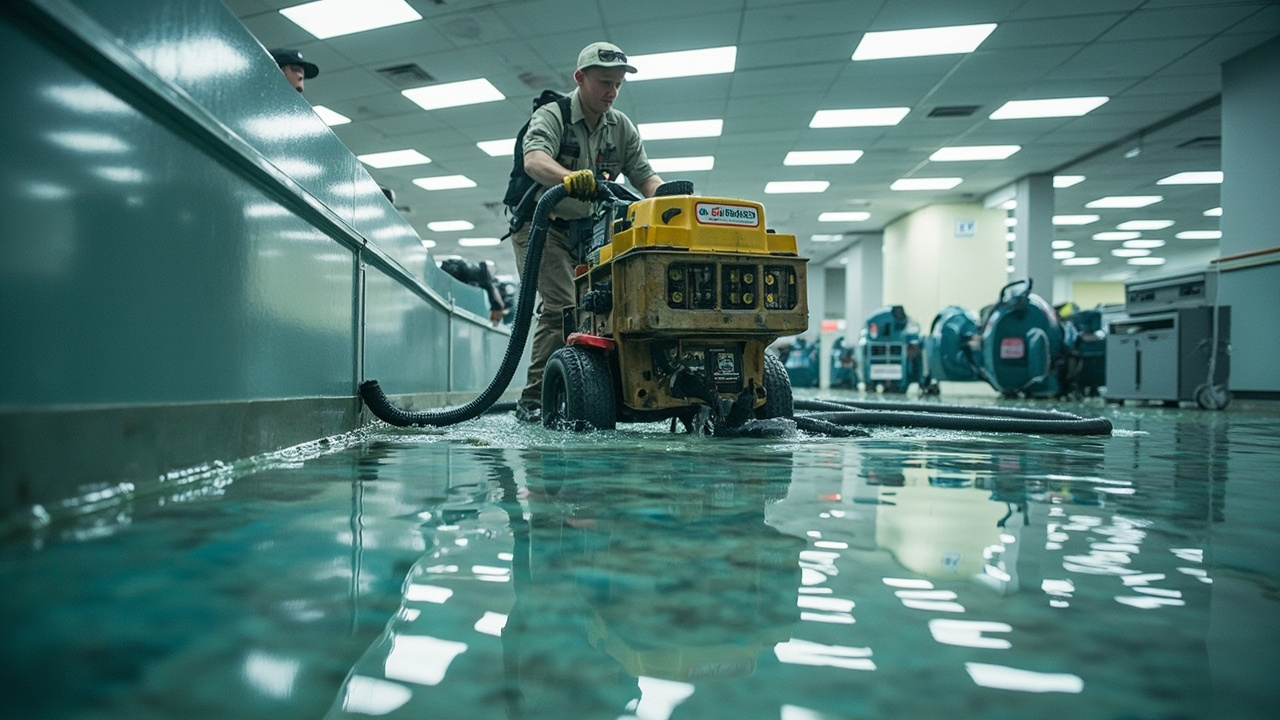
We do not wait for the water to stop spreading. Our emergency sprinkler water removal process starts the moment we arrive on site. We deploy truck-mounted extraction units that pull thousands of gallons per hour from carpets, concrete slabs, and subflooring. For hard surfaces, we use weighted extraction tools that force water out of grout lines and seams.

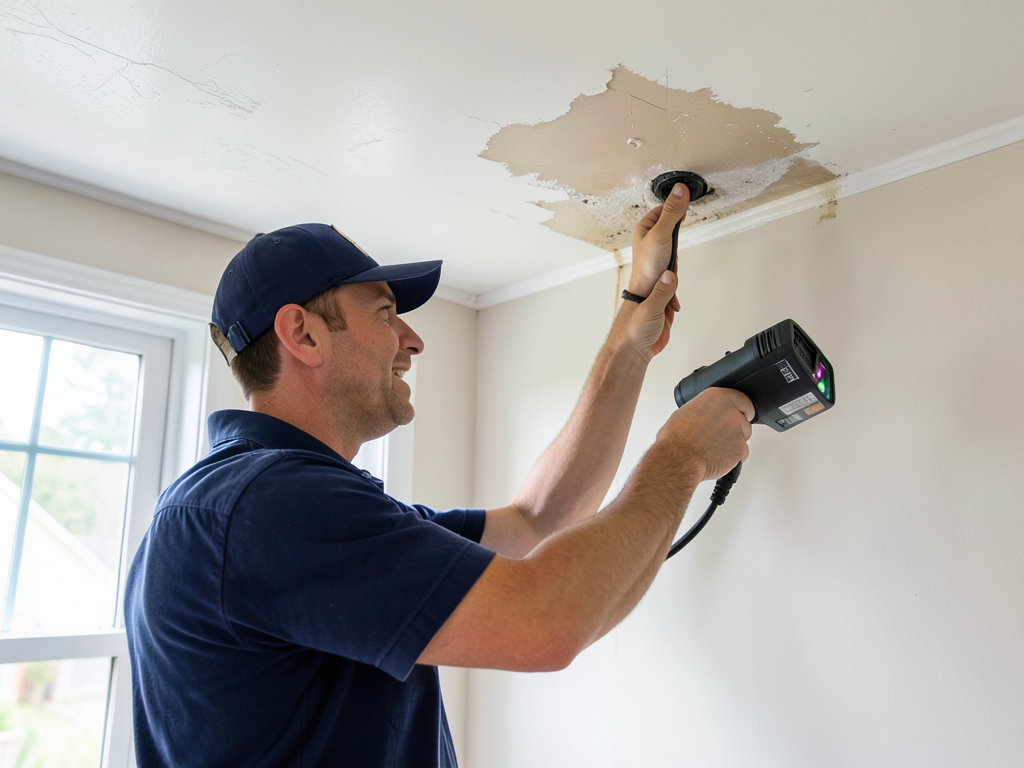
Fire sprinkler water damage restoration is different from standard flooding. Sprinkler water often contains rust, sediment, and biofilm from the pipes. This contamination requires antimicrobial treatment during extraction to prevent odor and microbial growth. We test moisture levels in walls and ceilings using thermal imaging and penetrating moisture meters. If water migrated into wall cavities, we create controlled ventilation channels using injection drying systems instead of tearing out entire sections of drywall.

We set up commercial dehumidifiers and air movers in a calculated airflow pattern based on your building's HVAC layout and the volume of affected space. In multi-story buildings, we monitor vapor pressure differentials between floors to prevent secondary moisture migration. Cincinnati's variable humidity means we adjust equipment every few hours based on real-time readings.

For businesses, we compartmentalize the affected area so you can keep operating in unaffected spaces. We work around your schedule. If you need us to extract water overnight and dry during off-hours, we do it. Our fire suppression system water extraction does not stop until moisture readings return to baseline and the risk of mold or structural damage is eliminated.

What Happens During Emergency Sprinkler Water Extraction

Fire Sprinkler Water Cleanup in Cincinnati – 24/7 Emergency Response Within 60 Minutes
01

Immediate Water Removal

We arrive with truck-mounted extractors and portable pumps. Our team removes standing water first using high-capacity vacuum systems. We extract water from carpets, padding, and flooring using weighted wands that apply 200+ PSI of suction. For tile or concrete, we use surface extraction tools that pull water from grout lines and porous surfaces. Speed matters. The faster we remove bulk water, the less it penetrates into structural materials.
02

Structural Drying and Monitoring

After extraction, we deploy air movers and commercial dehumidifiers in a targeted drying pattern. We measure moisture in walls, ceilings, and subfloors using penetrating meters and thermal imaging. If water entered wall cavities or ceiling voids, we use injecti-dry systems to force air circulation without demolition. We monitor conditions every 12 hours and adjust equipment placement based on drying progress. Drying is not guesswork. We track it with data.
03

Final Verification and Clearance

We do not leave until your property is dry. Final moisture readings must match baseline levels for your building materials. We document all readings and provide a moisture map showing pre- and post-drying conditions. If antimicrobial treatment was applied, we verify air quality. You get a full report for your insurance claim. We also inspect for hidden damage like ceiling tile collapse, insulation saturation, or compromised electrical systems so you know exactly what needs repair.

Why Cincinnati Property Owners Trust Us for Fire Sprinkler Water Cleanup

Ace Water Damage Restoration Cincinnati has handled burst fire sprinkler flood remediation in every type of building in this city. We have extracted sprinkler water from century-old warehouses in Queensgate, multi-tenant office buildings in Blue Ash, and historic retail spaces in Mount Adams. We know how Cincinnati buildings are constructed. We understand where water hides.

Many older commercial properties in Cincinnati have cast iron sprinkler pipes installed in the 1960s and 70s. These pipes corrode from the inside. When they fail, the discharge water is rust-colored and contains sediment that stains carpets and drywall. Standard extraction does not remove the staining. We use specialized cleaning agents during extraction to prevent permanent discoloration. We also understand that many Cincinnati buildings have plaster walls instead of drywall. Plaster does not absorb water the same way. It requires different drying techniques.

We work directly with your insurance adjuster. We document everything with photos, moisture readings, and detailed scope notes. If your policy covers accidental discharge, we make sure the claim process is straightforward. We also coordinate with your fire suppression contractor to confirm the system is back online and compliant with local fire codes before we finish drying.

You are not calling a national franchise that subcontracts to whoever is available. You are calling a local team that has worked in your neighborhood. We know the building inspectors. We understand Cincinnati's commercial property codes. When we say we will be there in 60 minutes, we mean it. Our equipment stays in Cincinnati, not two states away.

What You Can Expect When You Call Us

Immediate Dispatch and Arrival

We answer the phone 24/7. When you call, you talk to a technician, not an answering service. We dispatch a crew immediately. Most fire sprinkler water cleanup jobs in Cincinnati receive a response within 60 minutes. We arrive with extraction equipment, dehumidifiers, air movers, and moisture detection tools already loaded. You do not wait for us to go get equipment. We bring everything on the first trip. If your building requires special access or after-hours entry, we coordinate that on the phone before we leave.

Detailed Damage Assessment and Scope

Before we start drying, we map the damage. We use thermal imaging to identify wet areas that are not visible. We test moisture levels in floors, walls, and ceilings using calibrated meters. We document affected materials with photos and notes. This assessment determines the equipment we use and the estimated drying time. We explain what we found, what we recommend, and what your insurance should cover. You get a written scope before the work expands. No surprises.

Complete Drying and Restoration

We do not rush the drying process. Most fire suppression system water extraction jobs take three to five days to reach full dryness, depending on the volume of water and the materials affected. We monitor progress daily and adjust equipment as needed. Once moisture levels stabilize, we remove equipment and perform final verification testing. If repairs are needed (drywall replacement, flooring, ceiling tiles), we coordinate with qualified contractors. You get a complete restoration, not just water removal.

Insurance Documentation and Support

We provide full documentation for your insurance claim. You get a detailed moisture log, photos of the damage, a scope of work, and an itemized invoice. We work directly with adjusters and can attend on-site inspections if needed. If your claim is disputed or delayed, we provide supporting documentation and technical explanations. Most accidental sprinkler discharge events are covered under commercial property policies. We help you navigate the process so you get the coverage you paid for.

Frequently Asked Questions

You Have Questions,
We Have Answers

Is fire sprinkler water clean? +

No. Fire sprinkler water is not clean. Water sits stagnant in pipes for months or years, collecting rust, sediment, bacteria, and biofilm. When sprinklers activate, this black or brown water floods your property, creating contamination and severe water damage. The longer water sits idle, the worse the smell and contamination. You need immediate professional extraction and sanitization. Do not touch standing water or attempt cleanup yourself. Cincinnati humidity accelerates mold growth within 24 hours after sprinkler discharge. Call a water damage restoration specialist immediately to prevent structural damage and health hazards.

What is the 3x rule for sprinklers? +

The 3x rule means sprinkler heads must maintain three times the minimum listed spacing from walls or obstructions. This ensures proper water distribution during fire suppression. If a sprinkler requires 10-foot spacing, it must be at least 30 feet from walls. This rule prevents dead zones where flames could spread unchecked. When sprinklers activate and flood your Cincinnati building, improper spacing compounds water damage across larger areas. If you experience sprinkler discharge, contact a water damage restoration team immediately. Structural drying and contamination removal require professional equipment and expertise to prevent mold growth.

How often do sprinkler systems need to be flushed? +

Commercial fire sprinkler systems should be flushed quarterly or semi-annually, depending on system type and local codes. Stagnant water breeds bacteria and corrosion, making discharge water highly contaminated. Many Cincinnati buildings neglect flushing, which worsens water quality. When these systems activate, the initial discharge contains years of sediment, rust, and organic material. This creates a Category 2 or 3 contamination event requiring specialized cleanup. If your sprinkler system discharges, evacuate affected areas and call a water damage restoration specialist immediately. Professional extraction, antimicrobial treatment, and structural drying prevent long-term damage and mold colonization.

How to drain water from a fire sprinkler system? +

Draining a fire sprinkler system requires a licensed fire protection contractor. The process involves closing the main valve, opening drain valves at low points, and using air compressors to push remaining water out. Never attempt this yourself. Improper draining damages pipes, creates freeze risks in Cincinnati winters, and violates fire codes. If your system discharged accidentally, do not drain it yourself. Call a water damage restoration company first to extract standing water and document damage for insurance. Then contact a licensed sprinkler contractor to inspect and refill the system properly. Time matters—mold grows within 24 hours.

Why does fire sprinkler water smell bad? +

Fire sprinkler water smells rancid because it sits stagnant in pipes for months or years. Bacteria, biofilm, rust, and organic decay create hydrogen sulfide gas, which smells like sewage or rotten eggs. The smell indicates serious contamination. This water is not safe to contact without protective equipment. Cincinnati's humid climate accelerates bacterial growth in standing water. When sprinklers discharge, this contaminated water floods your property, requiring immediate professional cleanup. Do not ignore the odor or attempt DIY cleanup. Contact a water damage restoration specialist within hours. Proper extraction, antimicrobial treatment, and deodorization prevent health risks and permanent odor absorption.

Can I use the fire hydrant to fill my pool? +

No. Using fire hydrants to fill pools is illegal in Cincinnati without a permit from the water department. Unauthorized hydrant use violates municipal codes, reduces water pressure for firefighting, and risks contamination of your pool. Fines range into thousands of dollars. Fire hydrants connect to non-potable distribution lines in some areas. If you experience sprinkler discharge flooding your property instead, contact a water damage restoration specialist immediately. Do not pump contaminated sprinkler water into storm drains without proper filtration. Professional extraction and disposal follow EPA guidelines and protect Cincinnati waterways from contamination.

What is the 18 rule for fire sprinklers? +

The 18-inch rule requires maintaining 18 inches of clearance below fire sprinkler heads. Storage, shelving, or suspended fixtures violating this clearance obstruct water distribution and delay fire suppression. Blocked sprinklers discharge unevenly, creating larger water damage zones. Many Cincinnati warehouses and basements violate this rule unknowingly. When sprinklers activate with obstructions present, water pools instead of spreading, causing concentrated structural damage and flooding. If your system discharges, call a water damage restoration company immediately. They extract water, dry structural cavities, and prevent mold growth. Then correct clearance violations before the system recharges.

What is the 30 30 rule for irrigation? +

The 30-30 rule for irrigation suggests watering 30 minutes before sunrise when temperatures exceed 30 degrees. This reduces evaporation and fungal growth. This rule does not apply to fire sprinkler systems. If you confuse irrigation with fire sprinkler maintenance and experience accidental discharge, stop the water immediately at the main valve. Fire sprinkler water contains rust and bacteria, damaging lawns and landscaping. Cincinnati clay soil does not drain well, creating pooling and foundation risks. Call a water damage restoration specialist immediately to extract standing water from your building interior. Professional drying prevents structural damage and mold colonization within 24 hours.

Will vaping set off a sprinkler system? +

No. Vaping will not set off fire sprinkler systems. Sprinklers activate from heat, not smoke or vapor. Each sprinkler head contains a glass bulb or fusible link that breaks only at specific temperatures, usually 135 to 165 degrees Fahrenheit. Vape clouds lack sufficient heat. However, vaping can trigger smoke detectors in some Cincinnati buildings. If sprinklers activate unexpectedly, assume a heat source or mechanical failure caused the discharge. Evacuate immediately and call emergency services. Then contact a water damage restoration specialist to extract contaminated water and begin structural drying. Every hour of delay increases mold risk and structural damage.

What is the life expectancy of a fire sprinkler system? +

Fire sprinkler systems last 50 to 100 years with proper maintenance, but individual components fail sooner. Sprinkler heads should be replaced every 25 years or after discharge. Pipes corrode faster in Cincinnati's humid climate, especially in older buildings with galvanized steel. When aging systems fail or discharge accidentally, contaminated water floods your property rapidly. Immediate professional water extraction is critical. Contact a water damage restoration specialist within hours to prevent mold growth and structural damage. They use industrial extractors, dehumidifiers, and antimicrobial treatments to restore your property safely. Document all damage for insurance claims before cleanup begins.

Why Cincinnati's Freeze-Thaw Cycles Increase Sprinkler System Failures

Cincinnati's winter temperatures fluctuate between freezing and thawing multiple times per season. This freeze-thaw cycling puts stress on fire sprinkler pipes, especially in buildings with unheated attics, exterior walls, or older pipe insulation. When water inside the pipes freezes, it expands and weakens joints and fittings. When it thaws, pressure spikes can cause catastrophic discharge. Many older commercial buildings in neighborhoods like Walnut Hills and Northside have sprinkler systems installed before modern insulation standards. These systems are at higher risk during cold snaps. Emergency sprinkler water removal becomes essential when these systems fail unexpectedly.

Ace Water Damage Restoration Cincinnati has responded to dozens of freeze-related sprinkler failures across Hamilton County. We understand the building stock in this city. We know which construction types are vulnerable and how to extract water quickly from both modern and historic structures. Local expertise matters because building codes, pipe materials, and structural designs vary widely across Cincinnati. A team that has worked in your type of building knows how water spreads and where it hides. We do not learn on your property. We already know what to expect.
Water Damage Restoration Services in The Cincinnati Area

We are proud to serve the entire Cincinnati area, providing expert water damage restoration services wherever and whenever they are needed. We understand the unique challenges our local community faces and are committed to being there for our neighbors. View our service area on the map to see how we can assist you, or simply give us a call for immediate dispatch to your location.

Address:
Ace Water Damage Restoration Cincinnati, 1507 Dana Ave, Cincinnati, OH, 45207

Additional Services We Offer

Our news updates

Latest Articles & News from The Blogs

Finding the Source of a Slab Leak in Your Mack Home Slab leaks in Mack OH homes are more than…

Finding the Source of a Slab Leak in Your Mack Home

Finding the Source of a Slab Leak in Your Mack Home Slab leaks in Mack OH homes are more than…

What to Do When Your Water Heater Bursts in Madisonville

Emergency Water Heater Burst Cleanup in Madisonville, Cincinnati \n\n A water heater burst in Madisonville creates immediate flooding that can…

Salvaging Important Paper Documents and Photos After an Amberley Village Flood

Salvaging Important Paper Documents and Photos After an Amberley Village Flood When floodwaters rush through Amberley Village basements, the damage…

Contact Us

Every minute counts when fire suppression water is flooding your property. Call Ace Water Damage Restoration Cincinnati at (513) 717-2522 right now. We are ready to dispatch. Our team will be on site fast with the equipment to stop the damage and start the drying process. Do not wait.