




Menu

Emergency Mold Containment in Cincinnati – 24/7 Immediate Response Within 60 Minutes

When mold spreads, every minute increases the health risk and structural damage. Our emergency mold containment teams deploy immediately across Greater Cincinnati with industrial-grade isolation equipment to stop contamination before it overtakes your property.

Slider Image 1
Slider Image 2
Slider Image 3
Slider Image 4
Slider Image 5
Slider Image 7
Slider Image 8
Slider Image 9
Slider Image 10
Slider Image 11

Why Cincinnati Properties Face Sudden Mold Emergencies

Cincinnati's position along the Ohio River creates a humidity trap that accelerates mold growth after water intrusion. When a pipe bursts, basement floods, or roof leaks during our heavy spring storms, mold colonies can establish within 24 to 48 hours. The region's older housing stock, particularly in neighborhoods like Over-the-Rhine and Mount Adams, features plaster walls and aging HVAC systems that hide moisture problems until mold becomes visible.

You smell the musty odor first. Then you see the black patches spreading across drywall or ceiling tiles. By the time visible growth appears, the contamination has usually penetrated deeper into wall cavities and insulation. This is not a weekend cleaning project. Active mold releases spores into the air with every disturbance, spreading contamination to unaffected rooms and HVAC ducts.

Urgent mold isolation prevents cross-contamination to clean areas. The longer mold grows unchecked, the more aggressive the remediation required. What starts as a small bathroom issue can migrate through shared wall cavities into adjacent bedrooms within days. Cincinnati's freeze-thaw cycles also create hidden condensation problems in attics and crawl spaces, feeding mold growth you cannot see until it reaches crisis levels.

When you discover active mold growth, immediate mold mitigation is not optional. You need emergency mold abatement teams who understand how mold behaves in Cincinnati's climate and building types. Rapid mold containment services prevent a localized problem from becoming a whole-structure remediation that displaces your family for weeks.

Why Cincinnati Properties Face Sudden Mold Emergencies
How Professional Mold Containment Stops the Spread

How Professional Mold Containment Stops the Spread

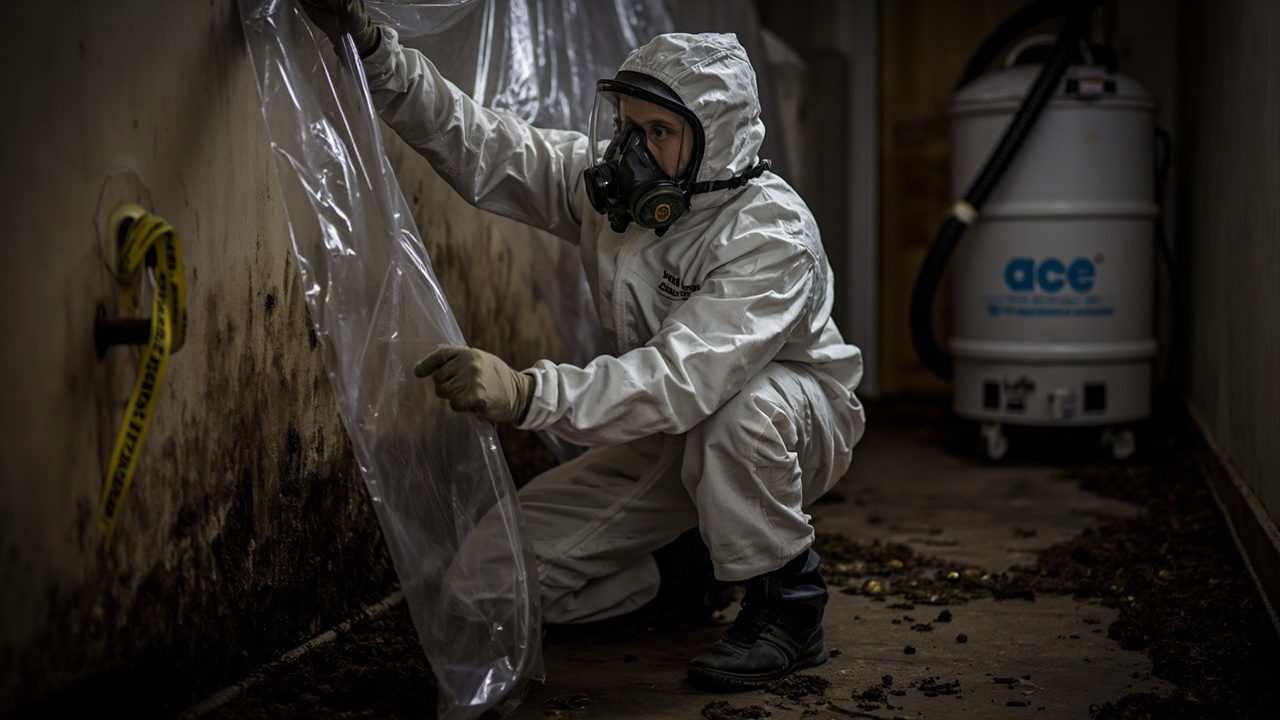
Emergency mold containment is a precision operation, not panic cleaning. Our technicians arrive with portable negative air machines, polyethylene sheeting, and HEPA filtration units to create a controlled work zone. We establish physical barriers between the contaminated area and the rest of your property, then depressurize the containment zone so airborne spores cannot escape during removal.

The containment zone uses overlapping layers of six-mil polyethylene sealed with contractor-grade tape. We cut access flaps with zipper systems that maintain the pressure differential. Negative air machines exhaust contaminated air through HEPA filters directly outside, creating continuous airflow from clean areas toward the containment zone. This pressure gradient prevents spores from migrating through doorways or HVAC returns.

We shut down HVAC systems serving the affected area and seal all supply and return vents within the containment perimeter. Mold spores are microscopic. A single disturbance can send thousands into ductwork, which then distributes contamination throughout the building. Air scrubbers with activated carbon filters run continuously inside the containment zone, capturing airborne particles before they settle on new surfaces.

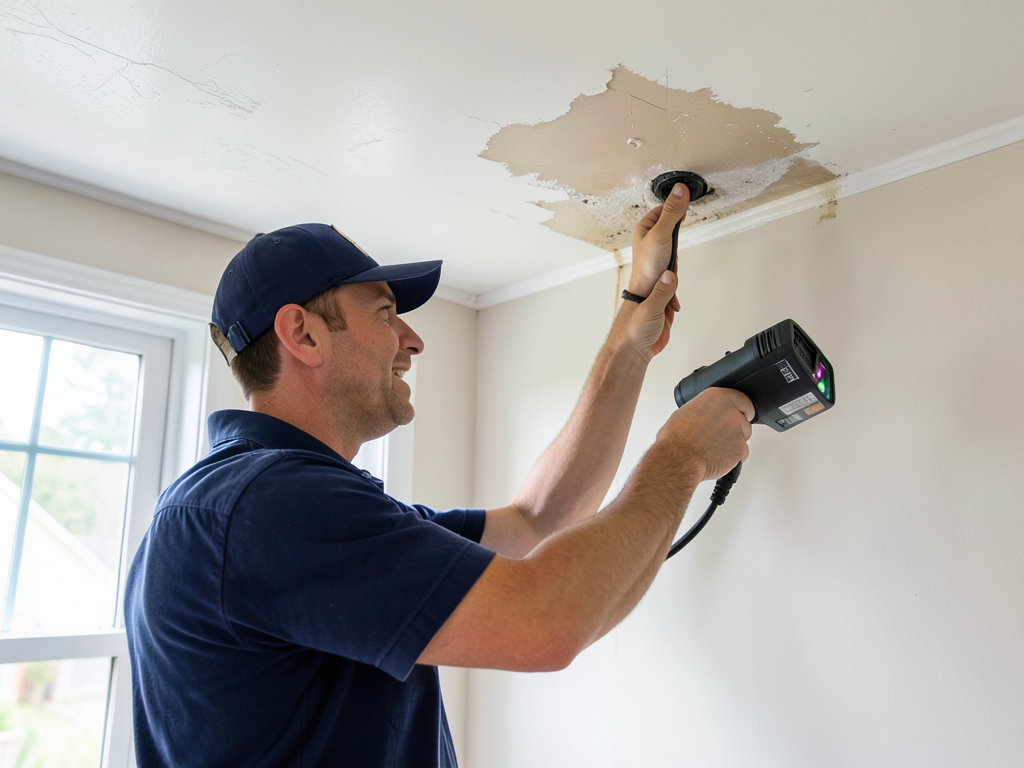
Our teams document moisture levels using thermal imaging cameras and pin-type meters to map the full extent of water intrusion. Mold grows where moisture persists. Containing visible growth means nothing if hidden moisture behind walls continues feeding new colonies. We trace moisture to its source, whether that is a leaking supply line, condensation from poor insulation, or groundwater seeping through foundation cracks.

24/7 mold damage containment means our crews mobilize immediately, day or night. We understand mold does not wait for business hours. Every hour of delay allows deeper penetration into porous materials like drywall, insulation, and subfloring.

What Happens During Emergency Mold Containment

Emergency Mold Containment in Cincinnati – 24/7 Immediate Response Within 60 Minutes
01

Initial Assessment and Isolation

Our technicians arrive within 60 minutes to evaluate the contamination extent using moisture meters and thermal imaging. We identify all affected areas, trace moisture sources, and immediately establish physical containment barriers using polyethylene sheeting and negative air pressure systems. This stops spore migration while we develop the full remediation plan. You get a clear scope of the problem before any demolition begins.
02

Containment Zone Construction

We seal the work area with floor-to-ceiling barriers, install HEPA-filtered negative air machines, and create controlled entry points with zipper doors. All HVAC vents within the zone get sealed. The negative pressure differential keeps contaminated air from escaping into clean areas. Air scrubbers run continuously, filtering airborne spores before they can settle and spread. This engineering-grade containment meets IICRC S520 standards for mold remediation.
03

Source Mitigation and Monitoring

We eliminate the moisture source feeding mold growth, whether that requires emergency plumbing repairs, roof tarping, or dehumidification. Containment barriers remain in place throughout the drying and remediation process. We monitor air quality with particle counters and verify negative pressure differentials every four hours. The containment only comes down after clearance testing confirms spore levels have returned to normal background levels.

Why Cincinnati Properties Need Local Mold Containment Expertise

Mold behavior changes based on building construction and local climate patterns. Cincinnati's mix of century-old brick homes, mid-century ranch houses, and modern construction requires different containment approaches. Historic properties in neighborhoods like Clifton and Hyde Park feature plaster-and-lath walls that trap moisture differently than modern drywall. Containing mold in these older structures means understanding how water travels through horsehair plaster and wood lath, often spreading far beyond the visible growth area.

Ace Water Damage Restoration Cincinnati has contained mold emergencies in every type of structure across Hamilton County. We know how the region's clay soil causes foundation settlement that cracks basement walls, creating hidden water entry points. We understand how Cincinnati's temperature swings create condensation inside poorly insulated attics, feeding mold growth that homeowners discover only when ceiling stains appear.

Our technicians train specifically on IICRC S520 mold remediation standards and Ohio building codes. We coordinate with local industrial hygienists for third-party testing when insurance requires documentation. Our relationships with Cincinnati-area plumbers, electricians, and HVAC contractors mean we can address the underlying moisture source immediately, not wait days for subcontractor availability while mold continues spreading.

Local expertise matters during insurance claims. We document containment procedures with timestamped photos and moisture readings that satisfy adjusters familiar with Greater Cincinnati water damage patterns. We know which local insurers require pre-approval for containment work and which authorize emergency mitigation under standard policies.

When mold threatens your property, you need teams who can navigate Cincinnati's building stock, understand local moisture problems, and execute containment that actually stops the spread. Generic restoration companies learn your building type on your dime. We have solved these exact problems hundreds of times across every Cincinnati neighborhood.

What to Expect During Emergency Mold Containment

Immediate Dispatch and Arrival Time

Our emergency containment teams deploy within 60 minutes of your call, 24 hours a day. We maintain fully stocked response vehicles positioned across Greater Cincinnati, so you get immediate service whether you are in downtown, northern suburbs like Mason, or eastern communities like Milford. Our technicians arrive with portable containment equipment, air filtration systems, and moisture detection tools. We start containment procedures immediately while developing the full remediation plan. You do not wait until morning or the next business day while mold spreads unchecked through your property.

Contamination Assessment and Documentation

We map the contamination using thermal imaging cameras that reveal hidden moisture behind walls and ceilings. Pin-type moisture meters quantify water content in building materials. We document every affected area with photos, measurements, and material identification. You receive a written assessment explaining what materials require removal, what can be salvaged, and why. This documentation satisfies insurance requirements and gives you a clear understanding of the problem scope before remediation begins. We identify the moisture source and explain what repairs are needed to prevent recurrence.

Professional-Grade Containment Barriers

Our containment zones use six-mil polyethylene sheeting sealed with professional tapes, not hardware store plastic and duct tape. Negative air machines create measurable pressure differentials that prevent spore migration. HEPA filtration captures 99.97% of particles down to 0.3 microns. We seal all HVAC components, install zipper door systems, and run continuous air scrubbers inside the containment zone. The result is engineering-grade isolation that actually prevents cross-contamination. You can occupy unaffected areas of your property safely while remediation proceeds. Our containment methods meet IICRC S520 standards and satisfy insurance requirements.

Post-Containment Verification and Clearance

Containment barriers remain in place throughout the entire remediation and drying process. We monitor air quality with particle counters and verify negative pressure differentials regularly. Before removing containment, we conduct visual inspections and can arrange third-party clearance testing if required by your insurance or desired for your peace of mind. You receive documentation showing the work area meets clearance criteria before we dismantle barriers. We explain what follow-up monitoring makes sense for your specific situation and provide guidance on preventing future mold problems.

Frequently Asked Questions

You Have Questions,
We Have Answers

What is the proper containment for mold? +

Proper mold containment uses physical barriers to stop spores from spreading during remediation. Professionals seal off the affected area with polyethylene sheeting, creating a negative air pressure chamber using HEPA-filtered air scrubbers. This pulls contaminated air inward and filters it before exhausting outside. All vents, doorways, and openings get sealed. Critical containment zones require double layers of plastic with decontamination chambers. In Cincinnati's older homes with shared HVAC systems, shutting down central air is essential before containment begins. Never attempt containment yourself if mold covers more than 10 square feet. You need trained technicians and proper equipment to prevent cross-contamination throughout your home.

What plant removes 78% of airborne mold? +

The English Ivy plant reportedly removes 78% of airborne mold in controlled lab studies. While houseplants can improve indoor air quality slightly, they cannot replace professional mold remediation. If you have visible mold growth or smell musty odors in your Cincinnati home, plants will not solve the problem. You need to identify and eliminate the moisture source, then remove contaminated materials. Cincinnati's humid summers create ideal conditions for mold growth in basements and crawlspaces. English Ivy might help in clean rooms, but affected areas require immediate professional containment and remediation. Do not delay remediation hoping plants will fix mold problems.

Does FEMA pay for mold remediation? +

FEMA does not typically pay for mold remediation directly. If mold results from a FEMA-declared disaster like flooding, FEMA may cover structural repairs that address the underlying water damage, but not the mold cleanup itself. Your homeowners insurance is the first line of defense. In Cincinnati, if Ohio River flooding or severe storms cause water intrusion, document everything immediately. FEMA assistance requires proof that mold resulted from the declared disaster, not pre-existing moisture issues. File insurance claims first. If denied and the disaster qualifies, FEMA's Individual Assistance program may provide limited funds. Act fast after water events to prevent mold from forming at all.

Is mold an OSHA violation? +

Yes, mold can trigger OSHA violations in workplaces. OSHA does not have a specific mold standard, but uses the General Duty Clause requiring employers to provide safe working conditions. If employees show respiratory symptoms or allergic reactions from mold exposure, OSHA can cite employers. Cincinnati businesses in older buildings near the Ohio River face higher mold risks from humidity and flooding. Employers must conduct air quality assessments, provide proper ventilation, and address water leaks immediately. Workers exposed during remediation need respiratory protection and training. Commercial property owners cannot ignore mold complaints. Document all moisture issues and remediation efforts to demonstrate compliance if OSHA investigates.

How Cincinnati's River Valley Climate Accelerates Mold Growth

Cincinnati sits in a natural basin along the Ohio River, creating a humidity pocket that keeps moisture levels elevated year-round. Summer humidity regularly exceeds 70%, while winter temperature swings cause repeated condensation cycles in attics and wall cavities. This constant moisture stress means water intrusion from any source creates ideal mold growth conditions within 24 hours. The region's clay soil also sheds water poorly, causing basement seepage problems that feed chronic moisture issues. Emergency mold containment in Cincinnati requires understanding how this humid microclimate accelerates contamination spread faster than in drier regions.

Greater Cincinnati's diverse housing stock requires specialized containment knowledge. Historic homes in neighborhoods like Mount Auburn and Northside feature plaster walls that trap moisture differently than modern drywall. Post-war construction in suburbs like Finneytown and Westwood often lacks proper vapor barriers, creating hidden condensation problems. Our teams have contained mold emergencies in every construction type across Hamilton, Clermont, and Warren counties. This local experience means we anticipate how contamination spreads in your specific building type and implement containment strategies proven effective for Cincinnati properties.
Water Damage Restoration Services in The Cincinnati Area

We are proud to serve the entire Cincinnati area, providing expert water damage restoration services wherever and whenever they are needed. We understand the unique challenges our local community faces and are committed to being there for our neighbors. View our service area on the map to see how we can assist you, or simply give us a call for immediate dispatch to your location.

Address:
Ace Water Damage Restoration Cincinnati, 1507 Dana Ave, Cincinnati, OH, 45207

Additional Services We Offer

Our news updates

Latest Articles & News from The Blogs

Finding the Source of a Slab Leak in Your Mack Home Slab leaks in Mack OH homes are more than…

Finding the Source of a Slab Leak in Your Mack Home

Finding the Source of a Slab Leak in Your Mack Home Slab leaks in Mack OH homes are more than…

What to Do When Your Water Heater Bursts in Madisonville

Emergency Water Heater Burst Cleanup in Madisonville, Cincinnati \n\n A water heater burst in Madisonville creates immediate flooding that can…

Salvaging Important Paper Documents and Photos After an Amberley Village Flood

Salvaging Important Paper Documents and Photos After an Amberley Village Flood When floodwaters rush through Amberley Village basements, the damage…

Contact Us

Mold contamination doubles in coverage area every 48 hours. Call (513) 717-2522 now for immediate dispatch. Our emergency containment teams deploy within 60 minutes with professional isolation equipment. Stop the spread before it overtakes your entire property.